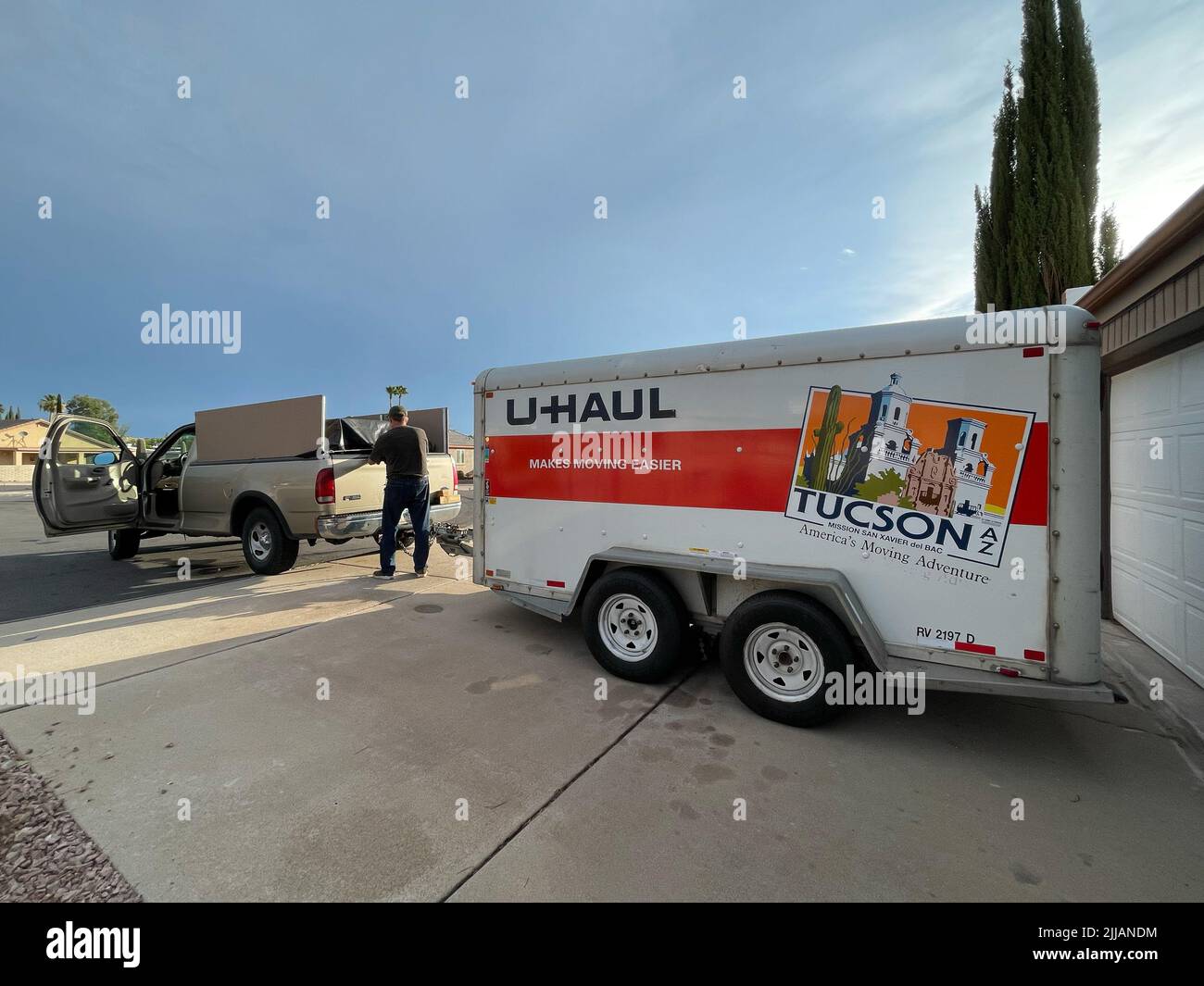
When preparing your vehicle for towing, choosing the right installation provider is critical for safety, structural integrity, and warranty protection. For drivers asking whether U-Haul installs trailer hitches, the short answer is yes. U-Haul operates as North America's largest retail installer of custom-fit trailer hitches and towing accessories. However, navigating the booking process, understanding equipment tiers, and evaluating professional installation versus DIY requires careful planning. This comprehensive 2026 guide breaks down everything you need to know about U-Haul trailer hitch installation services, pricing structures, technical capabilities, and operational standards.
Understanding U-Haul's Professional Hitch Installation Services
U-Haul locations and authorized hitch-installation centers employ certified technicians trained to mount towing equipment across a vast spectrum of vehicle makes, models, and years. Unlike generic auto parts stores that merely sell components off the shelf, corporate U-Haul stores with service bays feature dedicated bays equipped with vehicle lifts, torque wrenches, and specialized wiring tools.
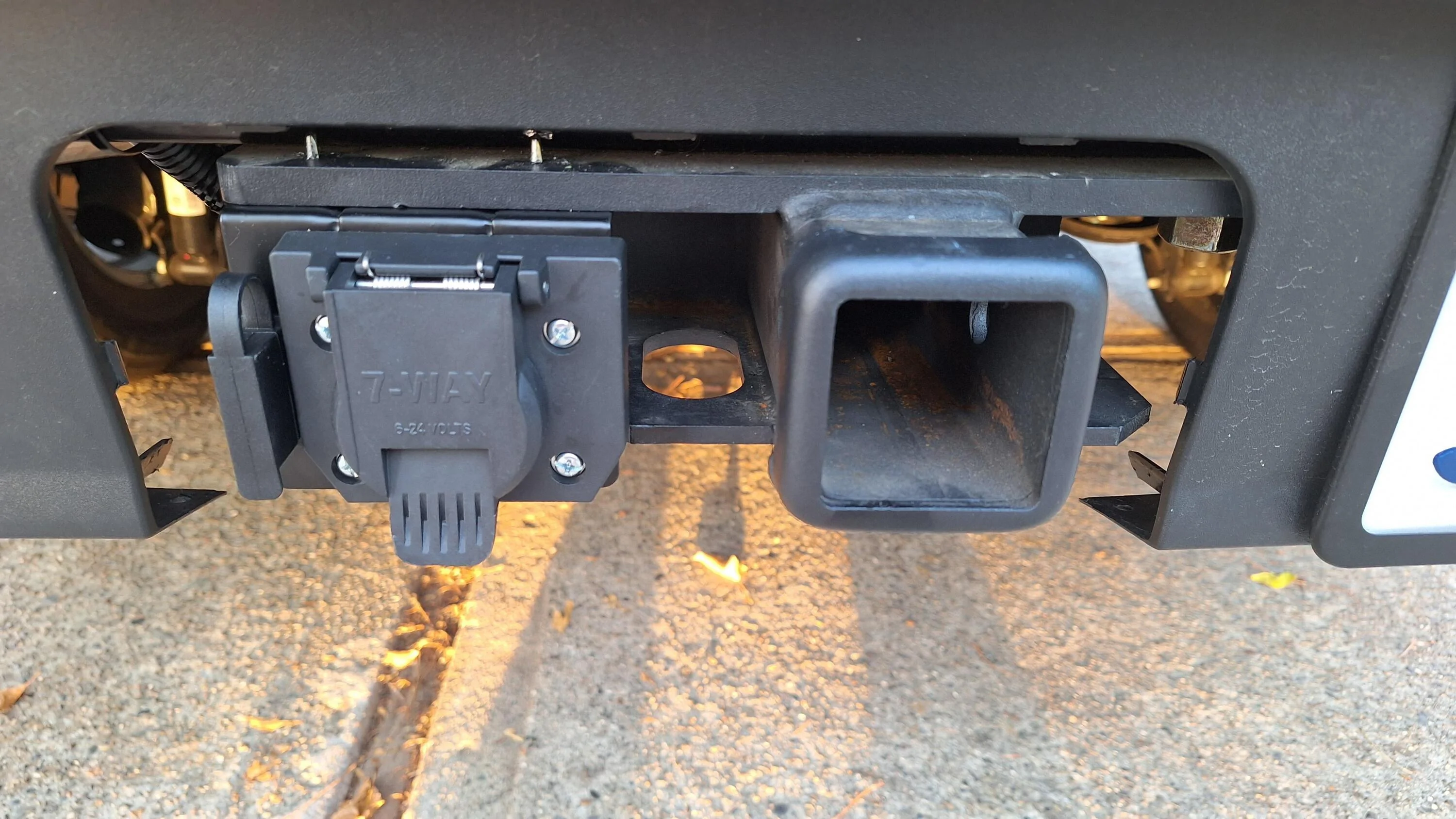
The standard service model covers everything from light-duty utility trailers and bicycle racks to heavy-duty campers and boat trailers. Technicians mount custom-fit receiver hitches that bolt directly into the vehicle manufacturer's existing frame holes, eliminating the need for drilling or custom fabrication in the vast majority of modern passenger cars, crossovers, SUVs, and light trucks.
Professional Standard Reminder: Always confirm whether your specific vehicle requires a custom wiring harness conversion or a heavy-duty transmission cooler upgrade before scheduling your installation appointment.
The Complete Booking and Installation Process
Securing a professional trailer hitch installation through U-Haul involves a structured workflow designed to ensure component compatibility and mechanical safety. Knowing what to expect at each stage helps streamline your appointment.
- Vehicle Assessment and Online Reservation: Customers can visit the U-Haul website or call a local center to input their vehicle's Year, Make, Model, and Trim level. The system cross-references database specifications to match the correct Class I, II, III, or IV hitch.
- Component Selection: During booking, you select the receiver tube size (typically 1-1/4 inch or 2 inch), the ball mount, the hitch ball, and the required lighting electrical converter (4-way flat or 7-way blade).
- Shop Drop-Off: On the day of service, you drop off your vehicle at the scheduled time. Professional installations generally take between one to three hours depending on vehicle complexity and whether a complex wiring harness is required.
- Post-Installation Inspection: Technicians perform a final torque check on all frame bolts and test the trailer lighting outputs using a specialized circuit tester to verify brake lights, turn signals, and running lights function correctly.
Hitch Classes, Weight Capacities, and Technical Specifications
Selecting the correct hitch class depends entirely on your vehicle's Gross Vehicle Weight Rating (GVWR) and the weight of the load you intend to pull. U-Haul carries and installs multiple classes of towing equipment engineered to meet SAE J684 safety standards.
| Hitch Class | Receiver Tube Size | Gross Trailer Weight (GTW) Max | Tongue Weight (TW) Max | Typical Vehicle Applications |
|---|---|---|---|---|
| Class I | 1-1/4 inch | Up to 2,000 lbs. | Up to 200 lbs. | Compact cars, sedans, small hatchbacks |
| Class II | 1-1/4 inch | Up to 3,500 lbs. | Up to 350 lbs. | Mid-size sedans, small crossovers, minivans |
| Class III | 2 inch | Up to 8,000 lbs. | Up to 800 lbs. | SUVs, crossovers, mid-size and full-size trucks |
| Class IV | 2 inch or 2-1/2 inch | Up to 12,000+ lbs. | Up to 1,200+ lbs. | Full-size heavy-duty trucks, large commercial SUVs |
Pricing Structure, Warranties, and Value Analysis
When budgeting for a trailer hitch installation, understanding the financial investment helps prevent unexpected costs. U-Haul structures its pricing to bundle hardware and labor, though distinct variables affect the final total.
Cost Breakdown Factors
- Hitch Hardware: Prices range from $150 to $400+ depending on the structural class and vehicle frame complexity.
- Installation Labor: Standard labor rates are often packaged or billed hourly, typically adding $75 to $200 depending on region and shop time.
- Electrical Wiring: Standard 4-way flat connectors cost between $50 and $150 including parts and labor. Advanced powered converters for vehicles with sensitive CAN-bus computer systems may cost more.
- Accessories: Hitch balls, pin-and-clips, ball mounts, and locking mechanisms are sold separately unless purchased as part of a complete towing package bundle.
Warranty Coverage
U-Haul stands behind its installation craftsmanship and hardware by offering a lifetime warranty on standard hitches for as long as you own the vehicle. This covers structural defects in the steel frame and weld points. Electrical components and wiring converters typically carry a manufacturer-backed limited warranty of one year.
Comparing Professional U-Haul Installation vs. DIY or Dealership Service
Weighing the pros and cons of where to purchase and install your towing hardware ensures you get the best value, safety, and convenience.
- U-Haul Professional Installation:
- Pros: Guaranteed correct part matching, specialized lift equipment, professional torque calibration, and lifetime structural warranty.
- Cons: Scheduling availability can vary during peak summer moving seasons; shop labor fees apply.
- Dealership Service Department:
- Pros: OEM-certified parts designed specifically by the vehicle manufacturer.
- Cons: Significantly higher hourly labor rates and parts markups; often outsources the work to third-party specialty shops anyway.
- Do-It-Yourself (DIY) Garage Installation:
- Pros: Saves 100% on labor costs; flexible timeline working in your own driveway.
- Cons: Requires lifting the vehicle safely on jack stands, possessing torque wrenches, struggling with rusted frame bolts, and troubleshooting complex electrical wiring without diagnostic tools.
Expert Tips for Safe Towing and Maintenance
Maximizing the lifespan of your U-Haul trailer hitch requires routine maintenance and strict adherence to weight limits. Follow these expert recommendations to ensure long-term reliability:
- Initial Re-Torque Check: Have the mounting bolts inspected and re-torqued after your first 50 to 100 miles of towing, as settling can occur under initial dynamic load stress.
- Corrosion Prevention: Apply a light coat of multi-purpose grease or specialized hitch receiver lubricant inside the receiver tube to prevent rust and ease the insertion of your ball mount.
- Never Exceed Ratings: Always defer to the lowest weight rating in your towing chain. If your vehicle has a towing capacity of 3,500 lbs., but your hitch is rated for 5,000 lbs., your maximum safe limit remains 3,500 lbs.
Frequently Asked Questions
Does U-Haul install trailer hitches on all vehicle makes and models?
U-Haul offers custom-fit hitches for the vast majority of cars, trucks, vans, and SUVs on the road today. However, highly customized, rare, lowered, or heavily modified vehicles may not have compatible aftermarket hitch designs available.
Can I bring my own trailer hitch bought elsewhere for U-Haul to install?
Most corporate U-Haul hitch centers prefer to install hardware purchased directly through their inventory to guarantee structural compatibility and warranty coverage. Policies on customer-supplied parts vary by location, so call ahead to verify local shop rules.
How long does a standard trailer hitch installation take at U-Haul?
Most standard hitch and wiring installations take between one and three hours. Complex vehicles requiring extensive interior trim removal for wiring harnesses may take slightly longer.
Do I need an appointment for a trailer hitch installation?
Yes, scheduling an appointment online or by phone is strongly recommended. This ensures the correct parts are pulled from inventory and a service bay and technician are reserved for your vehicle.
Does U-Haul wire trailer lights during the installation?
Yes, U-Haul technicians install custom wiring harnesses that integrate cleanly with your vehicle's electrical system to power trailer running lights, turn signals, and brake lights.
Are U-Haul trailer hitches covered by a warranty?
U-Haul provides a lifetime warranty on qualifying hitch hardware and installation workmanship for the original purchaser, covering structural integrity for the life of the vehicle.
Secure Your Towing Setup Today
Properly equipping your vehicle with a reliable trailer hitch transforms your car or truck into a versatile hauling machine capable of supporting utility trailers, campers, and cargo carriers. To guarantee safety on the road, trust certified professionals to handle the heavy lifting, structural bolting, and electrical integration. Schedule your custom-fit trailer hitch installation consultation with your local U-Haul service center today and hit the road with complete confidence.