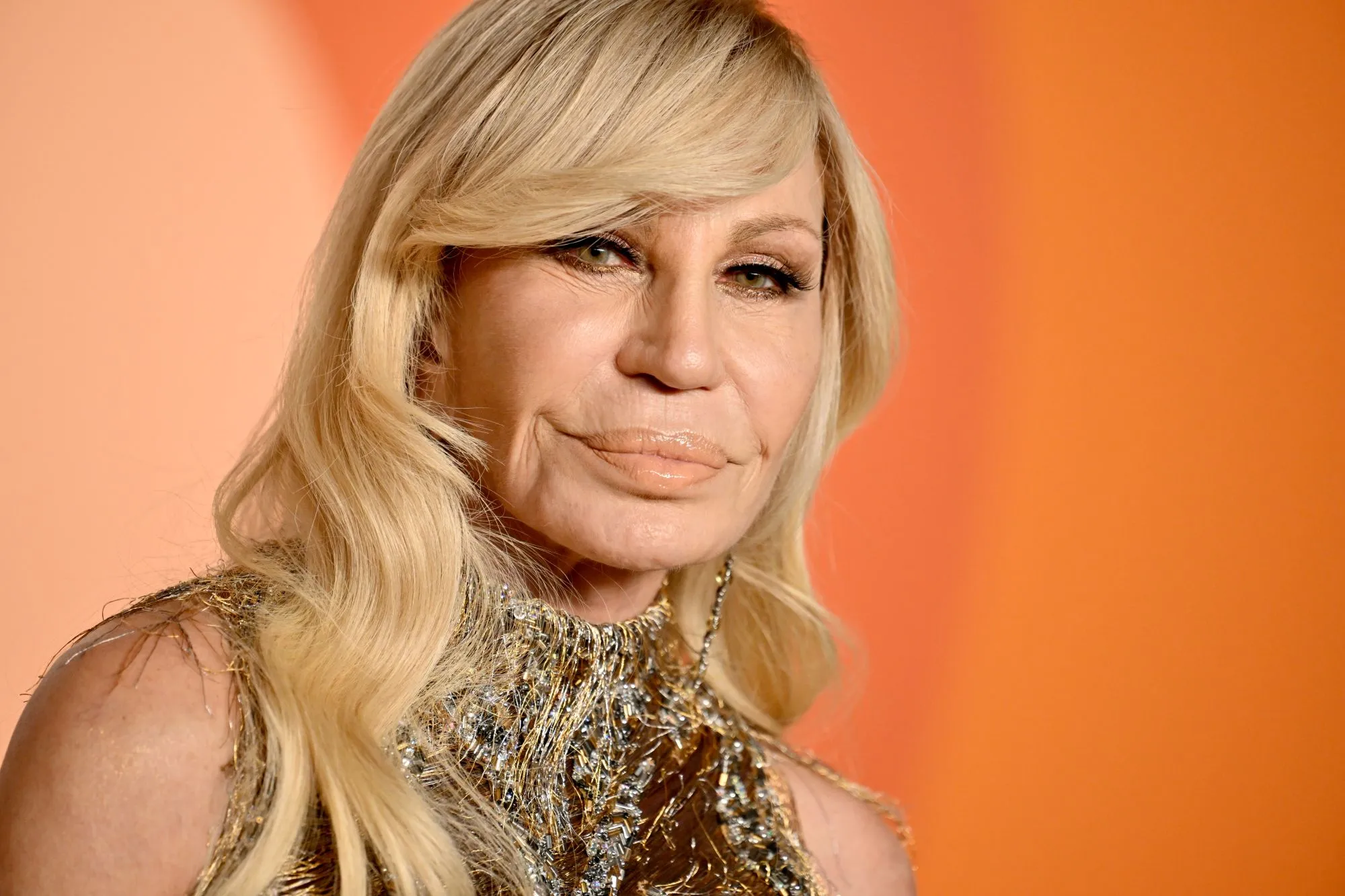
Donatella Versace's leadership and brand strategy centers on preserving the house's iconic, high-octane Italian glamour while navigating modern digital ecosystems, sustainability pressures, and shifting consumer demographics under Capri Holdings. Her creative direction balances legacy codes like the Medusa logo and baroque prints with contemporary streetwear collaborations and digital-first marketing campaigns.
Introduction to Versace's Modern Era
The trajectory of the House of Versace represents one of the most resilient journeys in modern luxury fashion. Following the tragic passing of founder Gianni Versace in 1997, Donatella Versace stepped into the role of Artistic Director, carrying the heavy burden of creative survival while establishing her own distinct design voice. Entering the mid-2020s, the brand operates within a complex global luxury market defined by digital acceleration, changing consumer values, and corporate consolidation.
Understanding Donatella Versace's leadership and brand strategy requires examining how a historic family-led Italian fashion house successfully transitioned into a globally managed commercial asset without losing its counter-cultural, rebellious edge. This analysis explores her executive evolution, creative governance, digital adaptation, and the structural decisions that shape the brand's positioning in the contemporary marketplace.
The Evolution of Donatella Versace as Creative Director and Leader
When Donatella first assumed creative control, industry critics questioned whether the brand could survive without its visionary founder. Her early collections leaned heavily on Gianni’s established vocabulary, but she soon pivoted toward a more wearable, empowered vision of femininity. Over the decades, her leadership style evolved from an intuitive, emotionally driven creative process to a calculated, strategic executive approach.
Her leadership is characterized by several core operational philosophies:
- Radical Authenticity: Maintaining the brand's signature high-glamour aesthetic, characterized by bold hardware, vibrant prints, and body-conscious tailoring, rather than chasing minimalist trends.
- Cultural Resonance: Leveraging personal relationships with global music icons, actors, and models to keep the brand firmly embedded in pop culture.
- Empowered Mentorship: Cultivating a collaborative studio environment where young designers work alongside veteran artisans to protect traditional Italian craftsmanship while innovating new textiles.
This leadership longevity is rare in contemporary fashion, where creative directors rotate every few seasons. Donatella's permanent presence provides stability, ensuring that institutional knowledge and brand heritage are never diluted by frequent creative overhauls.
Strategic Acquisition and Corporate Integration Under Capri Holdings
A pivotal turning point in Versace's modern business strategy occurred in late 2018 when Michael Kors Holdings Limited (subsequently rebranded as Capri Holdings) acquired the fashion house for approximately $2.12 billion. This corporate restructuring provided Versace with the financial muscle necessary to scale retail operations, expand global distribution, and invest heavily in digital infrastructure.
Under Capri Holdings, Donatella retained her position as Artistic Director, ensuring creative continuity while corporate executives handled supply chain optimization, global real estate, and regional market expansion. The corporate strategy focused on three primary pillars:
- Retail Expansion: Growing the global footprint of directly operated retail stores, particularly in high-growth luxury markets across Asia-Pacific and North America.
- Accessory and Footwear Growth: Elevating the contribution of non-apparel categories, which historically yield higher profit margins than runway ready-to-wear collections.
- Omnichannel Integration: Blending physical boutique experiences with seamless e-commerce platforms to capture younger digital native consumers.
This dual structure—pairing Italian creative heritage with American corporate discipline—allowed Versace to weather economic fluctuations and aggressive competition from larger luxury conglomerates like LVMH and Kering.
Brand Positioning, Heritage Codes, and Product Diversification
Versace’s brand strategy relies on a delicate balance between leveraging archival codes and introducing fresh product categories. The brand's visual identity is anchored by unmistakable signifiers: the Medusa head, the Greca motif, safety pin detailing, and vibrant baroque prints. Donatella’s strategy involves weaponizing these archives rather than hiding from them.
| Brand Asset | Strategic Application | Market Impact |
|---|---|---|
| The Medusa Logo | Centralized on hardware, accessories, and packaging | Immediate brand recognition and high status signaling |
| Archival Prints | Reinterpreted in modern streetwear and capsule collections | Captures nostalgic millennial and Gen Z interest |
| Red Carpet Heritage | Dressing A-list celebrities for major global events | Generates earned media value and viral social moments |
| Versace Home | Luxury furniture, textiles, and interior design partnerships | Extends brand lifestyle footprint into real estate and hospitality |
Product diversification remains a cornerstone of the financial strategy. Beyond mainline ready-to-wear, the diffusion line Versace Jeans Couture captures younger, price-sensitive consumers, serving as an entry point into the broader Versace ecosystem. Meanwhile, the home and hospitality divisions, including Palazzo Versace hotels, reinforce the brand as an all-encompassing lifestyle choice rather than a strictly apparel-focused label.
Digital Transformation and Social Media Engagement
For legacy luxury brands, entering the digital age often risks eroding exclusivity. However, Versace’s strategy under Donatella embraced digital platforms as tools for community building and direct-to-consumer storytelling.
The brand leverages Instagram, TikTok, and localized Asian platforms like WeChat and Xiaohongshu to drive engagement. A notable milestone in this digital strategy was the viral recreation of the 2000 jungle dress moment featuring Jennifer Lopez at the Milan Fashion Week Spring/Summer 2020 show, which generated tens of millions of dollars in earned media impact overnight.
Key elements of the digital and marketing strategy include:
- High-Impact Collaborations: Partnering with complementary brands—such as the "Fendace" swap with Fendi or streetwear crossovers—to generate global hype and cross-pollinate consumer bases.
- Digital Runways: Livestreaming immersive runway shows with interactive elements that allow viewers to purchase select items immediately following the presentation.
- Influencer Ecosystems: Moving beyond traditional supermodels to work with digital creators, K-pop idols, and TikTok personalities who command immense authority among younger demographics.
Challenges, Sustainability, and the Evolving Luxury Landscape
Despite strong positioning, Versace faces significant headwinds common to the contemporary luxury sector. Shifting macroeconomic conditions, fluctuating demand in key Asian markets, and rising consumer expectations regarding sustainability present ongoing operational challenges.
Luxury consumers increasingly demand transparency regarding supply chains, ethical sourcing, and environmental impact. Versace, through Capri Holdings, has integrated sustainability targets aligned with corporate environmental governance, focusing on reducing greenhouse gas emissions, responsible leather sourcing, and eliminating single-use plastics across retail operations. However, balancing the fast-paced production cycles of global fashion with genuine ecological responsibility remains a continuous operational tightrope.
Furthermore, maintaining brand heat in an oversaturated market requires constant vigilance. As streetwear trends evolve into more sophisticated tailoring, Versace has adapted its silhouettes, yet the brand must constantly guard against logo fatigue and the over-licensing issues that plagued its business model in the late 1980s and 1990s.
Frequently Asked Questions
What is Donatella Versace’s role at Versace?
Donatella Versace serves as the Artistic Director of the House of Versace. She oversees all creative output, including womenswear, menswear, accessories, advertising campaigns, and the brand’s overarching aesthetic direction.
Who currently owns the Versace brand?
Versace is owned by Capri Holdings Limited, a global fashion luxury group that also owns Michael Kors and Jimmy Choo. Capri Holdings acquired the brand in late 2018.
How has Versace's brand strategy changed in recent years?
The brand has shifted toward a more digitally integrated, omnichannel approach. This includes aggressive expansion in accessories, high-profile collaborative capsule collections, and targeted social media marketing designed to engage younger Gen Z and millennial consumers.
What are the iconic visual codes of the Versace brand?
Key visual codes include the Medusa head logo, the Greek Key (Greca) pattern, bold baroque and animal prints, safety pin hardware, and heavy metallic detailing rooted in high-octane Italian glamour.
How does Versace balance heritage with modern trends?
Donatella Versace utilizes the brand’s extensive archives to fuel nostalgic interest while reinterpreting classic silhouettes through modern fabrics, streetwear collaborations, and contemporary styling to appeal to modern audiences.
Conclusion and Strategic Outlook
Donatella Versace’s leadership and brand strategy demonstrate how a historic fashion house can maintain creative integrity while scaling globally within a corporate conglomerate. By anchoring the brand in its unmistakable heritage of unapologetic glamour while aggressively adapting to digital ecosystems and younger consumer bases, Versace has solidified its position as a powerhouse in modern luxury. Future success will depend on disciplined execution of its omnichannel retail strategy, genuine progress in sustainability, and Donatella's continued ability to dictate cultural relevance on the global stage.