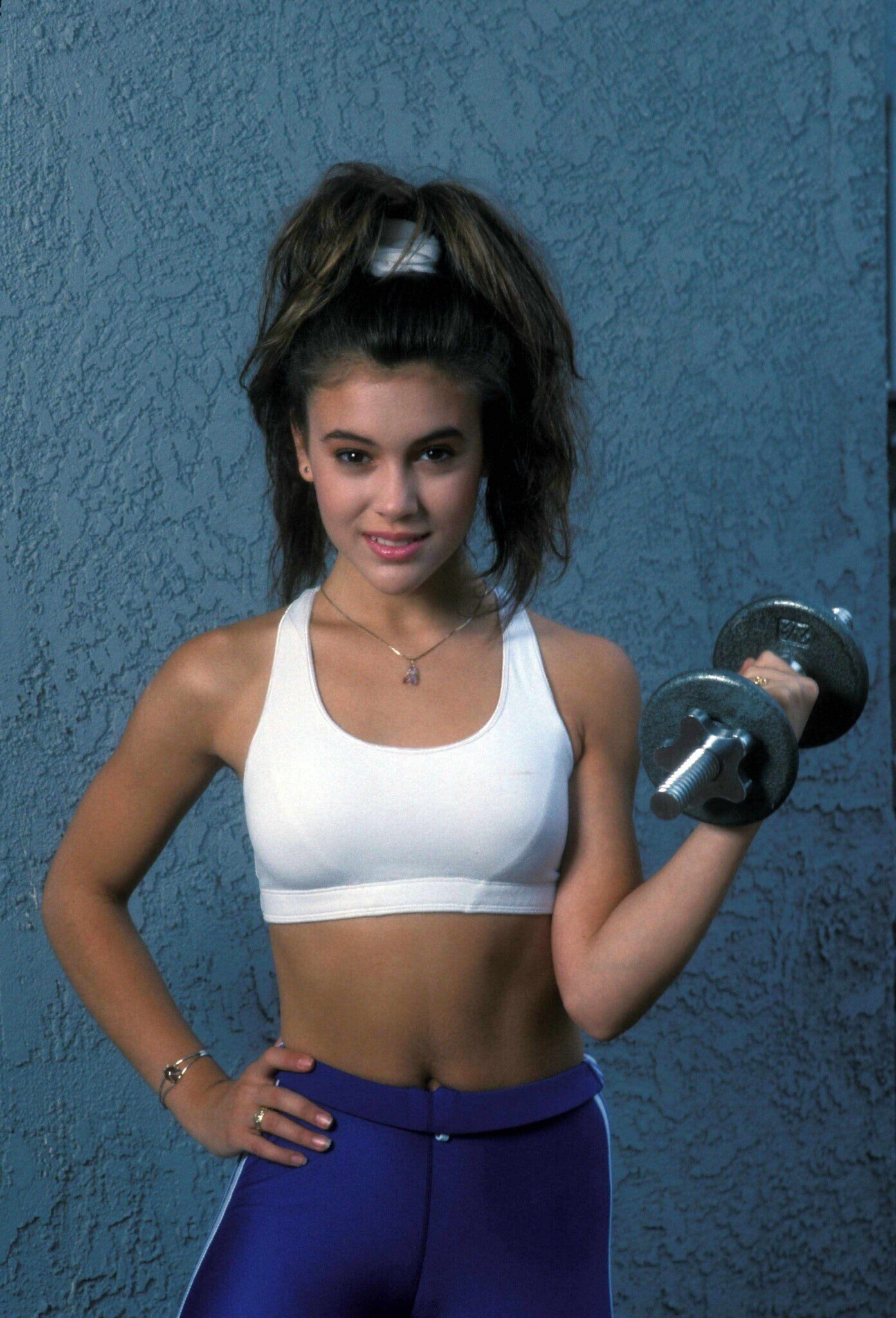
The 1980s fitness boom transformed physical culture from a niche pursuit for bodybuilders and track athletes into a mainstream, highly commercialized lifestyle phenomenon. Characterized by high-impact aerobics, celebrity-endorsed workout videos, colorful spandex apparel, and the rapid expansion of commercial health clubs, this decade laid the modern foundation for the multi-billion-dollar fitness industry we recognize today.
The Cultural Shift: From Iron Houses to Commercial Gyms
Before the 1980s, weight training and structured physical conditioning were largely confined to gritty, underground bodybuilding gyms populated almost exclusively by men. Facilities like Gold’s Gym in Venice, California, focused heavily on heavy iron, brute strength, and physique development. However, a massive cultural shift occurred as society began recognizing the cardiovascular benefits of exercise, heavily spurred by Dr. Kenneth Cooper’s pioneering research on aerobics published in the late 1960s and 1970s.
During the 1980s, fitness transitioned from a fringe activity to a status symbol. The rise of the white-collar corporate culture brought sedentary desk jobs, creating a pressing physical and psychological need for stress relief. Commercial health clubs seized this opportunity by replacing dark, intimidating weight rooms with brightly lit, carpeted, amenity-rich facilities. These new clubs featured juice bars, saunas, mirrored studios, and sophisticated locker rooms, making exercise appealing to a broader demographic, including working professionals and homemakers.
This democratization of exercise was accompanied by a revolution in fitness fashion. The utilitarian grey sweatsuits of previous decades were replaced by neon spandex leotards, high-cut thong leotards worn over tights, leg warmers, headbands, and wrist sweatbands. While much of this attire prioritized aesthetic trends over biomechanical utility, it fostered a vibrant, communal identity that made working out feel less like a clinical chore and more like a social party.
The Aerobics Revolution: Jane Fonda and High-Impact Classes
No single element defined 1980s fitness quite as much as the aerobics craze. The movement found its ultimate catalyst in 1982 when actress Jane Fonda released Jane Fonda’s Workout book, quickly followed by her landmark home video. Fonda’s video became the highest-selling home video of its time, single-handedly launching the home-fitness video market and inspiring millions of people to exercise in their living rooms.
Aerobic dance combined jazz dance choreography, calisthenics, and continuous cardiovascular conditioning set to upbeat, synthesized pop music. Classes were typically led by energetic instructors wearing microphones, shouting motivational phrases like "Feel the burn!" and "No pain, no gain!"
However, the relentless pursuit of high-impact aerobics—featuring continuous jumping, leaping, and hard-surface landing without adequate shock absorption—led to a wave of overuse injuries. Common ailments included:
- Shin splints from repetitive impact on unpadded wooden or carpeted studio floors.
- Plantar fasciitis and Achilles tendinitis due to footwear lacking proper arch support and cushioning.
- Patellofemoral pain syndrome (runner's knee) caused by deep, ballistic lunges and high-repetition jumping jacks.
By the late 1980s, the medical community's warnings prompted a pivot toward low-impact aerobics, incorporating fluid steps that kept at least one foot on the ground at all times. This era also gave rise to step aerobics, invented by Gin Miller in 1989, which provided high cardiovascular intensity with significantly reduced joint impact.
The Modernization of Strength Training and Equipment
While aerobics captured the public imagination for cardiovascular health, strength training experienced its own radical evolution during the 1980s. The decade marked the transition from free weights as the sole method of resistance training to sophisticated machine-based engineering.
Arthur Jones and his Nautilus machines had introduced variable resistance training in the 1970s, but the 1980s saw companies like Life Fitness, Cybex, and Precor refine these concepts. The introduction of computer-monitored equipment, electronic consoles on stationary bikes, and initial versions of motorized treadmills transformed gyms into high-tech environments.
Concurrently, the aesthetic standard for bodies shifted dramatically. Inspired by action movie stars like Arnold Schwarzenegger, Sylvester Stallone, and Linda Hamilton, both men and women sought defined, sculpted physiques. Women, in particular, began embracing moderate resistance training to achieve a toned look, breaking away from the outdated myth that lifting weights would instantly result in bulky, masculine muscles.
Comparative Overview of Fitness Eras
| Feature | Pre-1980s Fitness | 1980s Fitness Boom | Modern Fitness (Current Era) |
|---|---|---|---|
| Primary Demographic | Male bodybuilders, track athletes, martial artists. | Mainstream women, corporate professionals, youth. | Highly diverse across all age groups and genders. |
| Primary Workout Style | Heavy free-weight lifting, calisthenics, running. | High-impact aerobics, jazzercise, home videos. | Functional training, HIIT, strength training, yoga/pilates. |
| Apparel & Gear | Cotton t-shirts, grey sweats, basic leather shoes. | Neon spandex, leotards, leg warmers, headbands. | Technical moisture-wicking fabrics, specialized footwear. |
| Technology | Mechanical stopwatches, simple barbells. | VHS tapes, early electronic stationary bikes. | Wearable fitness trackers, mobile apps, smart equipment. |
| Nutrition Focus | Calorie-counting, high-protein diets, basic supplements. | Low-fat diets, carbohydrate loading, diet sodas. | Macronutrient tracking, whole foods, personalized nutrition. |
Nutritional Fads and Dietary Culture of the Decade
The fitness boom of the 1980s was inextricably linked to shifting dietary philosophies, many of which now appear misguided in light of modern nutritional science. The prevailing dogma of the decade was the "low-fat, high-carbohydrate" model.
Fat was widely vilified as the primary culprit behind both weight gain and cardiovascular disease. Consequently, grocery store shelves flooded with processed "fat-free" and "low-fat" products that compensated for the removal of fat by adding massive amounts of refined sugar and sodium. Diet sodas, artificially sweetened snacks, and oat bran became cultural staples.
Protein powders and amino acid supplements also evolved during this period. While traditional bodybuilding communities relied on heavy dairy-based protein and liver tablets, the commercial market began introducing standardized whey and soy protein supplements, marketed toward everyday gym-goers looking to accelerate muscle recovery and body toning.
Legacy and Enduring Impact on Modern Wellness
The innovations, marketing strategies, and cultural norms established in the 1980s continue to shape the contemporary fitness landscape. Several core elements of modern exercise culture trace their direct lineage to this decade:
- The Group Fitness Ecosystem: The structured, instructor-led group fitness class format pioneered by aerobic dance studios directly influenced modern group exercise brands such as SoulCycle, CrossFit, and Barry's Bootcamp.
- At-Home Fitness Subscription Models: Jane Fonda's home video empire laid the logistical and consumer groundwork for today's digital streaming platforms, interactive home gym hardware, and on-demand workout apps.
- Fitness as Identity: The 1980s successfully positioned physical fitness not merely as a medical necessity, but as a lifestyle, fashion statement, and indicator of personal success and discipline.
Frequently Asked Questions
What caused the fitness boom of the 1980s?
The boom was driven by a combination of public health research highlighting cardiovascular health, the corporate white-collar shift toward sedentary desk jobs, and clever marketing that transformed exercise into an entertaining, highly social pop-culture trend led by charismatic figures like Jane Fonda.
Why were leg warmers and spandex so popular in 1980s workouts?
Spandex offered stretch and breathability for high-movement dance and aerobics, while neon colors reflected the vibrant pop art and fashion of the decade. Leg warmers served a practical purpose in cold dance studios by keeping calf muscles warm before full-body exertion began, though they quickly evolved into a purely aesthetic fashion statement.
What injuries were most common during the 1980s aerobics craze?
High-impact aerobics performed on hard flooring caused severe overuse injuries, most notably shin splints, plantar fasciitis, Achilles tendinitis, and patellofemoral pain syndrome. These issues eventually forced the industry to adopt shock-absorbing flooring and transition toward low-impact and step aerobics.
How did home workouts begin in the 1980s?
Home workouts exploded with the advent of affordable VCR technology and the release of home video cassettes. Jane Fonda’s 1982 workout video proved that consumers would purchase and follow instructional media at home, creating an entirely new multi-million-dollar home entertainment and fitness sector.
Are 1980s workout routines still effective today?
Yes, the cardiovascular principles behind 1980s aerobic dance remain effective for improving heart health and burning calories. However, modern fitness incorporates better biomechanical alignment, superior footwear cushioning, and balanced cross-training to mitigate the high-impact injury risks associated with the original 1980s regimens.
Practical Next Steps for Fitness Enthusiasts
If you are looking to incorporate elements of vintage 1980s training into a modern routine, approach it with contemporary anatomical awareness. Use high-energy music and upbeat group classes to boost cardiovascular endurance and motivation, but ensure your footwear provides adequate arch support. Combine traditional aerobic conditioning with modern strength training and mobility work to build a balanced, resilient physique without falling into the trap of high-impact overuse injuries.