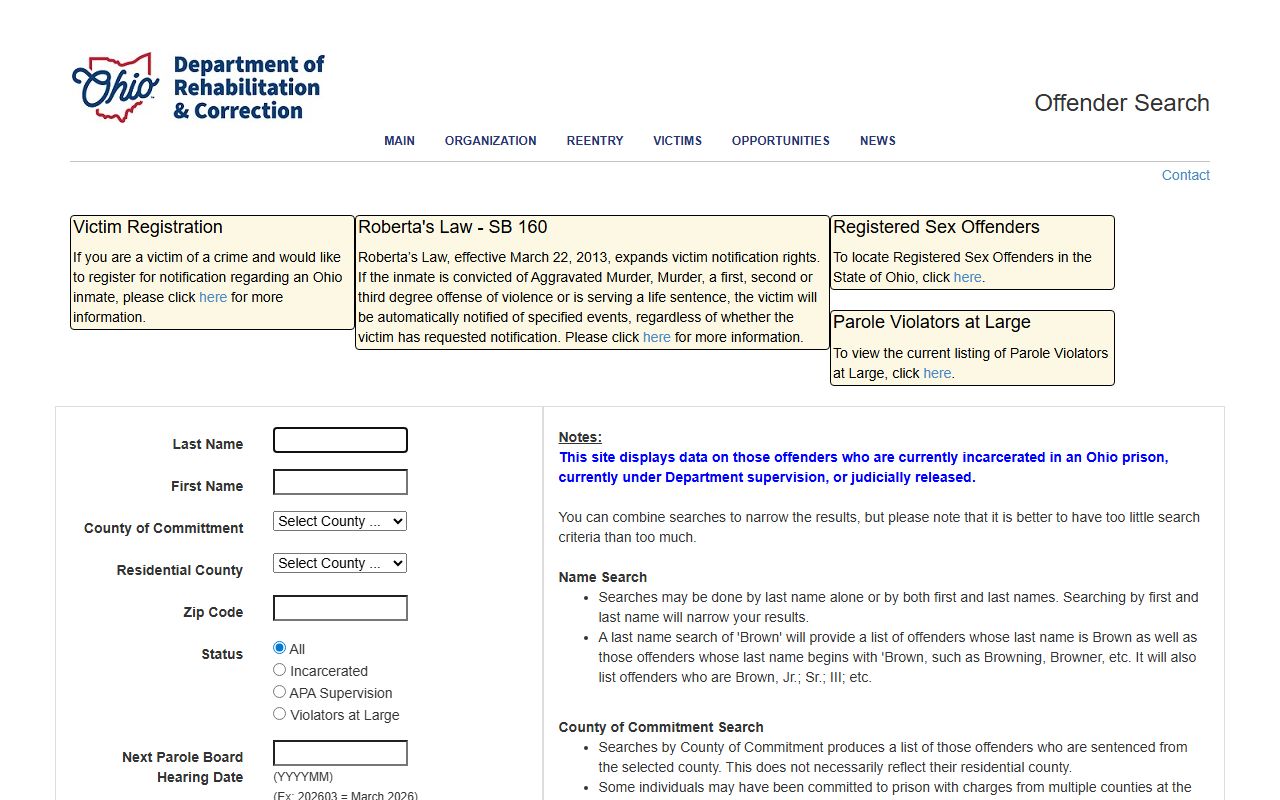
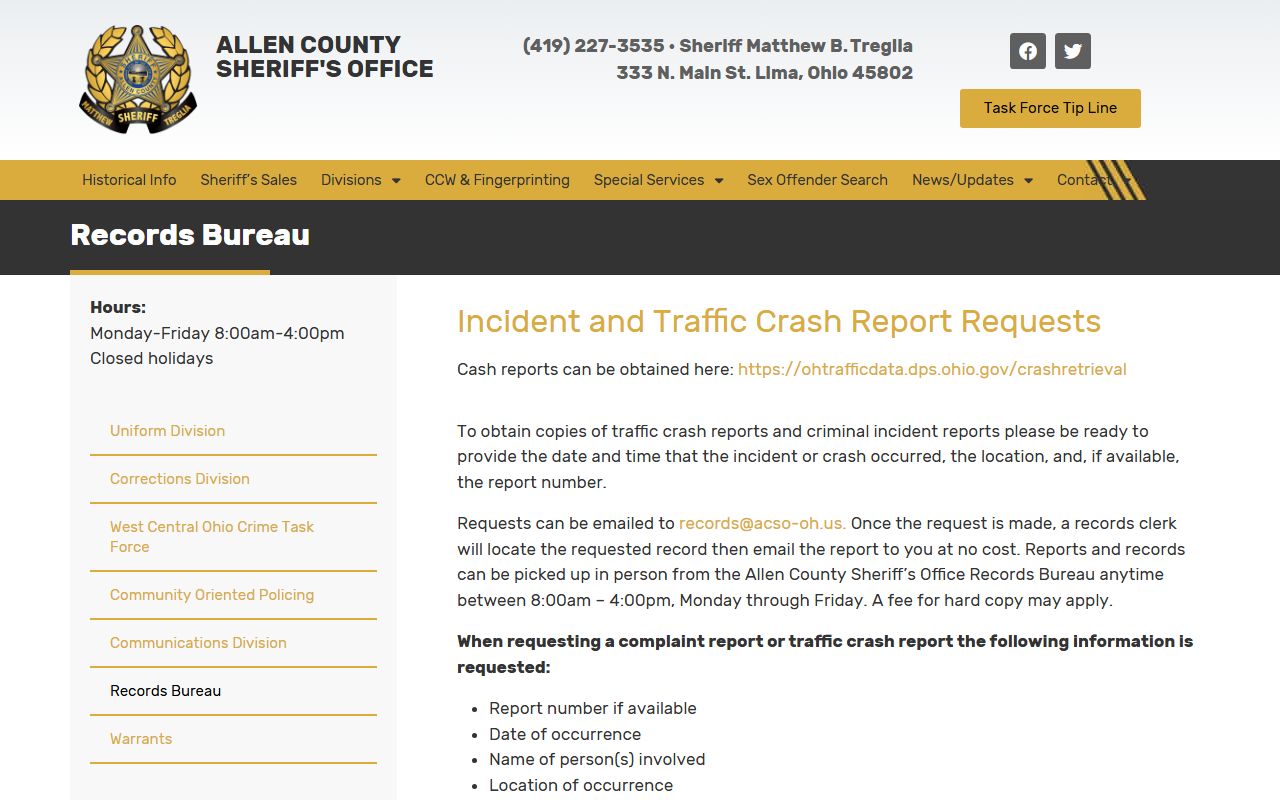
Finding public arrest records in Ohio requires an understanding of state open records laws, local municipal and county jurisdictions, and the technical mechanisms used by law enforcement agencies to publish booking logs. Under the Ohio Public Records Act (Revised Code 149.43), most records kept by public offices are open for inspection and copying, but practical access depends heavily on whether you are querying a county sheriff's department, a municipal police department, or the Ohio Bureau of Criminal Investigation (BCI). This guide details the exact procedures, legal limitations, and technological tools required to successfully locate and interpret public arrest records across Ohio in 2026.
Legal Framework of Ohio Public Records and Arrest Documentation
The foundational statute governing public access to government records in Ohio is the Ohio Public Records Act. This law establishes a presumption of openness for records maintained by public bodies, which explicitly includes county sheriffs, municipal police departments, and the courts. However, "arrest records" do not exist as a single unified file in Ohio; rather, they are a collection of documents generated at different stages of an interaction with the criminal justice system.
When an individual is taken into custody, law enforcement agencies typically generate initial incident reports, booking logs, and jail intake sheets. Under Ohio law, these immediate booking records and daily jail logs are generally considered public records upon creation. Conversely, investigative records, confidential law enforcement investigatory records (CLEIR), and unredacted juvenile files are legally exempt from mandatory disclosure.
Important Legal Distinction: While initial arrest logs and jail rosters are publicly accessible, an arrest record is distinct from a conviction record or a complete criminal history background check. An arrest alone does not imply guilt, and records of arrests that did not result in a conviction may be subject to sealing or expungement under expanded Ohio eligibility rules.
Step-by-Step Methodology for Locating Ohio Arrest Information
Conducting an effective search for public arrest records in Ohio involves navigating a decentralized network of local government databases. Because Ohio lacks a single, centralized statewide police booking portal for live daily arrests, researchers must target the specific jurisdiction where the incident occurred or where the individual was booked.
Phase 1: Identifying the Correct Jurisdiction
Before running any digital or physical search, pinpoint the precise geographic location of the arrest.
- Determine if the arresting agency was a municipal police department (e.g., Columbus Division of Police, Cleveland Division of Police, Cincinnati Police Department) or a county sheriff's office (e.g., Franklin County Sheriff, Cuyahoga County Sheriff, Hamilton County Sheriff).
- Check the county jail roster where the individual was physically booked and housed immediately following the arrest.
- Identify the municipal or common pleas court associated with the locality to track subsequent arraignment and docket filings.
Phase 2: Accessing County Jail Rosters and Sheriff Databases
Most major Ohio counties maintain online inmate search tools and daily booking logs updated in real time or on an hourly basis.
- Navigate to the official website of the county sheriff's office in question (e.g., Franklin, Cuyahoga, Hamilton, Montgomery, or Summit County).
- Locate the "Inmate Lookup," "Jail Roster," or "Current Detainees" portal.
- Input the legal first and last name, and if known, the booking date or date of birth.
- Review the returned results, which typically display booking charges, bond amounts, case numbers, and physical descriptions.
Phase 3: Utilizing Municipal Police Department Records
If an individual was arrested by city police and released prior to being transferred to a county jail facility, the primary record will reside with that specific municipal department.
- Submit a formal public records request via email or through the city's designated online public records portal.
- Provide specific identifiers, including the date of the incident, the location, and the full name of the involved party.
- Be prepared for statutory processing times, as Ohio law requires public offices to provide records within a "reasonable period of time," though agencies often fulfill basic log requests within 24 to 72 hours.
Comparison of Ohio Arrest Record Sources and Access Methods
Different entities within the Ohio criminal justice ecosystem offer varying levels of detail, retention periods, and search capabilities. Understanding these differences prevents wasted time and ensures accurate data collection.
| Record Source Type | Primary Agency Level | Accessibility Method | Typical Data Available | Limitations & Exemptions |
|---|---|---|---|---|
| County Jail Rosters | County Sheriff | Online Search Portals, In-Person Terminals | Current bookings, bond amounts, charges, mugshots | Records removed or archived upon release or transfer |
| Police Blotters / Logs | Municipal Police | Department Websites, Public Records Requests | Daily arrest logs, dispatch summaries, basic incident details | Addresses and juvenile details often redacted for privacy |
| Common Pleas Courts | County Judiciary | Online Clerk of Courts Dockets, Public Terminals | Formal criminal charges, case dockets, sentencing outcomes | Expunged or sealed cases are entirely removed from view |
| Statewide BCI Checks | Ohio Attorney General | Fingerprint-Based Submission (Mail or Electronic) | Official statewide criminal history history summary | Requires consent or specific statutory authorization; costs standard processing fees |
Statewide Criminal History Background Checks via Ohio BCI
For comprehensive background screening that goes beyond a local jail booking, individuals and employers rely on the Ohio Bureau of Criminal Investigation (BCI), a division of the Ohio Attorney General's office. Unlike local jail searches that focus exclusively on recent or active detentions, BCI background checks compile fingerprint-supported criminal histories from courts and law enforcement agencies across all 88 Ohio counties.
To obtain an official BCI background check:
- Locate an authorized WebCheck provider in your area, typically hosted at county sheriff's offices, local police departments, or commercial civil fingerprinting service centers.
- Complete the required background check authorization form, specifying whether a BCI check (state-only) or an FBI check (federal) is required.
- Provide valid government-issued photo identification and submit to digital live-scan fingerprinting.
- Pay the statutory processing fee, which covers state and federal database comparisons. Results are typically mailed to the designated recipient or transmitted electronically within a few business days.
Common Obstacles and Troubleshooting Tips in Ohio Records Searches
Searching for public records in Ohio occasionally presents administrative hurdles. Knowing how to overcome these common obstacles ensures a more efficient search process.
- Common Names and Ambiguous Results: Searching for common surnames in populous counties like Franklin or Cuyahoga can yield dozens of identical matches. Always cross-reference middle names, dates of birth, or known residential zip codes to verify identity.
- Sealed and Expunged Records: Under Ohio law, individuals who have been rehabilitated or whose charges were dismissed may petition the court to seal or expunge their records. Once sealed, these records are legally treated as if they never occurred, and public search engines or county websites are legally barred from displaying them.
- Third-Party Data Aggregator Inaccuracies: Numerous commercial background check websites harvest public jail logs and republish them independently. These third-party sites frequently feature outdated, uncorrected, or un-updated information regarding dismissals and expungements. Always verify findings directly through official county clerk of courts dockets or sheriff department portals.
Frequently Asked Questions About Ohio Public Arrest Records
Are mugshots considered public records in Ohio?
Yes, mugshots and booking photos taken by county and municipal law enforcement agencies are generally considered public records under the Ohio Public Records Act and are accessible via jail rosters or public records requests. However, some municipal departments have adopted internal policies limiting the routine publication of mugshots online to protect unconvicted individuals from permanent digital footprint damage, provided the release does not serve a legitimate law enforcement purpose.
How long do arrest records remain visible online in Ohio?
County jail rosters typically display individuals who are currently detained or were booked within a recent window (e.g., the past 30 to 90 days), after which active online jail records are archived internally. However, court case dockets and felony filings remain permanently accessible through county Clerk of Courts online search portals unless the underlying case is officially sealed or expunged by a judge.
Can an employer in Ohio see an arrest that did not lead to a conviction?
Under Ohio "Ban the Box" and state employment regulations, public employers and many private entities utilize official BCI fingerprint background checks. While an arrest without a conviction may appear on a raw criminal history report, employment screening standards and the Fair Credit Reporting Act (FCRA) place strict limitations on how far back non-conviction arrest data can be reported or utilized in hiring decisions, typically prohibiting reporting non-convictions older than seven years in certain contexts.
How do I request an arrest record from a local police department in person?
You can visit the records division of the specific municipal police department or county sheriff's office during standard business hours and submit a written or verbal public records request. While agencies cannot legally require you to state your identity or the reason for your request, providing exact dates, incident numbers, and full names will significantly speed up retrieval times.
What is the difference between a police incident report and an arrest record?
A police incident report documents the initial details of a reported crime or call for service as observed or investigated by responding officers, whereas an arrest record specifically documents the apprehension, booking, and formal charges brought against a detained suspect. Both are public records in Ohio, though incident reports often require more extensive redaction to protect victim privacy and ongoing investigative integrity.
To conduct a secure, official search of current jail rosters or to initiate a formal public records request, visit the official website of your target Ohio county sheriff's office or municipal court clerk today.