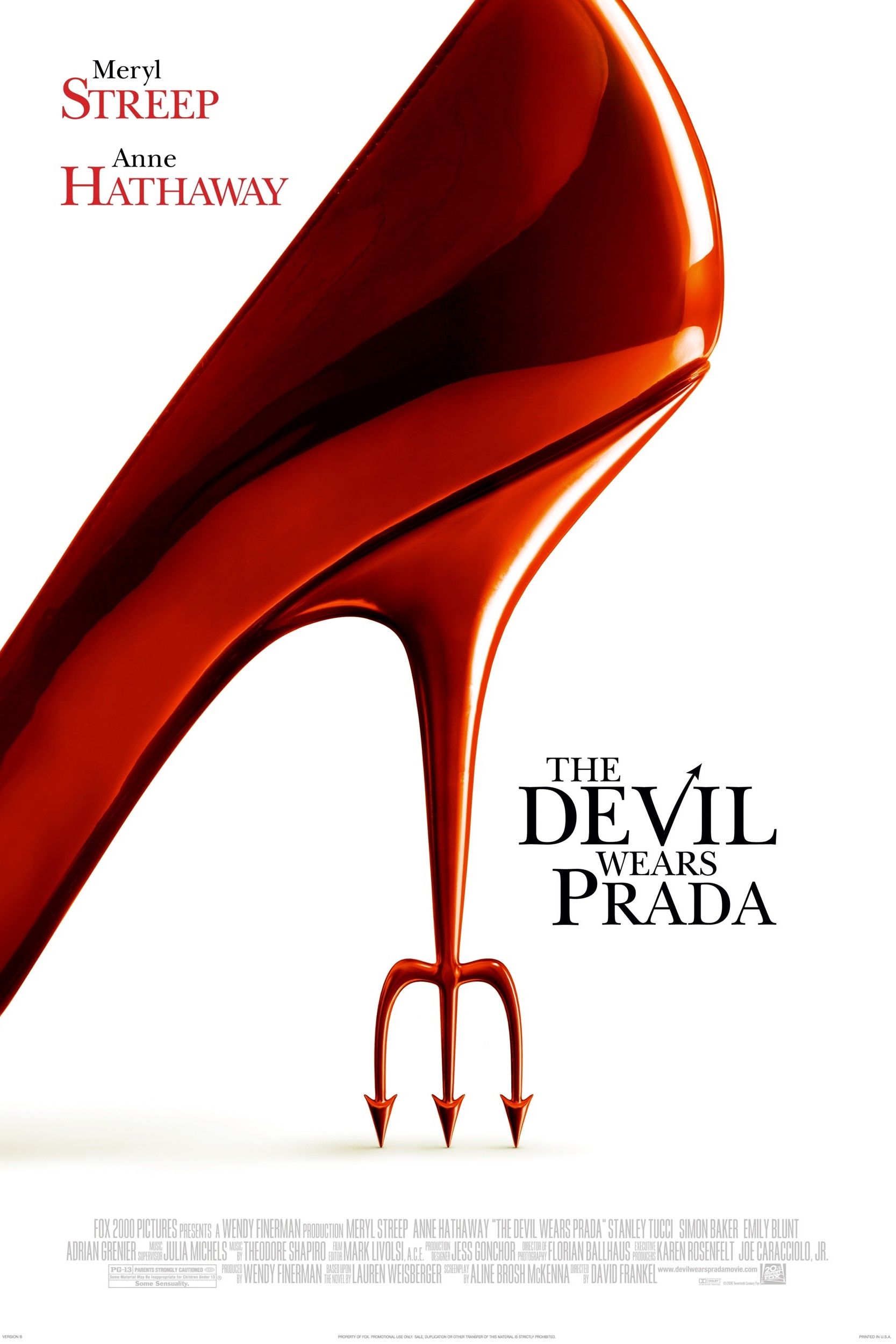
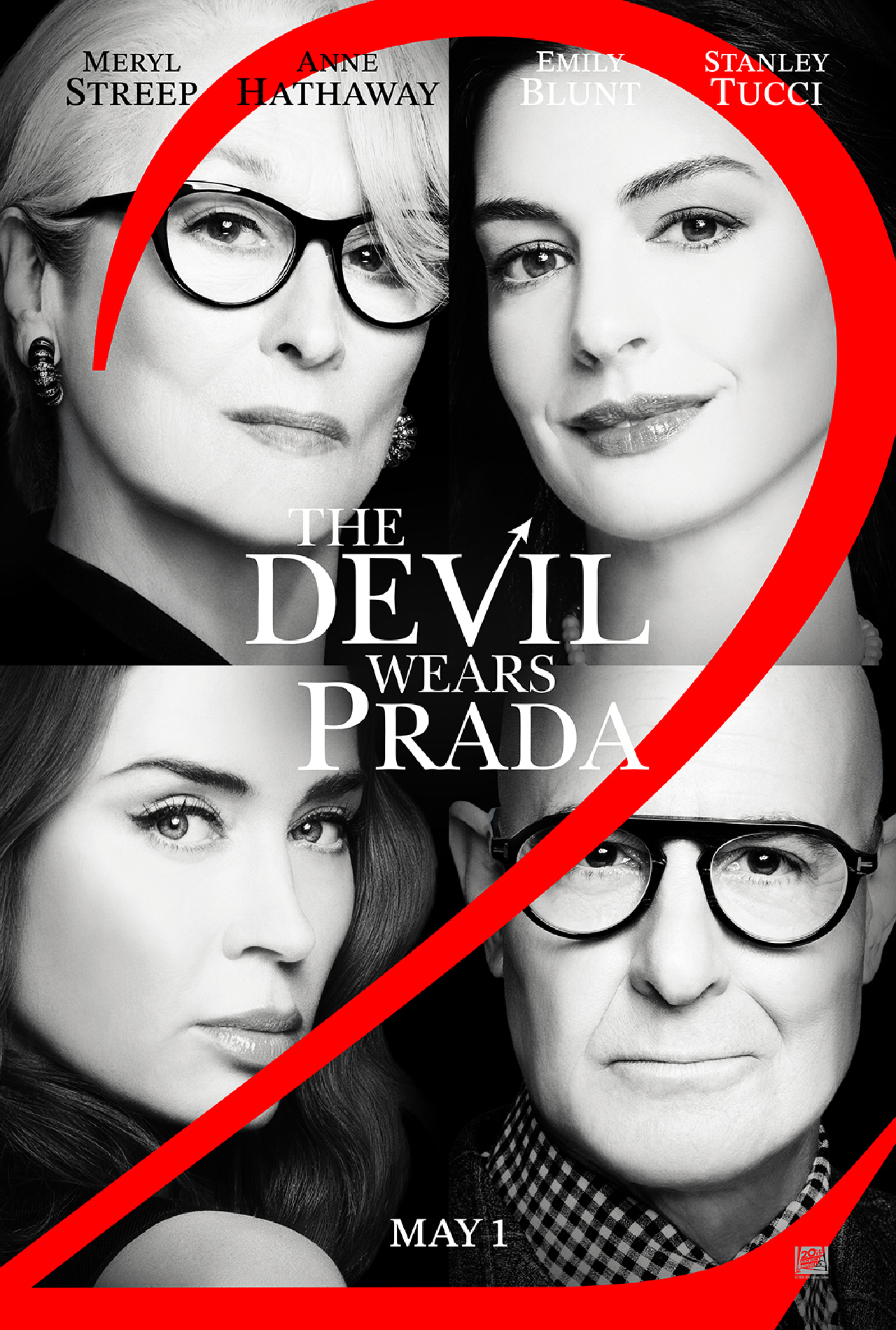
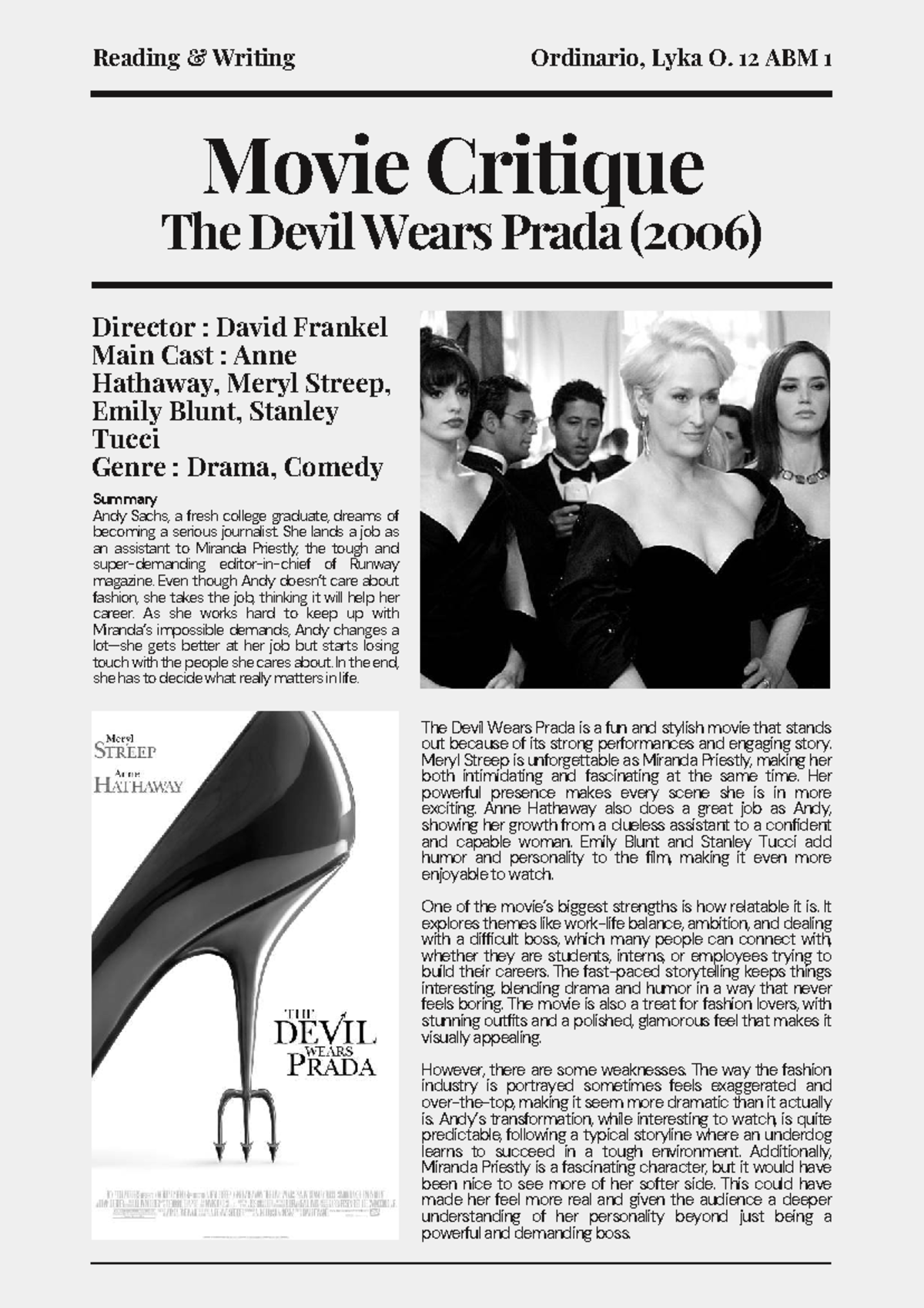
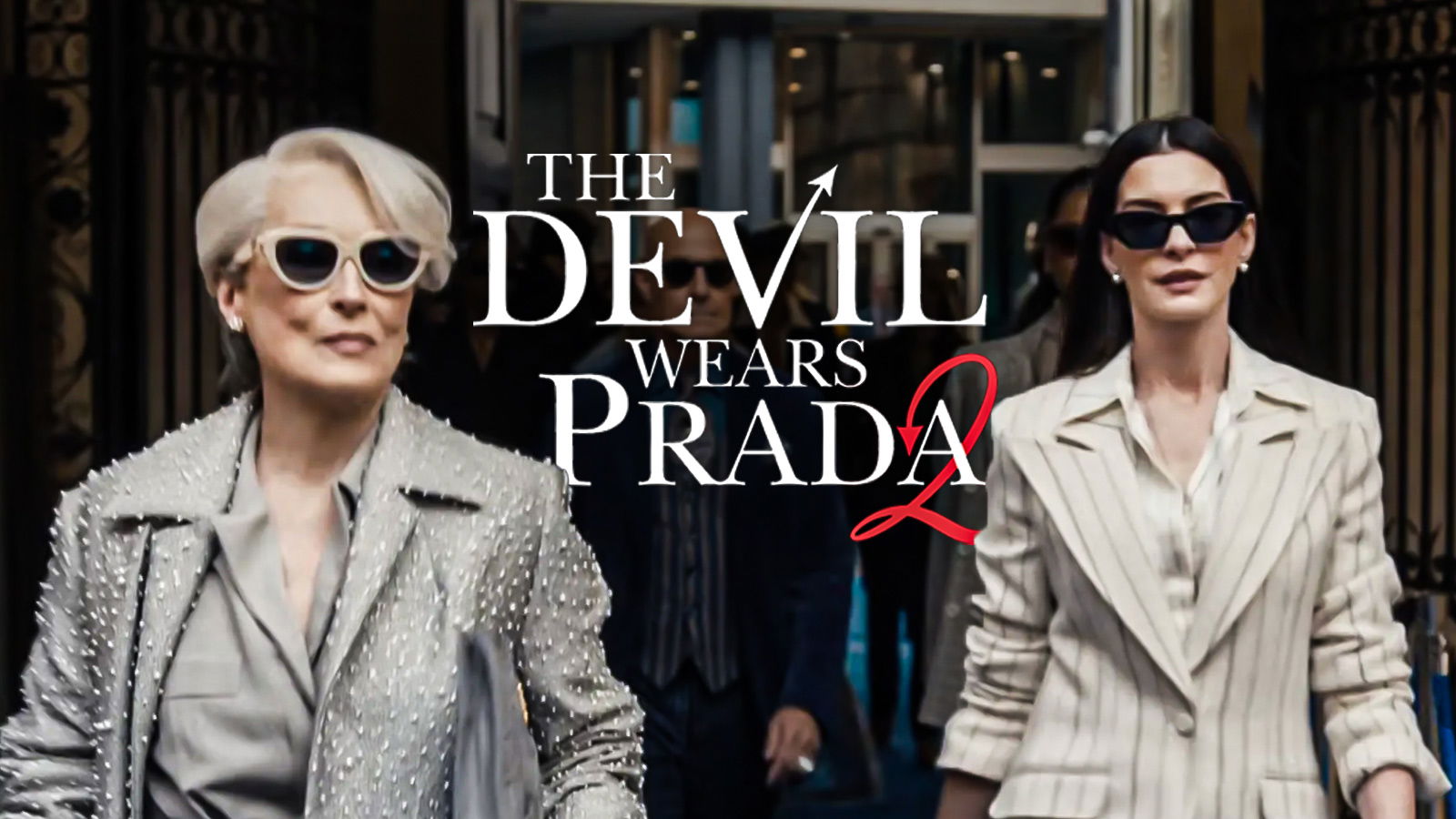
The Devil Wears Prada explores the ruthless hierarchical structures of the global fashion industry through the eyes of Andrea Sachs, an aspiring journalist working under the formidable editor Miranda Priestly. The narrative reveals how institutional power is maintained through rigid gatekeeping, the commodification of personal identity, and a culture of extreme professional deference that prioritizes brand prestige over individual well-being.
Summary of The Devil Wears Prada: The Narrative Arc
The story, primarily known through Lauren Weisberger’s 2003 novel and its iconic 2006 film adaptation, follows Andrea "Andy" Sachs, a recent Northwestern University graduate with "serious" journalistic ambitions. Despite her disdain for the superficiality of fashion, she secures a position as the junior personal assistant to Miranda Priestly, the editor-in-chief of Runway magazine. The role is famously described as a job that "a million girls would kill for," serving as a prerequisite for any future career in high-end publishing.
Andy’s journey is one of gradual assimilation. Initially, she views her coworkers—the "Clackers," named for the sound of their stilettos—with intellectual superiority. However, the relentless pressure of Miranda’s demands forces a transformation. Under the guidance of art director Nigel, Andy adopts the aesthetic standards of the industry, trading her sensible loafers for Chanel boots. As she becomes more competent, she displaces Miranda’s first assistant, Emily, and is invited to the prestigious Paris Fashion Week.
The climax occurs in Paris, where Andy witnesses the cold-blooded nature of industry power. To protect her own position, Miranda sacrifices Nigel’s career advancement, proving that loyalty is secondary to institutional survival. Recognizing that she is becoming a mirror image of her boss—prioritizing professional climbing over personal ethics—Andy famously discards her work phone into a fountain and walks away from Elias-Clarke (the fictional publishing house), reclaiming her original identity but carrying the hard-won "polish" of her experience.
Analysis of Fashion Industry Power Structures
To understand the enduring relevance of The Devil Wears Prada in 2026, one must look past the handbags and haute couture to the underlying sociopolitical structures. The fashion industry, as depicted in the text, operates as a microcosm of late-stage capitalism, where power is centralized, vertical, and absolute.
The Gatekeeper Model and Dictatorial Leadership
Miranda Priestly is the personification of the industry Gatekeeper. In the mid-2000s landscape, power was not decentralized through social media; it was concentrated in the hands of a few editors-in-chief who decided what was "in" and what was "out."
Miranda’s power is exercised through:
- Aesthetic Validation: Her "nod" or "purse of the lips" can make or break a designer’s entire collection, representing the power to control market success through subjective taste.
- Information Asymmetry: She thrives on knowing things others do not, and she expects her assistants to anticipate her needs before they are even articulated.
- The Cult of Personality: The fear she inspires is a tool for maintaining order. By making herself inaccessible and unpredictable, she ensures that her subordinates are in a constant state of hyper-vigilance.
The "Cerulean" Monologue: The Trickle-Down Effect
One of the most significant analytical moments in the film is Miranda’s explanation of the color "cerulean." When Andy scoffs at the idea of two identical-looking belts, Miranda traces the lineage of Andy’s "lumpy blue sweater" back to a 2002 collection by Oscar de la Renta.
This speech illustrates the top-down power structure of global commerce. It argues that even those who believe they are "outside" of the fashion industry are subjects of it. Power in fashion is not just about selling clothes; it is about the structural imposition of choices upon the masses. The elite determine the aesthetic language, which then filters through department stores to the clearance racks, eventually reaching the "unfashionable" consumer.
The Hierarchy of Labor and the Assistant Class
The power structure of Runway relies on a tiered labor system that borders on the exploitative. In this environment, the "Assistant" is not merely a job title but a social caste.
Professional Deference and Emotional Labor
The junior assistant (Andy) and senior assistant (Emily) exist in a state of permanent availability. The power structure demands that their personal lives—relationships, health, and family—be subordinated to the needs of the magazine. This is a hallmark of "prestige industries," where the high supply of eager talent allows management to enforce extreme work conditions.
The structure maintains itself through:
- The Promise of Future Access: The grueling labor is framed as a "test." If one survives a year with Miranda, they are granted entry into any publication of their choosing.
- Horizontal Hostility: Power is maintained by pitting subordinates against each other. Emily’s resentment of Andy prevents them from forming a collective front against Miranda’s demands.
- Performative Perfection: Assistants are required to look a certain way (the "Size 0" culture), emphasizing that in this power structure, the body itself is a tool of the brand.
Comparison of Power Dynamics: Novel vs. Film
| Element | The Novel (2003) | The Film (2006) |
|---|---|---|
| Miranda’s Motivation | Portrayed as more overtly sadistic and personally vindictive. | Portrayed as a pragmatic, brilliant professional in a male-dominated field. |
| Andy’s Transformation | Focuses more on her psychological breakdown and bitterness. | Focuses on her professional competence and aesthetic evolution. |
| Ending Resolution | Andy screams at Miranda and is fired, ending on a note of total bridges burned. | Andy quits on her own terms, earning a grudging respect from Miranda. |
| The Role of Fashion | Seen largely as a frivolous, toxic burden throughout. | Acknowledged as a high-stakes, multi-billion dollar art form. |
The Visual Rhetoric of Power
In the fashion industry, visual presentation is a currency. The power structures are reinforced by the specific "uniforms" worn by the characters. Miranda’s fur coats and impeccably tailored suits are her armor, signaling her status and invulnerability. Andy’s initial refusal to participate in this visual language is interpreted by the power structure as a lack of respect and intelligence.
Nigel’s character serves as the "Architect of Transformation." He understands that to gain power within the structure, one must first master its visual dialect. By transforming Andy, he isn't just giving her a makeover; he is giving her the tools to be taken seriously within the Elias-Clarke hierarchy. This suggests that in certain industries, meritocracy is a myth unless it is accompanied by the correct aesthetic signifiers.
Modern Evolution: The Industry in 2026
From the perspective of 2026, the power structures depicted in The Devil Wears Prada have undergone significant shifts, yet the core dynamics remain. The rise of influencer culture and direct-to-consumer marketing has eroded the "Editor-as-God" model. However, the institutional prestige of legacy brands still dictates the global fashion calendar.
The "Miranda Priestly" archetype has evolved. While the overt "diva" behavior is less socially acceptable in a post-labor-rights-conscious era, the demand for absolute brand loyalty and the "always-on" digital work culture have replaced the physical demands of the 2000s. The gatekeepers have moved from magazine covers to algorithm-driven platforms, but the barrier to entry remains high, and the "Assistant Class" still faces significant hurdles regarding pay equity and work-life balance.
Frequently Asked Questions
Is Miranda Priestly based on a real person?
Yes, it is widely accepted that the character is based on Anna Wintour, the long-time editor-in-chief of Vogue. Lauren Weisberger, the author of the novel, worked as Wintour’s personal assistant, and many of the anecdotes in the book are inspired by that experience. While Wintour has never officially confirmed the connection, she famously wore Prada to the film’s premiere, acknowledging the cultural phenomenon with characteristic stoicism.
What is the significance of the "Cerulean" speech?
The "Cerulean" speech is significant because it dismantles the illusion of individual choice in consumerism. It explains that the fashion industry's power structures are so pervasive that even a person who thinks they are ignoring fashion is actually wearing a garment that was selected for them by a room of elite designers and editors years prior. It highlights the invisible influence of the industry on the global economy.
Why does Andy throw her phone into the fountain at the end?
The phone represents Andy’s tether to Miranda and the toxic power structure of Runway. By discarding it, she is performing a symbolic act of liberation. It signifies her realization that no amount of professional success is worth the loss of her integrity and personal identity. It is the moment she chooses her own values over the "million-dollar job."
Does the film accurately portray the fashion industry?
While the film uses satire and hyperbole for dramatic effect, many industry veterans have noted that its portrayal of high-pressure environments, the importance of "the look," and the rigid hierarchy is rooted in reality. However, the industry has become more collaborative and less "dictatorial" since the mid-2000s, partially due to the democratizing effect of social media.
What is the central theme of The Devil Wears Prada?
The central theme is the cost of ambition and the conflict between personal values and professional success. It examines how institutional power can reshape an individual’s identity, forcing them to decide whether they are willing to become the very thing they once looked down upon in order to reach the top.
Practical Recommendation: Navigating Modern Power Structures
For professionals entering high-prestige industries in 2026, The Devil Wears Prada serves as a cautionary tale rather than a manual. While the grit and work ethic Andy develops are valuable, the modern workplace places a higher premium on psychological safety and sustainable productivity.
When navigating a hierarchical structure:
- Establish Boundaries Early: The "always-on" culture is a choice that can lead to burnout. Define your availability clearly.
- Identify Mentors vs. Enablers: Seek leaders who want to grow your career (like Nigel’s better moments) rather than those who simply want to use your labor to sustain their own status.
- Master the "Visual Dialect" Without Losing Yourself: Understand the codes of your industry, but ensure they remain a tool you use, rather than a mask that consumes your identity.