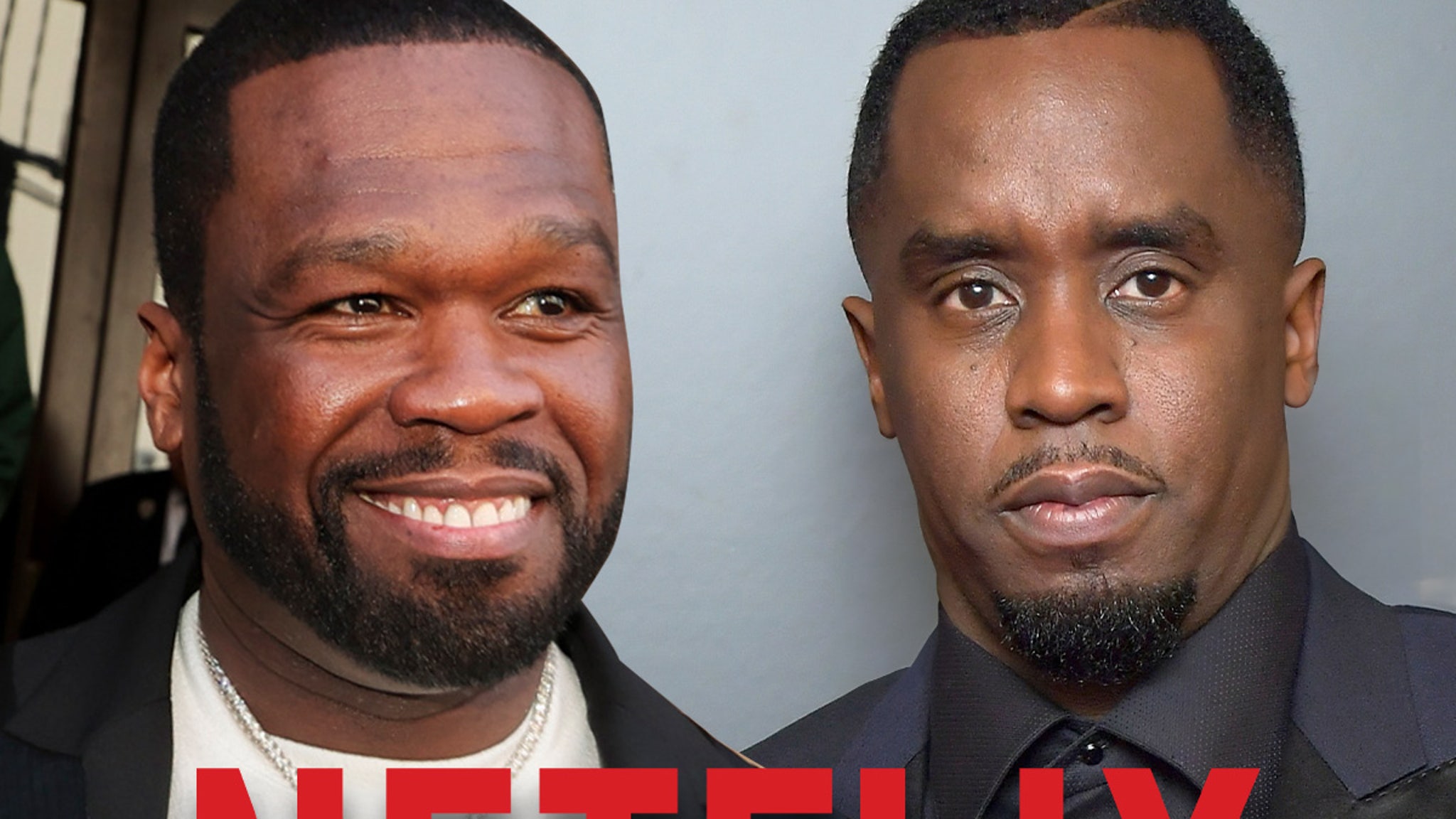
Curtis "50 Cent" Jackson’s documentary series on Sean "Diddy" Combs, produced for Netflix, provides a comprehensive investigative look into decades of allegations involving sexual assault, racketeering, and sex trafficking. The film chronicles Combs’ rise as a music mogul alongside the harrowing testimonies of survivors and the 2024 federal investigation.
The landscape of the music industry shifted significantly following the federal indictment of Sean Combs in late 2024. While news outlets provided daily updates during the height of the legal proceedings, the documentary produced by G-Unit Film & Television offers a deeper, structured exploration of the systemic issues that allowed these alleged behaviors to persist for decades. As we look at the project in 2026, it stands as a definitive record of a "reckoning" within hip-hop culture, moving beyond social media headlines to present a sober, evidence-based narrative.
The Origins of the Project: 50 Cent’s Longstanding Crusade
The documentary is not merely a reaction to the 2024 arrests; it is the culmination of years of public antagonism between Curtis Jackson and Sean Combs. For over a decade, 50 Cent utilized his social media platforms to "troll" Combs, often making cryptic or overt references to the alleged "Freak Offs" and other illicit activities long before they became matters of federal record.
When the project was first announced in late 2023, following the lawsuit filed by Casandra "Cassie" Ventura, many viewed it as a continuation of a celebrity "beef." However, as G-Unit Film & Television began partnering with established documentary filmmakers and eventually secured a distribution deal with Netflix, the tone shifted from personal rivalry to professional investigative journalism. 50 Cent clarified that the goal was to give a voice to the voiceless and provide a platform for survivors, rather than simply settling a score.
The involvement of director Alexandria Stapleton was a turning point for the project’s credibility. By bringing in a filmmaker known for nuanced storytelling, the docuseries moved away from 50 Cent’s aggressive social media persona and toward a standard of documentary ethics that prioritized fact-finding and victim testimony.
Key Content: What the Documentary Specifically Covers
The documentary is structured to guide viewers through the timeline of Combs’ career, contrasting his public image as a philanthropic "Bad Boy" with the private allegations that eventually led to his downfall.
The Cassie Ventura Lawsuit and the 2016 Video
The film places the November 2023 lawsuit by Cassie Ventura as the catalyst for the modern collapse of Diddy’s empire. It covers the details of the lawsuit—which alleged years of physical abuse and sex trafficking—and the swift settlement that followed. Crucially, the documentary analyzes the 2016 Intercontinental Hotel surveillance footage released in 2024, which showed Combs physically assaulting Ventura. This segment focuses on the psychological impact of the video on the public and the industry, serving as the "smoking gun" that made the allegations impossible to ignore.
The Federal Investigation and 2024 Raids
A significant portion of the series is dedicated to the Homeland Security Investigations (HSI) raids on Combs’ properties in Los Angeles and Miami in March 2024. The film uses never-before-seen angles and interviews with legal experts to explain what federal agents were looking for, including electronic evidence of "Freak Offs"—elaborate sexual performances that prosecutors alleged were coerced and recorded.
The Racketeering and Sex Trafficking Indictment
The latter half of the series breaks down the specific counts in the federal indictment unsealed in September 2024. This includes:
- Racketeering Conspiracy: How Combs allegedly used the "Combs Enterprise" (including Bad Boy Entertainment) to facilitate criminal activity.
- Sex Trafficking by Force, Fraud, or Coercion: Detailed accounts of how victims were allegedly groomed and transported across state lines.
- Transportation for Purposes of Prostitution: The logistics of the alleged parties and the role of "facilitators" in Combs’ inner circle.
Historical Allegations and the "Culture of Silence"
The documentary does not stop at the 2024 events. It delves into the 1990s and 2000s, interviewing former Bad Boy Records employees, security personnel, and industry insiders who describe an environment of intimidation. It addresses long-standing rumors, including the 1999 Club New York shooting and the mysterious circumstances surrounding various industry figures, contextualizing them within the broader narrative of Combs’ alleged abuse of power.
Why the Film Matters: The Industry Impact
The significance of 50 Cent’s documentary extends far beyond the specific legal troubles of Sean Combs. It represents a paradigm shift in how the entertainment industry handles internal misconduct.
Breaking the "No Snitching" Culture
For decades, the hip-hop industry has been governed by an unwritten code of silence. This documentary is credited with helping to dismantle that culture. By featuring interviews with prominent figures who were previously afraid to speak out, the film demonstrates that the fear of "blackballing" or physical retaliation is being outweighed by the demand for accountability.
Corporate Accountability and Sponsorships
The documentary explores how major brands and corporate entities reacted to the allegations. It examines the "mass exodus" of partners from Combs’ projects, including the cancellation of his reality shows and the severance of ties with luxury brands. This serves as a case study for how modern corporations manage risk when a high-profile associate faces criminal charges of this magnitude.
Philanthropic Intent
50 Cent publicly committed that the proceeds from the documentary would be used to support survivors of sexual assault and sex trafficking. In 2026, this move is viewed as a strategic but impactful gesture that differentiated the project from "tragedy porn" or exploitative media. By reinvesting the profits into victim services, the production sought to align itself with the #MeToo movement’s goals.
Comparison of Key Events and Documentary Focus
The following table outlines the timeline of events covered in the documentary and the focus of the film's analysis.
| Date | Key Event | Documentary Focus/Angle |
|---|---|---|
| Nov 2023 | Cassie Ventura Lawsuit | The "Dam Break": How one lawsuit opened the floodgates for multiple others. |
| Mar 2024 | HSI Raids (LA & Miami) | Logistics of the investigation and the visual impact of federal intervention. |
| May 2024 | 2016 Surveillance Video | Verification of physical abuse and the end of the "reputation management" era. |
| Sept 2024 | Federal Arrest in NYC | The legal transition from civil lawsuits to criminal prosecution for racketeering. |
| Late 2024 | Additional Civil Suits | The pattern of "victim grooming" and the systemic nature of the alleged abuse. |
Production Details and Directorial Vision
The choice of Alexandria Stapleton as director was intentional to ensure the film maintained a journalistic distance. While 50 Cent provided the resources and the initial "in" into the world of Bad Boy, Stapleton focused on the survivors. The production team reportedly spent hundreds of hours vetting sources and corroborating stories with court documents.
The documentary also features a diverse array of perspectives, including:
- Legal Analysts: Explaining the complexities of the RICO Act (Racketeer Influenced and Corrupt Organizations) and why it was applied to a music mogul.
- Psychologists: Discussing the trauma of survivors and why many victims wait decades to come forward.
- Cultural Historians: Placing Combs’ rise and fall within the context of the evolution of hip-hop from a counter-culture movement to a multi-billion-dollar global industry.
Potential Controversies and Hurdles
The production of the documentary was not without challenges. During its filming, legal teams for Sean Combs reportedly issued various warnings regarding the use of copyrighted material and the potential for defamation. However, because much of the film’s content is based on unsealed federal indictments and public court filings, the production remained protected under the First Amendment and fair use doctrines.
Furthermore, some critics initially questioned whether 50 Cent was the right person to shepherd this story, given his history of making light of the situation on social media. The documentary addresses this head-on, with Jackson acknowledging his public persona while emphasizing the seriousness of the evidence gathered during the investigative process.
Frequently Asked Questions
Where can I watch 50 Cent’s documentary about Diddy?
As of 2026, the docuseries is available for streaming on Netflix. After a significant bidding war between several major platforms, Netflix secured the rights to the G-Unit Film & Television production, making it available to a global audience.
Is the documentary biased because of 50 Cent’s rivalry with Diddy?
While 50 Cent is the executive producer, the film was directed by Alexandria Stapleton, who focused on objective reporting and victim testimony. The series relies heavily on federal indictments, court-admitted evidence, and first-hand accounts from survivors, which helps mitigate concerns about personal bias.
Who is interviewed in the film?
The documentary features interviews with several of the individuals who filed civil lawsuits against Combs, as well as former security guards, Bad Boy Records executives, and investigative journalists. It also includes commentary from legal experts who break down the federal charges.
Does the film cover the 1999 Club New York shooting?
Yes, the docuseries examines historical incidents to show what prosecutors described as a long-standing pattern of intimidation. It revisits the 1999 shooting and the subsequent trial, providing context on how Combs navigated the legal system in the past.
Are the proceeds from the documentary really going to charity?
Curtis "50 Cent" Jackson stated during the project's development that proceeds from the documentary would be donated to organizations that support victims of sexual assault. This was part of a public effort to ensure the project was seen as an act of advocacy rather than just entertainment.
Final Recommendation
For those seeking to understand the collapse of one of the most powerful figures in music history, the 50 Cent-produced documentary on Netflix is essential viewing. It is recommended that viewers approach the series as a forensic look at power dynamics and institutional failure rather than simple celebrity gossip.
The film serves as a cautionary tale for the industry, highlighting the necessity of corporate transparency and the protection of artists and staff from predatory behavior. To get the most out of the experience, viewers should cross-reference the documentary with the actual federal indictment documents to see how the testimonies in the film align with the legal charges brought by the Southern District of New York.