Understanding the foundational elements of equine ownership requires mastering three core pillars: comprehensive daily care routines, distinct breed characteristics tailored to specific disciplines, and progressive riding techniques that ensure safety and clear communication between horse and rider.
Introduction to Equine Ownership and Management
Embarking on a journey with horses is a deeply rewarding endeavor that requires significant dedication, knowledge, and financial investment. Whether you are looking to understand the broad spectrum of equine anatomy and history or aiming to refine your daily management practices, approaching equine care with structure and diligence is essential. The phrase "50 horses" often represents the diverse landscape of equine types, ranging from nimble ponies and heavy draft animals to agile sport horses. Navigating this world demands an appreciation for equine biology, behavioral psychology, and the practical demands of daily maintenance.
This guide serves as a comprehensive manual for understanding the essentials of horse care, navigating the vast array of global breeds, and establishing safe, effective riding practices. By breaking down each discipline into actionable, verified principles, owners and enthusiasts can ensure long-term well-being for their animals and a fulfilling partnership in the saddle.
Pillar One: Comprehensive Equine Care and Management
Proper care forms the bedrock of equine health. Without consistent management practices, even the most exceptional breed will suffer from preventable ailments. A structured daily routine protects your investment and preserves the animal's quality of life.
Nutrition and Hydration Fundamentals
A horse's digestive system is uniquely sensitive, evolved to graze continuously on fibrous plant material for up to sixteen hours a day.
- Forage Requirements: High-quality grass hay or pasture should constitute the absolute majority of a horse's daily diet, typically calculating to roughly 1.5% to 2% of the horse's body weight in dry matter daily.
- Concentrates and Feeds: Grains and commercial feeds should be used strictly to supplement energy deficits for hard-working horses, growing foals, or lactating mares. Overfeeding concentrates can lead to severe conditions like colic and laminitis.
- Water Access: An adult horse drinks between 5 and 15 gallons of water daily, depending on workload, ambient temperature, and diet. Water must be clean, fresh, and unfrozen during winter months.
Preventive Veterinary Medicine and Farrier Care
Routine veterinary oversight prevents catastrophic health failures. Vaccination schedules vary by region, but standard protocols generally include protection against tetanus, eastern and western equine encephalomyelitis, West Nile virus, and rabies. Deworming programs should be managed through regular fecal egg count tests rather than blanket seasonal dosing to prevent parasite resistance.
Hoof health is encapsulated by the old adage "no foot, no horse." Domesticated horses require professional farrier trimming or shoeing every six to eight weeks. Neglected hooves lead to structural imbalance, joint strain, and chronic lameness.
Housing, Turnout, and Biosecurity
Horses thrive in environments with ample ventilation, natural light, and social contact. Whether kept in pastures with run-in sheds or managed via a combination of stabling and turnout, adequate space is mandatory to prevent stereotypical behaviors like cribbing or weaving. Biosecurity measures—such as isolating new arrivals for a minimum of 21 days—protect existing herds from infectious outbreaks like equine herpesvirus or strangles.
Pillar Two: Exploring the Spectrum of Equine Breeds
With hundreds of recognized equine breeds worldwide, selecting or identifying the right type depends on your specific goals, whether that involves casual trail riding, competitive showing, or agricultural work. Breeds are generally classified into distinct categories based on origin, conformation, and temperament.
Categorizing Equine Breeds
Understanding the structural and temperamental differences across categories helps prospective owners match their skill level with the appropriate animal.
| Breed Category | Average Height (Hands) | Typical Conformation | Primary Uses | Common Examples |
|---|---|---|---|---|
| Light Horses | 14.2 to 17.0 | Refined bone structure, slighter build, agile | Riding, racing, endurance, showing | Thoroughbred, Arabian, Quarter Horse |
| Draft Horses | 16.0 to 19.0+ | Heavy bone density, muscular frame, calm demeanor | Farming, logging, pulling heavy carriages | Percheron, Clydesdale, Belgian |
| Ponies | Under 14.2 | Compact bodies, shorter legs, hardy constitutions | Children’s riding, driving, packing | Shetland, Welsh Pony, Connemara |
| Warmbloods | 15.2 to 17.2 | Athletic build, powerful hindquarters, versatile | Dressage, show jumping, eventing | Hanoverian, Dutch Warmblood, Trakehner |
Selecting the Right Breed for Your Discipline
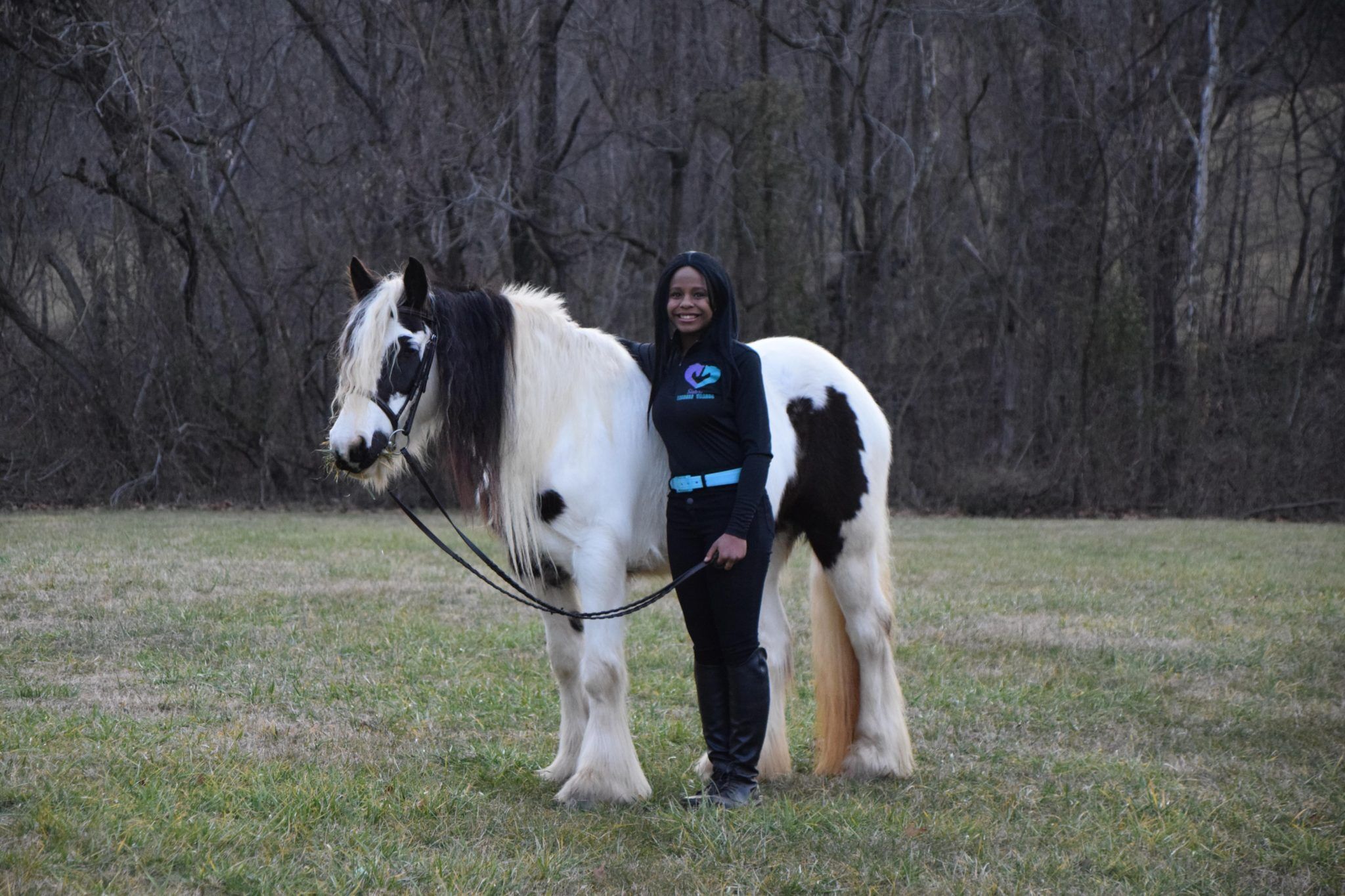
Matching the horse's innate capabilities to the rider's ambitions prevents frustration and injury. For instance, an energetic, hot-blooded Arabian requires an experienced rider comfortable with high responsiveness, whereas a cool-blooded draft cross or a steady Cob often provides a forgiving mount for beginners. Evaluating temperament, energy levels, and historical breed purposes ensures a harmonious pairing.
Pillar Three: Progressive Riding Techniques and Safety
Riding is a physical dialogue between horse and rider, relying on balance, timing, and clear application of aids. Safety must always govern every interaction in the saddle and on the ground.
Essential Safety Protocols
Before swinging your leg over a horse, mitigate risk by verifying equipment integrity and environmental safety.
- Approved Headgear: Always wear an ASTM/SEI-certified equestrian helmet fitted securely to your head.
- Tack Inspection: Routinely check stitching on girths, stirrup leathers, and bridles for fraying or cracking.
- Ground Manners: Ensure the horse yields respectfully to pressure on the ground before mounting. A respectful horse on the ground is generally safer under saddle.
- Environment Check: Avoid riding in compromised footing, extreme weather, or near unexpected traffic sources until both horse and rider are adequately desensitized.
Mastering the Basics: The Three Natural Gaits
Progressive riding instruction focuses on mastering balance across the three primary gaits:
- The Walk: A four-beat rhythm where each hoof hits the ground independently. It is the ideal gait for warming up, cooling down, and navigating rough terrain.
- The Trot: A two-beat diagonal gait characterized by a moment of suspension. Riders can sit the trot or post (rise and sit in rhythm with the diagonal pair of legs) to absorb kinetic energy comfortably.
- The Canter: A controlled, three-beat asymmetrical gait requiring substantial core strength and balance from both horse and rider.
Refining Communication Through Aids
Riders communicate intentions using natural aids: legs, seat, hands, and voice. Artificial aids, such as crops or spurs, should only be used to reinforce natural aids by experienced riders with independent seats. Developing an independent seat—where your weight is centered over your stirrups without relying on the reins for balance—is the single most important milestone in becoming an effective equestrian.
Frequently Asked Questions
How much space does a horse need to live comfortably?
While minimum requirements vary by local zoning laws and climate, a general rule of thumb for pasture-kept horses is a minimum of two acres for the first horse, with an additional acre for each subsequent companion to ensure adequate forage growth and prevent soil erosion. If horses are stalled for part of the day, daily turnout space remains mandatory for physical and mental health.
What is the difference between a hot-blooded, cold-blooded, and warmblood horse?
These terms categorize horses by temperament and origin rather than blood temperature. Hot-blooded horses (such as Arabians and Thoroughbreds) are high-energy, sensitive, and fast. Cold-blooded horses (such as Draft breeds) are calm, heavy, and powerful. Warmbloods are crosses between hot-blooded and cold-blooded types, combining the athletic agility of the former with the calm temperament of the latter.
How often should a horse be fed grain or concentrates?
Most mature horses kept at maintenance or light work do not require grain at all; high-quality forage and a balanced mineral supplement or salt block are sufficient. Horses in moderate to heavy work may receive divided meals of concentrates two to three times a day. Never feed large single portions of grain, as this overwhelms the stomach capacity and triggers colic.
What signs indicate that a horse is experiencing colic?
Colic is a broad term for abdominal pain and constitutes an equine veterinary emergency. Key signs include pawing at the ground, looking repeatedly at the flank, lying down and rolling violently, stretching out as if to urinate, refusing to eat, and exhibiting an elevated heart rate or absent gut sounds. Contact a veterinarian immediately if colic is suspected.
What is the best way to start learning how to ride?
The safest and most efficient path to learning is taking lessons at a reputable, insured riding stable with certified instructors and well-trained school horses. Professional instruction ensures you build correct posture, understand animal behavior, and avoid developing bad habits that can compromise safety.
Conclusion and Next Actions
Mastering equine care, understanding breed distinctions, and refining riding skills requires ongoing education and daily attention to detail. Whether you are preparing to purchase your first equine companion or seeking to deepen your management expertise, start by evaluating your current setup against industry-standard husbandry practices. Schedule a consultation with a local veterinarian and a professional farrier to assess your property and management plan, ensuring a safe, healthy environment for your animals.