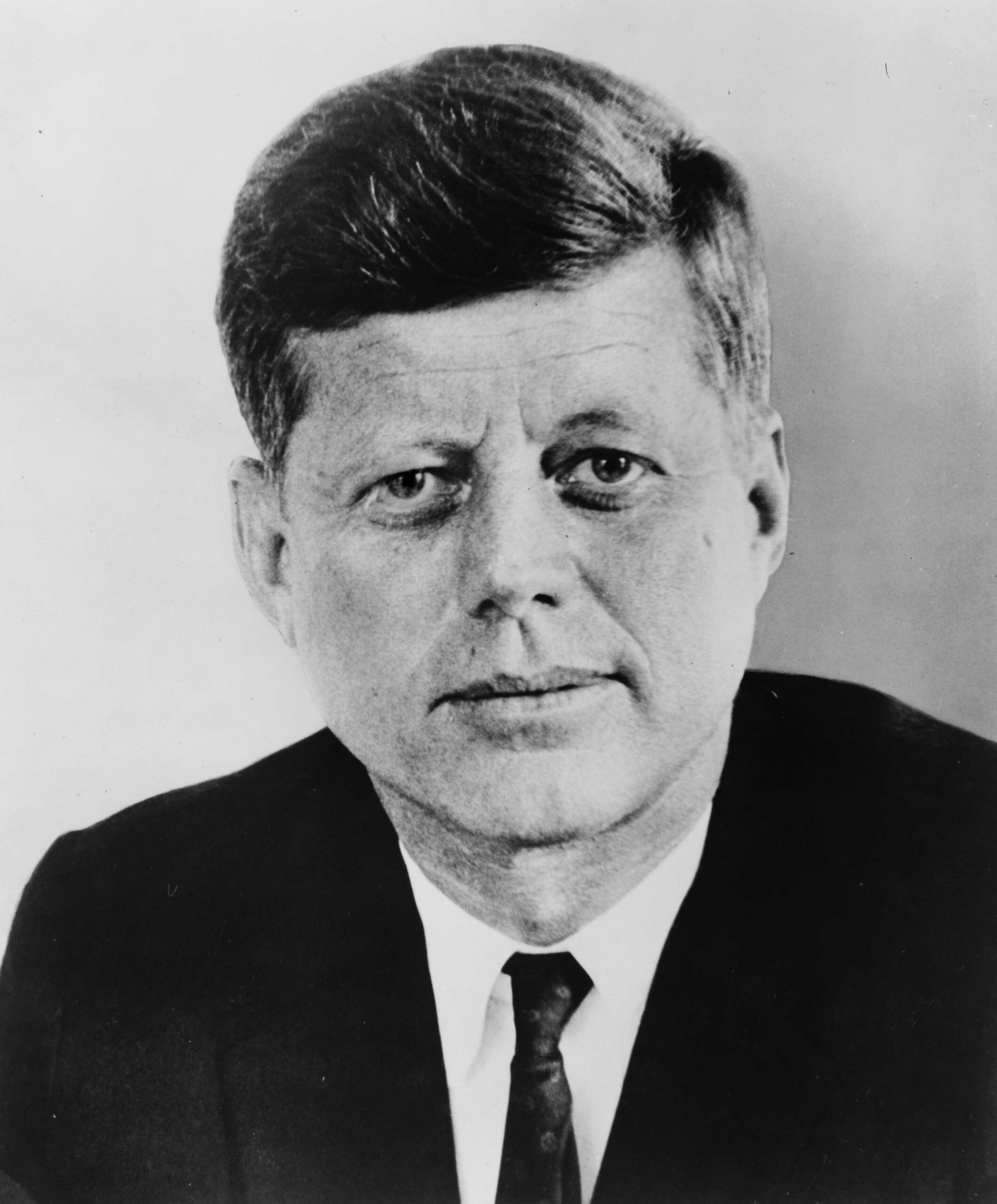
The politics of the 1960s represented a fundamental shift in the American social contract, transitioning from the post-war consensus of the 1950s to an era defined by radical activism, landmark civil rights legislation, and deep ideological polarization. This period saw the expansion of the federal government’s role in social welfare through the Great Society, the escalation and eventual disillusionment of the Vietnam War, and a massive realignment of political parties that continues to influence the landscape in 2026.
The New Frontier and the Kennedy Administration (1960–1963)
The 1960s began with a narrow and historic election that signaled a generational change in leadership. John F. Kennedy’s "New Frontier" was not merely a campaign slogan but a challenge to a new generation of Americans to engage with their government and the world. This era introduced the first televised presidential debates, which fundamentally changed how politics were consumed and how candidates were judged on charisma and appearance rather than just platform.
Kennedy’s domestic agenda focused on economic revitalization, expanded civil rights, and the ambitious goal of reaching the moon. However, his administration was frequently occupied by the heightening tensions of the Cold War. The 1961 Bay of Pigs invasion—a failed attempt to overthrow Fidel Castro in Cuba—and the 1962 Cuban Missile Crisis brought the world to the brink of nuclear war. These events solidified the "containment" policy that would dictate much of the decade's foreign intervention.
On the domestic front, Kennedy was initially cautious regarding civil rights, fearing the loss of support from Southern Democrats. However, the escalating violence against protesters in the South forced a shift. By 1963, Kennedy proposed what would eventually become the Civil Rights Act, framing the issue as a moral crisis rather than just a legal one. His assassination in November 1963 served as a tragic catalyst, leaving his successor, Lyndon B. Johnson, to carry the torch of the New Frontier into a more aggressive era of reform.
Lyndon B. Johnson and the Great Society
Lyndon B. Johnson (LBJ) utilized the national mourning of Kennedy to push through some of the most significant domestic legislation in United States history. His vision, termed the "Great Society," aimed to eliminate poverty and racial injustice. Unlike the incrementalism of the early 60s, LBJ’s approach was expansive and high-speed, utilizing his deep understanding of Senate mechanics to pass a flurry of bills.
The War on Poverty
The Economic Opportunity Act of 1964 established the Office of Economic Opportunity (OEO) and launched programs like Head Start, Job Corps, and VISTA (Volunteers in Service to America). The primary objective was to provide "a hand up, not a handout," focusing on education and vocational training to break the cycle of generational poverty. In 2026, many of these programs remain foundational elements of the American social safety net, though they have undergone various reforms and funding shifts over the decades.
Healthcare Reform
One of the most enduring legacies of 1960s politics is the creation of Medicare and Medicaid in 1965. These programs expanded the Social Security Act to provide health insurance for the elderly and low-income individuals. This move fundamentally shifted the responsibility of healthcare toward the federal government, a point of political contention that has persisted for over sixty years.
The Civil Rights Movement and Legislative Milestones
While the executive and legislative branches were active, the true engine of 1960s political change was the grassroots Civil Rights Movement. The decade began with the sit-in movements and the Freedom Rides, which challenged segregation in the Jim Crow South. The movement’s success relied on a dual strategy of non-violent direct action and legal pressure.
- The Civil Rights Act of 1964: This landmark piece of legislation outlawed discrimination based on race, color, religion, sex, or national origin. It ended unequal application of voter registration requirements and racial segregation in schools, workplaces, and public accommodations.
- The Voting Rights Act of 1965: Perhaps the most effective piece of civil rights legislation, it prohibited racial discrimination in voting, such as literacy tests and poll taxes. It gave the federal government the power to oversee elections in jurisdictions with a history of discriminatory practices.
- The Fair Housing Act of 1968: Passed in the wake of Martin Luther King Jr.’s assassination, this act prohibited discrimination concerning the sale, rental, and financing of housing based on race, religion, national origin, or sex.
These laws did more than change the legal code; they reshaped the American electorate. By enfranchising millions of Black voters in the South, the political map began to shift, leading to the eventual decline of the "Solid South" for the Democratic Party and the rise of the Republican "Southern Strategy."
The Vietnam War and the Erosion of Trust
The 1960s cannot be understood without the shadow of the Vietnam War. What began as a limited advisory role under Eisenhower and Kennedy escalated into a full-scale conflict under Johnson. The 1964 Gulf of Tonkin Resolution granted the President broad powers to use military force without a formal declaration of war, a move that later became a focal point of constitutional debate regarding executive overreach.
As the war dragged on, the "credibility gap" grew between the government’s optimistic reports and the reality of the conflict shown on evening news broadcasts. The 1968 Tet Offensive, while a military failure for the North Vietnamese, was a psychological turning point for the American public. It proved that the war was far from over and that the enemy remained capable of massive, coordinated strikes.
The political fallout was immense. The anti-war movement grew from campus protests to a national phenomenon, uniting various strands of the "New Left." The draft, which disproportionately affected working-class and minority communities, became a primary grievance. This internal strife eventually forced LBJ to announce he would not seek re-election in 1968, effectively ending his "Great Society" ambitions in favor of war management.
1968: The Year of Political Upheaval
The year 1968 is often cited as the most turbulent year in modern American political history. It was a year defined by violence, protest, and a sense that the country was coming apart at the seams.
- Assassination of Martin Luther King Jr. (April): King’s death sparked riots in over 100 cities and signaled a shift in the Civil Rights Movement from non-violent integration toward the more militant "Black Power" movement.
- Assassination of Robert F. Kennedy (June): RFK was seen by many as the only candidate who could bridge the gap between the anti-war youth and the traditional Democratic base. His death left the party in shambles.
- The Democratic National Convention in Chicago (August): Televised images of police beating anti-war protesters outside the convention hall projected an image of a party—and a nation—in chaos.
- The Election of Richard Nixon (November): Nixon campaigned on a platform of "Law and Order," appealing to what he called the "Silent Majority"—those who were not protesting and felt alienated by the radical changes of the decade.
| Key Feature | 1960 Politics | 1969 Politics |
|---|---|---|
| Dominant Ideology | Cold War Liberalism | Polarization / Rise of Neoconservatism |
| Primary Conflict | Civil Rights / Cold War | Vietnam War / Counterculture |
| Voter Focus | Economic growth & space race | Law and order & social stability |
| Party Control | Strong Democratic majority | Fractured Democrats / Rising GOP |
| Federal Role | Expanding social programs | Questioning government efficiency |
The Rise of the Counterculture and Identity Politics
The politics of the 1960s were not confined to Washington D.C. A cultural revolution was underway that sought to redefine the American identity. The "New Left" emerged, focused less on the labor-centric issues of the Old Left and more on civil rights, gay rights, feminism, and environmentalism.
The publication of Betty Friedan’s The Feminine Mystique in 1963 is often credited with sparking the "Second Wave" of feminism. This movement sought equality not just in the voting booth, but in the workplace, the home, and the legal system. Concurrently, the 1969 Stonewall Uprising in New York City marked the beginning of the modern LGBTQ+ rights movement, bringing sexual orientation into the political discourse for the first time.
Environmentalism also took root during this decade, fueled by Rachel Carson’s Silent Spring (1962). The political response led to the creation of the Wilderness Act of 1964 and set the stage for the creation of the Environmental Protection Agency (EPA) in 1970. These movements demonstrated that "the personal is political," a mantra that redefined the scope of government intervention and individual rights.
The Global Context: Decolonization and the Cold War
While much of the focus is on the United States, 1960s politics were global. The decade was the peak of African decolonization, with dozens of nations gaining independence from European colonial powers. This created a "Third World" that became a new playground for Cold War competition between the U.S. and the Soviet Union.
In Europe, 1968 saw the "Prague Spring" in Czechoslovakia—a brief period of political liberalization that was crushed by Soviet tanks—and massive student-worker strikes in France that nearly toppled the government of Charles de Gaulle. These events mirrored the American experience of youth-led rebellion against established hierarchies and the rigid structures of the Cold War era.
Summary of Major Political Shifts
The 1960s began with the hope of the New Frontier and ended with a cynical "credibility gap." The decade successfully dismantled legal segregation and established a robust social safety net, but it also birthed a cultural divide that would define American politics for the next 60 years. The transition from the "Great Society" to the "Silent Majority" represented a shift from collective social ambition to a more defensive, individualistic political posture.
Frequently Asked Questions
What was the "Southern Strategy" in 1960s politics? The Southern Strategy was a Republican Party electoral strategy to increase political support among white voters in the South by appealing to racism against African Americans. It was famously utilized by Richard Nixon in 1968 to flip the traditionally Democratic South toward the GOP, capitalizing on the white backlash against the Civil Rights Movement.
How did the 1960s change the role of the U.S. President? The decade saw a massive expansion of executive power. Through the Gulf of Tonkin Resolution and the various executive orders used to implement Great Society programs, the presidency became more centralized. However, by the end of the decade, the public’s trust in the office had severely declined due to the Vietnam War, leading to later legislative attempts to curb presidential power, such as the War Powers Act of 1973.
Why was 1968 considered the "turning point" of the decade? 1968 saw the collapse of the liberal consensus. The combination of the Tet Offensive, the assassinations of MLK and RFK, and the chaotic Democratic National Convention convinced many Americans that the current system was failing. It paved the way for the conservative resurgence of the 1970s and 80s.
What was the New Left? The New Left was a broad political movement mainly in the 1960s and 1970s consisting of activists in the Western world who campaigned for a broad range of social issues such as civil and political rights, environmentalism, feminism, and gay rights. It differed from earlier leftist movements that were more focused on labor unions and class struggle.
Did 1960s politics actually reduce poverty? Research indicates that LBJ’s War on Poverty had a significant impact. Between 1963 and 1968, the number of Americans living below the poverty line dropped from approximately 22% to 13%. While it did not "eliminate" poverty as LBJ hoped, programs like Medicare and Social Security expansion significantly reduced poverty among the elderly.
Practical Recommendations for Researchers
To truly understand 1960s politics, one must look beyond the legislative record and examine the cultural shifts of the era. For those conducting historical or political analysis in 2026, it is recommended to cross-reference official government records from the National Archives with the primary source documents from the Library of Congress. Pay particular attention to the "Pentagon Papers" for a detailed look at how foreign policy decisions were made during this era. Understanding the 1960s is essential for anyone seeking to comprehend the current ideological splits and the structural foundations of the American government today.