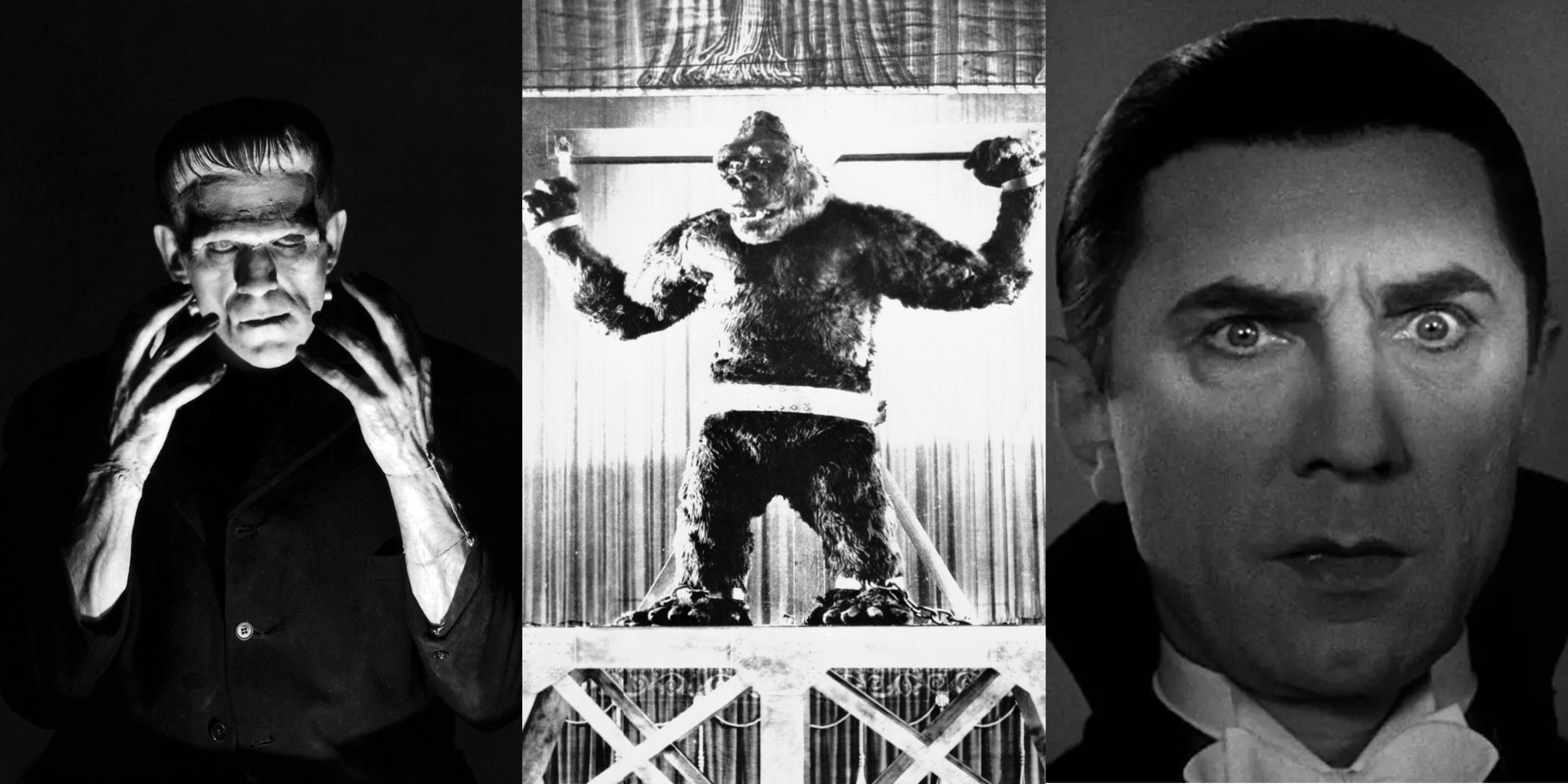
Classic film history traces the evolution of motion pictures from late 19th-century scientific curiosities to the sophisticated global industry of the mid-20th century. It encompasses the technological transition from silent to sound, the rise and fall of the Hollywood studio system, and the emergence of influential international cinematic movements.
The history of classic film is not merely a timeline of movie releases; it is a complex narrative of technological disruption, economic shifts, and artistic rebellion. By understanding the origins of cinema, viewers and scholars can better appreciate how the visual language of modern storytelling was forged in the laboratories and backlots of the early 1900s.
The Genesis of Cinema: The Silent Era (1895–1927)
The foundation of classic film history lies in the late Victorian era, where inventors sought to capture and project motion. While Thomas Edison’s Kinetoscope allowed for individual viewing, the Lumière brothers in France are generally credited with the first public screening of projected motion pictures in 1895. Their device, the Cinématographe, served as both a camera and a projector, marking the birth of cinema as a communal experience.
During these early years, film was primarily "actuality"—short clips of trains arriving at stations or workers leaving factories. However, the medium quickly shifted toward narrative. Georges Méliès, a former magician, pioneered special effects in films like A Trip to the Moon (1902), using double exposures and stop-motion to create fantasy worlds. Simultaneously, in the United States, Edwin S. Porter’s The Great Train Robbery (1903) introduced cross-cutting, showing that two scenes could happen at the same time in different locations.
As the industry matured, it moved from New Jersey to California. Hollywood offered year-round sunshine and diverse landscapes, allowing for more consistent production schedules. By the 1910s, directors like D.W. Griffith began codifying the grammar of film—close-ups, tracking shots, and complex editing—most notably in the controversial but technically revolutionary The Birth of a Nation (1915).
The Transition to Sound and the Death of the Silent Film
The year 1927 stands as a pivotal moment in classic film history with the release of The Jazz Singer. Although it was not the first film to use synchronized sound, it was the first to achieve massive commercial success, effectively ending the silent era overnight.
The transition to "talkies" was not without its casualties. Many actors whose voices did not match their screen personas saw their careers vanish. Technically, the early sound era was a step backward for cinematography. Cameras, which had become mobile and fluid, were suddenly encased in soundproof "iceboxes" to prevent the microphone from picking up the mechanical hum. This rendered many early sound films static and dialogue-heavy compared to the visual poetry of late silent-era masterpieces like F.W. Murnau’s Sunrise (1927).
By 1930, the industry had resolved these technical hurdles. Sound engineers developed "blimps" for cameras and boom microphones, allowing for movement once again. This period also saw the standardization of the "Academy Ratio" (1.37:1), the square-like frame that would define the look of classic cinema for decades.
The Golden Age of Hollywood (1930s–1940s)
The "Golden Age" is characterized by the dominance of the Studio System. During this era, five "Major" studios (MGM, Paramount, Warner Bros., 20th Century Fox, and RKO) and three "Minor" studios (Universal, Columbia, and United Artists) controlled every aspect of the film industry.
Vertical Integration and the Star System
The success of the Golden Age relied on vertical integration. The major studios owned the production facilities, the distribution networks, and the theaters where the films were shown. This allowed for a high-volume "factory" model of filmmaking. Actors, directors, and writers were under exclusive long-term contracts, treated as assets of the studio.
The Star System was a marketing triumph. Studios carefully crafted the public images of stars like Humphrey Bogart, Bette Davis, and Cary Grant. These personas were often more important than the roles themselves, ensuring that audiences would flock to any "Clark Gable film" regardless of the plot.
The Hays Code and Censorship
From 1934 to the mid-1950s, the Motion Picture Production Code (commonly known as the Hays Code) dictated what could and could not be shown on screen. This set of self-imposed industry guidelines prohibited "suggestive" dancing, depictions of illegal drug use, and scenes where "crime paid." Ironically, these restrictions forced filmmakers to become more creative with symbolism, metaphors, and sharp dialogue to bypass the censors, contributing to the sophisticated wit of the era's romantic comedies and dramas.
International Movements and Their Impact
While Hollywood dominated the box office, international filmmakers were expanding the artistic boundaries of the medium. These movements frequently influenced Hollywood's aesthetic.
- German Expressionism (1920s): Characterized by distorted sets, high contrast, and shadows. This movement, seen in The Cabinet of Dr. Caligari, deeply influenced the visual style of American horror and Film Noir.
- Soviet Montage (1920s): Filmmakers like Sergei Eisenstein argued that the meaning of a film was found in the juxtaposition of shots (editing) rather than the content of a single shot. His work in Battleship Potemkin changed how action sequences were constructed globally.
- French Poetic Realism (1930s): A movement that focused on working-class characters and fatalistic themes, often featuring a moody, atmospheric visual style that paved the way for the cynical tones of the post-war era.
- Italian Neorealism (1940s): In the wake of World War II, directors like Roberto Rossellini and Vittorio De Sica took cameras into the streets. Using non-professional actors and real locations, they rejected the artifice of Hollywood in favor of gritty social reality.
The Technological Evolution: Color and Widescreen
Although Technicolor existed in the 1920s, it was a cumbersome and expensive process involving a three-strip camera. It wasn't until the late 1930s, with landmarks like Gone with the Wind and The Wizard of Oz (1939), that color became a viable commercial tool.
In the 1950s, the film industry faced a new threat: Television. As households across America adopted TV sets, theater attendance plummeted. Hollywood responded with spectacle that TV could not replicate. This led to the "Widescreen Wars," where studios introduced formats like CinemaScope, VistaVision, and Cinerama. These expanded the horizontal field of view, changing the composition of film from intimate portraits to sweeping vistas.
The Rise and Allure of Film Noir
Emerging in the early 1940s and peaking after World War II, Film Noir is perhaps the most recognizable "style" of the classic era. It reflected the post-war disillusionment and anxiety of the American public. Noir is defined by its "chiaroscuro" lighting (extreme contrast between light and dark), cynical protagonists, and the "femme fatale"—a dangerous woman who leads the hero to his doom.
Films like Double Indemnity (1944) and The Big Sleep (1946) utilized the shadows of German Expressionism to create an atmosphere of moral ambiguity. This era proved that audiences were willing to embrace darker, more complex narratives that challenged the simplistic morality of earlier Golden Age productions.
Summary of Major Classic Film Eras
| Era/Movement | Approximate Years | Key Characteristics | Landmark Films |
|---|---|---|---|
| The Silent Era | 1895–1927 | Visual storytelling, slapstick, title cards. | Metropolis, The General |
| Golden Age Hollywood | 1930–1948 | Studio System, Star System, Hays Code. | Casablanca, Citizen Kane |
| Film Noir | 1941–1958 | Dark shadows, cynical heroes, urban settings. | Out of the Past, The Killers |
| Italian Neorealism | 1944–1952 | On-location shooting, non-actors, social issues. | Bicycle Thieves, Rome, Open City |
| The Widescreen Era | 1953–1960s | Technicolor, CinemaScope, epic scale. | The Searchers, Ben-Hur |
The Collapse of the Classic Era (1948–1960s)
Two major events signaled the end of the classic era of film history. The first was the Paramount Decree of 1948, a landmark anti-trust ruling by the U.S. Supreme Court. The court ruled that studios could not own theater chains, effectively breaking the back of vertical integration and the studio system.
The second factor was the cultural shift of the 1960s. The aging studio moguls were out of touch with the burgeoning youth culture. The Hays Code was finally abandoned in 1968 in favor of the MPAA rating system, which allowed for more explicit content. This transition led to "New Hollywood," where directors like Coppola, Scorsese, and Spielberg took creative control away from the studios, marking the definitive end of the "Classic" period.
Frequently Asked Questions
What defines a "classic" film?
While the term is subjective, "classic film" generally refers to movies produced during the Hollywood Studio System era (roughly 1920s to 1960s). These films are characterized by a specific narrative structure (the "Classical Hollywood Cinema" style), the use of the Star System, and technical standards that emphasized clarity and continuity.
Why did the silent film era end so quickly?
The transition was driven by economics. Once The Jazz Singer proved that audiences were willing to pay a premium for sound, theaters rushed to install sound equipment. By 1929, silent films were viewed as obsolete by the public, and studios ceased production of silent features almost entirely by 1930 to protect their market share.
What was the first film ever made?
The answer depends on the definition of "film." Louis Le Prince filmed Roundhay Garden Scene in 1888, which is the oldest surviving motion picture. However, the 1895 screening by the Lumière brothers of Workers Leaving the Lumière Factory is widely considered the birth of the cinema industry because it was the first commercial, public projection.
How did the Hays Code affect film history?
The Hays Code forced filmmakers to rely on subtlety. Because they could not show explicit sex or violence, directors used lighting, music, and clever dialogue to imply what they could not show. This resulted in the high-art "visual shorthand" of the 1940s, which many critics believe made the films more sophisticated than if they had been allowed total freedom.
Which studio was the most powerful during the Golden Age?
MGM (Metro-Goldwyn-Mayer) was often considered the most prestigious studio. Known for its motto "More Stars Than There Are in Heaven," MGM specialized in high-budget musicals and glossy dramas. However, Paramount was a close second, known for a more "European" and sophisticated directorial style.
Next Steps for Film Enthusiasts
To truly understand classic film history, one must move beyond watching the most famous titles and look at the technical and social contexts of the time. For those looking to deepen their knowledge in 2026, the following actions are recommended:
- Explore the National Film Registry: Managed by the Library of Congress, this list identifies films that are culturally, historically, or aesthetically significant. Watching these provides a curated map of cinema's evolution.
- Study Restoration Efforts: Organizations like The Film Foundation are essential for seeing these films as they were originally intended. Look for 4K restorations that preserve the original grain and color timing.
- Visit Film Archives: For academic research, the British Film Institute (BFI) and the American Film Institute (AFI) offer extensive resources on the industrial history behind the movies.
- Compare Eras: Watch a late silent film (like Sunrise) and an early sound film (like Dracula) back-to-back to see the immediate impact the microphone had on visual storytelling.