Arcade revenue is generated through diverse monetization strategies including token and card systems, redemption game ticket sales, food and beverage integration, private event bookings, and recurring membership models. Modern operators typically combine high-margin cashless play cards with immersive, physical experiences to maximize profitability per square foot.
Operating an amusement business requires balancing capital expenditures, equipment maintenance, floor optimization, and customer retention strategies. Whether you are launching a modern barcade, a family entertainment center (FEC), or managing a legacy coin-operated route, understanding the mechanics of arcade revenue is essential for long-term viability.
The Economics of Modern Amusement Operations
The modern coin-op and amusement industry has evolved significantly from the quarter-drop cabinets of the 1980s. Today’s venues rely on complex financial ecosystems where games serve as the primary anchor, but secondary and tertiary revenue streams dictate overall profitability.
At its core, arcade revenue is measured by metrics familiar to traditional retail and hospitality businesses, alongside specialized metrics unique to the amusement sector. Operators evaluate performance using metrics such as Revenue Per Square Foot (RPSF), Cashless Card Utilization Rates, and Game Amortization Schedules.
To build a sustainable business model, operators must map out all financial inputs and outputs before purchasing hardware. The financial health of an entertainment venue depends on minimizing downtown, optimizing game pricing relative to local demographics, and ensuring that labor and utility costs do not erode the high gross margins traditionally associated with arcade games.
Primary Revenue Streams in an Arcade Business
Diversifying income sources is critical for surviving economic fluctuations and seasonal slumps. While cabinet play remains the foundational driver, successful operators layer multiple revenue streams to maximize customer lifetime value.
1. Game Play Monetization (Cashless vs. Coin)
The method by which customers pay for game play directly impacts cash flow and operational labor costs.
- Cashless Card Systems: Modern venues overwhelmingly utilize RFID or magnetic stripe cards (via systems like Intercard, Embed, or Sacoa). These platforms increase arcade revenue by encouraging higher upfront spending through bonus-value packages (e.g., "Spend $20, get $25 in play"). Furthermore, cashless systems eliminate the labor required to empty coin doors and reduce internal cash shrinkage.
- Token and Coin Systems: Retained primarily by niche classic arcades and barcades seeking a retro aesthetic, physical tokens require mechanical upkeep of coin mechs and hopper mechanisms. However, they can create a tactile, nostalgic atmosphere that appeals to specific demographic segments.
2. Redemption and Merchandising
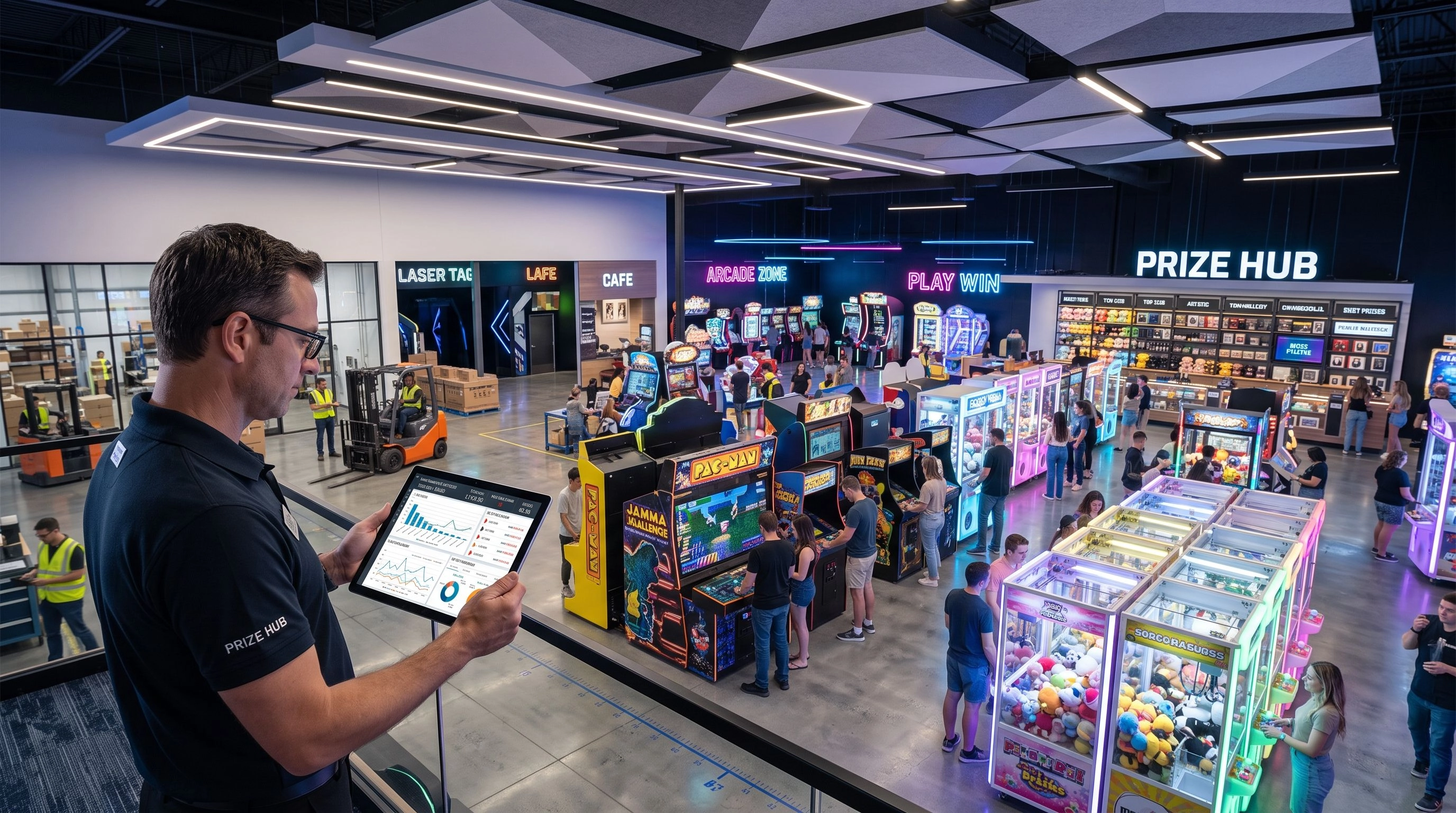
Merchandise counters represent a major profit center, particularly in Family Entertainment Centers. Players collect digital points on their play cards and redeem them for prizes. The gross margin on redemption merchandise can range from 50% to 80% when sourced correctly from wholesale distributors.
3. Food, Beverage, and Private Events
For many contemporary entertainment venues—especially barcades and large FECs—food and beverage (F&B) sales rival or exceed direct arcade revenue. Alcohol sales, in particular, carry high profit margins and increase the average length of stay (LoS), which naturally leads to higher game play expenditures. Additionally, hosting birthday parties, corporate events, and private buyouts provides guaranteed, upfront income that cushions baseline operational expenses.
Cost Structure and Capital Expenditures (CapEx)
Understanding arcade revenue without analyzing the corresponding expenses provides an incomplete picture of business viability. Operating an arcade involves substantial initial capital outlays and ongoing operational costs.
| Capital Expenditures (CapEx) | Operating Expenditures (OpEx) |
|---|---|
| Arcade Cabinets & Pinball Machines | Rent, Property Insurance, & Utilities |
| Cashless System Hardware (Kiosks) | Staffing (Floor, Tech, & Management) |
| Prize Inventory & Display Fixtures | Game Maintenance, Parts, & Licensing |
| Interior Buildout & Electrical | Marketing, Point-of-Sale Fees, & Taxes |
Initial Setup Costs
Purchasing commercial-grade arcade equipment is capital-intensive. A brand-new, high-end immersive simulator, kinetic game, or licensed redemption piece can cost anywhere from $10,000 to over $30,000. While classic multi-cades or refurbished vintage cabinets may cost less upfront, they often require more frequent technical maintenance.
Ongoing Maintenance and Tech Labor
Arcade games are subjected to heavy physical use and feature intricate mechanical, electrical, and software components. Employing a skilled arcade technician or contracting out regular preventative maintenance is a non-negotiable expense. Failure to keep games fully operational ("out-of-order" rates exceeding 5%) directly depresses daily arcade revenue.
Strategies for Optimizing and Increasing Arcade Revenue
Maximizing profitability requires continuous floor management, data analysis, and strategic promotional scheduling. Operators cannot simply place games on a floor and expect passive success.
Game Mix and Floor Zoning
A balanced arcade floor features a strategic mix of revenue generators:
- AAMA (American Amusement Machine Association) industry data and operator insights suggest grouping high-energy redemption and ticket games near high-traffic entry points.
- Prize games (like crane machines and merchandisers) should be placed where crowds gather, as watching others win encourages spontaneous play.
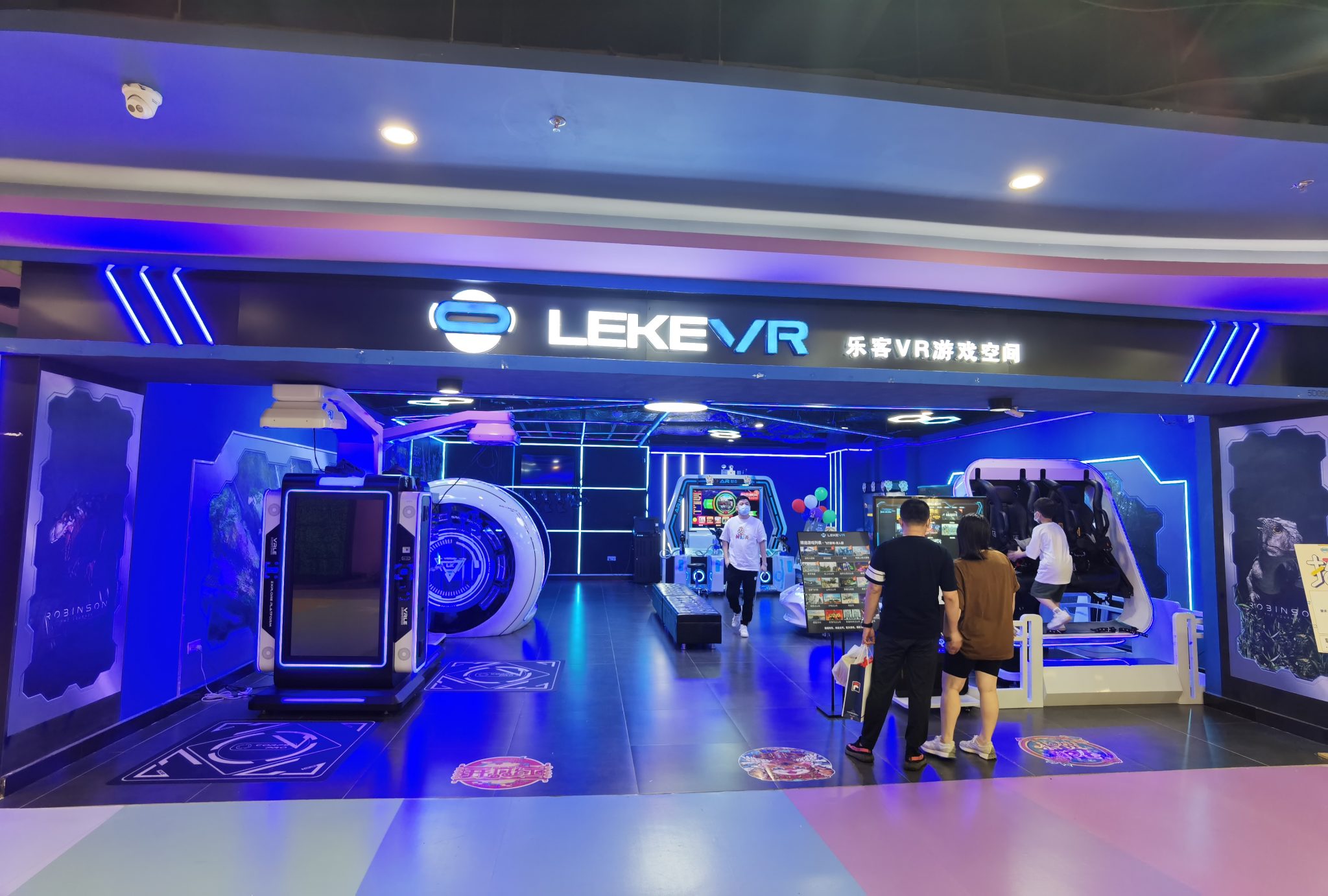
- Multiplayer and immersive VR or racing simulators command higher per-play pricing (often $3.00 to $6.00 per session) and should be rotated or updated periodically to maintain player interest.
Dynamic Pricing and Promotional Lulls
To combat slow weekday afternoons, operators deploy dynamic pricing strategies. Time-play cards (e.g., unlimited play for two hours during off-peak times) can monetize downtime when the venue would otherwise sit empty. Similarly, pairing arcade card reloads with food specials (such as "Pizza and Play" bundles) drives higher basket sizes per customer visit.
Frequently Asked Questions
What is the average profit margin for an arcade?
Net profit margins for well-managed arcades and family entertainment centers typically range from 15% to 30%. However, this figure varies widely based on business model, location rent, local labor rates, and the ratio of high-margin food and beverage sales to pure arcade game play.
How do modern arcades track game performance?
Modern venues use integrated cashless management software that records every swipe or tap in real time. Operators analyze data reports by game title to track play frequency, revenue generated per machine, and downtime, allowing them to rotate underperforming titles off the floor.
Are classic coin-operated arcades still profitable?
Yes, but they operate under a different financial structure than modern FECs. Classic pinball and retro arcade bars often rely heavily on alcohol sales, merchandise, tournament entry fees, or admission covers to supplement the lower cash yield of traditional 25-cent or token-operated vintage cabinets.
What are the biggest expenses for an arcade business?
Aside from initial equipment acquisition costs, ongoing major expenses include commercial real estate rent (due to the large square footage required), skilled technical labor for equipment repair, electricity consumption, and property or liability insurance.
Next Actions for Prospective Operators
If you are evaluating an investment in the amusement industry or looking to optimize an existing venue, begin by conducting a comprehensive market feasibility study. Audit local demographics, analyze competitor pricing structures, and secure equipment financing quotes before signing commercial real estate leases. Balancing your game floor layout between high-yield redemption pieces and engaging social attractors will lay the foundation for sustainable, long-term arcade revenue.