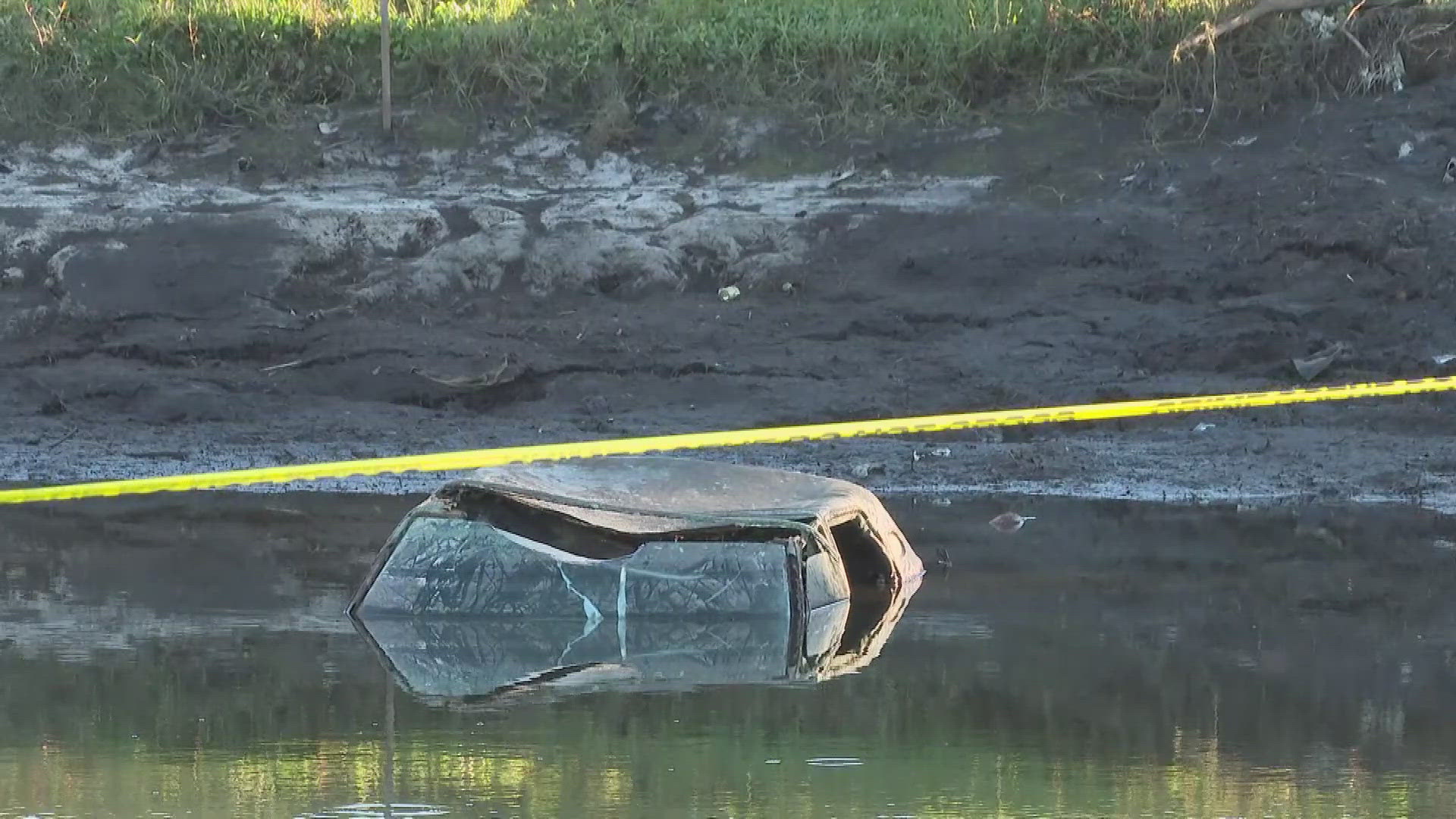
The story of a couple being found alive after 25 years at sea is a persistent internet hoax and social media fabrication. No verified maritime record, government report, or reputable news outlet has ever documented such an event. The narrative typically circulates as clickbait, often using AI-generated images or unrelated rescue footage to drive engagement.
Deconstructing the "Couple Found After 25 Years" Viral Narrative
As we move through 2026, the "couple found after 25 years at sea" story remains a textbook example of digital misinformation. The myth usually follows a predictable pattern: a headline claims that a husband and wife, who vanished in the late 1990s or early 2000s, were suddenly discovered on a remote island or a drifting, dilapidated vessel.
The primary reason this story gains traction is the emotional weight of "miraculous survival." However, there are several red flags that immediately categorize these "updates" as false:
- Lack of Specifics: These stories rarely provide full names, the name of the vessel, the specific port of origin, or the exact location of the rescue.
- Anachronistic Media: The photos accompanying these articles are frequently sourced from unrelated events, such as the rescue of refugees in the Mediterranean or historical Coast Guard footage from the 1980s.
- AI-Generated Content: In the 2026 landscape, many of these "updates" are generated by automated content farms. They use sensationalist language to trigger social media algorithms, leading users to believe a major news event has occurred when, in reality, it is a fabrication designed for ad revenue.
In the history of maritime search and rescue (SAR), there is no record of anyone—let alone a couple—surviving 25 years adrift without modern logistical support.
The Limits of Human Survival: Biological Reality vs. Internet Fiction
To understand why a 25-year survival at sea is a biological impossibility, one must examine the fundamental requirements for human life: water, nutrition, and protection from the elements.
Freshwater Acquisition
The human body can only survive approximately three to five days without freshwater. While survivors like Jose Salvador Alvarenga (who survived 438 days) managed by drinking rainwater and turtle blood, maintaining this for 2,500 days—let alone 9,000 days (25 years)—is statistically impossible. Long-term consumption of raw animal fluids without significant freshwater supplementation leads to kidney failure and chronic dehydration.
Nutritional Deficiencies and Scurvy
A diet consisting solely of raw fish and birds lacks essential vitamins, most notably Vitamin C. Scurvy would typically manifest within months. Historical accounts of long-term survival at sea often highlight the physical toll of malnutrition, including tooth loss, skin lesions, and extreme muscle atrophy. Over a 25-year period, the cumulative effect of these deficiencies would be fatal.
Psychological Impact of Extreme Isolation
The psychological strain of being lost at sea for decades cannot be overstated. "Sea madness" or extreme psychological dissociation occurs even in short-term survivors. A couple trapped together in a high-stress, life-threatening environment for 25 years would face insurmountable mental health challenges, likely leading to a breakdown in cooperation or cognitive function.
Maritime Engineering: Can a Vessel Survive 25 Years Unattended?
Another major flaw in the 25-year survival myth is the physics of boat maintenance. Whether a vessel is made of wood, steel, or fiberglass, the marine environment is incredibly hostile.
- Biofouling: Within months, a hull becomes covered in barnacles and algae, significantly increasing drag and potentially compromising the integrity of the through-hull fittings.
- UV Degradation: The intense sun at sea breaks down fiberglass resins (osmosis) and rots sails and ropes. A sailboat or motorboat would essentially disintegrate or become unseaworthy within a decade without active maintenance and dry-docking.
- Corrosion: Saltwater corrodes metal components, including engine parts, stays, and bolts. After 25 years, a vessel would likely have taken on enough water through compromised seals to sink.
In 2026, global satellite surveillance and Automated Identification Systems (AIS) make it nearly impossible for a vessel of any significant size to drift for decades without being spotted by commercial shipping lanes or environmental monitoring satellites.
Verified Historical Record-Holders for Sea Survival
To provide context for the "25-year" claim, it is helpful to look at the actual records for maritime survival. These cases are well-documented by international maritime authorities and media.
| Survivor Name(s) | Duration | Year | Circumstances |
|---|---|---|---|
| Jose Salvador Alvarenga | 438 Days | 2013-2014 | Drifted from Mexico to the Marshall Islands in a small fishing boat. |
| Poon Lim | 133 Days | 1942-1943 | Survived on a life raft after his merchant ship was torpedoed. |
| The Robertson Family | 38 Days | 1972 | Survived in a dinghy after their yacht was sunk by orcas. |
| Maurice and Maralyn Bailey | 117 Days | 1973 | Survived in a life raft after their yacht sank in the Pacific. |
The Alvarenga case is the longest-ever recorded survival of a person adrift at sea. Even his 13-month ordeal was met with significant skepticism initially because of the extreme physical toll it took on his body. Comparing his verified 438 days to the mythical 9,125 days (25 years) highlights the absurdity of the viral claim.
The Role of Misinformation and AI in 2026
In 2026, the proliferation of "Deepfake" news has reached a point where entire video segments can be fabricated to look like legitimate broadcasts from networks like the BBC or CNN. These videos often use the "Couple Found After 25 Years" hook because maritime mysteries have a high "click-through rate."
Users are encouraged to use the following verification steps before sharing such stories:
- Search for the Vessel Name: Every legitimate maritime rescue involves a named vessel. If the story doesn't name the boat, it is likely false.
- Check Official SAR Channels: Verify stories through the International Maritime Organization (IMO) or national Coast Guard press releases.
- Reverse Image Search: Use tools to see if the images used in the article have appeared in older news stories regarding different events.
Why the "Lost at Sea" Tropes Persist
The fascination with people returning from the dead after decades is rooted in folklore and literature, from Robinson Crusoe to the myth of the Flying Dutchman. This cultural archetype makes the public susceptible to headlines that promise a real-life version of these stories.
Furthermore, the "Update 2026" tags often added to these stories are a psychological tactic. By adding a current year, the fabricators create a sense of urgency and "breaking news," even though the core story has been debunked for years.
Common Myths vs. Maritime Reality
The "couple found after 25 years" story often includes embellishments that defy maritime logic. For instance, some versions claim the couple lived on a "floating island of trash." While the Great Pacific Garbage Patch is a real environmental crisis, it is not a solid landmass capable of supporting human life or providing shelter and food for 25 years.
Other versions claim the couple was "hidden" by a government or lived in a "time warp." These supernatural or conspiratorial explanations are hallmarks of junk journalism. In reality, the ocean is a heavily monitored space. Between NOAA satellite tracking and global fishing fleets, a couple would be discovered long before a quarter-century had passed.
Frequently Asked Questions
Is there any evidence for a couple being found after 25 years at sea?
No. There is no documented evidence in any maritime or legal registry of a couple being found alive after being lost at sea for 25 years. All such stories have been traced back to clickbait websites and social media "engagement bait."
Who are the people in the photos of the "25-year" rescue?
The photos used in these viral posts vary. Most are stolen from real rescue operations, such as the 2017 rescue of two American sailors, Jennifer Appel and Tasha Fuiava, who were at sea for five months, or from historical footage of the US Coast Guard.
What is the longest a person has actually survived at sea?
The record for the longest survival at sea is held by Jose Salvador Alvarenga, who survived 438 days (roughly 14 months) adrift in the Pacific Ocean. He washed ashore in the Marshall Islands in January 2014 after his boat was blown off course from Mexico.
Why do these fake stories keep appearing in 2026?
These stories reappear because they are highly profitable for "content farms." By using sensationalist titles and AI-generated thumbnails, these sites generate millions of views, which translates into advertising revenue. The "2026 Update" is simply a way to make old hoaxes appear new.
How can I report these fake news stories?
Most social media platforms have tools to report "Misleading Information" or "Spam." By reporting these posts, you help the platform's algorithm identify and deprioritize the content, preventing it from reaching more people.
Recommendation for Readers
When encountering sensationalist maritime "updates," always verify the information through established news organizations or maritime authorities like the United States Coast Guard or the Royal National Lifeboat Institution (RNLI). Avoid clicking on links from unknown sources that promise "shocking footage" or "miraculous updates," as these sites often host malware or aggressive tracking scripts. If a story sounds physically impossible—such as surviving for 25 years in the harshest environment on Earth—it almost certainly is.