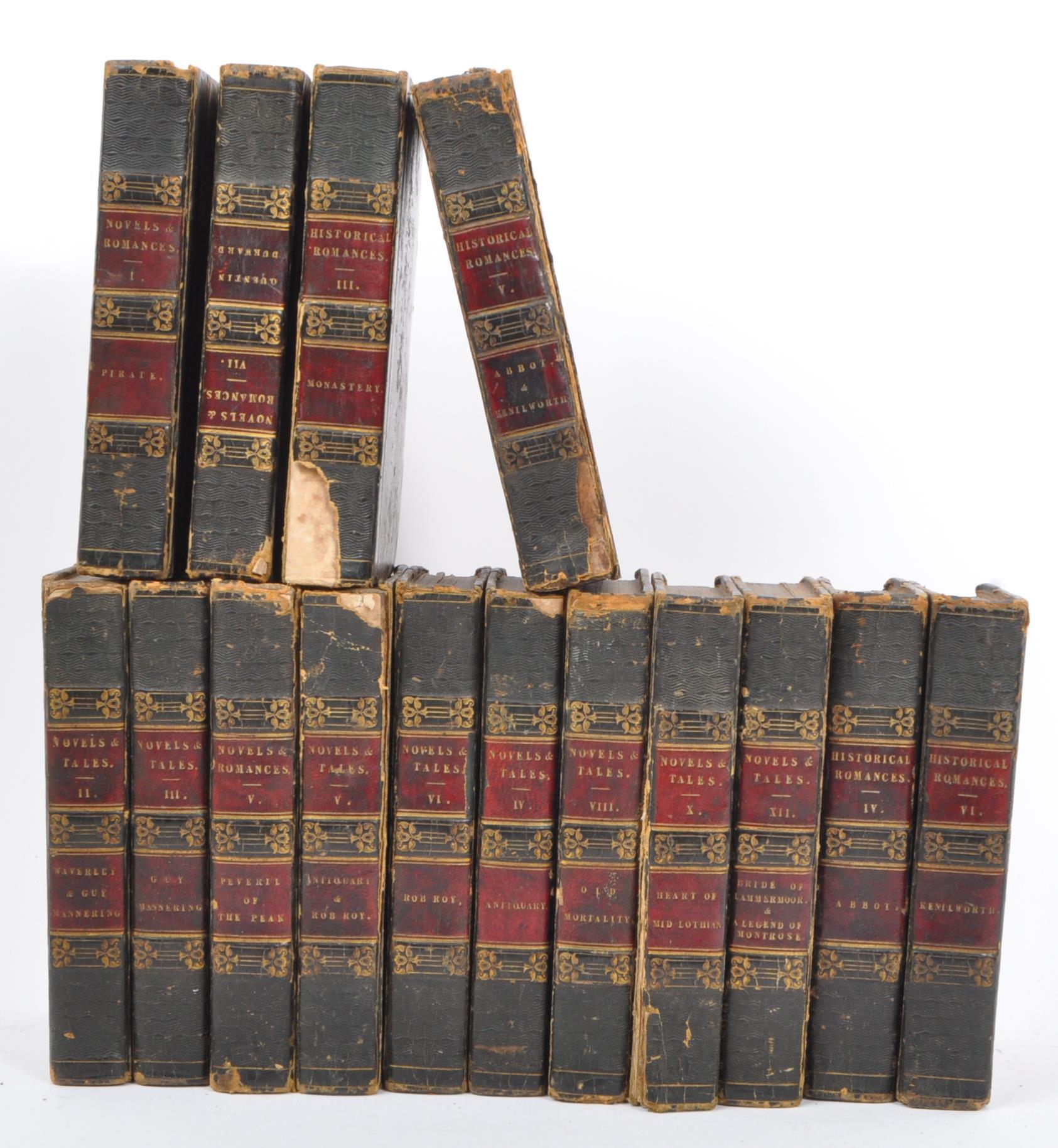
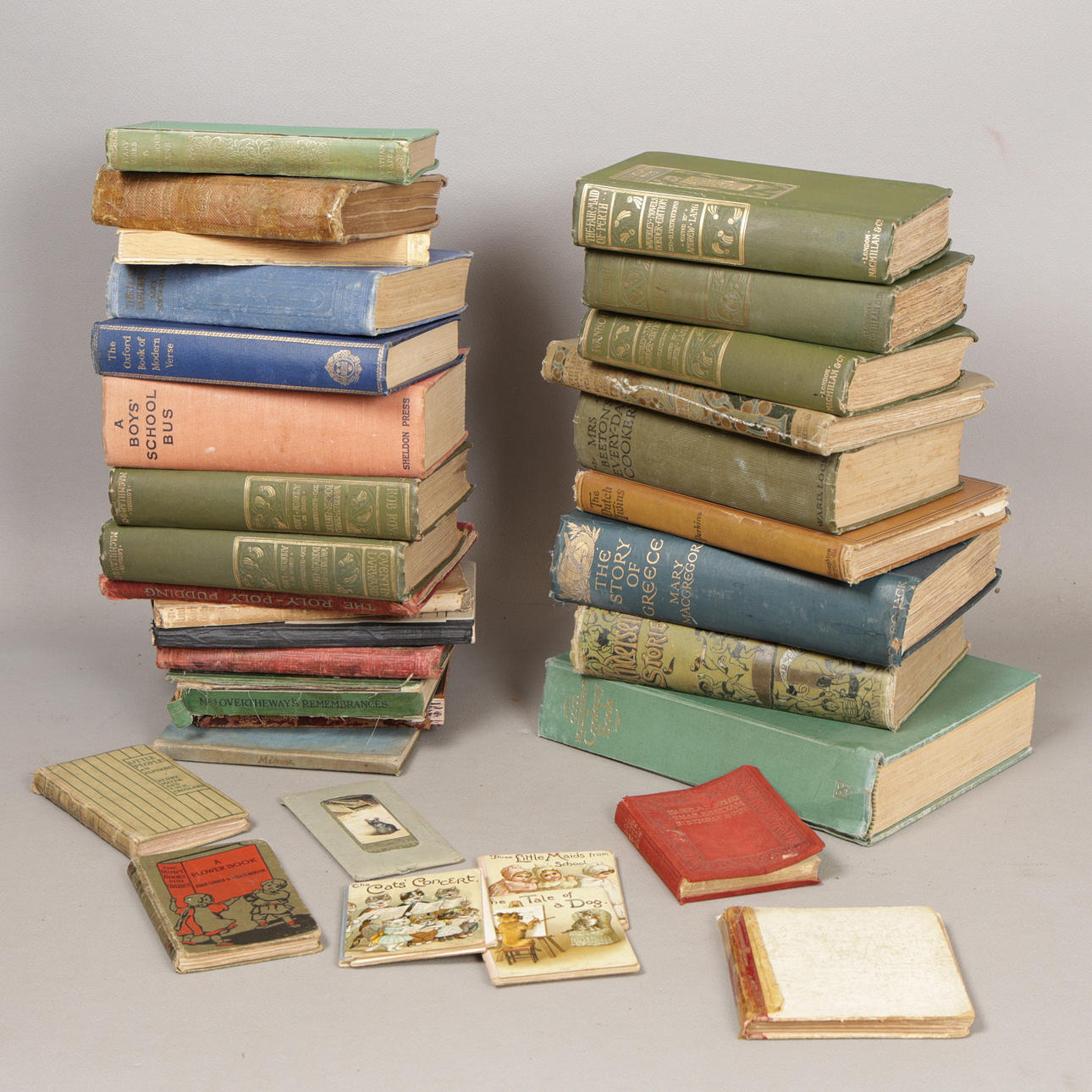
The 19th century witnessed a profound transformation in publishing, shifting from a bespoke, localized trade into a mechanized, mass-market industry driven by industrial steam power, mechanized papermaking, the expansion of literacy, and the rise of copyright law.
The Industrial Revolution in Print: Technology and Production
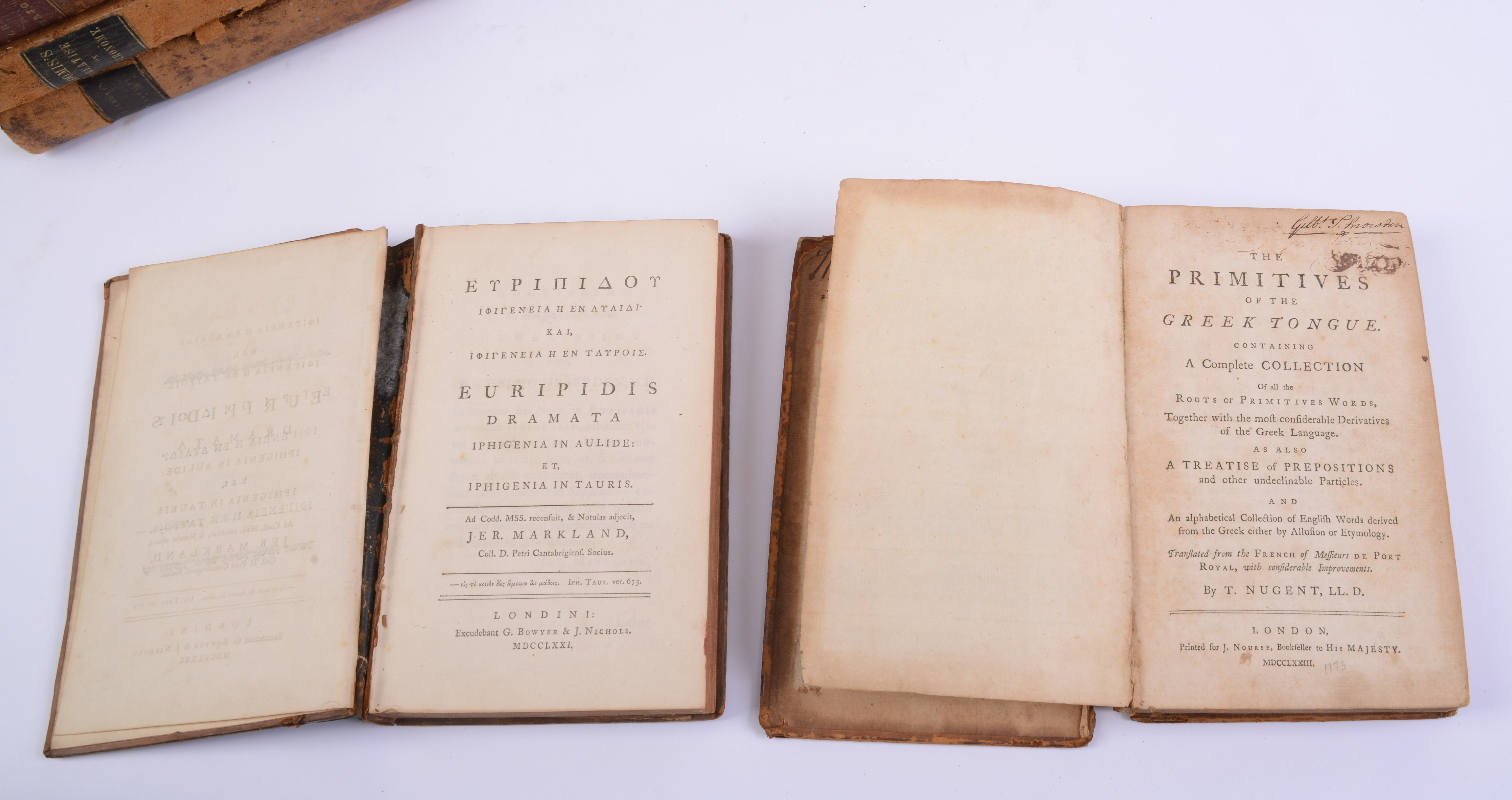
The foundational shift in 19th-century publishing was technological. At the dawn of the century, printing technology remained fundamentally unchanged since the era of Johannes Gutenberg. Presses were constructed primarily of wood, operated manually by skilled artisans, and relied on rag-based paper that was expensive and labor-intensive to produce. By the end of the century, publishing had become a mechanized, high-speed corporate enterprise capable of supplying millions of cheap books, newspapers, and periodicals to a rapidly expanding reading public.
The Transition from Wooden to Iron Presses
The first major mechanical advancement arrived with the introduction of iron hand presses, most notably the Stanhope press around 1800. Developed by Charles Stanhope, 3rd Earl Stanhope, this all-iron press drastically increased the amount of pressure a printer could apply. This innovation allowed for larger formes—the assembled blocks of type—and enabled the printing of larger sheets with fewer pulls. Soon after, presses like the Columbian and the Albion further refined mechanical advantage, reducing the physical strain on operators while increasing output consistency.
However, hand presses quickly became obsolete for high-volume operations. The defining breakthrough came with the adaptation of the steam engine to the printing press, pioneered by Friedrich Koenig and Andreas Bauer. In 1814, The Times of London became the first newspaper to utilize Koenig's steam-powered cylinder press. Unlike traditional platen presses that pressed a flat bed of type against a flat plate, the cylinder press wrapped the paper around a rotating cylinder, rolling it swiftly across the inked bed of type. This innovation exponentially multiplied printing speeds, shifting output from roughly 200–300 impressions per hour on a hand press to over 1,100 impressions per hour.
Papermaking Innovations: From Rags to Wood Pulp
As printing speeds accelerated, the traditional method of making paper from linen and cotton rags created a severe supply bottleneck. Publishers required a cheaper, more abundant raw material. The early 19th century saw the invention and refinement of the Fourdrinier machine, which mechanized the continuous production of paper rolls rather than individual sheets.
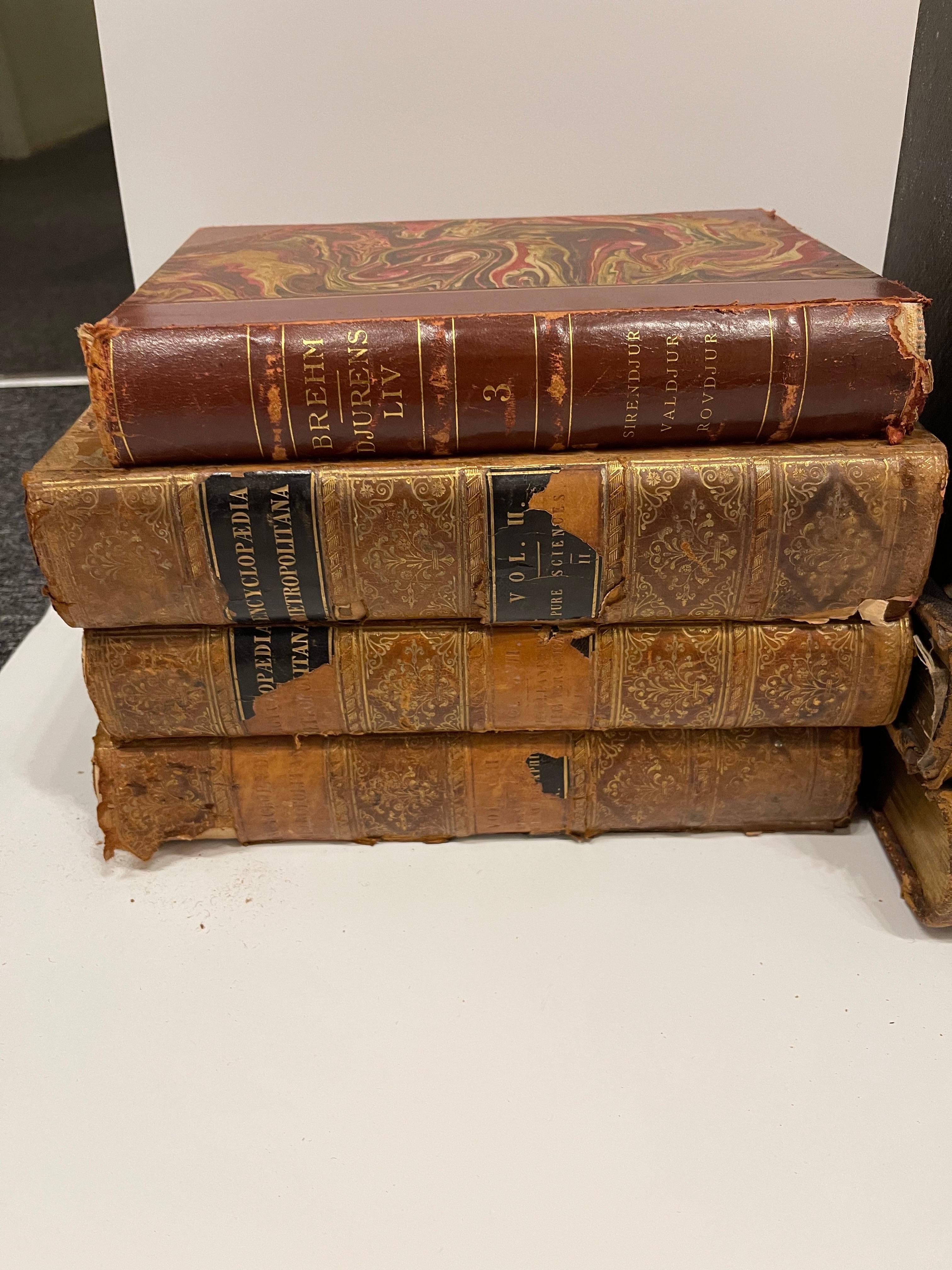
By the mid-to-late 19th century, papermakers successfully integrated wood pulp into the manufacturing process. Groundwood pulp, introduced in the 1840s, and chemical pulping processes developed in the 1860s and 1870s (such as the sulfite and sulfate processes) drastically lowered production costs. While this cheap wood-pulp paper enabled the mass production of inexpensive literature, it introduced a major preservation challenge: the residual acid in the paper caused it to become brittle and disintegrate over time, a problem archivists still grapple with today.
Economic Models and Distribution Channels
The dramatic increase in production capacity necessitated entirely new economic models for financing, distributing, and marketing printed material. Publishers had to secure vast sums of capital to invest in steam presses and large paper inventories, leading to the consolidation of publishing houses and the professionalization of the trade.
The Rise of the Three-Decker Novel and Circulating Libraries
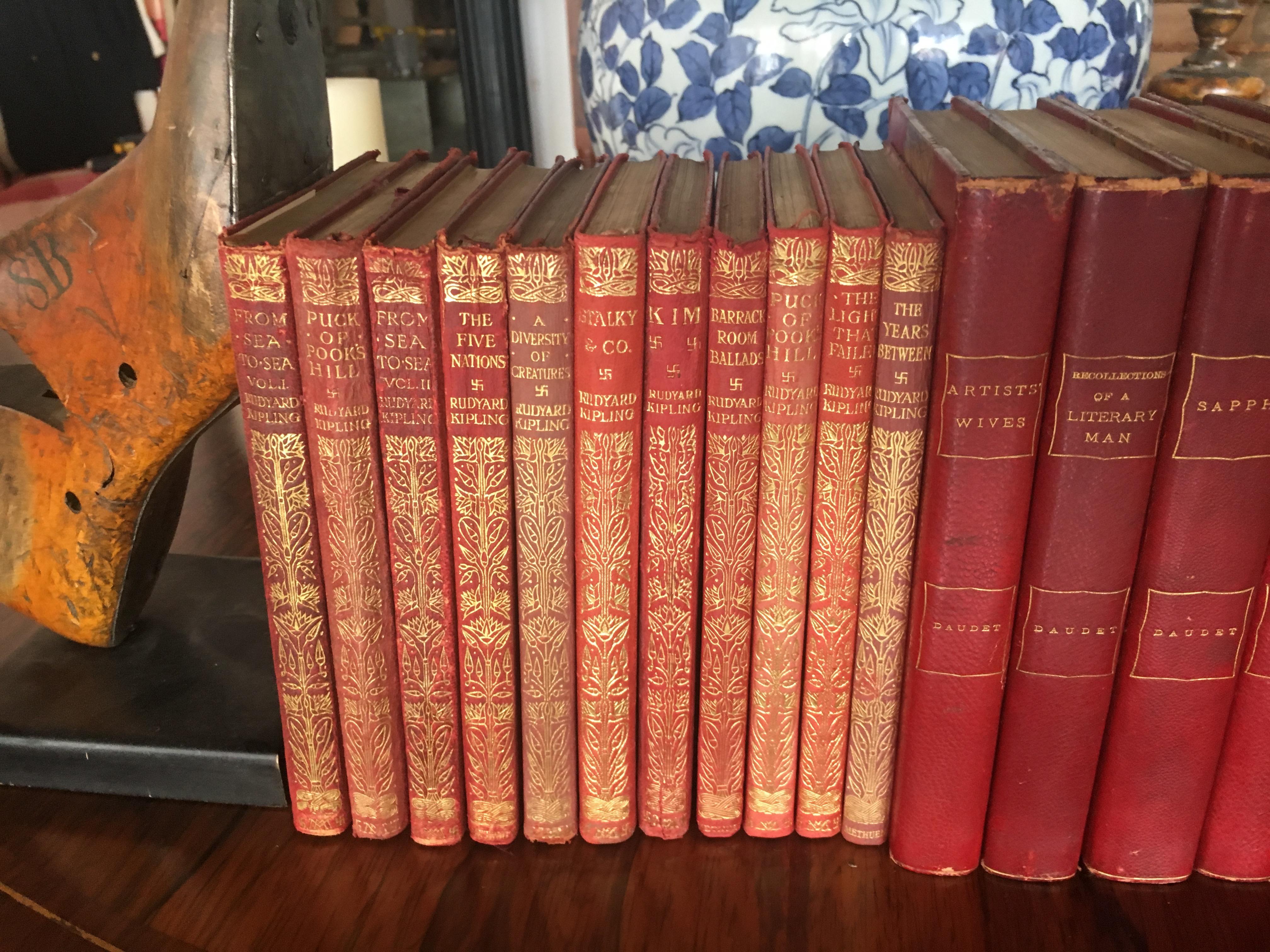
In the Victorian publishing ecosystem, particularly in Great Britain, the three-volume novel—colloquially known as the "three-decker"—dominated the market for fiction during much of the century. Priced at a guinea and a half (roughly £1 11s. 6d.), these books were far too expensive for the average working- or middle-class reader to purchase outright.
Instead, the economic model relied heavily on commercial circulating libraries, most notably Mudie’s Select Library and W.H. Smith. These libraries purchased the vast majority of three-decker print runs. Subscribers paid an annual membership fee to borrow books, effectively outsourcing book selection and censorship to library proprietors like Charles Edward Mudie. Because Mudie and other library owners wielded immense purchasing power, they could dictate the content, length, and moral tone of the novels they stocked, directly influencing what authors wrote.
Serialized Publication and Periodicals
To reach a broader audience, 19th-century publishers heavily favored serialization. Works of fiction and non-fiction were broken down into monthly or weekly installments and published either within larger literary magazines or as standalone paper-wrapper parts.
- Part-Issues: Authors like Charles Dickens and William Makepeace Thackeray frequently published their novels in monthly numbers before they appeared in book form. This allowed readers of modest means to afford literature incrementally.
- Magazines and Journals: Periodicals such as Blackwood’s Edinburgh Magazine, The Cornhill Magazine, and Harper's New Monthly Magazine served as the primary vehicles for both journalism and serialized fiction. Serialization also gave authors direct feedback; if a character or plotline proved unpopular, adjustments could be made in subsequent installments.
Key Technological Milestones in 19th-Century Publishing
| Innovation / Development | Approximate Date | Primary Impact on Publishing |
|---|---|---|
| Stanhope Iron Press | c. 1800 | Increased mechanical pressure, allowing larger sheets and more uniform printing than wooden presses. |
| Koenig Steam-Powered Cylinder Press | 1814 | Revolutionized newspaper and book production by multiplying printing speeds tenfold. |
| Fourdrinier Papermaking Machine | Early 19th Century | Automated paper production, shifting output from single sheets to continuous rolls. |
| Introduction of Wood Pulp Paper | Mid-to-Late 19th Century | Drastically lowered the cost of paper, enabling the mass-market penny dreadful and cheap novel boom. |
| Rotary Printing Press | 1860s–1870s | Allowed printing on continuous rolls of paper from curved stereotype plates at unprecedented speeds. |
| Ottmar Mergenthaler’s Linotype Machine | 1886 | Automated typesetting, replacing manual hand-setting with a keyboard-operated casting system. |
Literacy, Demographics, and the Expansion of Readership
The mechanics of mass production would have been commercially unviable without a concurrent explosion in readership. Throughout the 19th century, literacy rates climbed steadily across the Western world, driven by industrialization, urbanization, and state-mandated primary education reforms.
Legislative and Social Drivers of Literacy
In Great Britain, the passage of successive Education Acts—most notably the Elementary Education Act of 1870 (commonly known as Forster's Education Act)—established the framework for elementary schooling nationwide. Similar trends occurred across Europe and the United States, where public school systems expanded rapidly. As compulsory schooling took root, successive generations entered adulthood with the basic skills required to consume printed media.
This newly literate working class created a massive, untapped market. Publishers responded by diversifying their output. While high-end publishers catered to the elite with fine leather-bound editions, a burgeoning popular publishing sector emerged to serve the working classes.
The Penny Dreadful and Cheap Journalism
The lower end of the 19th-century publishing spectrum was characterized by cheap weekly periodicals known variously as "penny bloods" or "penny dreadfuls." Printed on low-quality paper with sensationalized illustrations, these publications offered serialized melodramas, crime stories, and gothic horror tales at a price point accessible to factory workers and adolescents.
Simultaneously, the abolition of various taxation barriers—often referred to by historians as the "taxes on knowledge"—paved the way for the modern mass-circulation newspaper. In Great Britain, the reduction and eventual repeal of the stamp duty on newspapers (1855), the advertisement duty (1853), and the paper duty (1861) transformed newspapers from luxury items for the wealthy into cheap, ubiquitous commodities consumed daily by the general public.
Authorship, Copyright, and the Professional Writer
The 19th century witnessed the transformation of authorship from a precarious, patronage-dependent sideline into a recognized, professional career. However, this transition was heavily mediated by evolving legal frameworks surrounding copyright and intellectual property.
The Evolution of Copyright Law
At the start of the century, copyright protections were often fragmented, national in scope, and restrictive. In Britain, the Copyright Act of 1842 extended copyright protection to the author's lifetime plus seven years, or forty-two years from publication—whichever was longer. This provided authors with greater leverage to negotiate royalties and retain long-term control over their works.
Internationally, the lack of robust cross-border protections led to rampant piracy, particularly between the United States and Great Britain. British authors frequently complained that American publishers reprinted their works without paying royalties or compensating the creators. This dynamic persisted until the passage of the International Copyright Act of 1891 (the Chace Act), which extended copyright protection to foreign authors under certain reciprocal conditions, marking a major step toward a globalized intellectual property framework.
Professionalization and Literary Agents
As publishing grew into a major corporate industry, the relationship between author and publisher became more formalized. The romantic notion of the impoverished, starving writer gradually gave way to the professional author operating under formal contractual agreements, advances against royalties, and structured syndication deals.
Toward the end of the century, the complexity of these financial arrangements gave rise to a new professional intermediary: the literary agent. Agencies negotiated contracts, managed foreign translation rights, and secured serial placements, ensuring that successful authors could maximize their earnings in an increasingly competitive global marketplace.
Frequently Asked Questions
What was the most significant technological invention in 19th-century publishing?
While the iron press and papermaking machines were vital, the introduction of the steam-powered cylinder press is widely considered the most transformative. It broke the centuries-old bottleneck of manual press operation, enabling newspapers and books to be produced at speeds that made mass-market distribution economically viable.
Why were Victorian novels often published in three volumes?
The three-volume format, or "three-decker," was primarily driven by the economics of commercial circulating libraries like Mudie’s. These libraries purchased the bulk of fiction editions and favored the multi-volume format because it allowed multiple patrons to read different sections of the same novel simultaneously, maximizing library subscription value.
How did the repeal of taxes on knowledge affect publishing?
The gradual removal of the stamp duty, advertisement duty, and paper duty in mid-19th-century Britain dramatically reduced the cost of producing newspapers and periodicals. This deregulation allowed cheap daily newspapers to emerge, transforming the press from an elite political organ into a mass medium accessible to the working classes.
What caused the deterioration of 19th-century books?
Many books printed from the mid-19th century onward utilized cheap wood-pulp paper treated with acidic sizing agents. Over time, residual acid causes the paper to oxidize, yellow, and become extremely brittle, posing significant preservation challenges for libraries and archives housing Victorian collections.
When did international copyright laws begin protecting authors?
International copyright protection evolved slowly throughout the century, largely through bilateral agreements. A major milestone occurred with the Berne Convention for the Protection of Literary and Artistic Works in 1886, which established mutual recognition of copyright among sovereign nations, followed by the United States Chace Act of 1891.
Conclusion and Further Historical Inquiry
Examining 19th-century publishing reveals how industrial innovation, economic restructuring, and social reform converged to create the modern information age. From steam-driven presses and wood-pulp paper to circulating libraries and professionalized copyright law, the structures established during this era laid the direct groundwork for contemporary media production. Researchers exploring this period should consult original trade archives, publisher records from houses like Macmillan and Harper, and legislative documents concerning copyright and education reform to gain a granular understanding of the trade.