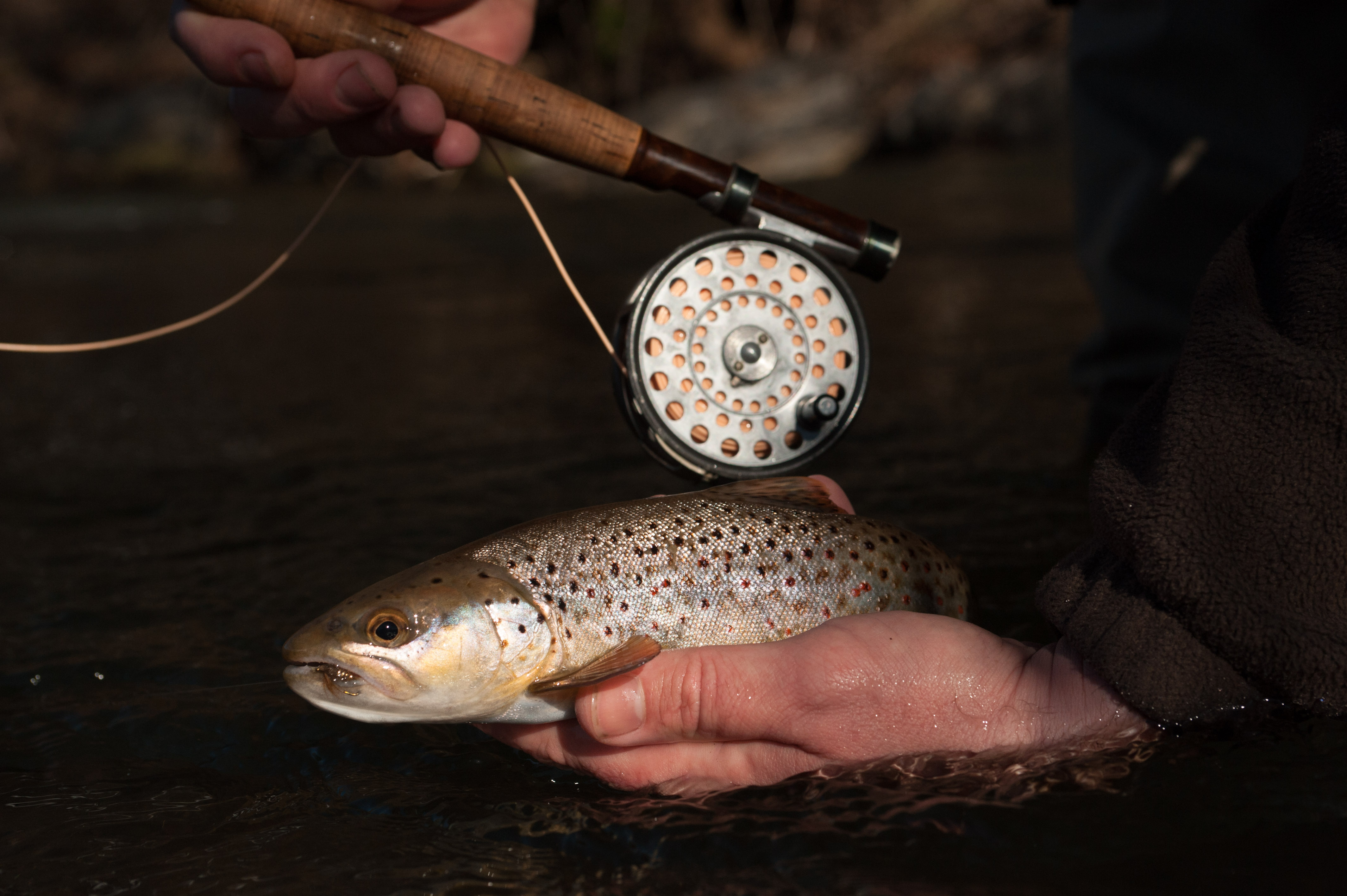
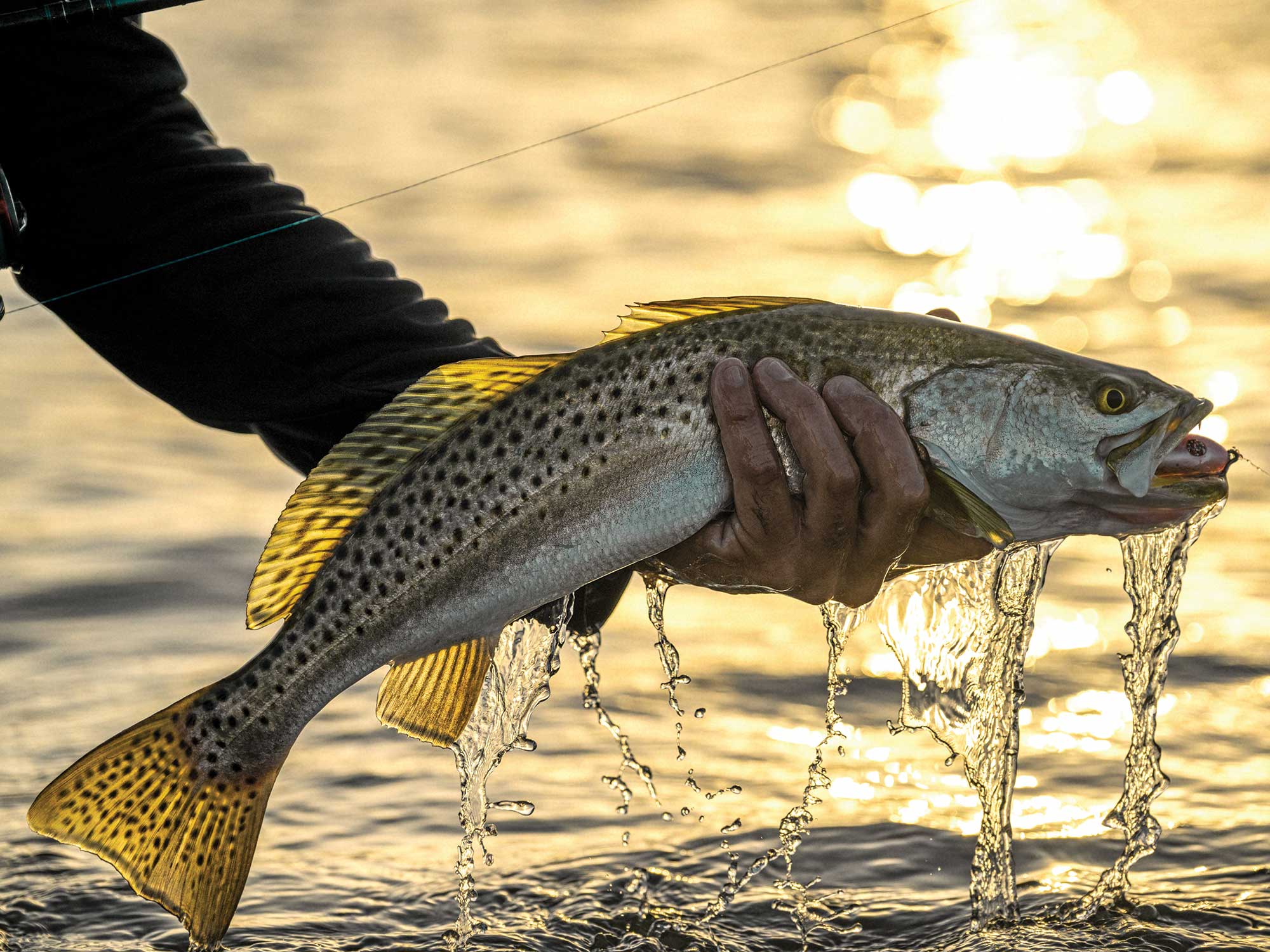
North Carolina continues to solidify its reputation as the premier fly-fishing destination in the Eastern United States as we move into the 2026 season. With over 5,000 miles of public trout water managed by the North Carolina Wildlife Resources Commission (NCWRC), the state offers a diverse range of opportunities from high-altitude wild brook trout streams to heavily stocked valley rivers. Navigating the 2026 regulations requires a technical understanding of water classifications, as the timing of your trip depends entirely on whether you are targeting Hatchery Supported, Delayed Harvest, or Wild Trout waters.
The 2026 season sees a continued emphasis on habitat restoration and expanded access through the Mountain Heritage Trout Waters program. Anglers must be diligent in checking the 2026 stocking maps, as the NCWRC has optimized delivery routes to ensure higher fish density in high-traffic areas like the Davidson and Tuckasegee Rivers. Whether you are a seasoned fly-tier or a weekend spinner-fisherman, understanding the 2026 temporal and legal framework is the first step toward a successful outing in the Blue Ridge Mountains.
2026 North Carolina Trout Season Calendar and Key Dates
The North Carolina trout season is governed by a complex calendar that dictates when you can keep fish, when you must release them, and when certain waters are closed entirely to fishing. For 2026, the traditional "Opening Day" for Hatchery Supported waters remains the focal point of the spring season.
| Water Classification | Start Date (2026) | End Date (2026) | Regulation Type |
|---|---|---|---|
| Hatchery Supported | April 4, 2026 | February 28, 2027 | 7 Fish Daily Limit |
| Delayed Harvest (C&R) | October 1, 2025 | June 5, 2026 | Catch and Release Only |
| Delayed Harvest (Open) | June 6, 2026 | September 30, 2026 | 7 Fish Daily Limit |
| Wild Trout Waters | January 1, 2026 | December 31, 2026 | Year-Round (4 Fish Limit) |
| Catch & Release (Wild) | January 1, 2026 | December 31, 2026 | Year-Round (No Harvest) |
The closure of Hatchery Supported waters occurs annually on the last day of February to allow for intensive stocking efforts. In 2026, these waters will remain closed to all fishing from March 1 until 7:00 AM on Saturday, April 4. This "Opening Day" is a major cultural event in Western North Carolina, particularly in counties like Jackson, Haywood, and Transylvania.
Detailed Analysis of 2026 Water Classifications
To maximize your success in 2026, you must differentiate between the various management strategies employed by the NCWRC. Each classification requires different gear, tactics, and ethical considerations.
Hatchery Supported Trout Waters
Marked by green-and-white signs, these waters receive the heaviest pressure and the most frequent stockings. In 2026, the NCWRC plans to stock over 1.1 million trout across the state. These waters are ideal for families and harvest-oriented anglers. There is no size limit, and the daily creel limit is seven fish. Most stocking occurs between March and July, with specific 2026 "stocking peaks" occurring in early May to coincide with optimal water temperatures.
Delayed Harvest (DH) Waters
Marked by black-and-white signs, DH waters are a favorite for technical fly anglers. From October 1 through the first Friday in June, these waters are catch-and-release only with a requirement for single-hook artificial lures. On June 6, 2026, these waters open to harvest for youth under 16 until noon, and then to all anglers. This management style ensures high fish densities during the cooler months, providing excellent winter and spring fishing when other waters may be dormant.
Wild Trout and Wild Trout/Natural Bait Waters
Marked by blue-and-white signs, these are the crown jewels of the Appalachian ecosystem. These streams are not stocked; they rely on natural reproduction of Brook, Brown, and Rainbow trout. In 2026, wild trout regulations remain strict: a four-fish limit and a seven-inch minimum size. Anglers heading into the Great Smoky Mountains National Park or the Pisgah National Forest will primarily encounter these regulations.
Top 2026 Trout Fishing Destinations in Western North Carolina
The 2026 season highlights several "Blue Ribbon" rivers that have benefited from recent bank stabilization and thermal mitigation projects.
The Davidson River (Transylvania County) The Davidson River remains one of the most technical "Wild Trout" and "Hatchery Supported" stretches in the Southeast. In 2026, the section near the Pisgah Forest State Fish Hatchery continues to hold trophy-sized rainbows and browns. Because of the high clarity and heavy pressure, 2026 strategies require 6X or 7X fluorocarbon tippets and micro-midges (sizes 22-26).
The Tuckasegee River (Jackson County) Known as the "Tuck," this river features a massive Delayed Harvest section in Bryson City and Sylva. During the 2026 spring season, expect massive stockings of Brook and Rainbow trout. This river is best fished by drift boat due to its width, though numerous public wading access points have been expanded for the 2026 season along North River Road.
The Nantahala River (Swain County) Divided into a tailwater section and an upper DH section, the Nantahala offers consistent water temperatures year-round. The lower tailwater is famous for its "trophy" brown trout, which often become more active during the 2026 summer months when dam releases keep the water in the low 50s while other rivers are overheating.
2026 Technical Gear and Fly Recommendations
Successful angling in 2026 requires adapting to the specific hatches and water conditions of the Southern Appalachians. While traditional patterns still work, the 2026 trend focuses on "Euro-Nymphing" techniques and high-visibility dry flies.
Spring Fly Selection (March - May 2026)
- Quill Gordons & Blue Quills: These are the first major hatches of the 2026 spring.
- March Browns: Essential for late April on the South Toe and Watauga Rivers.
- Bead-Head Pheasant Tails: A staple for DH waters where stocked fish are looking for easy calories.
Summer Fly Selection (June - August 2026)
- Terrestrials: As water levels drop in mid-2026, Foam Beetles, Ants, and Cricket patterns become deadly, especially in Wild Trout waters.
- Yellow Sallies: This stonefly hatch is a highlight of the June 2026 season in the high-elevation streams of the Smokies.
Technical Tackle Specifications
For 2026, the industry standard for NC mountain streams has shifted toward longer, lighter rods. A 10-foot 3-weight rod is now the preferred tool for many professionals, allowing for better line control and "tight-line" nymphing in the pocket water typical of the French Broad and Linville watersheds.
Comparison: Hatchery Supported vs. Wild Trout Waters
| Feature | Hatchery Supported (2026) | Wild Trout (2026) |
|---|---|---|
| Fish Species | Rainbow, Brown, Brook (Stocked) | Mostly Brook (Native) and Brown |
| Difficulty | Low to Moderate | High (Technical) |
| Gear Recommendation | PowerBait, Spinners, Nymphs | Small Dry Flies, Terrestrials |
| Accessibility | High (Roadside Access) | Low (Hiking Required) |
| Crowd Density | High, especially on weekends | Very Low / Solitary |
| Ethical Focus | Harvest for Consumption | Conservation and Minimal Impact |
Regulatory Compliance and Licensing for 2026
To fish any public trout water in North Carolina in 2026, you must possess a valid Inland Fishing License. The "Trout Privilege" is now bundled into the Unified Inland Fishing License for 2026, simplifying the process for residents and visitors.
- Purchase Your License: Use the GoOutdoorsNorthCarolina mobile app or visit a local wildlife service agent. A 10-day non-resident license for 2026 is approximately $23.00, while an annual resident license is $25.00.
- Verify Water Status: Use the NCWRC Interactive Trout Map on your smartphone. Many boundaries are updated for 2026; ensure you are not accidentally fishing a "Wild" section with "Hatchery" gear.
- Adhere to Lure Restrictions: In Delayed Harvest and Wild Trout waters, only single-hook artificial lures are permitted. In 2026, game wardens are strictly enforcing the "no scented baits" rule in DH sections to protect fish during the catch-and-release months.
- Clean, Drain, Dry: To prevent the spread of invasive species like Didymo (Rock Snot) and Gill Lice, which have been a concern in 2025-2026, always disinfect your wading boots before moving between river systems.
2026 Expert Tips for Success
If you are planning a trip during the 2026 peak season (April and May), consider avoiding the weekends on the most popular rivers. Mid-week trips to the Mitchell River or the Helton Creek DH sections often yield higher catch rates due to lower angler pressure. Additionally, pay close attention to the USGS streamflow gauges. In 2026, spring runoff is expected to be moderate; however, any flow rate 50% above the mean for a specific date usually makes wading hazardous and fishing difficult.
For those targeting the "Grand Slam" (catching a Brook, Brown, and Rainbow trout in one day), the 2026 season in Jackson County remains your best bet. The "Western North Carolina Fly Fishing Trail" provides a curated list of spots that are specifically managed to maintain high species diversity.
Frequently Asked Questions (2026 Edition)
When does the 2026 NC trout season officially start? The Hatchery Supported season officially opens at 7:00 AM on Saturday, April 4, 2026. This follows a month-long closure in March for stocking; however, Wild Trout and Delayed Harvest waters remain open for catch-and-release during this time.
Do I need a special trout stamp in 2026? No, North Carolina has integrated the trout privilege into its standard Inland Fishing License for 2026. You simply need to ensure your license covers inland fishing, which automatically includes the right to fish in designated public mountain trout waters.
Can I keep my catch in Delayed Harvest waters in 2026? You may only keep trout in Delayed Harvest waters between June 6, 2026, and September 30, 2026. Outside of these dates, all trout must be immediately released, and you must use single-hook artificial lures only.
What is the daily limit for trout in NC for 2026? For Hatchery Supported and open Delayed Harvest waters, the limit is seven (7) trout per day with no size restrictions. For Wild Trout waters, the limit is four (4) trout per day with a minimum size of seven (7) inches.
Are there 2026 updates for fishing on the Blue Ridge Parkway? Yes, waters within the Blue Ridge Parkway boundaries may have additional federal regulations. Generally, a state license is required, but you must check for specific "No Fishing" zones near sensitive habitats or parkway infrastructure which have been updated for the 2026 visitor season.
Whether you are seeking the solitude of a wild mountain stream or the excitement of a stocked river on opening day, the 2026 North Carolina trout season offers unparalleled opportunities for every level of angler. Plan your trip early, respect the regulations, and enjoy the pristine waters of the Tar Heel State.