To create a flavorful, healthy frozen smoothie in under five minutes, blend 1.5 cups of frozen mixed berries or mango with 1 cup of unsweetened almond milk, a tablespoon of hemp seeds for protein, and a squeeze of fresh lime juice. This combination provides a creamy texture and vibrant taste without the need for ice-diluted flavors.
The Science of the Perfect Frozen Smoothie
The secret to a smoothie that is truly "bursting with flavor" lies in the physics of frozen ingredients versus ice cubes. When you use ice to chill a drink, the ice eventually melts, diluting the concentration of sugars, acids, and aromatics. By using 100% frozen fruit as your cooling agent, you ensure that every sip is concentrated essence of the fruit itself.
In 2026, nutritional science continues to emphasize the retention of anthocyanins and antioxidants in flash-frozen produce. Frozen fruits are often picked at peak ripeness and processed immediately, meaning their nutrient density is frequently superior to "fresh" produce that has spent days in transit. When these frozen cells are pulverized at high speeds, they release pectins and fibers that create a naturally thick, velvety mouthfeel without the need for heavy creams or processed thickeners.
Why Texture Dictates Flavor Perception
Our taste buds perceive flavors differently based on the temperature and viscosity of the food. A smoothie that is too thin feels watery and "weak" on the palate. A smoothie that is properly emulsified coats the tongue, allowing the natural esters in the fruit to linger longer. Achieving this in five minutes requires a high-powered blender (typically 1200 watts or higher) which can achieve "micronization"—breaking down seeds and skins into a perfectly smooth liquid that releases more surface area of the fruit to your taste receptors.
Essential Ingredients for Maximum Flavor and Health
To move beyond a basic blended fruit drink, you must balance four key pillars: sweetness, acidity, creaminess, and "the spark."
1. The Frozen Fruit Base
The base provides the bulk of the flavor. For a "bursting" effect, choose high-pigment fruits:
- Wild Blueberries: These offer a more intense, tart flavor than cultivated blueberries.
- Ataulfo Mangos: Known for their buttery texture and high sugar-to-acid ratio.
- Dark Sweet Cherries: Provide a deep, wine-like complexity.
2. The Liquid Component
The liquid is the vehicle for the blend. While water is an option, it adds no flavor.
- Unsweetened Nut Milks: Almond or cashew milk adds a subtle nuttiness.
- Coconut Water: Adds electrolytes and a tropical sweetness.
- Cold Brew Hibiscus Tea: A 2026 favorite for adding a floral, tart dimension and a boost of vitamin C.
3. The Creaminess Agent
Healthy fats are essential for the absorption of fat-soluble vitamins (A, D, E, and K) found in your fruit and greens.
- Avocado: Provides a neutral, silky base.
- Greek Yogurt: Adds probiotics and a tangy finish.
- Nut Butters: Almond or sunflower seed butter adds protein and depth.
4. "The Spark" (Flavor Boosters)
This is what makes a recipe "burst." A small amount of a high-intensity ingredient changes the entire profile.
- Fresh Ginger: Adds heat and digestive benefits.
- Citrus Zest: The oils in the skin of a lime or lemon contain more flavor than the juice.
- Fresh Mint or Basil: Adds a refreshing, "garden-fresh" top note.
The Master 5-Minute Frozen Smoothie Recipe
This recipe is designed for speed and maximum nutritional impact. It follows a 3:2:1 ratio (3 parts fruit, 2 parts liquid, 1 part booster/protein).
Ingredients
- 1.5 cups Frozen Mixed Berries (Raspberries, Blackberries, Blueberries)
- 1 cup Unsweetened Soy or Almond Milk
- 1/2 Small Avocado (or 1/4 cup Greek Yogurt)
- 1 tbsp Hemp Hearts (for Omega-3s and protein)
- 1 tsp Freshly grated ginger
- 1/2 Lime, juiced
- Optional: 1 scoop of unflavored plant-based protein powder
Instructions: The 5-Minute Workflow
- Preparation (Minute 1): Place your blender jar on the scale or use measuring cups. Always pour your liquid in first. This prevents the frozen fruit from getting stuck in the blades at the bottom (a common cause of blender "cavitation").
- Layering (Minute 2): Add your "soft" items next—the avocado, ginger, and hemp hearts. Finally, add the frozen fruit on top. The weight of the frozen fruit helps push the other ingredients down into the blades.
- The Blend (Minute 3): Start your blender on the lowest speed and quickly increase to high. In 2026, most high-end blenders have a "Smoothie" preset that varies the speed to break down solids effectively. Use the tamper if your blender has one to keep the frozen chunks moving.
- The Consistency Check (Minute 4): Stop the blender. If the smoothie is too thick, add liquid one tablespoon at a time. If it is too thin, add 2-3 more pieces of frozen fruit.
- Serve and Clean (Minute 5): Pour into a glass. Immediately rinse your blender jar with warm water and a drop of soap, blending it for 30 seconds to clean the blades. This prevents the fruit fibers from drying and sticking, which is the biggest time-sink in smoothie making.
Customizing Your Flavor Profile
Once you master the base technique, you can pivot the flavor profile based on your mood or nutritional needs.
| Profile | Fruit Base | Liquid | Flavor Spark | Health Benefit |
|---|---|---|---|---|
| Tropical Glow | Mango & Pineapple | Coconut Water | Lime Zest & Turmeric | Anti-inflammatory & Hydration |
| Deep Forest | Wild Blueberries | Oat Milk | Fresh Mint | Cognitive Support |
| Green Fuel | Peach & Spinach | Green Tea (Chilled) | Lemon Juice | Metabolism & Iron |
| PB & J Berry | Strawberries | Almond Milk | Peanut Butter | Satiety & Muscle Recovery |
Nutritional Optimization for 2026 Wellness Standards
In 2026, the focus of "healthy" has shifted from low-calorie to high-nutrient density and glycemic control. A smoothie that is pure fruit can cause a rapid spike in blood glucose followed by a "crash." To make this recipe truly healthy, we must look at the Glycemic Load (GL).
Balancing Macros
By adding fiber (from the berry skins and hemp hearts) and fats (from the avocado), you slow down the absorption of the natural sugars (fructose) in the fruit. This provides sustained energy for 3-4 hours rather than a 30-minute sugar high.
The Role of Micro-Nutrients
Using a variety of colors in your frozen fruit ensures a broad spectrum of phytochemicals. For example, the purple in blackberries comes from anthocyanins, which support heart health, while the orange in mangos comes from beta-carotene, essential for eye health. According to the USDA FoodData Central, frozen berries retain nearly 100% of these compounds for up to 12 months when stored at 0°F (-18°C).
Technical Troubleshooting for the Perfect Consistency
Even with a 5-minute limit, small technical errors can ruin the experience.
- The "Air Pocket" Problem: If the blades are spinning but nothing is moving, you have an air pocket (cavitation). Stop the blender and stir, or add two tablespoons of liquid. Do not keep running the motor, as this can overheat the unit.
- The "Gritty" Texture: This usually happens with kale or cheap protein powders. Ensure you blend for at least 45-60 seconds on the highest speed. If using kale, blend the greens and liquid first before adding the frozen fruit to ensure the leaves are completely pulverized.
- Too Much Foam: This is caused by blending too long at high speeds, which incorporates too much air. If your smoothie is foamy, pulse it a few times at the lowest speed to settle the air bubbles.
Common Mistakes to Avoid
- Overusing Liquid: It is tempting to keep pouring milk to get things moving, but you will end up with a "soupy" texture. Be patient and use a tamper or spoon to move the ingredients.
- Using Fresh Fruit and Ice: As discussed, ice dilutes flavor. If you only have fresh fruit, peel and freeze it overnight before making your smoothie.
- Adding "Hidden" Sugars: Many almond milks or yogurts contain added cane sugar. Always check labels for "Unsweetened" versions to keep the recipe within healthy parameters. The World Health Organization recommends that free sugars should make up less than 5% of total energy intake for additional health benefits.
Frequently Asked Questions
Can I make this smoothie the night before?
While you can, it is not recommended for a "frozen" smoothie. The frozen texture comes from the ice crystals in the fruit. If left in the fridge overnight, those crystals melt, and the smoothie becomes a thin juice. Additionally, some fruits like avocado can oxidize and change color. If you must prep ahead, portion the dry ingredients and fruit into a "smoothie bag" in the freezer so you only have to add liquid and blend in the morning.
How do I make my smoothie more filling?
To increase satiety, focus on protein and fiber. Adding a scoop of high-quality whey or pea protein can add 20-25g of protein. Adding two tablespoons of chia seeds adds roughly 8g of fiber. According to the Harvard T.H. Chan School of Public Health, fiber is the key component often missing from liquid diets that prevents hunger pangs.
Is it okay to use frozen vegetables?
Absolutely. Frozen cauliflower rice or frozen spinach are excellent additions. Cauliflower rice, in particular, adds incredible creaminess without changing the flavor of the fruit, making it a "secret" ingredient for those looking to lower the sugar content of their smoothies while maintaining volume.
My blender isn't very powerful. Can I still make this?
Yes, but you need to change the order of operations. Thaw your frozen fruit for 5-10 minutes on the counter before blending. This softens the exterior of the fruit, making it easier for lower-wattage blades to catch and process the ingredients.
What is the best liquid-to-solid ratio?
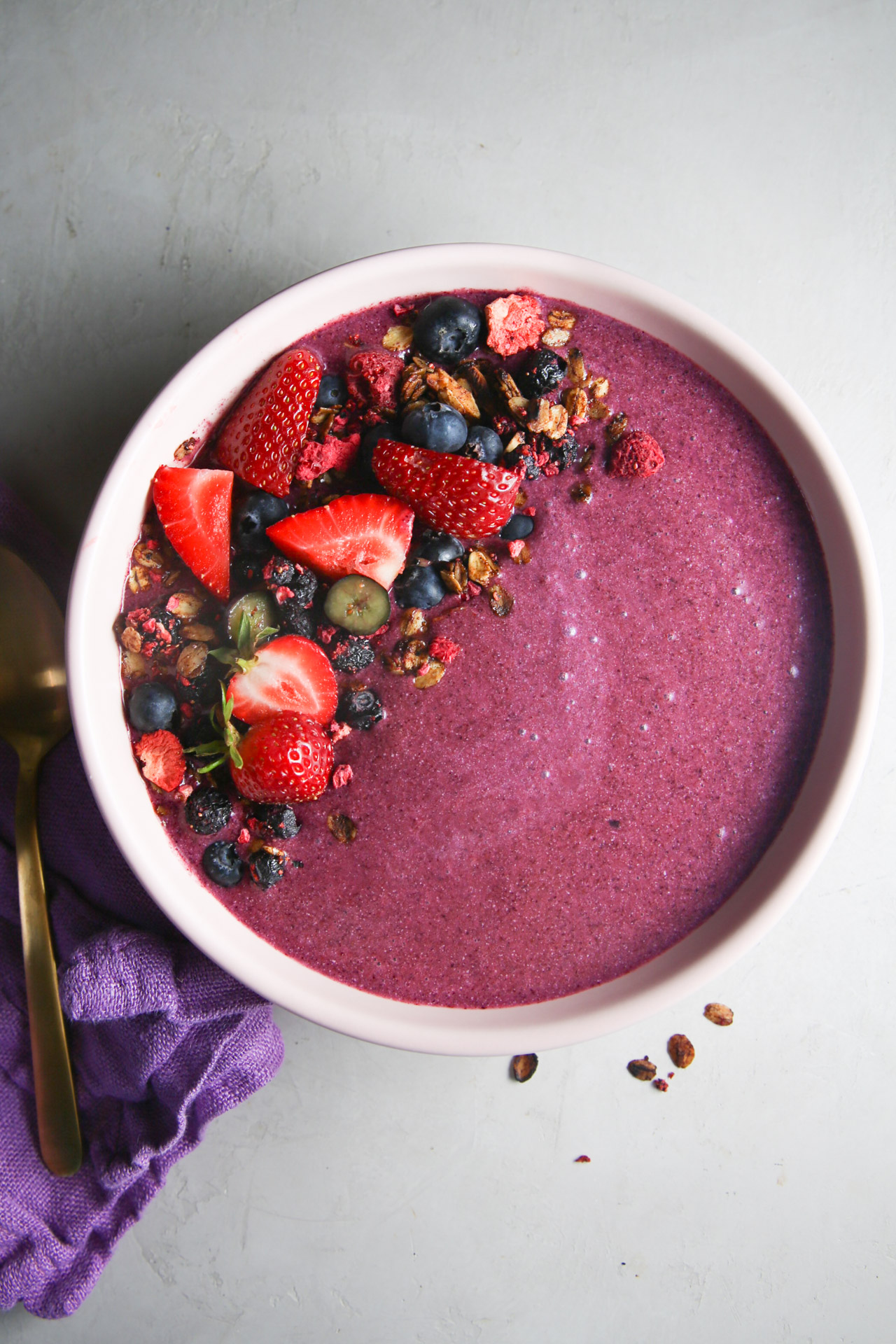
For a standard drinkable smoothie, a 1:1.5 ratio (1 cup liquid to 1.5 cups solids) is ideal. For a "smoothie bowl" that you eat with a spoon, reduce the liquid to 1/2 cup for every 1.5 cups of frozen fruit.
Final Recommendation
To get the most out of your 5-minute frozen smoothie, prioritize variety. Don't get stuck in a "strawberry-banana" rut. Rotate your fruits and "sparks" weekly to ensure you are receiving a wide array of antioxidants and minerals. For the best results, invest in a high-speed blender; the time saved on prep and the superior texture are well worth the initial cost for a daily health habit.