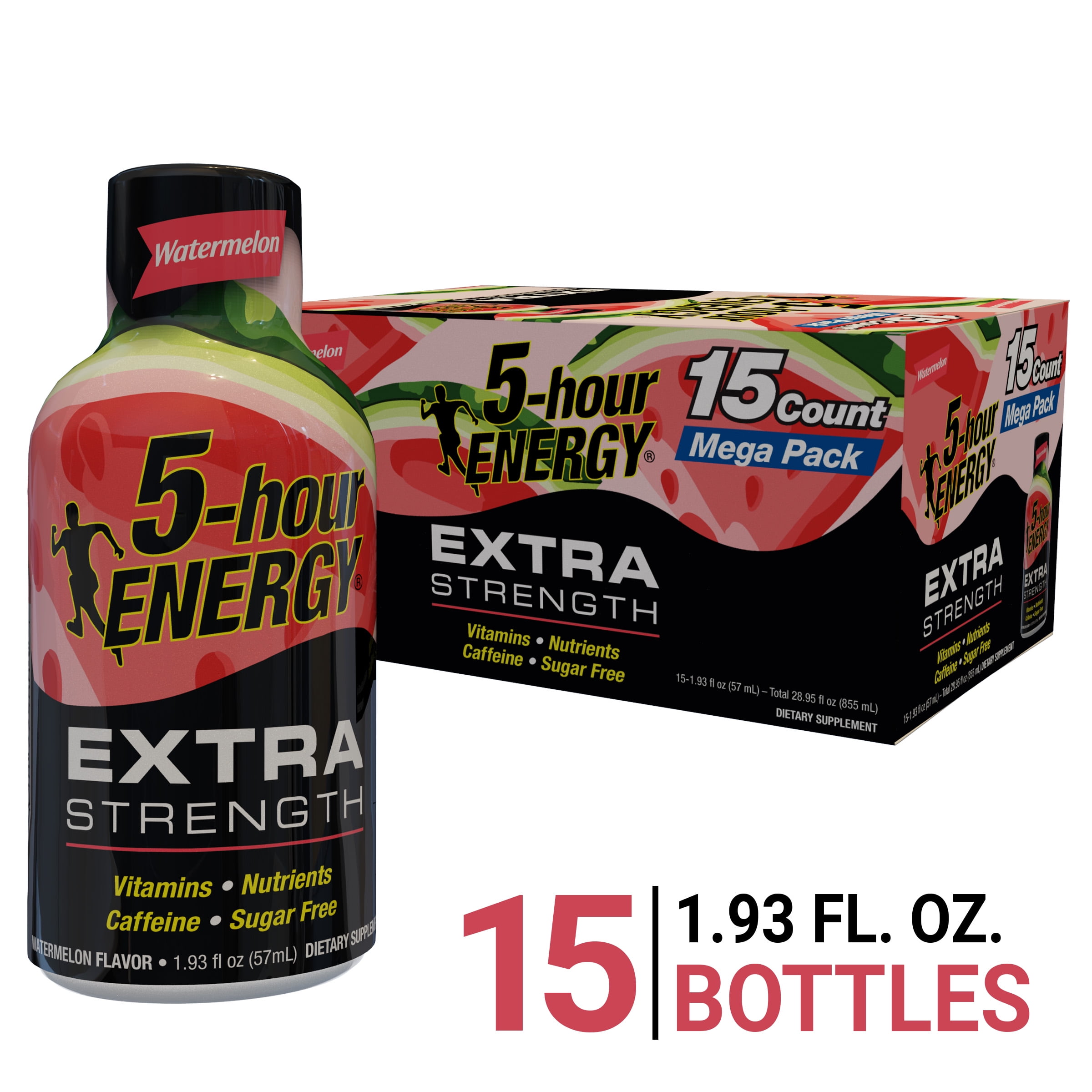
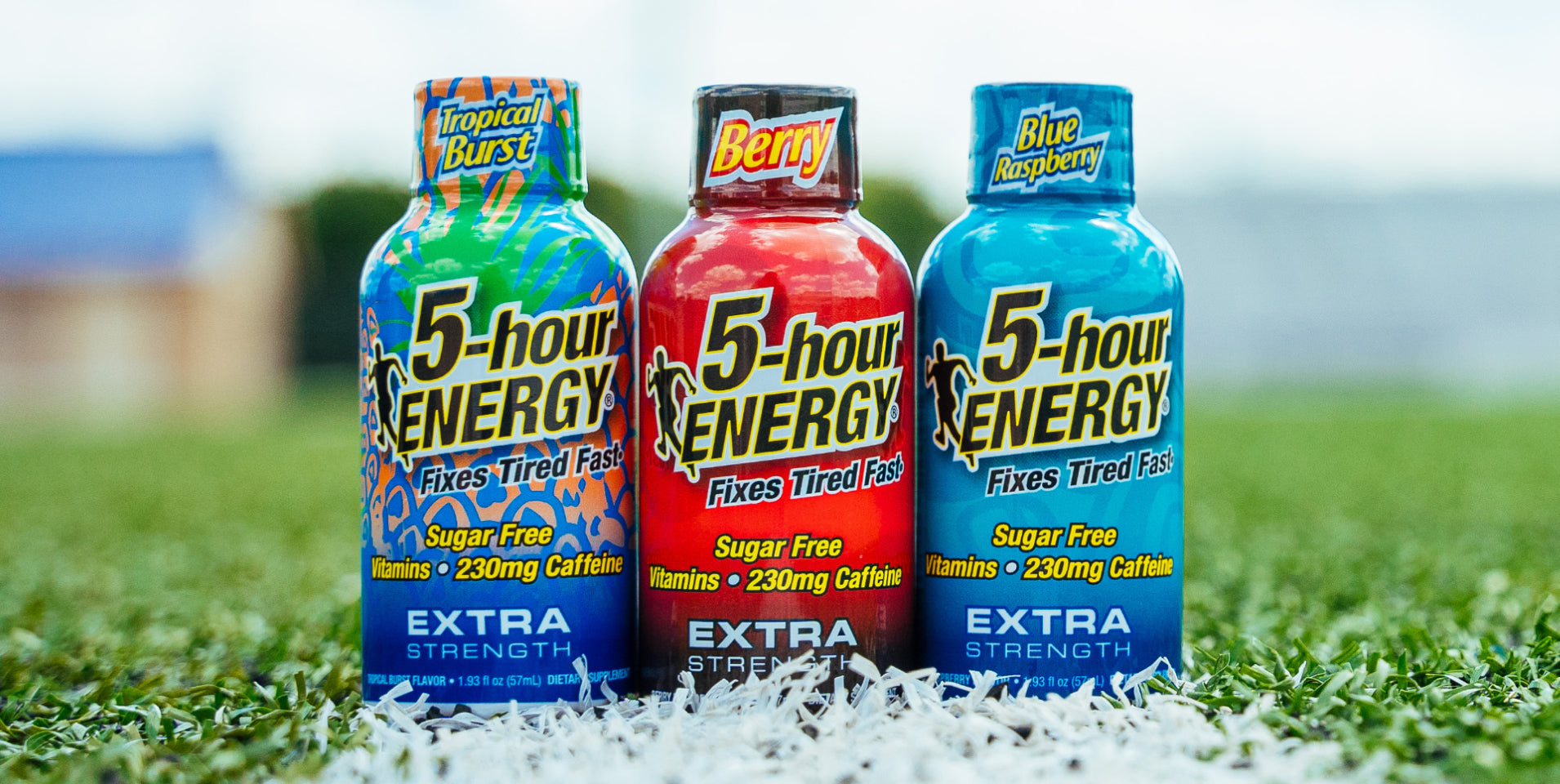
5-hour Energy is a concentrated liquid energy shot designed to provide a rapid boost in mental alertness and focus without the high sugar content of traditional energy drinks. By utilizing a blend of B-vitamins, amino acids, and caffeine, it targets fatigue and helps users maintain productivity for several hours during the day.
Understanding the 5-hour Energy Concept
The term "5-hour Energy" refers to a specific brand of energy shots manufactured by Living Essentials, LLC. Unlike traditional energy drinks like Red Bull or Monster, which often come in 12-to-24-ounce cans, 5-hour Energy is sold in a compact 1.93-ounce (57 ml) bottle. Since its debut in 2004, it has dominated the energy shot market by offering a "no sugar, no herbal stimulants, and four calories" value proposition.
By 2026, the product remains a staple in convenience stores and pharmacies, catering to a diverse demographic that includes long-haul truck drivers, college students, healthcare professionals, and corporate executives. The primary appeal lies in its portability and the speed of consumption. It is not intended to be a thirst quencher but rather a functional supplement aimed at biological efficiency.
Managing expectations is key to understanding the product. The name implies a specific duration of efficacy, though individual metabolic rates significantly influence how long the effects actually last. While the brand claims "no crash," this refers specifically to the absence of a "sugar crash," as the product contains no sucrose or high-fructose corn syrup. However, the pharmacological effects of caffeine and its subsequent withdrawal remain a factor for all users.
Detailed Ingredient Analysis
To understand how 5-hour Energy functions, one must examine the specific components of its "Energy Blend." The formulation has remained relatively consistent, focusing on three pillars: B-vitamins, amino acids, and caffeine.
The Vitamin B Complex
5-hour Energy contains high doses of several B-vitamins, which play a critical role in cellular energy metabolism.
- Vitamin B6 (Pyridoxine): This vitamin is involved in over 100 enzyme reactions, mostly concerned with protein metabolism. It also aids in the synthesis of neurotransmitters like serotonin and norepinephrine.
- Vitamin B12 (Cyanocobalamin): Essential for red blood cell formation and neurological function. B12 helps convert the food you eat into glucose, which the body uses for energy.
- Vitamin B3 (Niacin): Niacin helps the body convert food into fuel. It is also responsible for the "niacin flush" some users experience—a temporary tingling or reddening of the skin caused by the dilation of capillaries.
The Energy Blend (Amino Acids and Nutrients)
The proprietary blend includes several key substances that support cognitive function and physical endurance:
- Taurine: An amino acid that supports neurological development and helps regulate the level of water and minerals in the blood.
- Glucuronolactone: A naturally occurring component of connective tissue. It is often included in energy products for its purported ability to improve alertness and reduce "brain fog."
- L-Tyrosine: An amino acid used by the body to produce dopamine and adrenaline. It is often used in supplements to improve alertness during periods of sleep deprivation.
- L-Phenylalanine: An essential amino acid that serves as a precursor to several important neurotransmitters.
- Choline: A nutrient that supports brain health and neurotransmitter function.
Caffeine Content
Caffeine is the primary stimulant in 5-hour Energy. While the exact amount can vary by flavor and version, the standard "Regular Strength" shot typically contains about 200mg of caffeine, which is roughly equivalent to a 12-ounce cup of premium coffee. The "Extra Strength" versions contain approximately 230mg of caffeine.
Mechanism of Action: How It Works
The physiological impact of 5-hour Energy is primarily driven by the interaction between caffeine and the brain's adenosine receptors. Throughout the day, adenosine builds up in the brain, binding to receptors that signal the body to slow down and prepare for sleep. Caffeine acts as an adenosine receptor antagonist, effectively blocking these signals and preventing the sensation of tiredness.
Simultaneously, the high doses of B-vitamins facilitate the metabolic pathways that produce adenosine triphosphate (ATP), the primary energy currency of cells. While B-vitamins do not "provide" energy in the way calories do, they ensure that the machinery responsible for energy production is running at peak efficiency.
The inclusion of amino acids like L-Tyrosine supports the production of catecholamines (epinephrine, norepinephrine, and dopamine). This helps maintain focus and cognitive "sharpness" even when the body is under stress or fatigued. Because the shot contains zero sugar, the body does not experience a rapid spike and subsequent drop in blood glucose levels, which is the primary cause of the "crash" associated with sugary sodas and energy drinks.
Health Considerations and Potential Side Effects
While 5-hour Energy is generally recognized as safe for healthy adults when used as directed, it is a potent stimulant that should be approached with caution.
Common Side Effects
- Jitters and Restlessness: Due to the high caffeine concentration, users sensitive to stimulants may experience tremors or an inability to sit still.
- Niacin Flush: Some individuals are sensitive to Vitamin B3 (Niacin). This can cause a hot, tingly sensation and redness on the face and neck. It is usually harmless and subsides within an hour, but it can be startling for first-time users.
- Insomnia: If consumed late in the day, the caffeine can interfere with sleep cycles, leading to difficulty falling asleep or poor sleep quality.
- Increased Heart Rate: Stimulants naturally increase the heart rate and can lead to palpitations in sensitive individuals.
Safety Guidelines
The manufacturer recommends that users limit their intake to no more than two bottles per day, consumed several hours apart. It is also advised that individuals check with a healthcare provider if they have high blood pressure, heart conditions, or are pregnant/nursing.
The U.S. Food and Drug Administration (FDA) monitors energy shots as dietary supplements rather than beverages. This distinction means they are subject to different labeling and reporting requirements. Users should always read the label for the most current safety warnings and ingredient disclosures.
5-hour Energy Product Variations in 2026
As of 2026, the product line has expanded to cater to specific needs, including caffeine-free options and enhanced formulas. The following table compares the most common versions available on the market.
| Feature | Regular Strength | Extra Strength | Daily Immune Support | Decaf (Caffeine-Free) |
|---|---|---|---|---|
| Caffeine Content | ~200 mg | ~230 mg | ~100 mg | 0 mg |
| Primary Goal | General Alertness | Maximum Energy | Wellness + Energy | Vitamin Boost Only |
| Calorie Count | 4 Calories | 4 Calories | 10 Calories | 4 Calories |
| Key Ingredients | B-Vitamins, Amino Blend | Higher Caffeine, B-Vitamins | Vitamin C, D, Zinc | B-Vitamins, Amino Blend |
| Recommended Use | Afternoon Slump | Late Night/Long Shift | Morning Routine | Caffeine Sensitivity |
Comparison: Energy Shots vs. Energy Drinks vs. Coffee
Choosing between 5-hour Energy and other caffeine sources depends on the user's specific goals.
Versus Energy Drinks
Traditional energy drinks (e.g., Red Bull) typically contain 80mg to 160mg of caffeine per serving but are often accompanied by 27g to 50g of sugar. The large volume of liquid (8–16 oz) can cause bloating. 5-hour Energy provides more caffeine in a much smaller volume without the caloric load. However, energy drinks provide hydration, whereas energy shots do not.
Versus Coffee
Coffee is a natural source of caffeine and contains beneficial antioxidants. However, the caffeine content in coffee can be highly variable depending on the bean and brewing method. Coffee is also acidic, which can cause gastrointestinal distress for some. 5-hour Energy offers a standardized dose of caffeine and the added benefit of B-vitamins and amino acids not found in a standard cup of black coffee.
Versus Caffeine Pills
Caffeine pills are the most cost-effective option but lack the metabolic support of B-vitamins and amino acids. They also take longer to enter the bloodstream compared to the liquid format of an energy shot, which begins absorption in the mucosal linings of the mouth and stomach almost immediately.
Proper Usage and Optimization Strategies
To get the most out of a 5-hour Energy shot while minimizing potential downsides, users should follow a few strategic guidelines.
- Assess Tolerance: First-time users should start with half a bottle (indicated by a "half-bottle" mark on the label) to see how their body reacts to the caffeine and niacin.
- Hydration is Essential: Caffeine is a mild diuretic. Because 5-hour Energy is concentrated, it is vital to drink plenty of water alongside it to prevent dehydration, which can actually worsen feelings of fatigue.
- Timing the Dose: For peak performance, consume the shot 15 to 30 minutes before the period of required focus. Do not wait until you are completely exhausted, as stimulants are more effective at maintaining alertness than "rescuing" a severely sleep-deprived brain.
- Avoid Mixing with Alcohol: The Centers for Disease Control and Prevention (CDC) warns that mixing caffeine and alcohol can mask the depressant effects of alcohol, leading users to consume more than they realize and increasing the risk of alcohol-related injuries.
- Check for Interaction: If you are taking medication for ADHD, depression, or blood pressure, consult a pharmacist. Stimulants can interact with various prescriptions, potentially increasing blood pressure to unsafe levels.
Market Trends and the Future of Energy Shots
By 2026, the energy shot market has shifted toward "cleaner" labels and functional wellness. While the core 5-hour Energy formula remains popular, there is an increasing demand for versions that include "nootropics" (cognitive enhancers) and natural caffeine sources like green tea extract.
The brand has also navigated significant legal and regulatory landscapes. Historically, the company faced scrutiny regarding its "no crash" claims and the marketing of its proprietary blend. In 2026, the marketing is more focused on transparent ingredient sourcing and specific use-cases, reflecting a more health-conscious consumer base that demands more than just a "buzz."
Environmental impact has also become a factor. The small plastic bottles, while convenient, contribute to single-use plastic waste. In response, some retailers have begun offering "multi-dose" bottles or recycling programs specifically for energy shot containers.
FAQs About 5-hour Energy
How long does it take for 5-hour Energy to kick in?
Most users begin to feel the effects within 10 to 15 minutes of consumption. Because it is a liquid and relatively small in volume, it passes through the stomach quickly and is absorbed rapidly into the bloodstream. Peak caffeine levels in the blood are usually reached within 30 to 60 minutes.
Does 5-hour Energy expire?
Yes, 5-hour Energy has a shelf life, typically around 24 months from the date of manufacture. You can find the "Best By" date printed on the bottle or the packaging. Consuming it past this date is generally not dangerous, but the potency of the vitamins and the flavor quality may degrade significantly.
Can I drink 5-hour Energy every day?
While many people do use it daily, it is generally recommended to use it only when needed. Daily use can lead to caffeine tolerance, meaning you will need more of the product to achieve the same effect. It can also lead to dependency, resulting in headaches or irritability if you skip a day.
Is there a sugar-free version of 5-hour Energy?
Actually, all standard versions of 5-hour Energy are sugar-free. They are sweetened with sucralose (Splenda), which allows the product to maintain its low-calorie profile (usually 4 calories) while providing a palatable flavor.
Can I mix 5-hour Energy with other drinks?
Yes, many users mix the shot into water, juice, or tea to dilute the strong flavor. However, you should avoid mixing it with other caffeinated beverages or sodas, as this can lead to excessive caffeine intake and increased heart rate.
Final Recommendation
5-hour Energy remains a highly effective tool for managing temporary fatigue and enhancing focus, provided it is used responsibly. It is best suited for individuals who need a quick, portable, and sugar-free caffeine boost. To ensure the best experience, always start with a partial dose to assess your sensitivity, stay hydrated, and avoid consumption late in the evening to protect your natural sleep cycle. For those with underlying health conditions, a quick consultation with a medical professional is the safest path before making energy shots a regular part of your routine.