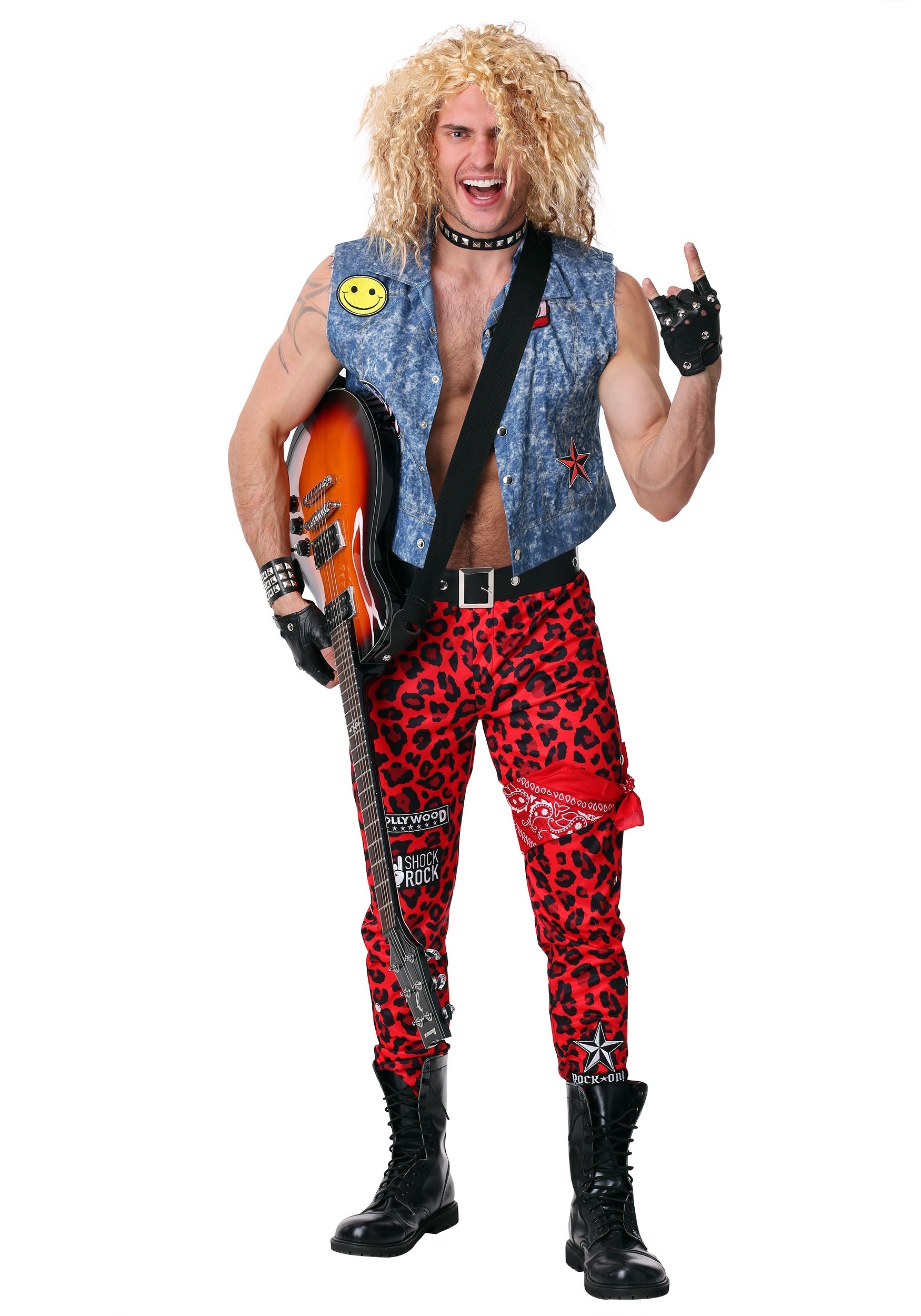
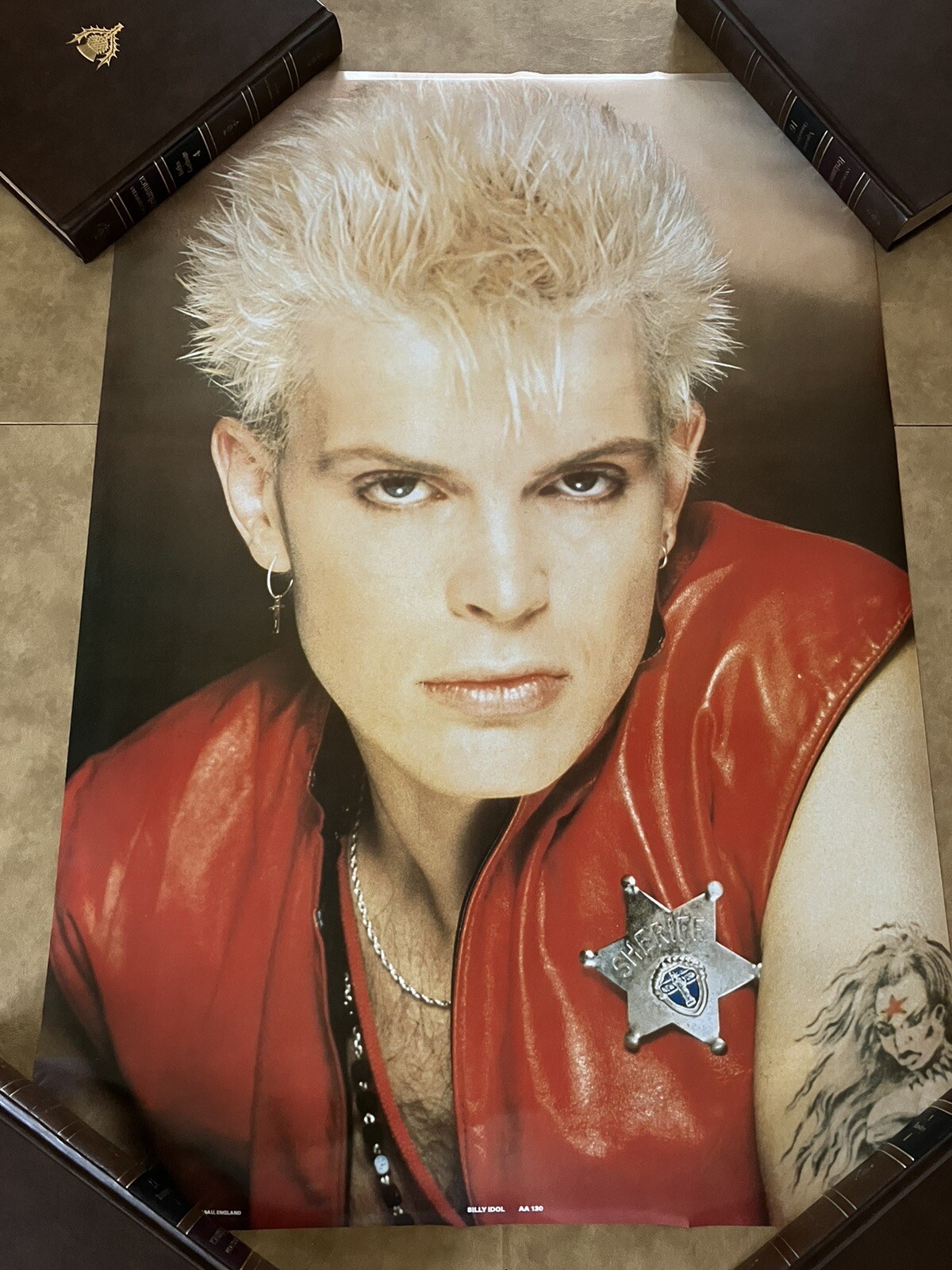
The 1980s rock landscape was a dynamic era defined by massive stadium anthems, the rise of MTV, highly technical musicianship, and a fierce division between glossy pop-metal and the raw, independent underground. This decade transformed rock from a countercultural phenomenon into a high-production corporate art form, forever altering how music was marketed, consumed, and performed.
The Cultural and Technological Shift of the 1980s
Rock music in the 1980s did not emerge in a vacuum; it was forged by rapid technological advancements and profound shifts in global media consumption. The opening of the decade immediately felt the shockwaves of the late-1970s punk rock explosion, which had dismantled the bloated, self-indulgent progressive rock of the early 1970s. However, rather than returning rock to a permanent state of garage-band minimalism, musicians in the 1980s married the raw energy of punk with unprecedented levels of instrumental virtuosity and production sheen.
At the epicenter of this transformation was the launch of MTV on August 1, 1981. Music television changed rock from an auditory medium into an intensely visual spectacle. Suddenly, a band’s image, fashion sense, and video-budget execution were just as critical to their commercial success as their songwriting ability. This era gave birth to the music video director as an auteur and elevated charismatic frontmen into global fashion icons. Synthesizers, originally adopted as novelty textures in the 1970s, became core structural components of rock arrangements, blending with heavily overdriven guitar amplifiers to create a massive, wall-of-sound production style that dominated the airwaves.
Furthermore, the recording industry itself experienced a massive boom. The introduction of the Compact Disc (CD) in the early 1980s revitalized record label revenues and prompted millions of consumers to repurchase their favorite albums in digital format. Recording studios evolved into high-tech laboratories equipped with digital reverb units, solid-state mixing consoles, and MIDI-capable synthesizers. This environment encouraged meticulous tracking, layering, and pristine clarity, separating 1980s rock sonically from the warmer, more organic analog recordings of the previous decade.
The Spectrum of Subgenres: Hair Metal, Arena Rock, and New Wave
The umbrella term "1980s rock" actually houses several distinct, often competing subgenres that catered to different segments of the listening public. Understanding the era requires examining how these subgenres interacted, borrowed from one another, and eventually collided.
Arena Rock and Mainstream Pop-Rock
Bands that had established themselves in the 1970s—such as Journey, Foreigner, REO Speedwagon, and Styx—adapted to the new decade by refining their sound into radio-friendly power ballads and mid-tempo anthems. These tracks relied on soaring vocal hooks, shimmering keyboard intros, and universally relatable themes of love, heartbreak, and resilience. They filled basketball arenas and football stadiums, establishing a touring blueprint that prioritized massive light shows, pyrotechnics, and theatrical staging.
Hair Metal and Glam Metal
Centering heavily on the Sunset Strip in Los Angeles, hair metal (or glam metal) became the undisputed commercial titan of the mid-to-late 1980s. Bands like Mötley Crüe, Ratt, Poison, and Cinderella combined heavy metal guitar riffs with pop hooks, flamboyant makeup, teased hair, and hedonistic lifestyle lyrics. While critical reception at the time was often dismissive, the musicianship—particularly the lightning-fast guitar solos pioneered by players influenced by Eddie Van Halen—was exceptionally high.
Post-Punk, Goth Rock, and Indie Rock
Parallel to the stadium spectacles, the underground fostered a darker, more introspective sound. Post-punk and gothic rock acts like The Cure, Siouxsie and the Banshees, and The Smiths utilized chorus-drenched guitars, melancholic lyricism, and steady, driving basslines. These bands laid the essential groundwork for modern alternative rock, appealing to listeners who rejected the hyper-masculine posturing and commercialism of mainstream hair metal.
| Subgenre | Primary Characteristics | Defining Artists | Key Technological Influence |
|---|---|---|---|
| Hair / Glam Metal | High-energy guitar solos, catchy pop hooks, glam aesthetics, power ballads | Mötley Crüe, Bon Jovi, Poison, Ratt | Floyd Rose tremolo systems, high-gain tube amplifiers |
| Arena / Melodic Rock | Polished production, keyboard-heavy intros, soaring vocals, radio-friendly structures | Journey, Foreigner, Survivor, Styx | Polyphonic synthesizers, early digital reverb units |
| Post-Punk & Goth | Flanged and chorused guitars, melancholic themes, driving basslines, atmospheric production | The Cure, Echo & the Bunnymen, The Smiths | Chorus and delay pedals, drum machines |
| Hard Rock & Blues-Metal | Aggressive swagger, classic blues scales, gritty vocals, stadium-filling heavy riffs | AC/DC, Guns N' Roses, Aerosmith (80s revival) | Marshall stacks, Gibson Les Pauls, vintage overdrive |
The Guitar Revolution and Technical Mastery
It is impossible to discuss 1980s rock without addressing the near-monopoly that the electric guitar held over popular culture during the decade. Following Eddie Van Halen’s earth-shattering debut in 1978, the 1980s became a golden age for guitar pyrotechnics. Guitarists across the globe spent countless hours practicing tapping, sweep-picking, and dive-bombing maneuvers on modified instruments.
This technical arms race drove unprecedented innovation in guitar manufacturing. Companies like Kramer, Jackson, Ibanez, and Charvel catered to the modern shredder by offering superstrats—guitars featuring slim, fast necks, 24 frets, high-output humbucker pickups, and locking tremolo systems like the Floyd Rose. These hardware innovations allowed players to aggressively manipulate string pitch without knocking the instrument out of tune.
At the same time, amplification technology shifted dramatically. The search for sustained, singing lead tones led to the widespread adoption of multi-stage tube amplifiers, most notably the Marshall JCM800 and various boutique high-gain designs. Guitarists paired these amps with rack-mounted signal processors from companies like Eventide and Lexicon, introducing lush choruses, digital delays, and harmonizers into standard rock rigs. This era transformed the guitar solo from a brief bridge within a song into a central showcase of athletic and artistic achievement.
The Underground Counter-Movement: College Rock and the Seeds of Alternative
While hair metal bands dominated Billboard charts and sold out stadiums, a powerful underground current was brewing on college campuses and in independent clubs. Known initially as "college rock," this movement rejected corporate radio formulas in favor of artistic integrity, DIY ethics, and jangly or abrasive guitar textures.
College radio stations served as the lifeblood of this counter-culture, broadcasting bands like R.E.M., The Replacements, and Hüsker Dü to eager student audiences. These groups brought intelligent, cryptic lyricism and punk-derived urgency back to rock music. Unlike their MTV-glam counterparts, musicians in the college rock scene often dressed in ordinary street clothes, projecting an accessible, anti-rock-star persona that resonated deeply with disaffected youth.
This underground network also absorbed influences from British post-punk and indie scenes, creating a transatlantic bridge of alternative music. As the decade drew to a close, mainstream audiences grew fatigued by the oversaturation of formulaic hair metal bands. The underground foundation built throughout the 1980s created the exact launching pad needed for the alternative rock explosion of the early 1990s, led by bands who cut their teeth in this very era.
The Turning Point: 1987 and the Clash of Styles
The year 1987 stands as the absolute watershed moment of 1980s rock, capturing the genre at its commercial peak while simultaneously planting the seeds of its destruction. During this single twelve-month period, the fault lines between glossy mainstream pop-metal and gritty, dangerous street rock became impossible to ignore.
In the summer of 1987, Guns N' Roses released Appetite for Destruction. Initially a slow seller, the album eventually became a juggernaut fueled by the raw, unpolished danger of tracks like "Sweet Child o' Mine" and "Welcome to the Jungle." It stripped away the theatrical makeup and synthetic keyboards of glam metal, replacing them with sleazy, blues-infused hard rock that felt genuinely hazardous.
Concurrently, mainstream pop-metal reached its absolute zenith with the release of Def Leppard’s Hysteria and Bon Jovi’s Slippery When Wet. These albums perfected the science of stadium rock, utilizing cutting-edge studio techniques and multi-platinum marketing strategies to conquer global charts. However, the sheer excess of the late 1980s left the genre vulnerable. By the end of the decade, listeners were primed for a change, making 1987 the fascinating apex where the old guard and the impending alternative revolution brushed shoulders.
Frequently Asked Questions About 1980s Rock
What defined the distinct guitar sound of 1980s rock?
The 1980s guitar sound was characterized by high-gain tube amplification, heavy use of signal processing effects like chorus and digital delay, and innovative hardware such as locking tremolo systems. Players utilized these tools to achieve sustaining, singing lead tones and aggressive, percussive rhythms that cut through dense synth-heavy mixes.
How did MTV change the career trajectory of rock bands in the 1980s?
MTV transformed music into a visual medium, making a band's image, fashion, and conceptual video execution vital to commercial success. Artists who embraced theatrical music videos could achieve overnight superstardom, while traditional touring acts that lacked visual flair struggled to capture younger audiences.
What is the difference between hair metal and arena rock?
While both filled large venues, hair metal (or glam metal) specifically emphasized flashy visual aesthetics, teased hair, makeup, and hedonistic lifestyle lyrics rooted in the Los Angeles Sunset Strip scene. Arena rock encompassed a broader, more polished melodic sound—often featuring prominent synthesizers and radio-friendly power ballads—played by veteran bands from the 1970s and their stylistic successors.
Why did the 1980s rock scene decline at the end of the decade?
By the late 1980s, the market became oversaturated with formulaic hair metal bands that mimicked the formulas of earlier commercial successes without offering fresh artistic value. This fatigue, combined with the growing popularity of authentic underground college rock and hip-hop, created an opening for the alternative rock movement to sweep the mainstream in the early 1990s.
Conclusion and Next Actions
Examining 1980s rock reveals a decade of profound artistic contrast, technological innovation, and cultural spectacle. To fully appreciate this musical period, take time to listen beyond the standard radio hits. Explore foundational albums from both the massive stadium acts and the pioneering college rock underground, or investigate the vintage gear developments that shaped the era's unforgettable guitar tones.