In 1984, Michael Jordan signed a landmark five-year, $2.5 million contract with Nike that included a revolutionary 5% royalty on all sneaker sales. This agreement fundamentally shifted sports marketing by moving away from flat-fee endorsements toward a true revenue-sharing partnership, eventually growing into the multibillion-dollar Jordan Brand.
The Sneaker Landscape of 1984: Why Nike Was the Underdog
To understand the magnitude of Michael Jordan’s original deal, one must look at the state of the athletic footwear industry in the early 1980s. At that time, Nike was not the global behemoth it is today. In 1984, Nike was struggling with its first-ever quarterly loss. The company was primarily known for running shoes, and the "jogging craze" of the 1970s was cooling off.
In contrast, Converse was the official sneaker of the NBA, boasting a roster that included Magic Johnson and Larry Bird. Adidas was the cultural leader, dominating the hip-hop scene and the international market. Michael Jordan himself was an "Adidas nut" and initially had no interest in meeting with Nike. His agent, David Falk, had to enlist Jordan’s mother, Deloris, to convince him to even get on a plane to visit Nike’s headquarters in Beaverton, Oregon.
Nike’s desperation was their greatest asset. Because they were losing ground to Adidas and Converse, they were willing to take a risk that the established leaders were not: they were willing to build an entire brand around a single rookie player who had yet to play a professional game.
Anatomy of the Deal: Breaking Down the 1984 Contract
The contract signed by Michael Jordan in 1984 was unprecedented in both its financial structure and its long-term incentives. While the base salary was significant for the time, the royalty clause was the true "black swan" event of the sports business world.
The Salary and Royalties
The base terms of the deal were as follows:
- Duration: Five years.
- Base Salary: $500,000 per year (a total of $2.5 million).
- Royalties: 5% on every pair of Air Jordan sneakers sold.
At the time, the largest endorsement deals were typically in the range of $100,000 per year and rarely included royalties. By granting Jordan a percentage of the revenue, Nike effectively made him a business partner rather than a mere "pitchman." This alignment of interests ensured that both the athlete and the corporation were incentivized to innovate and market the product aggressively.
The Escape Clauses and Performance Hurdles
Nike was taking a massive financial risk, and they included several "out" clauses to protect themselves. If Jordan did not meet specific performance metrics, Nike had the right to terminate the contract early. These hurdles included:
- Winning the NBA Rookie of the Year award.
- Becoming an NBA All-Star.
- Averaging 20 points per game.
- Selling $4 million worth of shoes by the end of the third year.
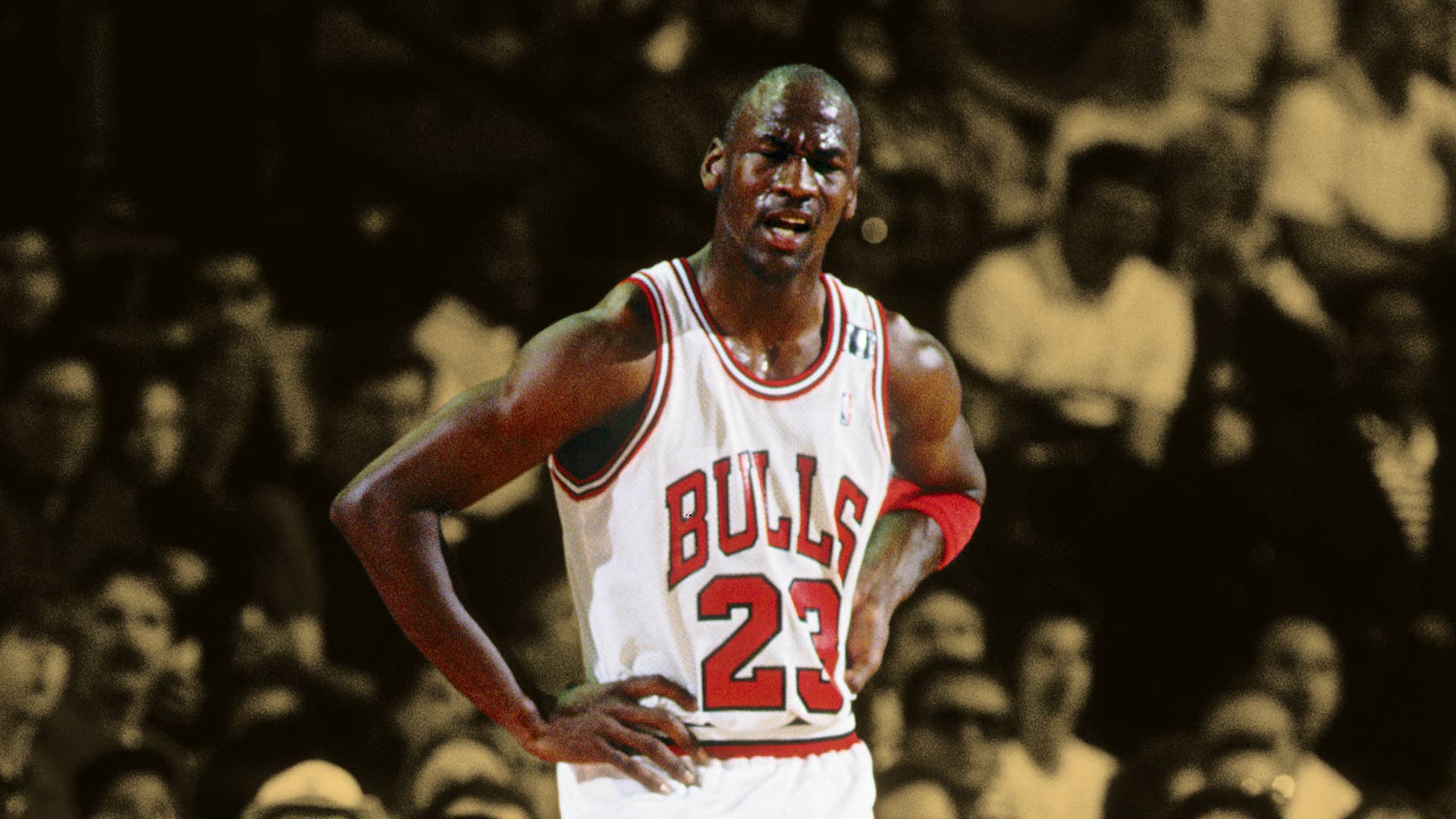
Jordan famously obliterated these requirements. He was named Rookie of the Year, became an All-Star starter, and averaged 28.2 points per game in his first season. Most importantly for Nike's bottom line, the Air Jordan 1 generated over $126 million in sales in its first year alone—more than 30 times the three-year target Nike had set.
The Marketing Genius: The "Banned" Myth and Air Jordan 1
The success of the original deal was not just due to Jordan's talent, but also to a brilliant marketing campaign orchestrated by Nike’s Rob Strasser and Peter Moore. The primary catalyst was the "Banned" narrative surrounding the Air Jordan 1.
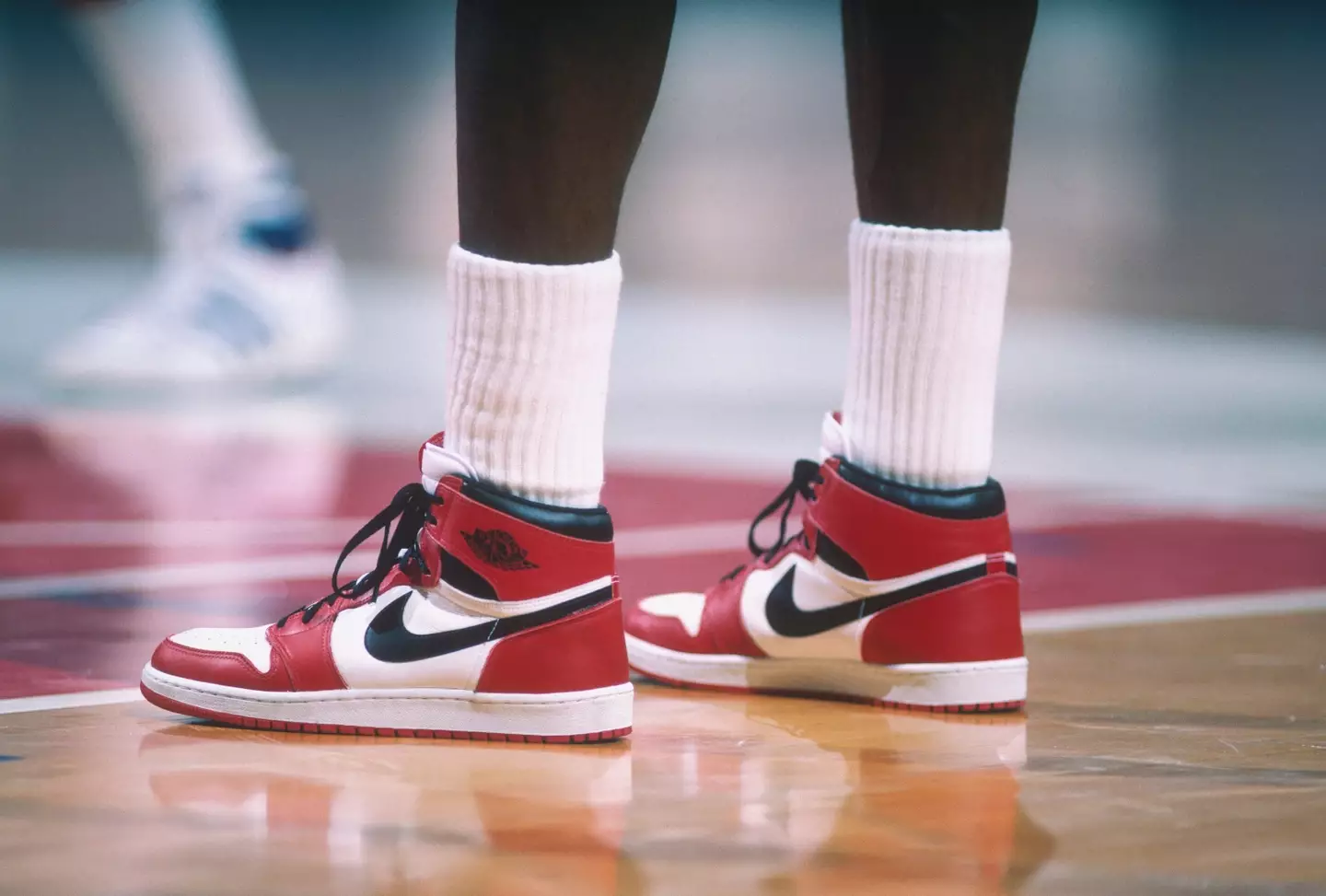
The NBA had a "uniformity of uniform" rule, stating that a player's shoes must be at least 51% white and match the rest of the team. Jordan’s black and red (Bred) sneakers violated this policy. The NBA reportedly sent a letter to Nike stating that Jordan would be fined $5,000 every time he wore the "prohibited" shoes on court.
Nike seized this opportunity. They agreed to pay Jordan’s fines and filmed a commercial featuring Jordan standing still while the camera panned down to his shoes. A voiceover stated: "On September 15, Nike created a revolutionary new basketball shoe. On October 18, the NBA threw them out of the game. Fortunately, the NBA can't stop you from wearing them." This created an aura of rebellion and "cool" that made the Air Jordan 1 a must-have item for teenagers across America, transcending the sport of basketball.
The Value Proposition: Financial Reality vs. Cultural Capital
When analyzing the "value" of the deal, one must distinguish between the initial contract and the long-term equity it created. In 1984, $500,000 was roughly equivalent to the salary of a top-tier NBA veteran. However, the royalty structure meant that as Jordan's fame grew, his compensation scaled exponentially.
By the early 1990s, Jordan was earning more from Nike than from his Chicago Bulls salary. This pioneered the modern "superstar" economy, where an athlete's off-court brand value far exceeds their on-court earnings. In 2026, we look back at this as the moment the "Athlete-as-a-Business" was born.
| Feature | Nike Offer (1984) | Standard Industry Offer (1984) |
|---|---|---|
| Annual Base | $500,000 | $50,000 - $150,000 |
| Royalties | 5% on Net Sales | 0% (Flat Fee Only) |
| Personal Branding | Signature "Air Jordan" Line | Generic Team Shoes |
| Marketing Support | National TV Campaigns | Local Print & Appearances |
| Equity Potential | High (Revenue Sharing) | None |
From Contract to Empire: The 1997 Transition
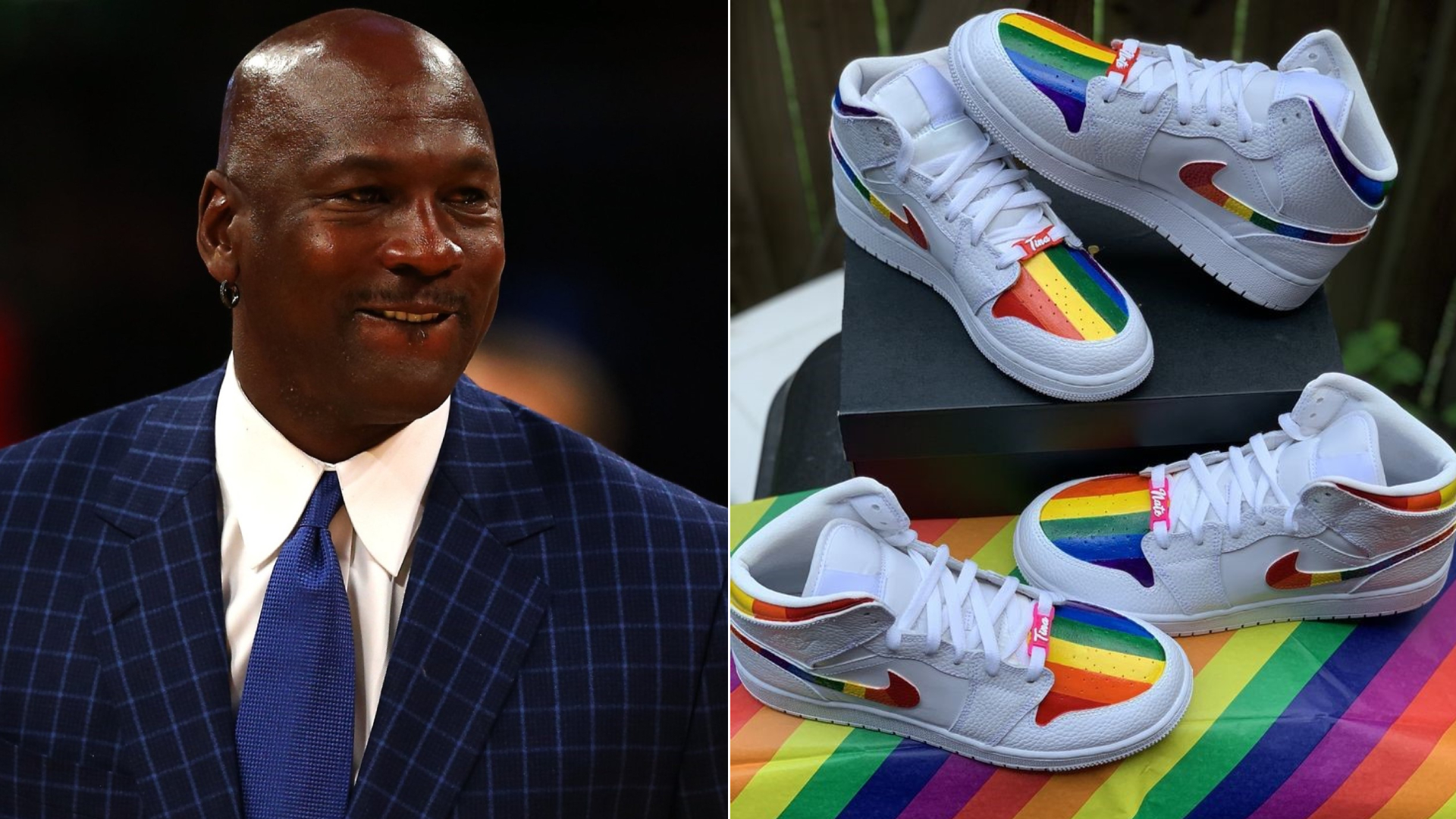
The original deal was so successful that by 1997, Nike and Jordan decided to spin off the line into its own sub-brand: Jordan Brand. This was a pivotal moment in corporate structure. Jordan Brand was given its own designers, marketing team, and even its own roster of sponsored athletes (the "Team Jordan" athletes).
This move solidified the legacy of the original 1984 deal. It ensured that the brand would live on long after Michael Jordan retired from the game of basketball. The structure changed from a simple endorsement to a divisional partnership. Jordan’s involvement in the design process and the selection of new athletes became a template for how modern icons—from LeBron James to Travis Scott—interact with major corporations.
The Global Legacy in 2026
As of 2026, the Jordan Brand has become a cornerstone of Nike’s financial stability. The brand consistently generates over $6 billion to $7 billion in annual revenue. Michael Jordan’s annual royalty checks are estimated to be in the hundreds of millions, far eclipsing his total career NBA earnings of approximately $94 million.
The legacy of the deal extends beyond money. It changed:
- Sneaker Culture: It birthed "sneakerhead" culture and the secondary resale market.
- Athlete Empowerment: It gave athletes the blueprint to demand a seat at the table.
- Global Fashion: It bridged the gap between performance sportswear and high-end streetwear.
The 1984 deal remains the gold standard. While other athletes have signed "lifetime" deals (like LeBron James and Kevin Durant), none have achieved the specific cultural and financial synergy of the original Jordan-Nike partnership. It was a perfect storm of a desperate company, a visionary agent, and a generational talent.
Frequently Asked Questions
Did Michael Jordan really want to sign with Nike?
No. Jordan famously preferred Adidas and even told his agent he didn't want to visit Nike. He only went at the insistence of his mother, Deloris Jordan. Adidas was unable to offer a signature shoe at the time, which ultimately allowed Nike to win the bid by promising Jordan his own brand identity.
How much did Michael Jordan make from the first year of the deal?
While his base salary was $500,000, the royalties from the $126 million in first-year sales were the real windfall. At a 5% royalty rate, Jordan earned roughly $6.3 million in royalties in 1985 alone—over 12 times his base salary.
What was the "Three-Year" clause in the contract?
Nike included a clause that allowed them to cancel the deal if Jordan did not sell $4 million worth of shoes by the end of his third year. Jordan reached this milestone in the first few months of his rookie season, rendering the clause irrelevant almost immediately.
Was the Air Jordan 1 actually the shoe banned by the NBA?
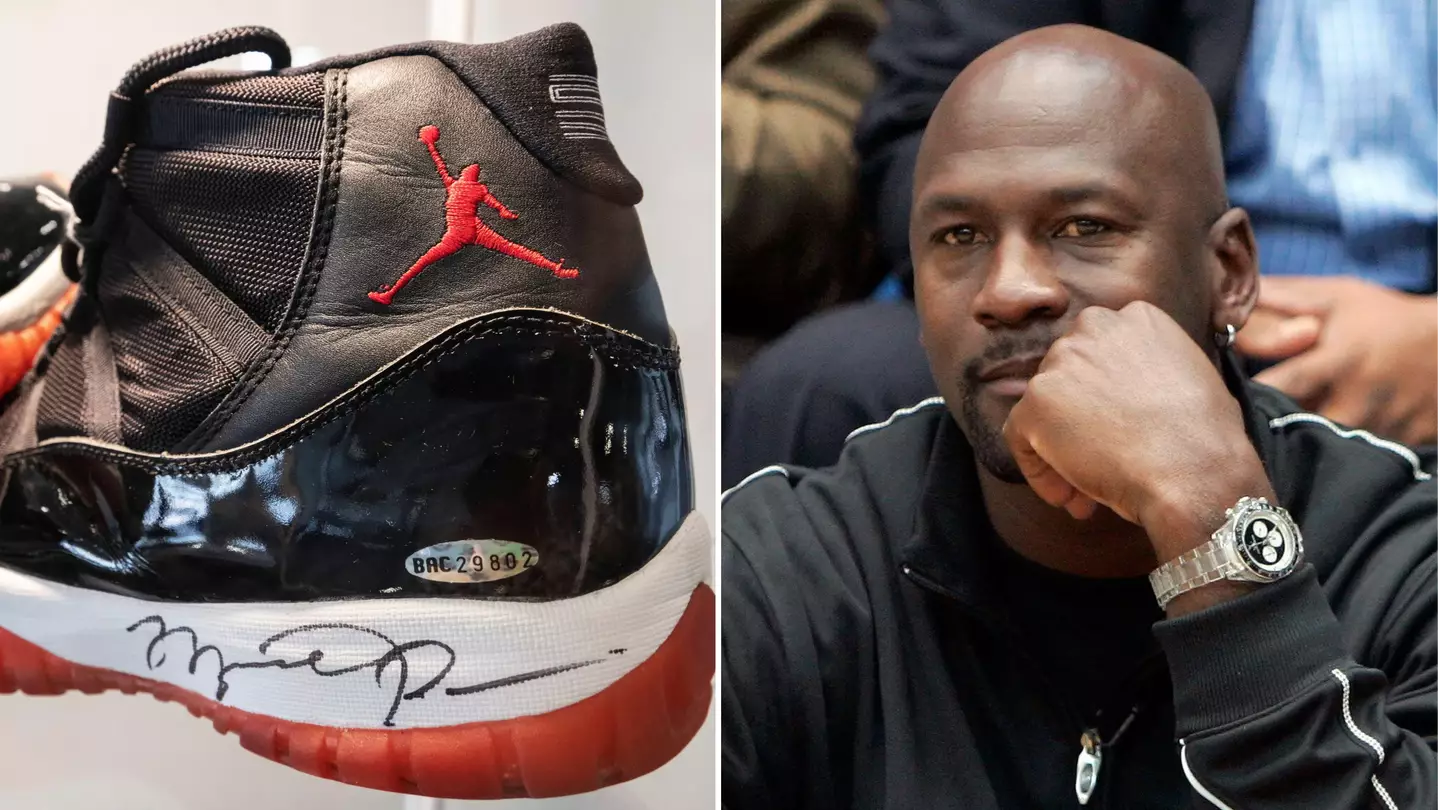
Technically, no. The shoe that the NBA originally sent the warning letter about was the Nike Air Ship, which Jordan wore in a black-and-red colorway during the 1984 preseason. However, Nike used the controversy to market the Air Jordan 1, which was the shoe they were preparing for retail. The "Bred" Air Jordan 1 became the "Banned" shoe in the eyes of the public.
How does Jordan Brand impact Nike’s revenue today?
In recent fiscal years leading up to 2026, Jordan Brand has accounted for roughly 13% to 15% of Nike’s total wholesale equivalent revenues. It is a critical growth driver, especially in the "lifestyle" and women's footwear segments, which have expanded significantly over the last decade.
Practical Recommendation for Analysts and Investors
When evaluating the value of sports endorsements in the current 2026 market, it is vital to look for revenue-sharing models rather than flat-fee structures. The Michael Jordan legacy teaches us that "upside" is always more valuable than "guaranteed money" for a generational talent. For brands, the lesson is clear: authentic storytelling (like the "Banned" campaign) and a willingness to give the athlete creative agency are the prerequisites for building a brand that outlasts the athlete's playing career. Investors should monitor Nike’s ability to maintain the "scarcity" of the Jordan Brand, as over-saturation is the primary risk to the premium pricing model established forty years ago.