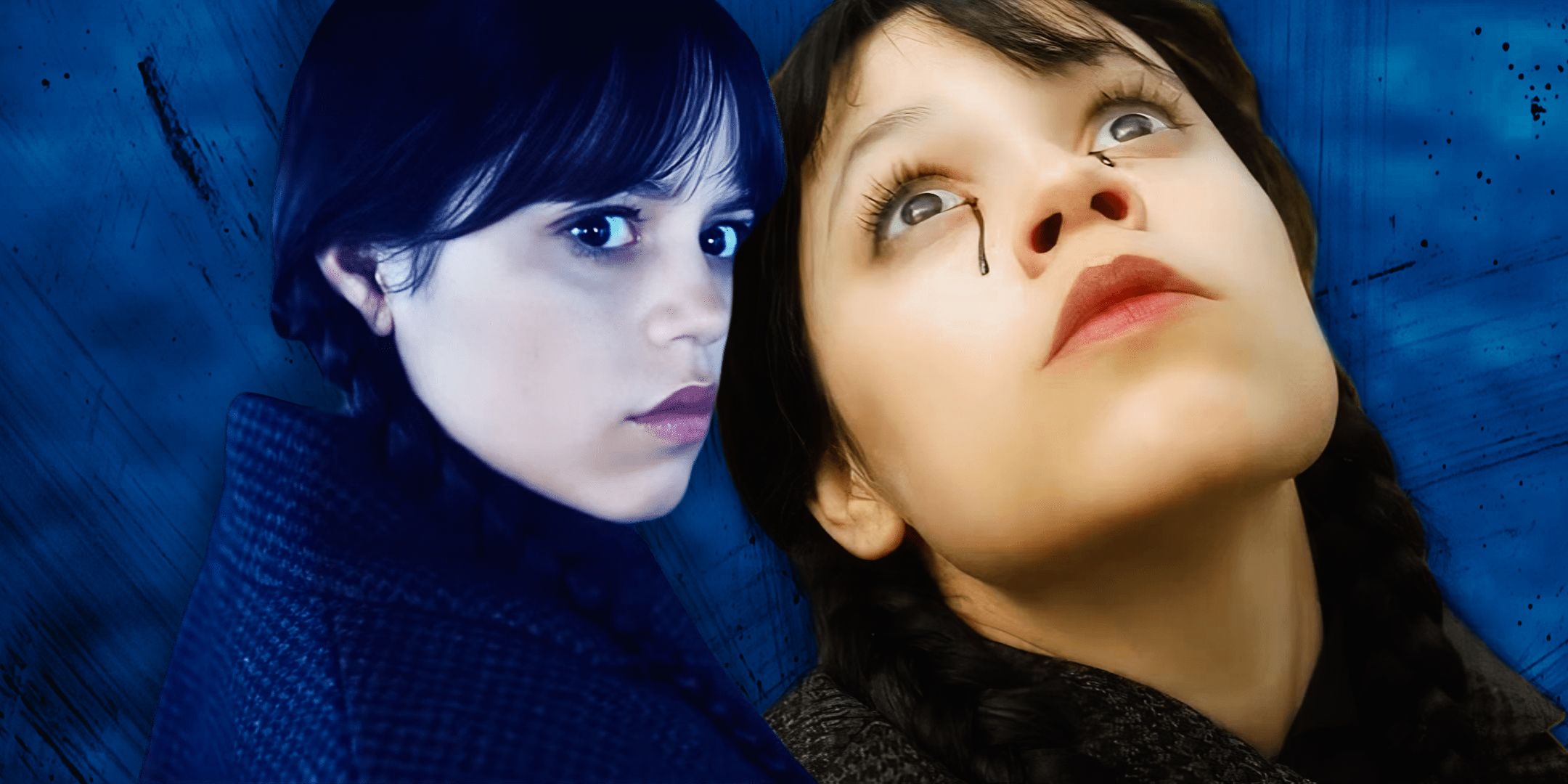
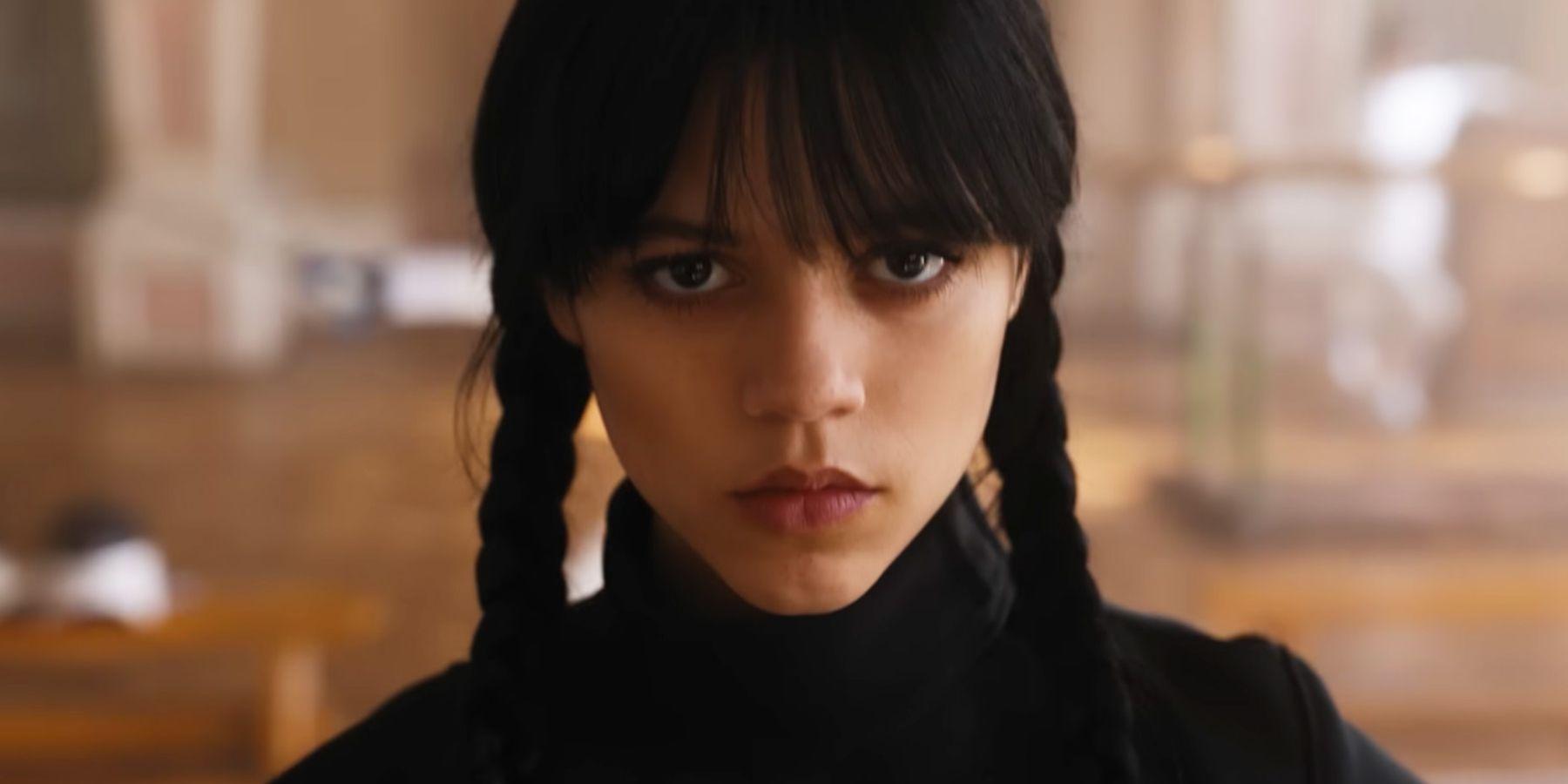
Wednesday Addams has evolved from a morbid, deadpan comic strip panel into a global pop culture icon, symbolizing dark humor, nonconformity, and razor-sharp intellect. Created by cartoonist Charles Addams in 1938, the character has spanned multiple television series, feature films, animated adaptations, and streaming phenomena, cementing her status as a masterclass in gothic satire.
The Origins of Wednesday Addams: Charles Addams and The New Yorker
The genesis of Wednesday Addams lies in the macabre imagination of cartoonist Charles Addams, whose work for The New Yorker defined a distinct brand of witty, high-society morbidity. In the earliest single-panel cartoons published during the late 1930s, the characters were entirely unnamed. They operated as a nameless collective of eccentric, wealthy weirdos living in a dilapidated Victorian mansion. Charles Addams drew inspiration from his own childhood in Westfield, New Jersey, which featured striking Victorian architecture and an old Presbyterian cemetery.
When the television adaptation was developed in 1964, the network requested names for the characters. Charles Addams ultimately suggested "Wednesday," drawing inspiration from the traditional English nursery rhyme line, "Wednesday's child is full of woe."
The early iterations of the character established her core aesthetic—dark braided pigtails, a penchant for lethal pets, and a calm, emotionless demeanor amidst chaos. However, her character traits were far more subdued in the print cartoons compared to the live-action television adaptation. In the comics, she was occasionally depicted as a sweet-natured, albeit unusual, little girl who enjoyed playing with headless dolls. The television series transformed her into a deadpan eccentric who kept a pet black widow spider named Homer and practiced ballet with a menacing edge.
Evolution of Portrayals: From Lisa Loting to Jenna Ortega
The cinematic and television history of Wednesday Addams is marked by brilliant casting choices, each actress bringing a distinct interpretation to the character's signature deadpan archetype while remaining faithful to the core blueprint.
The Television Pioneers and Cinematic Renaissance
- Lisa Loring (1964–1966): As the original Wednesday in the ABC live-action television series The Addams Family, Loring established the foundational physical traits: pale skin, dark braids, and a quiet, unsettling stillness. She was portrayed as a young girl fascinated by macabre hobbies like raising lizards and playing with a guillotine for her dolls.
- Christina Ricci (1991, 1993): Ricci’s performance in Barry Sonnenfeld’s feature films The Addams Family (1991) and Addams Family Values (1993) is widely credited with redefining Wednesday for modern audiences. Ricci infused the character with a cynical, highly intelligent edge, transforming her from a quirky child into a chillingly deadpan misanthrope capable of psychological warfare. Her delivery of sharp, unblinking threats became the gold standard for the role.
- Chloë Grace Moretz (2019, 2021): In the animated film adaptations directed by Conrad Vernon and Greg Tiernan, Moretz provided the voice for a modernized Wednesday. This version explored her teenage rebellion against suburban conformity, introducing a sharp visual contrast between her gothic aesthetic and a pastel-colored suburban landscape.
- Jenna Ortega (2022–Present): Starring in the Netflix series Wednesday, directed in part by Tim Burton, Ortega brought a complex, psychic-enabled, deadpan teenage iteration to life. Ortega’s performance leaned into physical comedy, deadpan delivery, and a nuanced exploration of teenage isolation, culminating in the viral, self-choreographed "Goo Goo Muck" dance sequence that dominated social media globally.
| Actress | Primary Medium | Era | Defining Characteristic |
|---|---|---|---|
| Lisa Loring | Live-Action TV | 1964–1966 | Sweet-faced innocence paired with genuinely lethal hobbies and pets. |
| Christina Ricci | Feature Film | 1991–1993 | Razor-sharp cynicism, gothic intellectualism, and chilling deadpan delivery. |
| Chloë Grace Moretz | Animated Film | 2019–2021 | Modern teenage angst contrasted against pastel-colored suburban conformity. |
| Jenna Ortega | Streaming Series | 2022–Present | Psychic abilities, martial arts proficiency, and viral deadpan physical comedy. |
Cultural Impact and Global Resonance
The cultural footprint of Wednesday Addams extends far beyond standard television nostalgia. She has become an archetype for the "goth girl" subculture, a feminist icon of unbothered nonconformity, and a frequent subject of academic and media analysis regarding how society views female anger and stoicism.
Unlike traditional female protagonists in media who are expected to display warmth, emotional availability, and optimism, Wednesday Addams is explicitly unapologetic about her anti-social tendencies. She refuses to smile on command, rejects peer pressure, and prioritizes her own intellectual curiosities over social integration. This has made her a powerful figure for audiences, particularly young women and marginalized groups who find comfort in a character that refuses to bend to societal expectations of pleasantness.
The 2022 Netflix series directed by Tim Burton propelled this impact into unprecedented commercial territory, breaking viewership records and establishing Wednesday’s signature bangs, black collar dresses, and unblinking stare as ubiquitous fashion staples. The character's fashion influence regularly resurfaces on high-end runways and streetwear collections alike, proving that gothic Victorian-inspired tailoring possesses timeless commercial appeal.
Behind-the-Scenes Secrets and Trivia
The production history of the Addams Family franchise is filled with fascinating trivia regarding how Wednesday's iconic traits were developed:
- The Origin of the Name: As noted earlier, Charles Addams did not name his characters until the 1964 television show required it. The poet Joan Blake, a friend of Addams, suggested "Wednesday" based on the nursery rhyme line.
- Christina Ricci’s Audition: Ricci won the role of Wednesday in 1991 largely due to her ability to deliver morbid lines with absolute straight-faced seriousness, convincing director Barry Sonnenfeld that she possessed the exact cold detachment required for the part.
- Jenna Ortega’s Choreography: For the viral dance sequence in the Netflix series, Ortega drew inspiration from archival footage of 1980s goth club dancers, Siouxsie Sioux, and Lene Lovich, choreographing the routine herself despite suffering from COVID-19 symptoms during the initial filming days (later confirmed to have tested negative before shooting the sequence).
- The Hand (Thing): In the original 1960s television show, "Thing" was portrayed as a live actor (usually magician Ted Cassidy or Jack Revill) wearing a custom box, with only a hand protruding. In later film and streaming adaptations, Thing transitioned to a combination of CGI, puppetry, and practical effects performed by a dedicated hand double.
Frequently Asked Questions About Wednesday Addams
Who created Wednesday Addams?
Wednesday Addams was created by American cartoonist Charles Addams in 1938 for The New Yorker magazine. In the original single-panel comic strips, none of the family members had names; they were officially named when the 1964 television adaptation was developed.
Why is she named Wednesday?
The character was named after a line from an old English nursery rhyme: "Wednesday's child is full of woe." The name was suggested to Charles Addams by poet and acquaintance Joan Blake when the television network requested official names for the characters.
Who played Wednesday Addams first?
Lisa Loring was the first actress to portray Wednesday Addams in the live-action ABC television series The Addams Family, which ran from 1964 to 1966.
How has the character changed over the years?
While the core traits of dark humor, pigtails, and a fascination with morbidity have remained constant, Wednesday has evolved from a quirky, somewhat sweet child in the 1960s television show into a cynical, razor-sharp misanthrope in the 1990s films, and finally into a complex, psychic-enabled teenage protagonist in modern streaming media.
What is the cultural significance of Wednesday Addams?
Wednesday represents a rare archetype: an unapologetically cold, stoic, and fiercely independent female character who rejects societal pressures to be cheerful or accommodating. She has become an enduring icon for gothic subcultures and nonconformists worldwide.
Conclusion and Next Actions
Wednesday Addams remains a towering figure in modern entertainment because she subverts conventional storytelling expectations. Whether exploring Charles Addams' original single-panel cartoons, revisiting Christina Ricci’s cinematic masterclass, or analyzing Jenna Ortega's modern streaming interpretations, the character continues to provide a masterclass in gothic satire. To further explore her legacy, consider revisiting the original 1991 feature film The Addams Family or examining Charles Addams' collected cartoon anthologies for a firsthand look at where the gothic matriarch of deadpan humor first took shape.