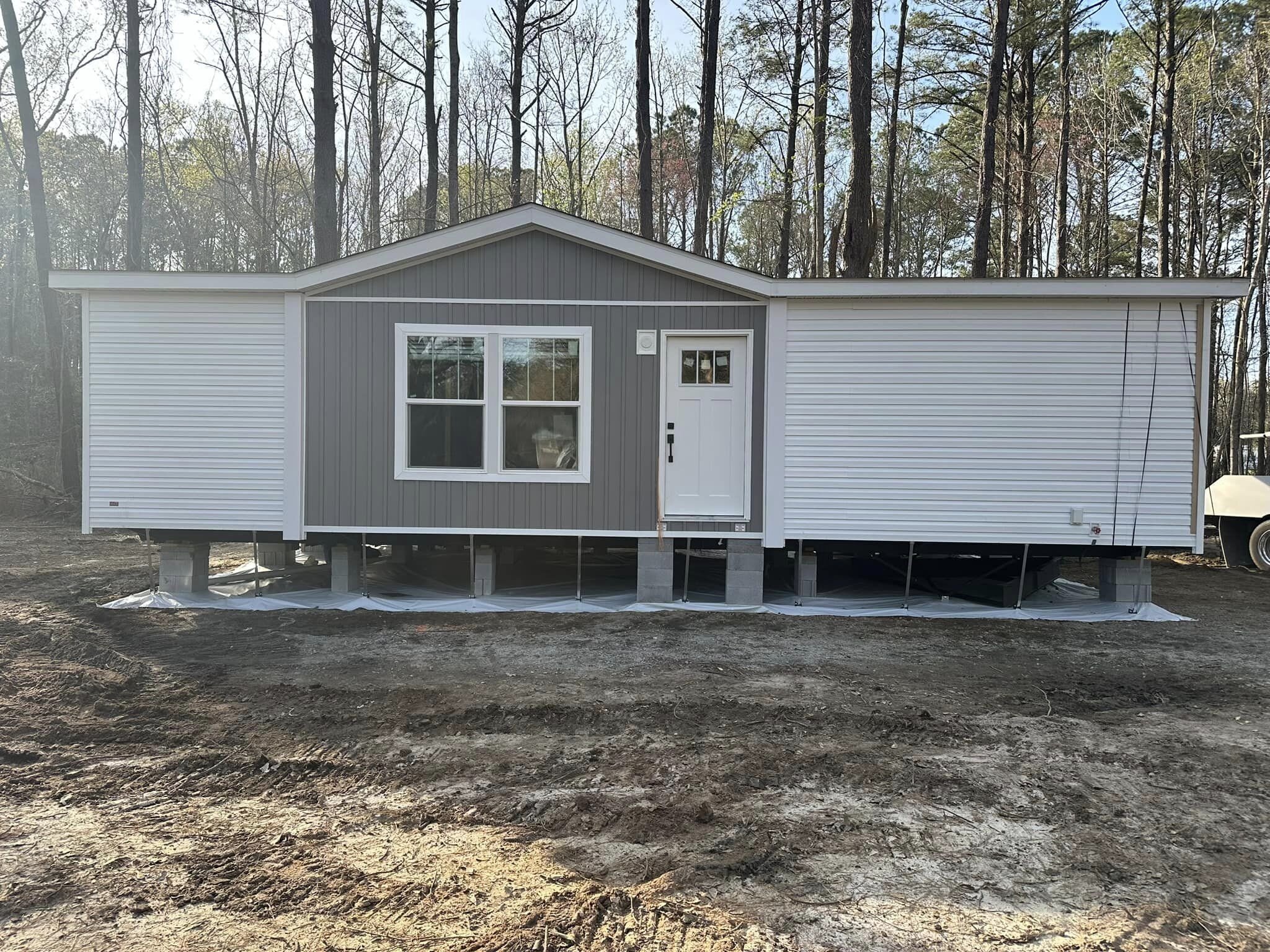
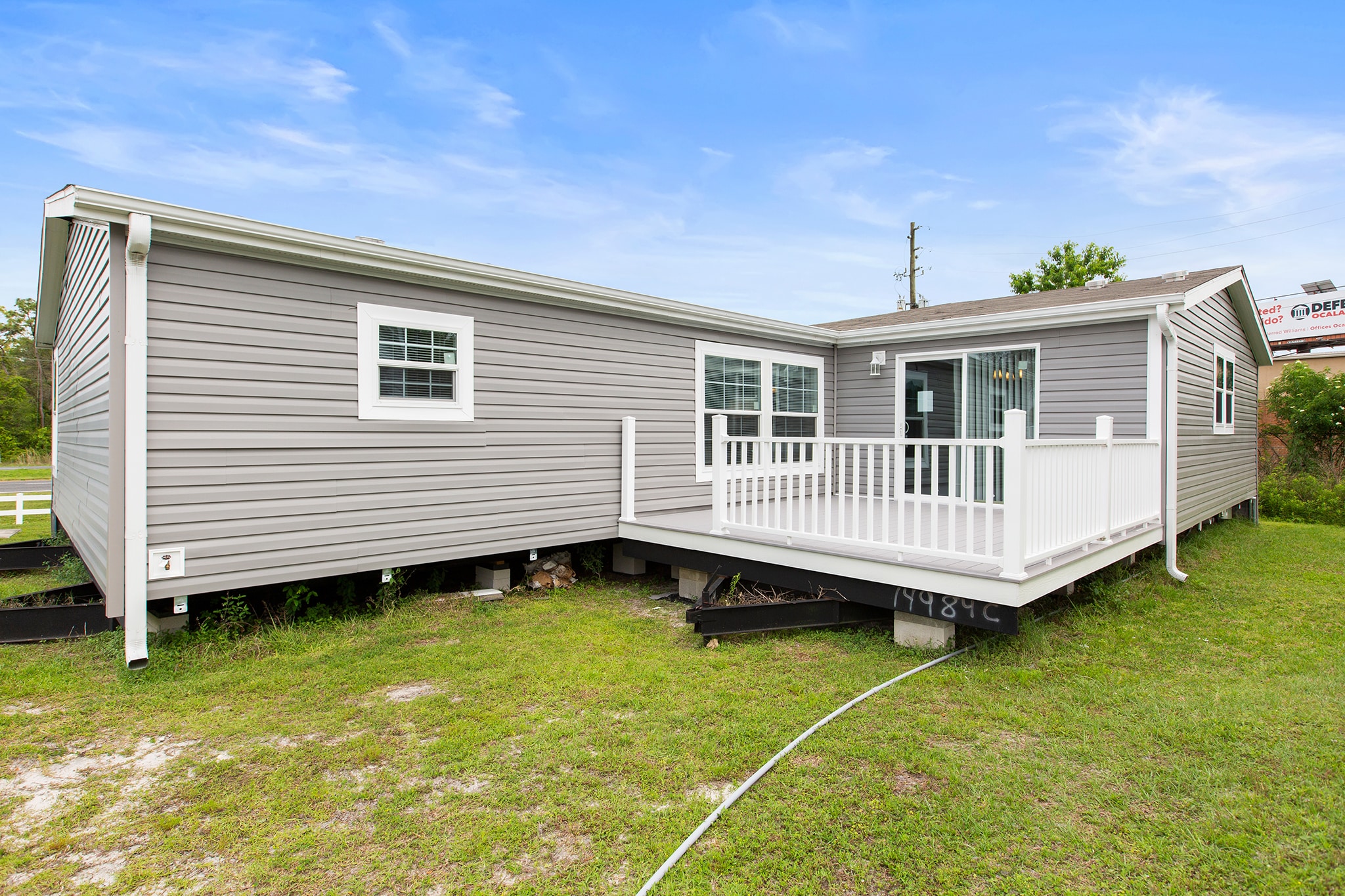
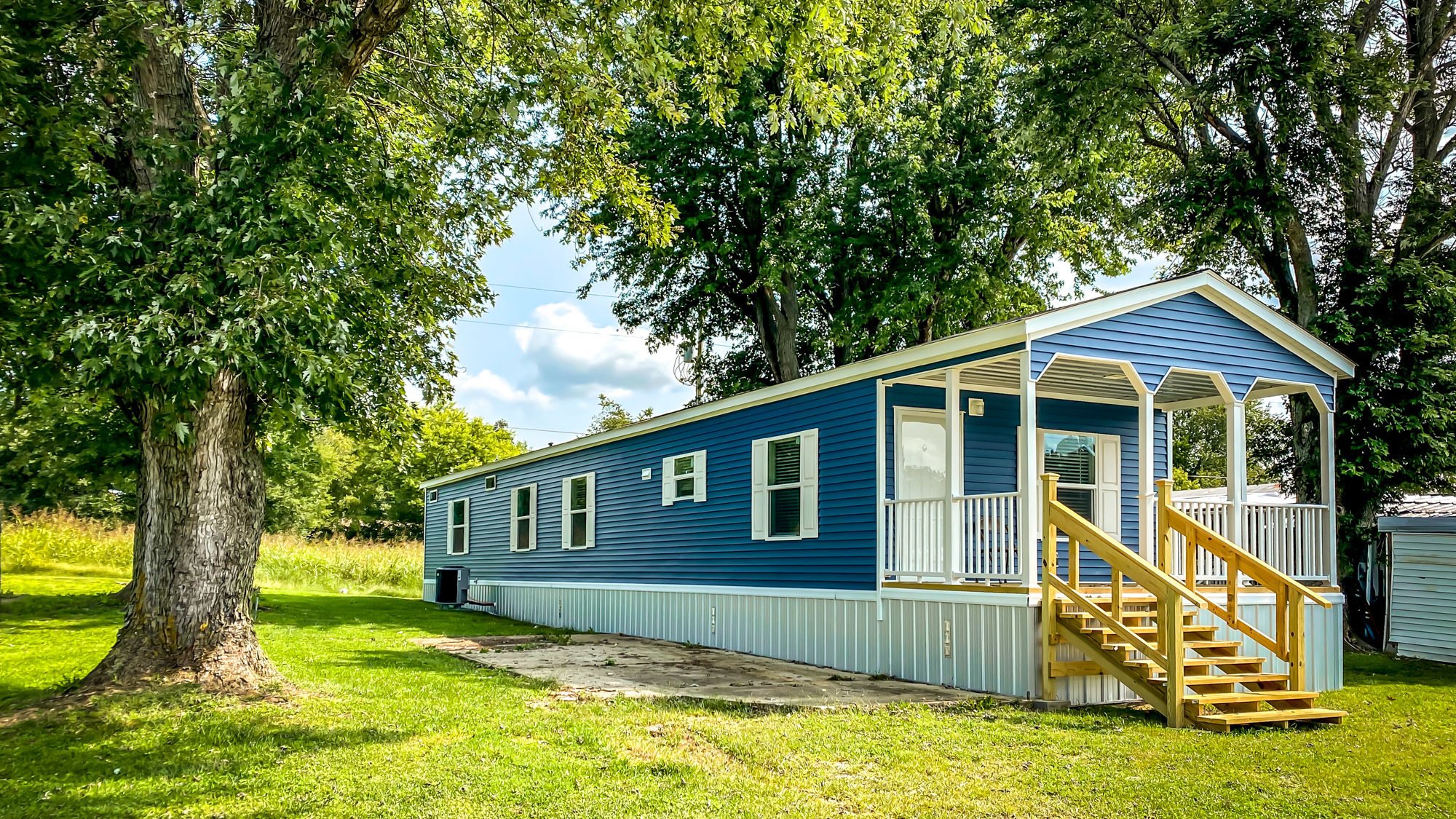
Navigating the market for a used doublewide mobile home in Summerville, South Carolina, requires a strategic approach that balances local zoning laws, park lease agreements, and structural evaluations. As of 2026, Summerville continues to see significant housing demand across Dorchester, Berkeley, and Charleston counties, making pre-owned manufactured housing an accessible and cost-effective pathway to homeownership. This guide provides an in-depth framework for identifying, financing, inspecting, and legally establishing a pre-owned doublewide mobile home in the Lowcountry.
Understanding the Summerville, SC Manufactured Housing Market in 2026
The real estate landscape in Summerville features a diverse mix of rural acreage, established family-owned mobile home parks, and private suburban infill lots. Buyers exploring pre-owned doublewide inventory must first determine whether they intend to place the home on private land they own or lease a lot within a land-lease community.
When evaluating used mobile homes built prior to current HUD code updates, structural integrity and maintenance history dictate long-term value. In the humid subtropical climate of coastal South Carolina, moisture management, subfloor integrity, and HVAC efficiency are paramount considerations.
Key Market Characteristics in the Lowcountry
- County Jurisdictions: Summerville spans three counties, meaning permitting offices, setback requirements, and tax assessments vary depending on whether the property falls under Dorchester County, Berkeley County, or the Town of Summerville municipal limits.
- HUD Certification: Every mobile home built after June 15, 1976, must display a red HUD certification label on the exterior tail end of each transportable section, verifying compliance with federal construction and safety standards.
- Park Approvals: Most commercial mobile home parks in the Summerville area require pre-approval of older homes based on aesthetic appearance, age limits (often restricting homes older than 10 to 15 years), and inspection reports.
Financial Realities and Lending Standards for Pre-Owned Doublewides
Financing a used doublewide mobile home differs significantly from traditional site-built real estate financing. Loan terms, interest rates, and approval criteria depend heavily on whether the home is classified as real property (attached to owned land) or personal property (chattel).
Loan Types and Qualification Criteria
- FHA Title I Loans: Specifically designed for manufactured housing, allowing financing for the home only or both the home and land. Requires a down payment as low as 3.5% and a satisfactory credit profile.
- Conventional Chattel Loans: Offered by specialized lenders for homes located in parks or rented land. These typically carry higher interest rates and shorter amortization schedules (ranging from 10 to 20 years) compared to standard mortgages.
- FHA, VA, and USDA Loans (Real Property): If the doublewide is permanently affixed to a privately owned parcel of land with the wheels, axles, and tongue removed, and converted to real property, it qualifies for government-backed zero-down or low-down-payment permanent mortgages.
Financing Warning: Lenders in South Carolina routinely require structural engineer certifications for homes older than 20 years to confirm the chassis, piers, and anchoring systems meet current safety standards before underwriting funds.
Step-by-Step Acquisition and Placement Workflow
Securing and moving a used doublewide home in the Summerville area demands strict adherence to state and local transport regulations.
- Step 1: Property or Space Verification: Secure your land site or obtain written acceptance from a Summerville-area park management team. Verify local zoning ordinances regarding manufactured housing classifications.
- Step 2: Comprehensive Structural Inspection: Hire a licensed home inspector specializing in manufactured housing to check the roof membrane, flashing, HVAC ductwork under the chassis, piers, tie-downs, and plumbing lines.
- Step 3: Title and Deed Search: Verify that the previous owner holds a clear South Carolina Department of Motor Vehicles (SCDMV) mobile home title free of county tax liens or outstanding mechanic's liens.
- Step 4: Professional Transport and Setup Coordination: Contract a licensed SCDMV-certified moving company to handle the teardown, transport across local Lowcountry roads, and re-anchoring.
- Step 5: County Permitting and Setup Inspection: Submit setup permits to the relevant county building department (Dorchester or Berkeley) for final electrical, plumbing, and wind-zone anchoring inspections.
Comparative Analysis: Land-Owned vs. Park-Leased Setup
Choosing where to place your used doublewide fundamentally impacts your monthly overhead, equity growth, and long-term financial stability.
| Evaluation Metric | Private Land Ownership | Manufactured Home Park Lease |
|---|---|---|
| Monthly Costs | Mortgage/Land payment + property taxes + maintenance | Lot rent + home loan payment + utilities |
| Equity Potential | High appreciation potential tied to underlying land value | Depreciation of structure only; zero land appreciation |
| Zoning Restrictions | Subject to county zoning, setbacks, and deed restrictions | Subject to community rules, pet limits, and aesthetic bylaws |
| Infrastructure Costs | Buyer responsible for septic/sewer tap, well/water tap, and electrical pole | Utilities, common area maintenance, and trash removal managed by park |
| Stability | Permanent security; cannot be forced to relocate | Vulnerable to park sales, rent hikes, or community closures |
Pros and Cons of Purchasing a Pre-Owned Doublewide
| Advantages (Pros) | Disadvantages (Cons) |
|---|---|
| Lower initial purchase price per square foot compared to site-built homes | Potential hidden repair costs if previous maintenance was neglected |
| Faster move-in timelines relative to ground-up construction | Financing rates can be higher, particularly for chattel loans on rented land |
| Established neighborhoods with mature trees and existing infrastructure | Strict age and appearance restrictions enforced by many local parks |
| Ideal for downsizing, aging in place, or real estate investment portfolios | Faster physical depreciation profile if structural upkeep is ignored |
Essential Technical Specifications for Lowcommonity Homes
When evaluating a used doublewide in Summerville, pay close attention to structural and climatic resilience factors specific to South Carolina:
- Wind Zone Ratings: Summerville falls primarily within Wind Zone II, requiring homes to be engineered to withstand winds up to 100 mph. Ensure the home's data plate explicitly indicates compliance with this wind zone rating.
- Under-Chassis Moisture Barriers: High humidity and heavy seasonal rainfall in Dorchester and Berkeley counties necessitate intact, undamaged belly wraps beneath the floor joists to prevent mold growth and pest infestation.
- HVAC Sizing: Verify the age and tonnage of the heat pump system. Coastal humidity wears down compressor units faster; systems older than 10 years typically require replacement budgeting.
Frequently Asked Questions
Can I move an older doublewide mobile home into any park in Summerville, SC?
No. Most managed manufactured home communities in Summerville enforce strict age limits, typically prohibiting homes manufactured more than 10 to 15 years ago, and require a formal physical inspection before approval.
How do I legally transfer ownership of a mobile home in South Carolina?
Mobile home ownership in South Carolina is transferred via the SCDMV title system if the home is classified as personal property, or through county real estate deeds if the home has been permanently purged and converted to real property.
What wind zone classification is required for Summerville, SC?
Summerville is classified within Wind Zone II, meaning any manufactured home installed in the area must meet strict federal structural standards designed to withstand hurricane-force winds up to 100 mph.
Are structural engineering certifications mandatory for financing?
Most lenders require a certified structural engineer's inspection report for pre-owned doublewides—especially those exceeding 15 to 20 years of age—to verify that the frame and anchoring systems remain sound.
What are the ongoing property tax rates for mobile homes in South Carolina?
Mobile homes in South Carolina are taxed as personal or real property depending on land ownership, with owner-occupied primary residences benefiting from a favorable assessment ratio compared to rental or secondary investment properties.
Expert Conclusion and Next Steps
Purchasing a used doublewide mobile home in Summerville, SC, offers an exceptional path to affordable homeownership if approached with rigorous due diligence. Prioritize certified structural inspections, verify title and permitting statuses with local county authorities, and secure appropriate financing before committing capital. To begin your journey, consult with licensed local real estate professionals specializing in manufactured housing and schedule physical evaluations of prospective properties.