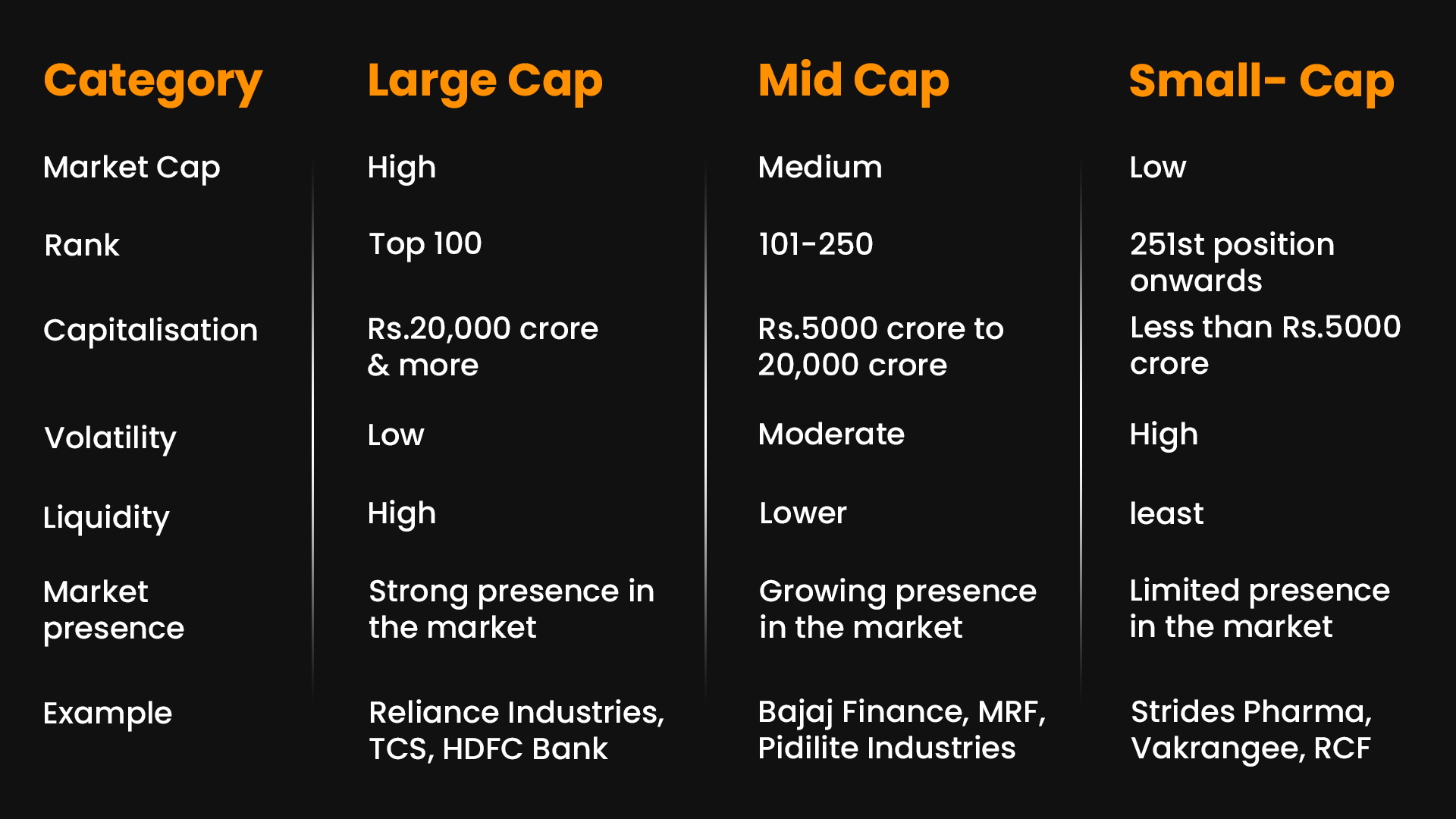
Small cap investing involves purchasing shares in companies with a relatively low total market capitalization, typically ranging from $300 million to $2 billion. These investments offer the potential for significant growth as smaller firms scale their operations, yet they carry heightened volatility, lower liquidity, and greater operational risk compared to large-cap equities. Investors must approach this asset class with a long-term perspective and rigorous due diligence.
Defining the Small Cap Landscape
In financial markets, capitalization—or "market cap"—is the total dollar value of a company’s outstanding shares. It is calculated by multiplying the current share price by the total number of shares. While definitions vary slightly between financial institutions, small-cap companies generally sit above micro-caps and below mid-caps.
Understanding this positioning is critical because small-cap companies exist in a different economic orbit than blue-chip stocks. They are often earlier in their product lifecycle, have less diversified revenue streams, and may lack the deep capital reserves of large corporations. However, this lack of maturity is precisely where the growth potential resides. A small cap that successfully disrupts a market niche or gains significant market share can experience explosive appreciation, a trajectory much harder to replicate for a company already valued at $100 billion.
Why Investors Target Small Caps
The primary driver for allocating capital to small-cap stocks is the "size premium." Over long historical cycles, smaller companies have often outperformed larger counterparts, largely because they have more room to grow. A small company doubling its revenue may be an achievable milestone, whereas a giant corporation doing the same requires a massive shift in global operations.
Furthermore, small-cap stocks are often under-researched. Wall Street analysts frequently focus their resources on large-cap firms that drive higher trading volume and institutional interest. This lack of coverage creates informational inefficiencies. An investor who conducts thorough, independent research can identify high-quality businesses before the broader market catches on, potentially securing a more favorable entry price.
Essential Prerequisites for Small Cap Investors
Before allocating funds to small-cap equities, an investor should evaluate their financial readiness. These assets are not suitable for short-term liquidity needs.
- Risk Tolerance: You must be prepared for significant price swings. It is common for high-quality small-cap stocks to drop 20% or more during broader market corrections.
- Investment Horizon: A minimum timeframe of five to ten years is typically required to weather the cyclical nature of smaller companies and allow the business model to mature.
- Capital Allocation: Due to the risk profile, professional advisors often recommend that small caps constitute only a portion of a diversified portfolio—typically 5% to 15%, depending on the investor’s age and financial goals.
- Due Diligence Capacity: Investors must be comfortable reading SEC filings, including 10-K (annual) and 10-Q (quarterly) reports, to assess debt levels, cash flow, and management competency.
Comparative Overview of Market Capitalization Tiers
Investors often categorize stocks by size to manage expectations regarding risk and return. The following table illustrates the general differences between these segments.
| Category | Typical Market Cap | Risk Profile | Growth Potential | Liquidity |
|---|---|---|---|---|
| Large Cap | $10B+ | Low to Moderate | Moderate | High |
| Mid Cap | $2B to $10B | Moderate | High | Moderate |
| Small Cap | $300M to $2B | High | Very High | Low |
| Micro Cap | <$300M | Very High | Speculative | Very Low |
Operational Risks and Challenges
While the upside is compelling, small-cap investing involves specific, non-trivial risks.
Liquidity Risk Smaller companies often have lower daily trading volumes. This can lead to "slippage," where the act of buying or selling a significant number of shares moves the price against you. In periods of market stress, it may be difficult to exit a position without accepting a significant discount on the current market price.
Information Asymmetry and Volatility Small-cap companies are more sensitive to interest rate hikes and economic downturns. They generally have less access to cheap credit and thinner profit margins to absorb rising costs. When sentiment shifts, small-cap stocks are often the first to be sold off by institutional investors, leading to extreme price volatility that can test even the most disciplined investor's resolve.
Governance and Transparency Smaller firms may have less robust internal controls or governance structures than large, publicly traded multinational corporations. The management team’s experience and integrity become paramount. In the absence of a large team of independent analysts, the risk of "information gaps" is higher, meaning material facts about the company's health may not be as widely scrutinized or reported.
Strategic Approaches to Entry
Investors can gain exposure to small caps through two primary methods: passive index tracking or active individual security selection.
Passive Investing (ETFs and Index Funds) For many investors, the most efficient way to access the small-cap segment is through an Exchange-Traded Fund (ETF) or an index mutual fund. This provides immediate diversification, mitigating the risk of a single company’s failure. These funds typically track benchmarks like the Russell 2000 or the S&P SmallCap 600. The benefit is broad exposure at a low cost, though the downside is that the investor will own the "losers" along with the "winners" in the index.
Active Selection Active investing involves picking individual stocks based on fundamental analysis. This approach requires significantly more time but allows the investor to avoid companies with poor balance sheets or questionable management. Key metrics to monitor include:
- Debt-to-Equity Ratio: Small caps with excessive debt are vulnerable to bankruptcy during economic cycles.
- Free Cash Flow (FCF): Companies that generate consistent cash are better equipped to fund their own growth without diluting shareholders through secondary stock offerings.
- Operating Margin Trends: A consistent or improving margin suggests the company possesses a "moat" or a competitive advantage that protects its pricing power.
Common Pitfalls to Avoid
- Chasing "Penny Stocks": Many beginners confuse small-cap investing with trading penny stocks. Penny stocks are typically non-exchange-listed, highly speculative, and prone to "pump and dump" schemes. Stick to stocks listed on major exchanges like the NYSE or Nasdaq.
- Ignoring Transaction Costs: If you are trading individual stocks, frequent buying and selling will erode returns through brokerage fees and bid-ask spreads.
- Emotional Decision Making: Reacting to daily volatility is the surest way to lock in losses. Small-cap investing demands a "business owner" mentality, focusing on the underlying performance of the company rather than the daily ticker price.
Frequently Asked Questions
1. Is small cap investing safer than large cap investing? No. By almost every conventional financial metric, small-cap investing is considered higher risk than large-cap investing. Large-cap companies typically have established market positions, diversified revenue streams, and easier access to capital markets. Small caps lack these "buffers" and are more susceptible to economic shocks.
2. How much of my portfolio should be in small caps? There is no "one size fits all" answer, but common financial advice suggests a modest allocation. Many portfolio models recommend between 5% and 15% of total equity exposure to small-cap stocks to capture potential growth without exposing the entire portfolio to excessive volatility.
3. What are the tax implications of small cap investing? Tax treatment depends on your holding period and the type of account. Gains held for more than a year are generally taxed at long-term capital gains rates. If held within a tax-advantaged account like an IRA or 401(k), taxes may be deferred or eliminated, which is particularly beneficial for the volatile nature of this asset class.
4. Where can I find reliable data on small-cap companies? The most reliable data comes from the company’s own SEC filings, specifically the 10-K and 10-Q forms available on the SEC EDGAR database. Reputable financial news platforms and brokerage research reports can provide context, but primary source documents should always be the foundation of your decision-making.
Next Steps for the Aspiring Investor
Before making your first investment, audit your existing portfolio to determine your current small-cap exposure. Many investors find they already own significant small-cap assets through total-market index funds. If you decide to increase your allocation, start by researching a few high-quality, dividend-paying small-cap firms or reputable small-cap ETFs. Focus on companies with clear paths to profitability and strong balance sheets. If you are uncertain about your risk capacity, consult a fiduciary financial advisor to ensure your strategy aligns with your long-term wealth goals.