The pasta industry encompasses the complex global network of agricultural supply chains, large-scale industrial manufacturing, packaging innovations, and international trade routes responsible for producing and distributing dried and fresh pasta products worldwide. This sector connects durum wheat growers directly with multi-national food processing conglomerates, regional producers, and global consumers through sophisticated supply chains and stringent regulatory standards.
Evolution and Structure of the Modern Pasta Industry
The modern pasta industry has transitioned from a localized, artisanal craft into a highly mechanized, globally integrated manufacturing sector. While traditional roots remain deeply embedded in Mediterranean culture—particularly in Italy, which historically leads in both production and per capita consumption—industrial production facilities now operate on a massive scale across North America, South America, North Africa, and parts of Asia.
At its core, the industry relies on a continuous supply of high-grade raw materials. The primary component of premium pasta is durum wheat semolina, a coarse flour milled from Triticum durum, a hard wheat variety distinguished by its high protein content, dense gluten matrix, and vibrant amber color. The quality of the semolina directly dictates the structural integrity, cooking performance, and texture of the final product. Industrial mills work in close partnership with agricultural producers to source wheat that meets strict specifications for protein content, moisture levels, and falling numbers, which measure enzyme activity.
The Manufacturing Process: From Semolina to Shelf
Industrial pasta production is a precision-engineered process that transforms raw semolina and water into shelf-stable or refrigerated goods. The operation follows a standardized sequence of technological steps designed to ensure food safety, consistency, and structural quality:
- Blending and Hydration: Semolina is measured and mixed with precise amounts of water—typically around 30% to 33% of the total weight—to achieve a uniform, crumbly dough known as semola rimacinata.
- Extrusion: The hydrated dough is forced through specialized metal dies under high pressure. The choice of die material dictates the surface texture of the pasta; traditional bronze dies impart a rough, porous texture that better adheres to sauces, whereas modern Teflon-coated dies produce a smoother, shinier finish and allow for higher manufacturing speeds.
- Cutting: As the pasta emerges from the extrusion dies, rotating blades slice the continuous strands or shapes to the desired length.
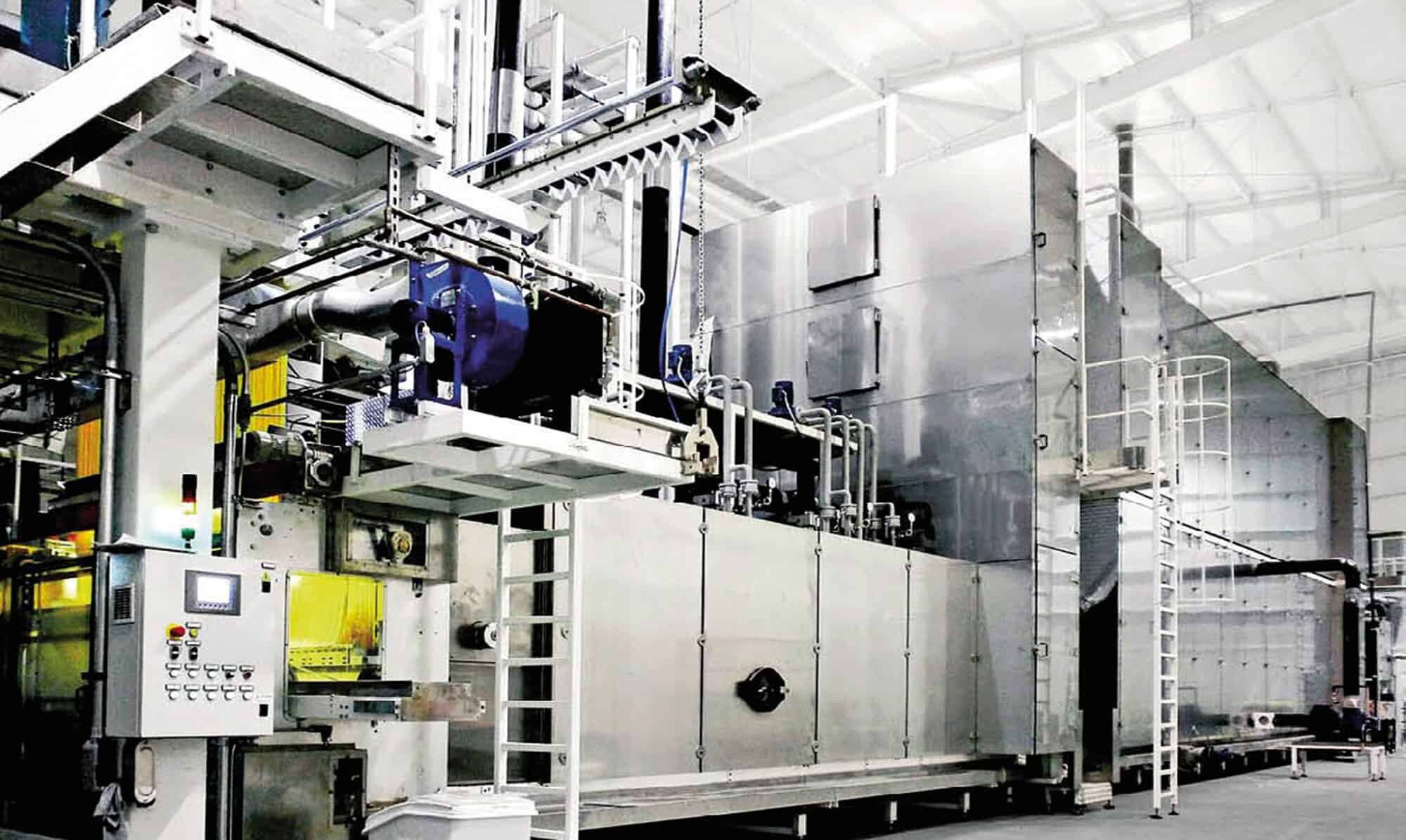
- Drying: For dried pasta, the moisture content must be reduced from roughly 30% down to 12% or lower to prevent microbial growth and ensure long-term shelf stability. Industrial dryers utilize carefully controlled temperature and humidity profiles—ranging from low-temperature, slow drying methods to high-temperature rapid drying—to lock in the protein structure and preserve the natural color.
- Packaging: Once cooled, the pasta is weighed, sealed in protective atmosphere packaging or cardboard cartons, and prepared for distribution.
Economic Scale and Global Trade Dynamics
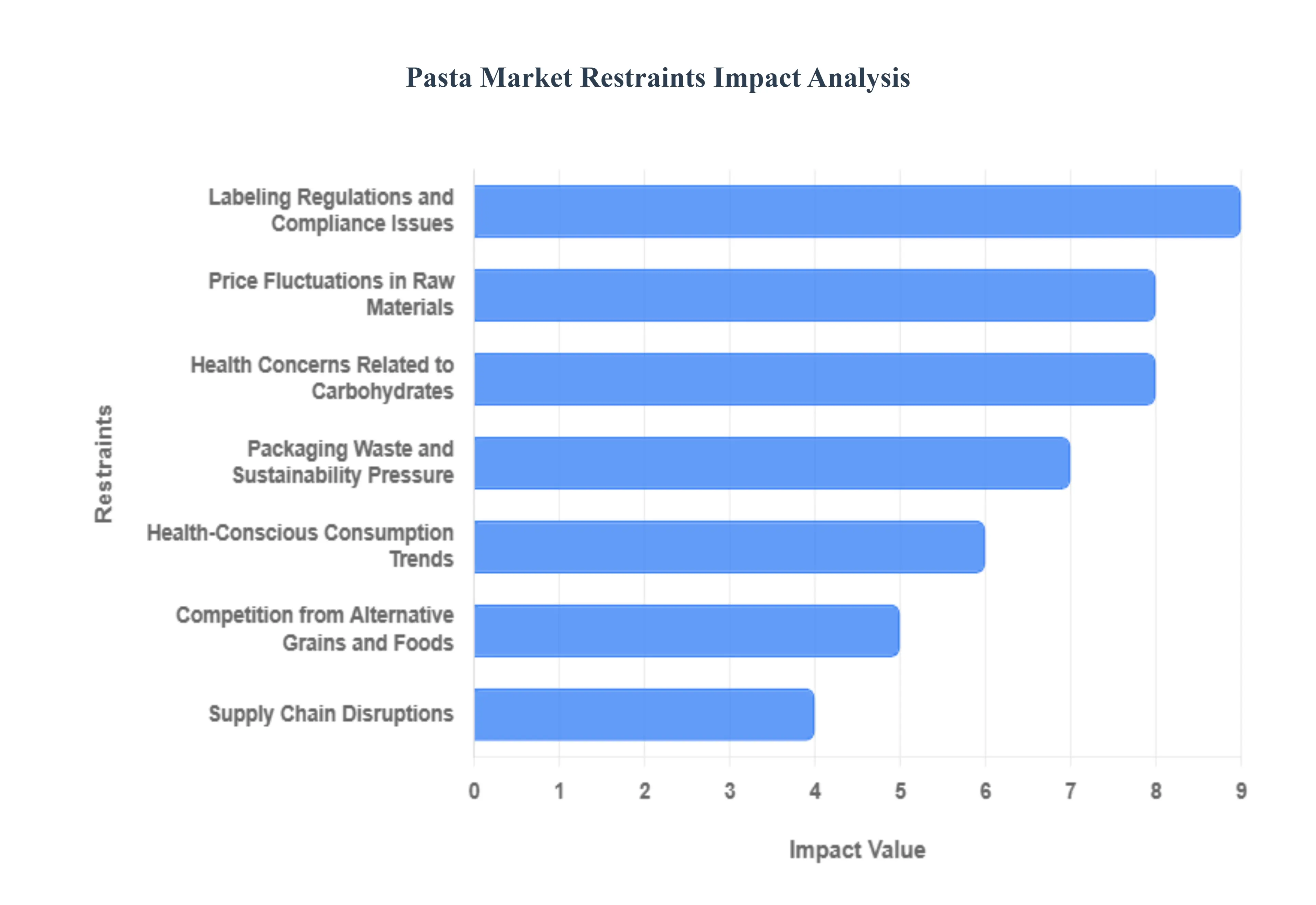
The economics of the pasta industry are heavily influenced by commodity markets, international trade policies, and logistics costs. Because durum wheat is subject to climatic fluctuations, droughts, and geopolitical trade disruptions, raw material price volatility is a constant challenge for manufacturers. Major exporting nations, including Italy, Turkey, Canada, and the United States, navigate complex tariff structures, import quotas, and bilateral trade agreements to supply global markets.
According to data compiled by the International Pasta Organization, global consumption and production figures demonstrate steady, resilient demand across diverse economic conditions. Consumers increasingly view pasta as an affordable, versatile, and shelf-stable dietary staple, protecting the industry against severe downturns during broader economic contractions.
| Region / Country | Primary Production Focus | Market Characteristics | Key Regulatory Body / Standard |
|---|---|---|---|
| Italy | Premium dried pasta, fresh pasta, specialty shapes | High per capita consumption, stringent labeling laws, strict ingredient purity | Italian Pure Food Law (Law No. 580) |
| United States | Mass-market dried pasta, whole-wheat and fortified varieties | High volume production, extensive supermarket penetration, strong private-label share | FDA Standards of Identity (21 CFR Part 139) |
| Turkey | Export-oriented dried pasta production | Rapidly expanding milling capacity, significant export volume to Africa and the Middle East | Turkish Food Codex |
| Canada | Durum wheat cultivation and high-grade semolina milling | Major global exporter of raw grain and primary milling products | Canadian Grain Commission |
Regulatory Standards and Product Authenticity
To protect consumers and maintain fair trade, many jurisdictions enforce strict regulatory standards governing what can legally be labeled and sold as pasta. These standards generally dictate permissible ingredients, moisture thresholds, and labeling requirements.
For instance, in Italy, historic legislation mandates that dried pasta sold to the domestic market must be produced exclusively using 100% durum wheat semolina and water; the inclusion of common soft wheat flour is strictly prohibited for standard commercial grades. Similar legal definitions exist in other regions, though regulations often permit enriched products, gluten-free formulations made from rice, corn, or legumes, and value-added iterations containing eggs, spinach, or tomato derivatives.
Furthermore, international food safety management systems—such as Hazard Analysis Critical Control Point (HACCP) protocols and Global Food Safety Initiative (GFSI) benchmarks—are universally applied across modern pasta manufacturing plants to monitor biological, chemical, and physical hazards from raw grain reception to final palletization.
Consumer Trends and Industry Adaptations
The contemporary pasta market is shaped by shifting nutritional preferences, sustainability demands, and technological innovations in food processing. Manufacturers continuously adapt their product portfolios to capture emerging market segments:
- Functional and Alternative-Grain Pastas: Driven by consumer interest in high-protein, low-glycemic, and allergen-friendly diets, the market for pasta made from chickpeas, lentils, quinoa, and brown rice has expanded significantly. These products require specialized processing parameters due to the absence of traditional wheat gluten.
- Sustainability and Packaging: Environmental consciousness has prompted industry-wide shifts away from single-use plastics. Major brands increasingly utilize recyclable paperboard cartons and biodegradable window films, while also optimizing agricultural supply chains to lower carbon footprints and water usage during wheat cultivation.
- Convenience and Fresh Formulations: The refrigerated fresh pasta segment has seen steady growth, appealing to time-pressed consumers seeking shorter cooking times and an artisanal dining experience at home. This segment requires robust cold-chain logistics to maintain product safety and freshness.
Frequently Asked Questions
What is the difference between durum wheat semolina and regular flour?
Durum wheat semolina is milled from Triticum durum, a hard wheat species that yields a coarse, golden flour with a high concentration of hard proteins. Regular flour is typically milled from softer bread wheat varieties, resulting in finer particles and a lower protein content unsuited for maintaining the firm, al dente texture characteristic of quality pasta.
Why do some pastas cook faster than others?
Cooking time depends primarily on the thickness of the pasta shape, whether the product is dried or fresh, and the extrusion method used. Thin shapes (such as capellini) hydrate and cook rapidly, whereas thick shapes or industrial products dried at very high temperatures may require longer boiling times to fully gelatinize the starches within the dense protein matrix.
How does the pasta industry handle gluten-free alternatives?
Gluten-free pasta is manufactured using alternative flours derived from legumes, rice, corn, or ancient grains. Because these raw materials lack gluten—the protein network that provides elasticity and structural cohesion in traditional wheat pasta—manufacturers often employ specialized thermal pre-treatment, gum binders, or extrusion machinery modifications to prevent the product from breaking apart during boiling.
What role do bronze dies play in industrial pasta manufacturing?
Bronze extrusion dies feature a textured, unpolished surface that creates microscopic abrasions on the outer layer of the pasta as it is forced through. This rough surface texture helps starchy cooking water cling to the exterior and allows sauces to adhere more effectively compared to the smooth, glassy finish produced by Teflon-coated dies.
How are shelf life and food safety maintained in dried pasta?
Dried pasta achieves its long shelf life through controlled dehydration, bringing moisture levels below 12%. At this moisture threshold, microorganisms, molds, and bacteria cannot proliferate. Combined with hermetic packaging and dry storage conditions, dried pasta can remain stable and safe for consumption for several years.
Next Actions and Strategic Guidance
For businesses, agricultural producers, and culinary professionals engaging with the pasta sector, success depends on maintaining strict quality assurance protocols, closely monitoring global commodity markets for durum wheat, and aligning product development with evolving consumer demands for transparency, sustainability, and nutritional variety. Verifying supplier credentials, auditing manufacturing facilities for regulatory compliance, and staying informed on international trade tariffs remain essential operational practices in this competitive global industry.