Jockeys earn a living through a combination of flat mount fees for every race started and a percentage of the prize money (purses) won by their horses. While elite riders can earn millions annually, the average professional jockey often nets between $30,000 and $60,000 after paying significant expenses for agents, valets, insurance, and travel.
The financial landscape of horse racing is one of the most unique and volatile in professional sports. Unlike athletes in the NFL or NBA who sign multi-year guaranteed contracts, jockeys are independent contractors. Their "salary" is entirely dependent on their health, the quality of their agent, the stables they ride for, and the sheer volume of races they can compete in. As we look at the industry in 2026, the economics of being a jockey remain a high-stakes balance between massive potential rewards and substantial overhead costs.
The Foundation of Jockey Pay: The Mount Fee
Every time a jockey climbs into the saddle for a sanctioned race, they are entitled to a mount fee. This is the base pay for the "work" of riding the race, regardless of where the horse finishes. As of 2026, mount fees at major North American tracks typically range from $50 to $150 per race.
While $150 for two minutes of work might sound lucrative, the mount fee rarely covers more than the jockey's daily operating expenses. At smaller "leaky roof" tracks or regional circuits, the fee may sit at the lower end of the spectrum, while premier tracks like Saratoga, Santa Anita, or Churchill Downs lean toward the higher end.
The mount fee is crucial because a jockey may ride eight or nine races in a single day and not finish in the top three in any of them. In this scenario, the mount fees—minus the valet and agent cuts—might be the only income generated for a day of extreme physical risk.
The Real Wealth: Purses and Percentages
The primary driver of high-level jockey earnings is the purse. Purses are the total prize money allocated to a race, funded by wagering handle, casino subsidies (in some states), and owner entry fees. The standard distribution of a purse among the top five or six finishers dictates how much the jockey takes home.
In most jurisdictions, the winning jockey receives 10% of the winner’s share of the purse. For second and third-place finishes, the jockey typically receives 5% of the horse's share.
Sample Earnings Breakdown (2026 Standards)
To understand the math, consider a typical $50,000 Allowance race at a major track:
| Finish Position | Horse's Share of Purse | Jockey's Percentage | Jockey's Gross Earnings |
|---|---|---|---|
| 1st Place (60%) | $30,000 | 10% | $3,000 |
| 2nd Place (20%) | $10,000 | 5% | $500 |
| 3rd Place (10%) | $5,000 | 5% | $250 |
| 4th Place (5%) | $2,500 | Mount Fee Only | ~$125 |
| Unplaced | $0 | Mount Fee Only | ~$125 |
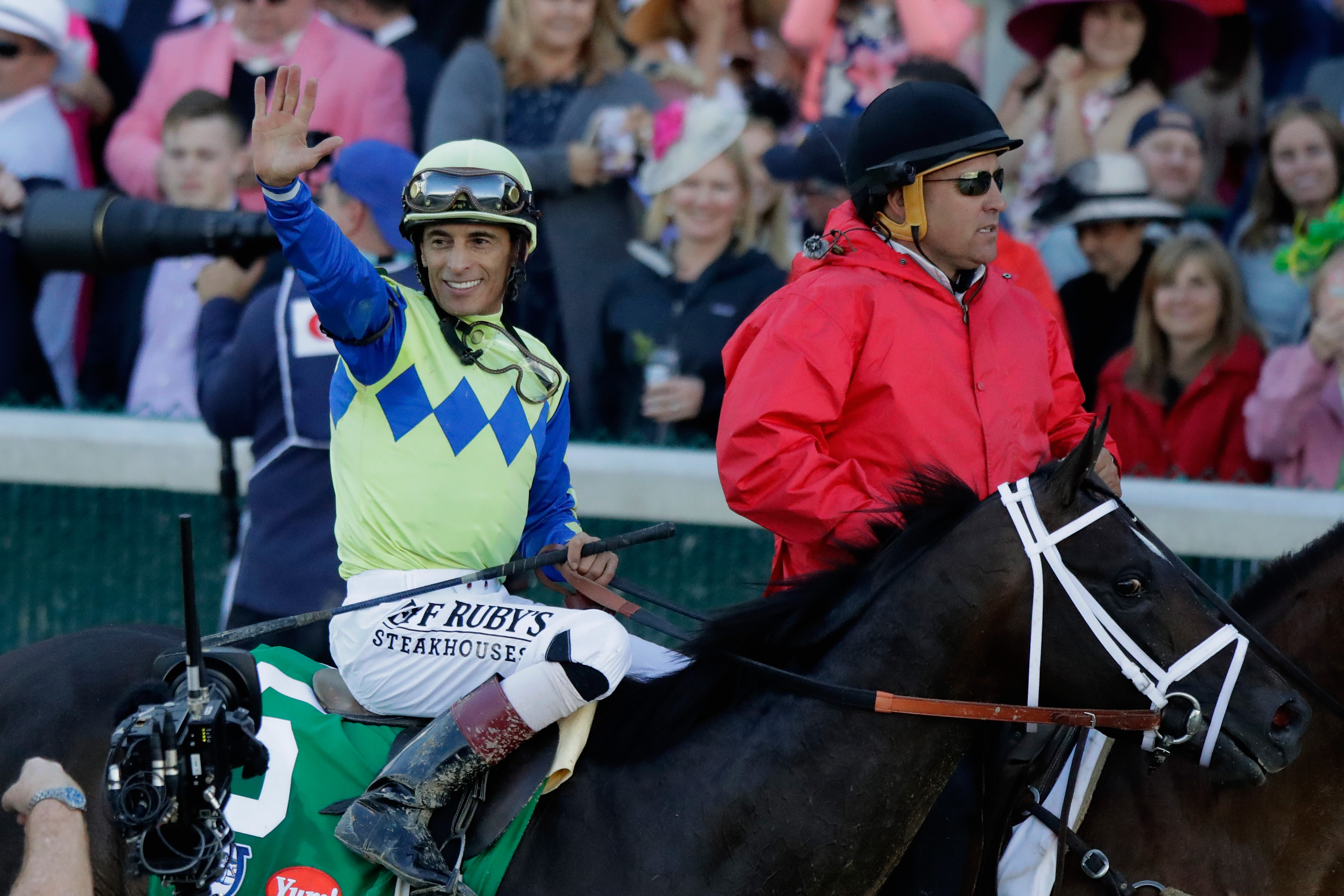
In elite "Stakes" races, the numbers jump exponentially. For example, if a jockey wins the Kentucky Derby, which carries a multi-million dollar purse, their 10% share of the winner's portion can result in a single payday exceeding $180,000. However, these opportunities are reserved for the top 1% of the profession.
The Necessary Overhead: Agents and Valets
Jockeys do not keep every dollar they earn. Because they are independent contractors, they must pay for the support staff that makes their careers possible. The two most significant deductions are for the jockey's agent and the track valet.
The Jockey Agent (25% to 30%)
A jockey's agent is perhaps the most important person in their professional life. Agents are responsible for "booking mounts"—talking to trainers and owners to secure the best possible horses for the jockey to ride. Because a jockey is busy riding or training in the mornings, they cannot effectively lobby for future rides.
The standard commission for a jockey agent is 25% of the jockey's earnings. In some cases, for top-tier agents with deep connections, this can climb to 30%. If a jockey earns $10,000 in a week, $2,500 goes directly to the agent.
The Valet (5% to 10%)
Track valets are responsible for preparing the jockey's equipment, including saddles, girths, helmets, and silks. They ensure the jockey is at the correct weight and help them change quickly between races. Valets are usually paid a flat fee per mount (e.g., $15–$25) or a percentage of the earnings, typically around 5% to 10% of the jockey's share.
Deductions, Taxes, and Insurance: The Hidden Costs
After the agent and valet are paid, the jockey's "net" is still subject to the realities of self-employment.
- Jockeys’ Guild Fees: Most professional riders belong to the Jockeys' Guild, which provides life and health insurance assistance, as well as disability benefits. Dues and per-ride contributions are subtracted from their checks.
- Income Taxes: Since jockeys are not employees of the racetrack, no taxes are withheld from their checks. Jockeys must manage their own quarterly estimated tax payments, which often take 25% to 35% of their net income.
- Travel and Lodging: Successful jockeys often follow "circuits." They might spend the winter in Florida or Arkansas and the summer in New York or Kentucky. This requires maintaining multiple residences or living out of hotels, as well as constant airfare or driving costs.
- Health and Disability Insurance: Given the extreme danger of the sport—where an athlete is followed by 1,000-pound animals moving at 40 mph—standard health insurance is often prohibitively expensive or requires specialized high-risk policies.
The Income Gap: Elite vs. Journeyman Jockeys
There is a massive disparity in earnings between the "Elite" riders and "Journeyman" riders.
The Top Tier
Top-tier jockeys like Irad Ortiz Jr., Flavien Prat, or Joel Rosario consistently ride horses that earn $20 million to $30 million in purses annually. In a career-best year, an elite jockey might gross $2.5 million to $3 million. After 25% to an agent and 5% to a valet, their pre-tax take-home is still well over $1.5 million. These riders are also frequently sought after for international races in Dubai, Japan, and Hong Kong, where purses are even higher.
The Journeyman and Apprentice
A "Journeyman" is a standard professional jockey, while an "Apprentice" (or "bug boy") is a rider in their first year of racing. These riders may struggle to find quality mounts. A journeyman at a mid-level track might ride 600 races a year, win 60 of them, and gross $150,000. After expenses and taxes, their actual take-home pay might be closer to $50,000.
The Physical Price of Earnings
It is impossible to discuss jockey earnings without addressing the physical requirements. Jockeys must maintain a strictly controlled weight, often between 110 and 118 pounds, to accommodate the "scale of weights" in racing. This often involves extreme dieting, "flipping" (purging), or excessive time in saunas—practices that have sparked significant health debates within the industry.
Furthermore, injury is not a matter of "if," but "when." A broken collarbone or leg can sideline a jockey for months. Because they only get paid when they ride, an injury represents a total cessation of income. While the Jockeys’ Guild and some state-mandated workers' compensation programs provide a safety net, the financial impact of a spill is often devastating for those outside the top tier.
International Variations in Jockey Pay
The earnings structure varies significantly outside of North America.
- Hong Kong and Japan: These jurisdictions often have much higher prize money and different fee structures. In Hong Kong, jockeys may receive a monthly retainer or a higher percentage of the purse, and the club often handles much of the administrative overhead that US jockeys pay for themselves.
- United Kingdom and Ireland: In Europe, the "riding fee" (mount fee) is often higher than in the US, but the percentage of the prize money can be slightly lower for certain finishing positions. However, the travel distances are often much greater, requiring jockeys to drive hundreds of miles daily between different "meetings."
The Impact of HISA on 2026 Economics
By 2026, the Horseracing Integrity and Safety Authority (HISA) has fully implemented standardized safety and medication rules across the United States. While this has improved safety, it has also increased the administrative costs for riders. New certification requirements, standardized physicals, and stricter equipment regulations have added small but cumulative costs to a jockey's annual budget. Conversely, the increased focus on safety has marginally lowered insurance premiums in some jurisdictions by reducing the frequency of catastrophic accidents through better track maintenance and medication oversight.
Frequently Asked Questions
Do jockeys get a salary?
No, jockeys do not receive a salary. They are independent contractors who are paid per race (mount fee) and a percentage of the prize money they win. If they do not ride, they do not get paid.
How much does a jockey make for winning the Kentucky Derby?
The winning jockey typically receives 10% of the winner's share of the purse. If the winner's share is $1.86 million (based on recent purse structures), the jockey grosses $186,000. After paying their agent ($46,500) and valet ($9,300), the jockey takes home approximately $130,200 before taxes.
Who is the highest-paid jockey in history?
Historically, jockeys like John Velazquez and Mike Smith have earned the most in career purses, with Velazquez's mounts earning over $470 million. However, because jockeys only keep a small percentage of those earnings, their personal net worth is a fraction of the total purse money.
What happens to a jockey's earnings if they are injured?
If a jockey is injured, their income stops immediately because they can no longer collect mount fees or purse percentages. Most jockeys rely on disability insurance provided through the Jockeys' Guild or private policies, but these payments are usually significantly lower than their active riding income.
Do jockeys pay for their own equipment?
Yes. Jockeys are responsible for purchasing and maintaining their own saddles, boots, helmets, safety vests, and leggings. Owners provide the "silks" (the colored shirts representing the stable), but the jockey provides everything else.
Next Steps for Aspiring Jockeys or Investors
For those looking to enter the industry or understand the financial commitment, it is essential to look beyond the winner's circle.
- Consult the Jockeys’ Guild: For comprehensive data on insurance and rider rights, the Jockeys' Guild remains the primary resource for professional standards.
- Analyze Track Purses: If you are a trainer or owner looking to hire, check the "Overnight" sheets at specific tracks (available via Equibase) to see the current purse structures for 2026.
- Budget for the "Nut": A jockey's "nut"—the amount they must earn just to break even—is high. Successful riders recommend having at least six months of living expenses saved to account for the inevitable injuries or "cold streaks" where mounts are hard to find.
The profession of a jockey remains one of the most financially volatile in sports. While the ceiling for earnings is incredibly high, the floor is non-existent, making it a career path reserved for the physically resilient and the financially disciplined.