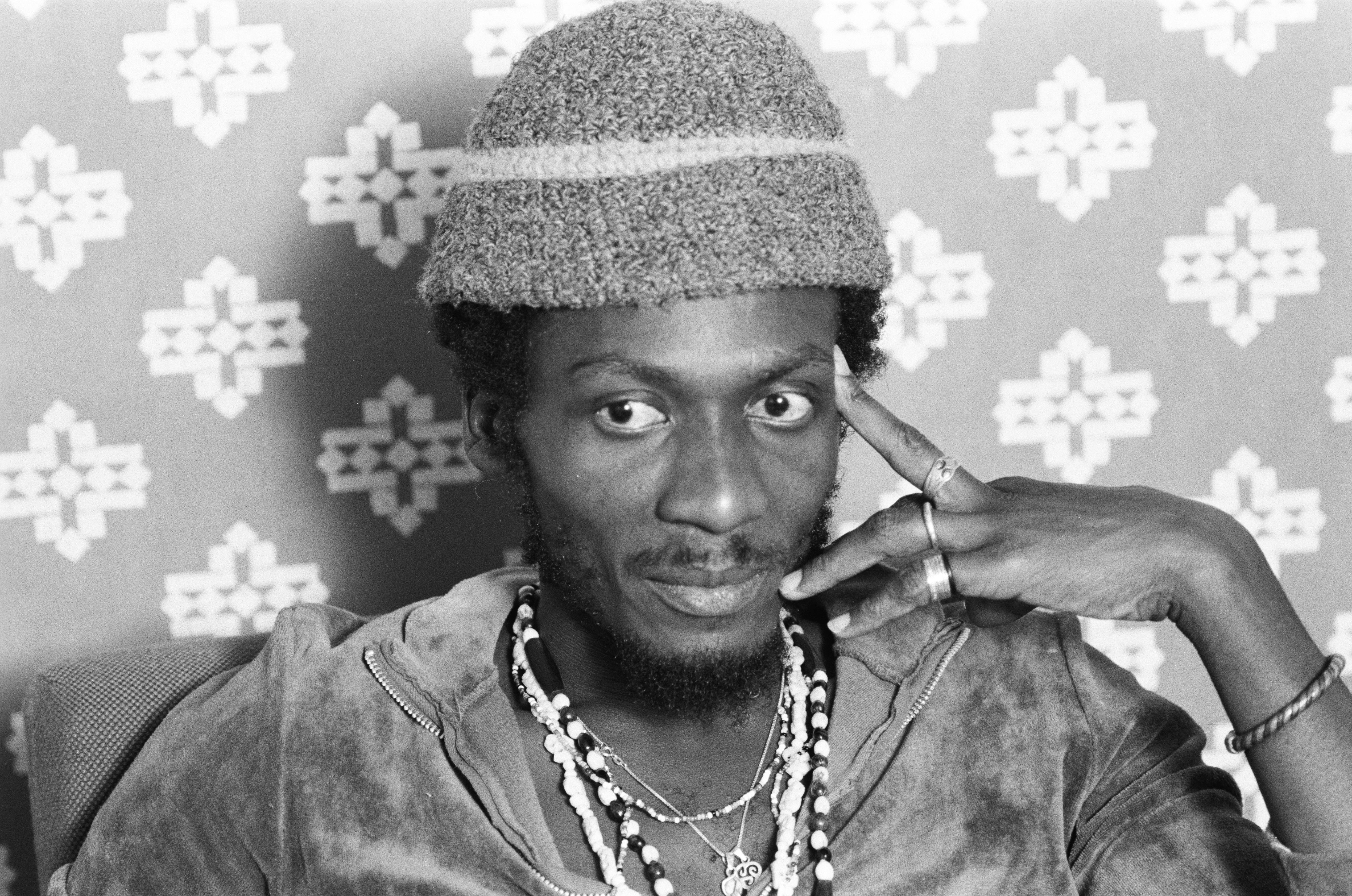
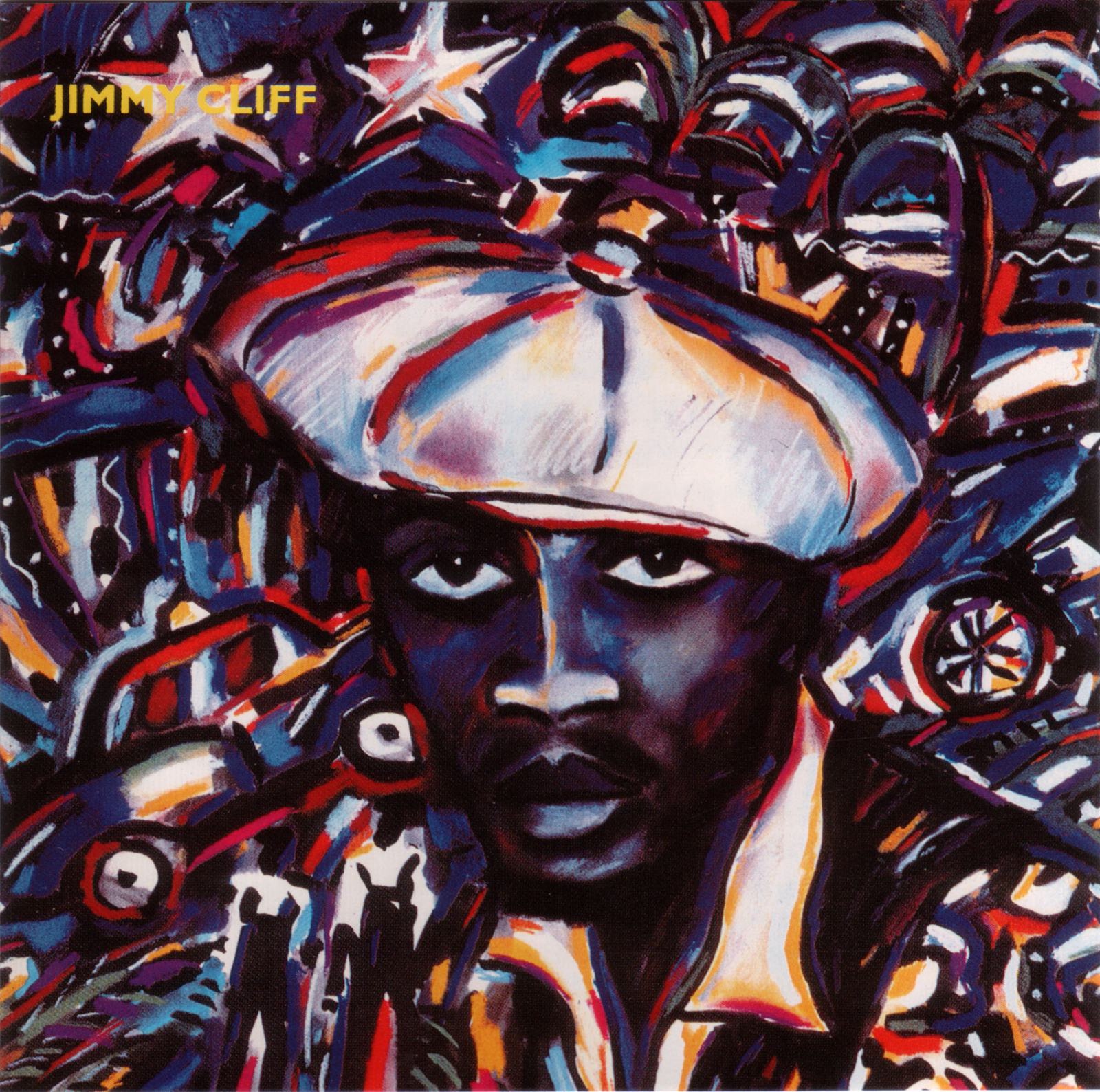
Jimmy Cliff is a legendary Jamaican musician, multi-instrumentalist, and actor whose work was instrumental in introducing reggae music to a global audience. Best known for his starring role in the film The Harder They Come and hits like "Many Rivers to Cross," his career spans over six decades of cultural influence.
As of 2026, Jimmy Cliff remains one of the few surviving pioneers of the golden age of Jamaican music, standing alongside the legacies of Bob Marley and Toots Hibbert. While Marley is often cited as the face of reggae, it was Cliff who first breached the international mainstream, paving the way for the genre's commercial viability in the United Kingdom, the United States, and South America. His journey from the rural district of Somerton to the Rock and Roll Hall of Fame is a testament to the power of songwriting that blends social consciousness with infectious melody.
The Formative Years: From Somerton to Kingston
Born James Chambers in 1948 (though some records suggest 1944), the artist who would become Jimmy Cliff grew up in the Somerton District of St. James, Jamaica. His early exposure to music was rooted in the church, where the soaring vocals of gospel hymns provided a foundation for his distinctive tenor voice. Like many aspiring musicians of his generation, the lure of the capital city, Kingston, was irresistible.
In the early 1960s, Kingston was the epicenter of a musical revolution. The transition from American R&B covers to the indigenous sound of ska was in full swing. Cliff began his career by entering local talent contests, eventually catching the attention of producers. His first significant break came through Leslie Kong, a Chinese-Jamaican producer who would become a pivotal figure in Cliff's early career. Unlike many producers of the era who focused on "singing groups," Kong recognized Cliff’s potential as a solo powerhouse.
Early tracks like "Hurricane Hattie" and "Miss Jamaica" established Cliff as a rising star in the ska scene. These songs showcased a youthful energy and a rhythmic precision that characterized the early 1960s Jamaican sound. However, Cliff’s ambitions were not limited to the Caribbean. He sensed that his music had the potential to resonate on a much larger stage.
The International Transition and Island Records
In the mid-1960s, Jimmy Cliff made the bold decision to move to the United Kingdom. This period was crucial for his artistic development, as it exposed him to the burgeoning mod scene and the soul music that was dominating the British charts. It was during this time that he signed with Chris Blackwell’s Island Records.
Blackwell saw Cliff as a sophisticated artist who could bridge the gap between Jamaican roots and international pop sensibilities. This partnership led to the 1969 release of "Wonderful World, Beautiful People," a song that became a top-ten hit in the UK and Brazil. The track was a precursor to the "peace and love" ethos that would later define much of the reggae movement, yet it maintained a polished production style that made it accessible to mainstream radio.
The Significance of "Many Rivers to Cross"
While "Wonderful World, Beautiful People" provided the commercial breakthrough, "Many Rivers to Cross" (1969) established Cliff as a master songwriter. The song is a stark, organ-drenched ballad that captures the frustration and isolation Cliff felt as an immigrant in London. Its emotional depth and gospel-infused structure transcended the typical boundaries of reggae, earning it a place among the greatest songs of the 20th century.
The technical brilliance of "Many Rivers to Cross" lies in its simplicity. By stripping away the upbeat tempo of ska, Cliff allowed his vocal range to take center stage, proving that Jamaican artists were capable of profound, introspective soul music. This track would later be covered by dozens of artists, from UB40 to Annie Lennox, further cementing Cliff’s status as a premier songwriter.
The Harder They Come: A Cultural Watershed
If the late 1960s introduced Jimmy Cliff to the world, the 1972 film The Harder They Come made him a global icon. Directed by Perry Henzell, the film featured Cliff as Ivanhoe "Ivan" Martin, a country boy who moves to Kingston to become a singer but is forced into a life of crime by a corrupt system.
The film was groundbreaking for several reasons:
- Authenticity: It was the first major Jamaican film to feature Jamaican Patois, often requiring subtitles for international audiences.
- Social Realism: It depicted the "shantytowns" and the exploitation of the music industry with a grit that countered the tropical paradise imagery of the Caribbean.
- The Soundtrack: The accompanying album is widely considered the most important reggae record of all time. It featured Cliff’s title track, "Sitting in Limbo," and "You Can Get It If You Really Want," alongside contributions from The Maytals and Desmond Dekker.
The soundtrack served as a primer for the world to understand reggae. In the United States, where reggae had struggled to find a footing, the film became a midnight-movie sensation, particularly in college towns. This cult following provided the momentum necessary for the genre to enter the American consciousness, effectively opening the door for Bob Marley and the Wailers' subsequent success.
Musical Evolution and the Quest for Meaning
Following the massive success of The Harder They Come, Jimmy Cliff’s career took several experimental turns. While he remained a superstar in Africa and South America (where he performed for crowds of over 50,000 in Brazil), his relationship with the Western music industry became complex. Cliff was often pressured to move toward a more "mainstream" pop sound, a move that occasionally alienated purist reggae fans.
Despite these pressures, Cliff’s output remained prolific. In the mid-1970s and 1980s, he explored themes of spirituality and pan-Africanism. His conversion to Islam (and later his exploration of other spiritual paths) informed albums like Follow My Mind (1975). He was also a staunch critic of the Apartheid regime in South Africa, using his platform to advocate for social justice through songs like "Bongo Man."
Key Career Milestones and Awards
Throughout his career, Jimmy Cliff has been recognized by both the music industry and his home nation. His ability to maintain relevance across different eras is reflected in his diverse accolades.
| Milestone/Award | Year | Significance |
|---|---|---|
| Order of Merit | 2003 | The fourth-highest honor awarded by the Jamaican government for achievement in the arts. |
| Grammy Award: Best Reggae Album | 1986 | Won for the album Cliff Hanger, marking his first official Grammy win. |
| Rock and Roll Hall of Fame | 2010 | Inducted as a performer, recognizing his role in the global spread of reggae. |
| Grammy Award: Best Reggae Album | 2013 | Won for Rebirth, an album produced by Tim Armstrong of Rancid that returned to his ska and rocksteady roots. |
| Golden Globe Nomination | 1986 | Nominated for Best Original Song ("Trapped") from the film Living on Edge. |
Analysis of the 2012 "Rebirth" and Modern Legacy
In the early 2010s, Jimmy Cliff experienced a significant critical resurgence with the album Rebirth. Produced by Tim Armstrong (of the punk band Rancid), the project was a deliberate attempt to capture the raw, analog sound of Cliff’s 1960s sessions at Leslie Kong's studio.
The success of Rebirth proved that Cliff’s voice had lost none of its power or clarity. The album featured a mix of original songs and covers, including a notable rendition of The Clash’s "The Guns of Brixton." This collaboration highlighted the cross-generational influence of Cliff’s music, linking the original Jamaican rude boy era with the UK punk scene that it inspired.
As of 2026, Cliff’s influence is visible in the global "Reggae Revival" movement. Modern artists continue to cite his songwriting as a template for combining commercial appeal with authentic social messaging. Unlike some of his contemporaries who remained strictly within the roots reggae subgenre, Cliff’s willingness to experiment with soul, pop, and world music has given his catalog a unique longevity.
Frequently Asked Questions
What is Jimmy Cliff's most famous song?
While "Many Rivers to Cross" is widely considered his masterpiece and most covered song, "The Harder They Come" and "I Can See Clearly Now" (a Johnny Nash cover he recorded for the Cool Runnings soundtrack) are his most commercially recognizable tracks globally.
Is Jimmy Cliff in the Rock and Roll Hall of Fame?
Yes, Jimmy Cliff was inducted into the Rock and Roll Hall of Fame in 2010. He was only the second Jamaican artist to receive this honor, following Bob Marley. The induction recognized his pivotal role in bringing reggae to the international stage.
What was the impact of the film The Harder They Come?
The film was a cultural landmark that introduced international audiences to the reality of Jamaican life and the rhythm of reggae. Its soundtrack is credited with breaking the genre in the United States and remains one of the best-selling reggae albums of all time.
How did Jimmy Cliff influence the punk rock movement?
Through his work with Island Records and his presence in the UK, Cliff (along with other reggae artists) provided a rhythmic and rebellious blueprint for punk bands like The Clash and The Slits. The "Dread meets Punk" culture of the late 1970s was heavily indebted to Cliff's early ska and rocksteady hits.
Is Jimmy Cliff still performing in 2026?
Jimmy Cliff has significantly scaled back his touring schedule in recent years to focus on his health and private life. However, he remains an active figure in the music community, occasionally releasing new material or participating in cultural documentaries regarding the history of Jamaican music.
Practical Recommendations for New Listeners
For those looking to explore the depth of Jimmy Cliff’s discography, a chronological approach is most rewarding. Understanding his evolution requires more than just listening to a "Greatest Hits" compilation.
- Start with the Soundtrack: Listen to The Harder They Come (Deluxe Edition). This provides the essential context of his peak years and the surrounding musical landscape of the early 70s.
- Explore the Early Years: Seek out the Wonderful World, Beautiful People album to understand how he transitioned from ska to the international pop-reggae sound.
- Listen to "Rebirth": To appreciate his vocal longevity, the 2012 Rebirth album is essential listening. It serves as a perfect bookend to his early career.
- Watch the Film: To truly understand the "Ivan" persona, watching the original 1972 film The Harder They Come is necessary. It provides the visual and social context for his most famous songs.
- Visit the Rock and Roll Hall of Fame Website: For those interested in his official biography and induction details, the Rock and Roll Hall of Fame provides an excellent overview of his historical significance.
Jimmy Cliff’s contribution to music goes beyond mere chart success. He was a cultural diplomat who used his voice to tell the story of the marginalized, the dreamer, and the revolutionary. His work ensures that the "rivers" he crossed continue to flow into the global musical mainstream.