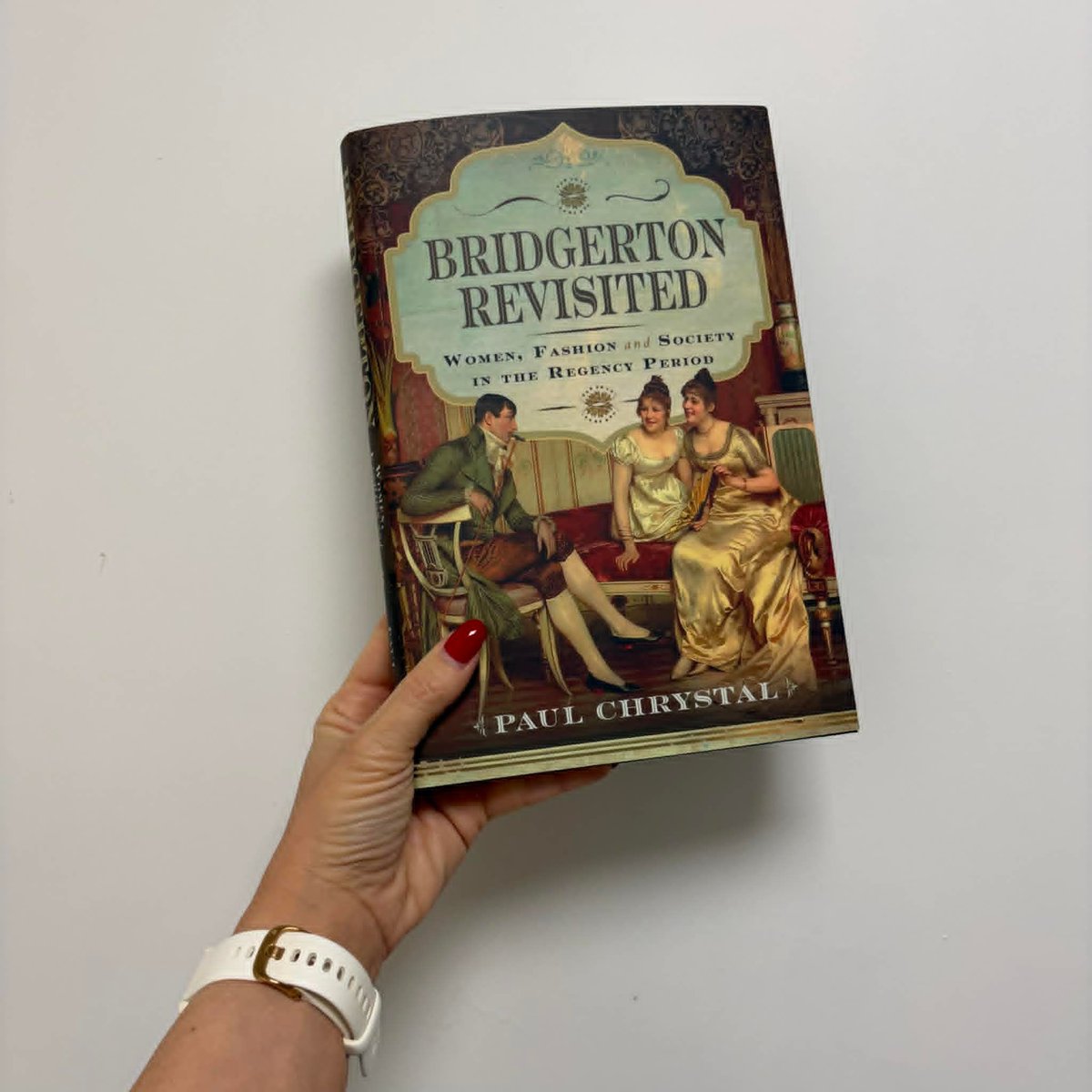
The first book in the Bridgerton series is The Duke and I by Julia Quinn, published originally in 2000 by Avon Books, which centers on the elaborate courtship between Daphne Bridgerton and Simon Basset, the Duke of Hastings. This factual guide explores the novel's publication history, plot structure, character dynamics, thematic elements, and its subsequent transformation into a global entertainment phenomenon, providing readers with an exhaustive overview of the work that launched the multi-million-copy bestselling Regency romance empire.
Introduction to the Bridgerton Literary Universe
Understanding the scale and scope of the Bridgerton franchise requires examining its foundational building block. Long before the multi-season streaming adaptation captured international audiences, the property existed exclusively as a traditional historical romance book series written by American author Julie Pottinger under the pen name Julia Quinn.
The literary universe is structured around the eight close-knit siblings of the noble Bridgerton family, each named in alphabetical order from A to H: Anthony, Benedict, Colin, Daphne, Eloise, Francesca, Gregory, and Hyacinth. While later installments explore the individual journeys of each sibling, The Duke and I establishes the narrative rules, socio-historical framing, comedic tone, and thematic preoccupations that define the entire collection.
Navigating the nuances of the original novel requires separating the source text from its modern television counterpart. While the screen adaptation incorporates expanded storylines, diverse casting, and contemporary narrative devices, the foundational text remains firmly rooted in the conventions of traditional 20th-century historical romance fiction. This guide examines the textual realities of The Duke and I, offering an analytical breakdown of its origins, narrative mechanics, and enduring cultural footprint.
Publication History and Authorial Origins
The Duke and I was published in mass-market paperback by Avon Books in January 2000. Julia Quinn, who had already established a reputation for writing witty, dialogue-heavy historical romances set during the Regency era, conceived the Bridgerton family as an interconnected series that would allow readers to revisit established characters while following a new couple in each subsequent volume.
The Evolution of the Manuscript
Quinn’s writing process for the novel involved meticulous planning of the siblings' trajectories, though she famously noted that she did not initially map out all eight books in intricate detail before selling the concept. The manuscript reflects the structural expectations of commercial historical romance at the turn of the 21st century: a sharp focus on internal emotional conflicts, witty verbal sparring between the protagonists, and a tightly focused plot that centers almost exclusively on the domestic and social rituals of the British aristocracy.
Editions and Formats
Over the past two decades, The Duke and I has undergone numerous print iterations. Following the premiere of the Netflix television adaptation in December 2020, HarperCollins and Avon issued tie-in editions featuring imagery from the show, driving a massive resurgence in physical and digital book sales. Despite these marketing updates, the text within the novel remained fundamentally unchanged from its 2000 publication, preserving the original prose, characterizations, and pacing crafted by Quinn.
Plot Overview and Narrative Structure
The narrative of The Duke and I is set primarily in London during the 1813 Regency social season. The plot revolves around Daphne Bridgerton, the fourth Bridgerton sibling, who has entered her second year on the marriage mart. Despite possessing beauty, wit, and a genuinely warm personality, Daphne suffers from a persistent problem: the eligible young men of the ton view her like a sister rather than a romantic prospect, largely due to the protective oversight of her eldest brother, Anthony.
Simultaneously, Simon Basset, the newly minted Duke of Hastings, returns to London. Simon is harboring deep-seated psychological trauma stemming from a neglectful and emotionally abusive childhood under his late father, who rejected him due to a childhood stutter. To escape the relentless matchmaking efforts of ambitious mothers, Simon strikes a mutually beneficial agreement with Daphne: they will pretend to court one another.
The Fake Courtship Dynamic
- Daphne gains increased social capital, shedding her sisterly status and attracting genuine attention from other suitors who suddenly view her as desirable.
- Simon gains protection from predatory matchmakers, signaling to society that he is off the market while maintaining his vow never to marry or produce an heir.
As the fake courtship unfolds during balls, promenades, and country house visits, genuine romantic feelings develop between the pair. The emotional climax of the novel occurs when their charade collapses, forcing a rapid marriage and an immediate confrontation with Simon’s deeply entrenched psychological barriers regarding fatherhood and legacy.
Key Characters in The Duke and I
The strength of The Duke and I lies in its distinct characterizations, which balance traditional Regency tropes with modern psychological depth.
| Character Name | Primary Role in the Novel | Defining Traits & Motivations |
|---|---|---|
| Daphne Bridgerton | Female Protagonist | Witty, resilient, fiercely loyal to her family; desires a love match rather than a marriage of convenience. |
| Simon Basset | Male Protagonist | Brooding, deeply traumatized Duke of Hastings; bound by a vow to end his family line out of spite for his late father. |
| Anthony Bridgerton | Supporting Character | Protective eldest brother and head of the family; often overbearing, setting high standards for his sisters' suitors. |
| Violet Bridgerton | Supporting Character | Matriarch of the family; relentlessly supportive, emotionally perceptive, and desperate to see all her children happily married. |
| Lady Whistledown | Narrative Device / Anonymous Chronicler | Secret society columnist who publishes scandalous gossip sheets detailing the missteps of the London elite. |
Major Themes and Literary Devices
Julia Quinn infuses The Duke and I with several recurring motifs that distinguish her work from standard historical romances of the era. Understanding these elements clarifies why the novel resonated so strongly with readers long before its screen adaptation.
The Power of Family Dynamics
Unlike many romance novels where protagonists are isolated or estranged from their relatives, Daphne is anchored by a sprawling, boisterous, and deeply involved family. The banter, protective instincts, and unconditional support of the Bridgerton siblings provide both comedic relief and emotional grounding. This domestic ecosystem serves as a direct foil to Simon’s profound isolation, emphasizing the healing power of belonging to a community.
Witty Dialogue and Modern Sensibilities
While the novel is set in 1813, the prose style avoids archaic or overly formal language that might alienate contemporary readers. Quinn relies on rapid-fire dialogue, verbal sparring, and internal monologues that feel remarkably modern. Daphne and Simon’s intellectual equality forms the bedrock of their attraction, subverting the patriarchal power dynamics typical of traditional historical settings.
Secrets, Trauma, and Healing
A significant portion of the novel's second half deals with psychological recovery. Simon’s aversion to having children is not merely a stubborn plot device; it is a manifestation of profound childhood emotional neglect. The narrative explores how unconditional love can challenge internalized trauma, though it also addresses the messy, painful realities of rushing into marriage without fully resolving foundational fears.
The Role of Lady Whistledown
A critical element introduced in The Duke and I is the anonymous gossip columnist known as Lady Whistledown. Operating as a Greek chorus for the London ton, Whistledown’s broadsheets open each chapter or major section, providing satirical commentary, social observations, and plot exposition.
In the original novel, the identity of Lady Whistledown is a lingering mystery that weaves through several subsequent books before being formally revealed in the fourth installment, Romancing Mr. Bridgerton. In The Duke and I, her publication serves primarily to contextualize the social pressure cooker in which Daphne and Simon operate, highlighting the unforgiving nature of Regency-era reputation management.
Critical Reception and Cultural Legacy
Upon its release in 2000, The Duke and I received positive reviews from romance book critics and genre enthusiasts, earning a nomination for the Romance Writers of America RITA Award. It established Julia Quinn as a leading voice in historical romance, paving the way for her subsequent induction into the RITA Hall of Fame.
The cultural footprint of the novel expanded exponentially following the December 2020 premiere of the Netflix television series developed by Shondaland. The adaptation propelled the entire book series to the top of The New York Times bestseller list simultaneously, an unprecedented achievement for a romance backlist. This resurgence demonstrated the enduring viability of well-crafted print fiction when amplified by modern visual media adaptations.
Frequently Asked Questions
Is The Duke and I the very first book Julia Quinn wrote?
No. While it is the first book in the Bridgerton series, Julia Quinn published several other romance novels prior to 2000, including her debut novel Splendid in 1995, as well as the Splendid trilogy and the Blytheswood Trilogy.
How closely does the Netflix television series follow The Duke and I?
While the overarching plot—the fake courtship, the marriage, and Simon’s internal conflict regarding children—remains intact, the television series makes significant additions. It expands secondary character storylines, introduces a diverse ensemble cast, and alters specific narrative details to fit a multi-strand visual medium.
What time period is The Duke and I set in?
The novel is set in the year 1813 during the British Regency era. This period spans from 1811 to 1820, when King George III was deemed unfit to rule and his son, the Prince Regent, governed in his stead.
Does Lady Whistledown's identity get revealed in the first book?
No. In The Duke and I, Lady Whistledown's true identity remains strictly anonymous. Her identity is not uncovered until much later in the book series, specifically in the fourth novel, Romancing Mr. Bridgerton.
Are the other Bridgerton siblings featured in The Duke and I?
Yes. Because the Bridgertons live together in a bustling London townhouse, all seven siblings make appearances, establishing their distinct personalities, sibling rivalries, and familial bonds that are explored in later books.
Practical Next Steps for Readers
For readers approaching The Duke and I for the first time, approaching the text with an understanding of its genre conventions enhances the reading experience. Those wishing to continue the journey through the literary universe should proceed sequentially with the second novel, The Viscount Who Loved Me, which focuses on Anthony Bridgerton.
Readers interested in collecting physical copies should note the distinction between standard mass-market paperbacks, trade paperbacks, and tie-in editions featuring screen adaptation covers. Verifying publication details ensures collectors secure their preferred format of this foundational modern romance classic.