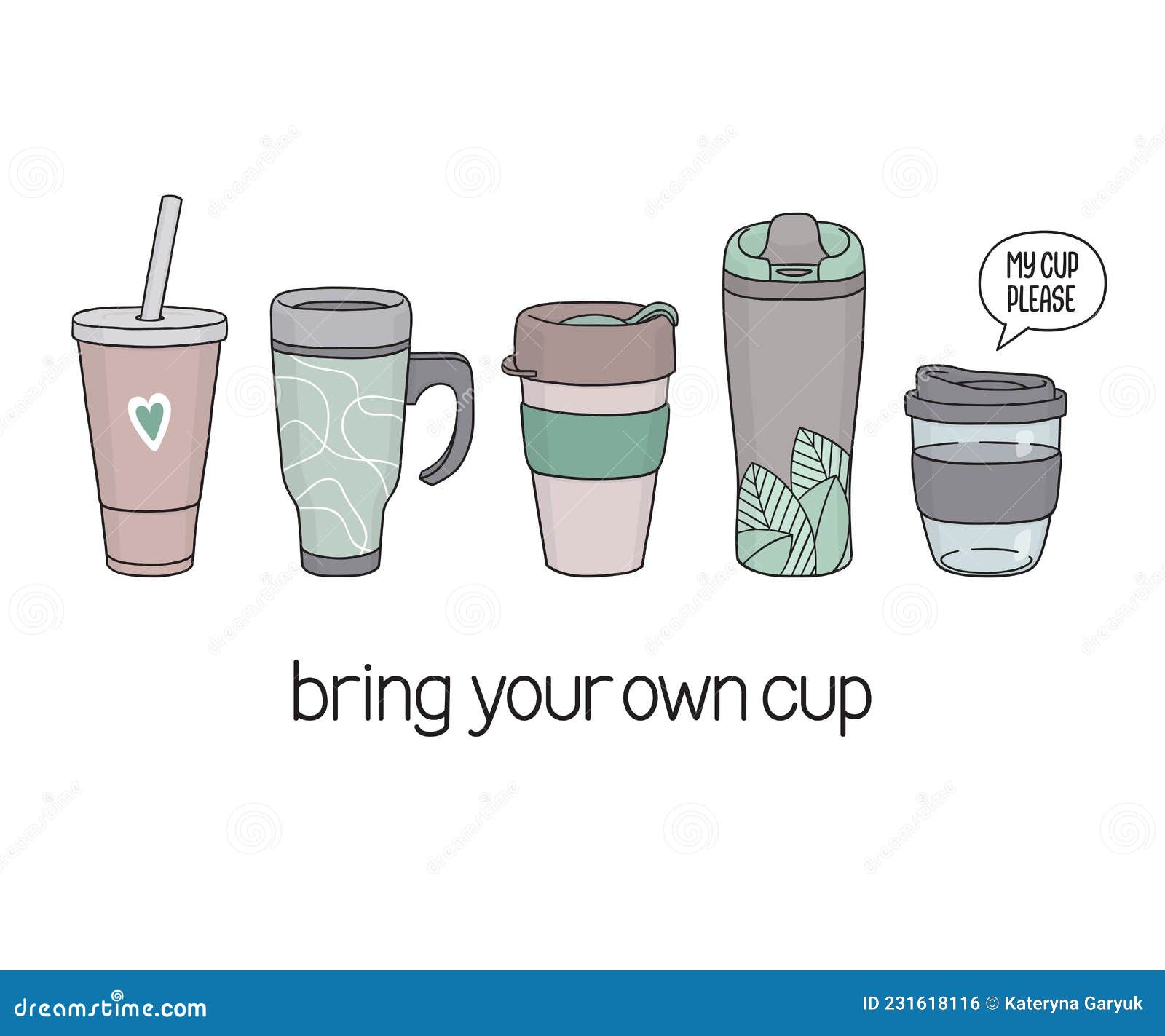
Bringing your own reusable container to 7-Eleven allows you to participate in sustainability initiatives while potentially lowering your out-of-pocket costs for fountain drinks and coffee. By utilizing personal travel mugs, you actively reduce the consumption of single-use plastic and paper cups, contributing to a smaller environmental footprint during your daily errands.
The Intersection of Convenience and Sustainability
For the modern consumer, the intersection of convenience and environmental responsibility is a constant point of navigation. 7-Eleven, as a global leader in the convenience store sector, operates thousands of locations where the "grab-and-go" culture often relies heavily on disposable products. However, the company has integrated various sustainability goals into its operational framework, including waste reduction targets and the encouragement of reusable alternatives for its proprietary beverage programs.
The "Bring Your Own Cup" concept is not merely a feel-good gesture; it is a practical consumer choice. When you walk into a 7-Eleven with a high-quality, insulated travel mug, you are effectively opting out of the waste stream. Understanding how to navigate this practice effectively—from ensuring your cup meets sanitation standards to understanding the pricing nuances at the register—can turn a routine beverage purchase into a consistent habit of conservation and personal economy.
Assessing the Economic Benefits
The primary financial incentive for bringing your own cup often fluctuates based on local store policies and national promotional periods. While some 7-Eleven franchises offer a fixed discount for using a personal mug, others provide pricing based on the total volume of the container rather than the specific drink type.
When you use your own cup, you bypass the cost associated with the disposable cup, the plastic lid, and the straw. While these individual items may seem negligible in terms of unit price, they contribute to the overall overhead costs of the retail location. By removing these items from the transaction, you may find that some managers are willing to charge for a smaller size, provided your cup capacity aligns reasonably with the chosen volume. It is important to remember that franchise-operated stores have the autonomy to set specific pricing guidelines, which is why your local experience may differ slightly from the corporate-promoted standards.
Sanitation Standards and Safety Requirements
Health and safety regulations are paramount in the food and beverage industry. When a customer brings a reusable vessel into a retail environment, 7-Eleven employees must balance customer service with strict sanitation protocols. To ensure your cup is accepted by the staff, it must meet several criteria:
- Cleanliness: Your cup must be visually clean and free of residue from previous beverages. If a store clerk deems a container unsanitary, they have the right to refuse to fill it to protect the hygiene of the dispensing machine.
- Structural Integrity: The container should be in good condition. Cracks, deep scratches, or porous materials that cannot be properly sanitized are often prohibited.
- Dispensing Compatibility: The container must fit physically under the nozzle of the fountain or coffee machine. Extremely tall or wide containers that obstruct the spill tray or interfere with the mechanical operation of the machine may be rejected.
It is considered good etiquette to arrive with your lid already removed. This shows the attendant that you are prepared and reduces the amount of time they spend interacting with your personal item, thereby streamlining the transaction and maintaining the sanitation of the dispensing area.
Environmental Impact of Choosing Reusable
The environmental cost of disposable cups is significant. Most standard paper cups used at convenience stores are lined with a thin layer of polyethylene, making them difficult to recycle through conventional municipal channels. Plastic lids and straws, meanwhile, are frequently made from non-biodegradable polymers that persist in landfills and contribute to ocean pollution.
By switching to a reusable stainless steel or BPA-free plastic container, you significantly extend the lifecycle of your daily beverage consumption. Consider the following impact areas:
- Carbon Footprint: The manufacturing process for paper and plastic cups involves significant water use and energy-intensive extraction processes. Reusing a single container hundreds of times negates the need for the production of hundreds of disposable units.
- Waste Diversion: Every cup you bring from home is one less item entering the local waste stream. Over the course of a year, an individual who visits 7-Eleven daily could divert upwards of 365 cups, lids, and straws from a landfill.
- Resource Preservation: Reducing the demand for disposable paper cups preserves timber resources and reduces the chemical burden associated with bleaching and processing paper pulp.
Comparison of Beverage Container Options
Selecting the right vessel for your 7-Eleven visit can improve your experience and ensure compliance with store policies.
| Feature | Disposable Paper/Plastic Cup | Reusable Stainless Steel Mug | Reusable Plastic Travel Cup |
|---|---|---|---|
| Sustainability | Low (Single-use) | High (Long-term) | Moderate (Durability varies) |
| Temperature Retention | Minimal | Excellent (Vacuum insulated) | Moderate |
| Store Acceptance | Guaranteed | High (If clean) | High |
| Durability | Zero | High | Moderate |
| Cost | Included in drink price | One-time investment | One-time investment |
Navigating Franchise Policies and Exceptions
It is vital to acknowledge that 7-Eleven is a heavily franchised organization. While corporate headquarters may occasionally run national campaigns—such as "Bring Your Own Cup Day"—these are often time-limited events with specific rules, such as requiring the cup to be of a certain size or shape.
Outside of these promotional periods, individual store operators have the final say. Some managers may be enthusiastic about sustainability and offer consistent discounts, while others may strictly adhere to specific cup sizes to manage their inventory of fountain syrup or coffee beans. If you find that your local store is hesitant, try asking the manager politely during a quiet hour about their policy. Engaging in a conversation often clears up misconceptions about store liability or hygiene concerns, leading to a mutually beneficial arrangement.
Troubleshooting Common Challenges
If you encounter resistance when attempting to use your own cup, consider these troubleshooting steps:
- Size Confusion: If the clerk is unsure how to ring up your beverage, offer to use a measuring line or a standard-sized cup to verify the volume. Proactivity prevents confusion at the point of sale.
- Spillage Concerns: If you are using a large, heavy cup, ensure it is stable on the spill tray. If the machine is temperamental, don't force it; ask the attendant if they prefer to fill a clean standard cup and pour it into your container for you, or if they have a workaround.
- Machine Limits: Some newer digital dispensing machines are calibrated for specific cup heights. If your travel mug is too tall, you may need to look for a different machine or accept that your specific cup may not work for that particular station.
Frequently Asked Questions
1. Can I use any type of cup for my drink at 7-Eleven? No, the cup must be clean and compatible with the machine's dispensing nozzle. Stores generally prefer containers that are clearly marked with a volume or ones that appear structurally sound and hygienic. Very large, industrial-style containers may be rejected if they exceed the maximum volume allowed for standard pricing.
2. Is there a guaranteed discount for bringing my own cup? There is no universal, permanent discount across all global 7-Eleven locations. Discount availability depends entirely on the specific franchise owner's policy. It is best to ask your local store clerk or manager if they participate in any sustainability discounts or if they allow customers to pay for a smaller drink size when using a larger personal mug.
3. Will the staff fill my cup for me, or do I do it myself? In most 7-Eleven locations, customers are expected to operate the machines themselves. However, if you are bringing a personal mug, it is courteous to ensure the cup is clean and to hold it steady while dispensing. If you are unsure about the policy at your specific location, always ask the staff before placing your personal item under the machine.
4. What should I do if the clerk refuses my cup? If a staff member declines your request to use a personal cup, accept the decision gracefully. They may be following specific health department mandates or store-wide protocols regarding cross-contamination. You can ask if they would allow you to use a standard disposable cup and then transfer the beverage into your own, though this does not fulfill the "zero-waste" goal.
5. Are there specific times when 7-Eleven encourages reusable cups? 7-Eleven occasionally hosts promotional events, sometimes referred to as "Bring Your Own Cup Day," where customers are encouraged to bring their own vessels to fill for a flat, discounted fee. These events are usually advertised through the 7-Eleven app or local marketing materials. Outside of these events, standard policies apply.
Conclusion and Next Steps
Adopting the habit of bringing your own cup to 7-Eleven is a simple but impactful way to align your daily routine with your environmental values. While the policies can vary between locations due to the franchise model, the benefits—both for your wallet and the planet—are clear.
To get started, evaluate your current travel mug collection. Ensure you have a vessel that is clean, durable, and appropriately sized for the machines at your local store. On your next visit, approach the counter or the attendant with your mug in hand, verify their specific policy with a polite question, and enjoy your beverage with the peace of mind that comes from reducing single-use waste. Over time, you will likely find that this practice becomes a seamless, rewarding part of your daily routine.