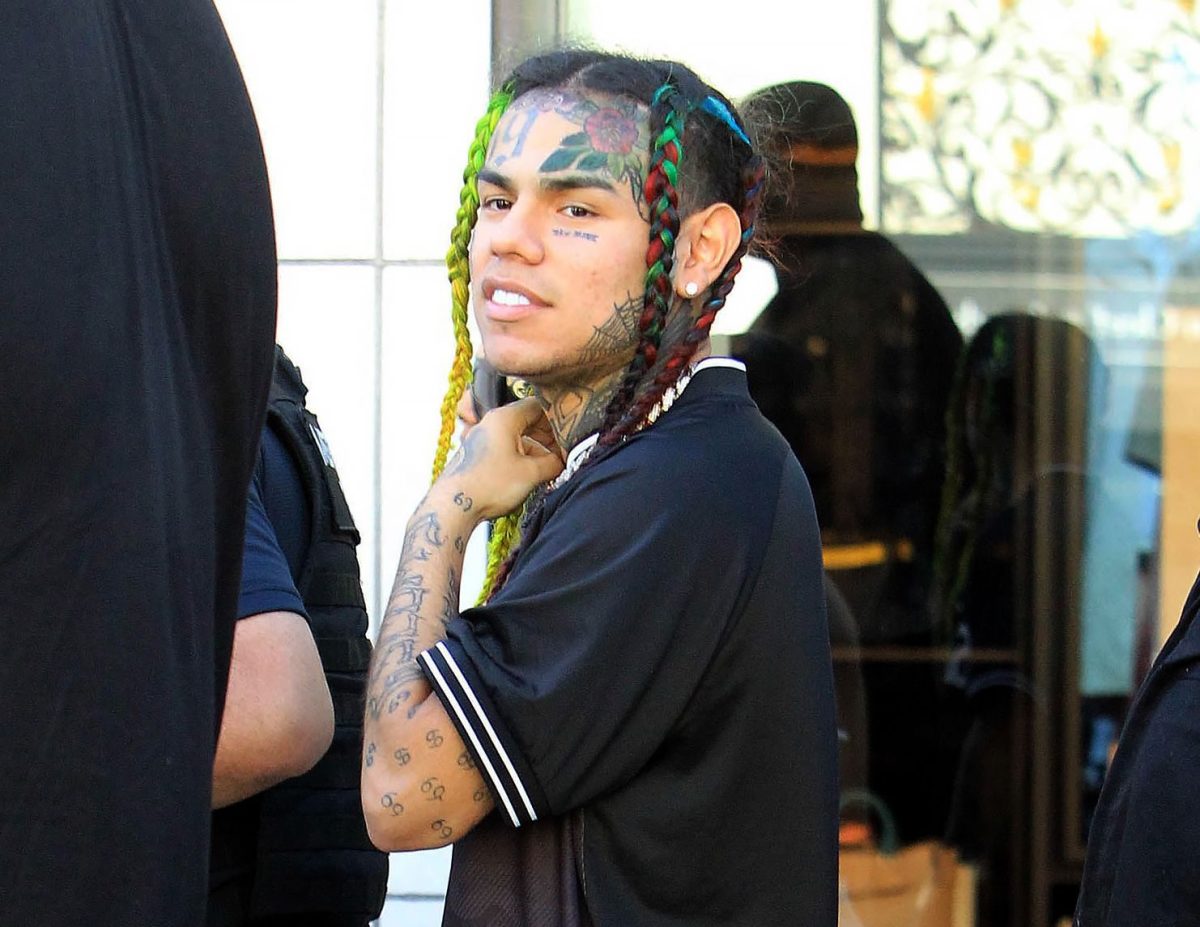
In March 2023, a violent altercation involving the rapper 6ix9ine (Daniel Hernandez) occurred inside a LA Fitness gym in Lake Worth, Florida. The incident, captured on viral video footage, resulted in physical injuries to the artist and led to significant legal and public discourse regarding celebrity security protocols, the culture of social media documentation, and the professional consequences of public confrontations in private spaces.
Contextualizing the Incident: Anatomy of the Assault
The incident occurred on March 21, 2023, while Daniel Hernandez, known professionally as 6ix9ine, was visiting a South Florida gym. Unlike many celebrity altercations that occur in clubs or high-security areas, this event transpired in a standard commercial fitness facility. The viral nature of the event was immediate, driven by multiple angles of amateur footage uploaded to social media platforms, showing a group of individuals attacking the rapper in a locker room setting.
The visual evidence confirmed that the artist was outnumbered and sustained various injuries, including facial swelling and potential internal trauma, which necessitated medical intervention. The footage highlighted a recurring trend in modern celebrity culture: the "bystander-journalist" phenomenon, where witnesses prioritize recording physical altercations on mobile devices rather than intervening or immediately alerting authorities.
Legal Repercussions and Law Enforcement Response
The Palm Beach County Sheriff’s Office responded to the incident following reports of the assault. The investigation quickly moved from witness identification to formal criminal proceedings. Three suspects—Rafael Medina Jr., Octavious Medina, and Anthony Maldonado—were identified and arrested shortly after the footage circulated.
The legal charges filed against these individuals included robbery and battery. The categorization of these charges is critical from a legal standpoint:
- Battery: Charges were brought due to the direct physical harm inflicted upon Hernandez.
- Robbery: Prosecutors included robbery charges because the suspects allegedly stole personal property from the artist during the struggle.
This incident underscores the intersection of public notoriety and personal safety. From a legal perspective, the fact that the assault occurred in a semi-private space like a gym does not mitigate the criminal nature of the act. The legal proceedings served as a case study for how prosecutors handle evidence that has been disseminated publicly via social media before reaching the courtroom.
The Role of Viral Documentation in Modern Conflicts
The "viral video" aspect of this incident serves as a primary driver of its cultural impact. In 2023, the speed at which the footage reached global audiences created a unique feedback loop. Unlike events pre-2010, which relied on news outlets to curate and broadcast footage, this video bypassed traditional media filters entirely.
This uncontrolled dissemination leads to several consequences:
- Evidence Tampering Risks: Viral spread can potentially compromise the integrity of evidence by exposing it to public scrutiny, interpretation, and potential editing before law enforcement can secure the original files.
- Public Narrative Formation: Before official police reports are filed, social media users often form narratives based on the visible parts of the video, which may lack necessary context or the sequence of events leading up to the physical confrontation.
- Digital Footprinting: The permanent nature of the internet ensures that the video remains accessible for years, impacting the professional and personal digital footprint of everyone involved in the altercation.
Celebrity Security and Liability in Public Spaces
The 6ix9ine incident raises significant questions regarding celebrity safety management. Often, artists with high-risk profiles—due to past legal entanglements or public controversies—require specialized security details. However, this incident demonstrated a departure from such protocols, as the artist was documented as being alone or without a visible security presence during a routine workout session.
Comparative Analysis of Security Protocols
| Security Approach | Typical Characteristics | Efficacy in Public Gyms |
|---|---|---|
| Personal Security Detail | Professional bodyguards, path clearance, threat monitoring. | High; prevents proximity-based threats. |
| Low-Profile Presence | Unassuming clothing, avoiding peak hours, no social media check-ins. | Moderate; relies on not being recognized. |
| No Security/Standard Access | Standard gym membership, zero vetting of environment. | Low; leaves individuals vulnerable to confrontation. |
The failure of the "low-profile" approach in this specific case highlights the difficulty of maintaining privacy when a figure has a highly recognizable brand. For individuals in the public eye, the reliance on standard gym security—which is designed for general member safety rather than targeted protection—is often insufficient.
The Impact on Gym Policies and Member Safety
Beyond the specific parties involved, the incident forced a conversation within the fitness industry regarding the responsibilities of commercial facilities. While gyms are private businesses, they are accessible to the public. Management teams are frequently tasked with balancing an open, welcoming environment with the need to protect members from harassment or physical threats.
Following high-profile incidents like this, many fitness franchises have re-evaluated:
- Surveillance Infrastructure: The adequacy of CCTV coverage in non-workout areas like locker rooms versus workout floors.
- Staff Training: De-escalation procedures for employees when they witness aggressive behavior.
- Member Agreements: Revisiting terms of service regarding filming and disruptive behavior within the facility.
Troubleshooting Safety Risks in Public Fitness Environments
For individuals—whether celebrities or private citizens—who find themselves concerned about personal safety in public exercise spaces, there are several standard operational procedures to consider. These are not exhaustive but provide a baseline for risk management.
Practical Steps for Enhanced Personal Security
- Environment Assessment: Evaluate the layout of the facility, including the number of exits and the placement of security cameras.
- Strategic Scheduling: Utilizing off-peak hours can significantly reduce the number of potential points of contact with aggressive or unpredictable individuals.
- Digital Anonymity: Minimizing social media activity that broadcasts current locations in real-time prevents "tagging" oneself in vulnerable locations.
- Professional Assessment: If a specific threat exists, private security firms can provide a "vulnerability assessment" to determine if a facility meets the necessary criteria for the individual’s risk profile.
Frequently Asked Questions
1. What was the core reason behind the 6ix9ine gym assault?
While investigations confirmed the physical assault, the motivation cited in court records revolved around interpersonal grievances and the specific public persona of the rapper, which had generated significant animosity among certain groups.
2. Can gym staff be held liable for failing to prevent such viral incidents?
Generally, gyms are held to a standard of reasonable care. Whether they are liable depends on whether the staff knew or should have known about a specific, credible threat and failed to take protective measures, which is rarely the case in spontaneous viral confrontations.
3. How does a video become a primary source for criminal prosecution?
Digital forensic teams extract metadata and original timestamps from the video files. This, combined with witness testimony, allows the video to serve as a factual record of the event, provided the chain of custody is maintained through proper submission to the authorities.
4. Why is this incident still referenced in 2026?
The 2023 incident remains a point of reference because it exemplifies the dangers of "internet-fame" meeting physical reality. It serves as a pedagogical example for security professionals and public relations managers dealing with high-risk, high-exposure clients.
5. Were there any changes in Florida law following this case?
The incident did not trigger a sweeping legislative change in Florida statutes regarding public battery, as existing laws were sufficient to prosecute the perpetrators. However, it did influence corporate policies in large gym chains regarding "no-filming" zones.
Recommendation for Public Figures
For those whose careers or public personas invite high levels of scrutiny and risk, the primary takeaway from the 2023 incident is that "low-profile" behavior is not a substitute for professional security. If you are a public figure, avoid disclosing your location on social media in real-time, and ensure that your fitness environment is monitored, either by private security or through facilities that maintain strict member access controls and internal security personnel. The risk of impulsive, viral-seeking aggression is a reality of the modern media landscape that cannot be ignored.