In 2018, the aviation industry faced a stark transition from the record-breaking safety of the previous year. While 2017 was the safest year in aviation history with zero commercial passenger jet fatalities, 2018 saw a significant increase in accidents and deaths. Despite this uptick, 2018 remained one of the safest years on record relative to the global volume of air traffic, highlighting the industry’s ongoing battle between increasing technical complexity and operational risk management.
The Global Safety Landscape of 2018
To understand aviation safety in 2018, one must look at the numbers within the context of long-term trends. According to the Aviation Safety Network (ASN) and the International Air Transport Association (IATA), the year concluded with 15 fatal airliner accidents resulting in 556 fatalities. When compared to the 10-year average (2008–2017) of 25 fatal accidents per year, 2018 actually performed better than the historical norm in terms of the number of occurrences, even if the loss of life felt jarring after a perfect 2017.
The industry performed roughly 38 million flights in 2018. This translates to a fatal accident rate of approximately one per 2.5 million flights. This metric is essential for a balanced view: while the headline-grabbing tragedies indicated a "deadlier" year, the statistical probability of a passenger being involved in a fatal accident remained exceptionally low. The shift in 2018 was characterized by a move away from the "zero-fatality" anomaly toward a more typical, albeit tragic, statistical distribution of risk.
Comparative Fatalities: 2017 vs. 2018
The jump from 44 fatalities in 2017 to 556 in 2018 represents a 1,163% increase in deaths. However, safety experts warn against using 2017 as a baseline because it was an extreme statistical outlier. In 2017, no major commercial jet crashed anywhere in the world; the few fatalities that did occur were limited to small turboprop operations and cargo flights. By contrast, 2018 saw the loss of several high-capacity jet aircraft, which rapidly inflated the death toll despite the relatively low number of individual hull losses.
Major Accidents and Investigatory Findings
Several key events defined the safety narrative of 2018. These accidents were not merely tragedies but served as catalysts for significant shifts in global aviation policy and pilot training protocols.
Lion Air Flight 610: The Emergence of the MAX Crisis
On October 29, 2018, a Boeing 737 MAX 8 operated by Lion Air crashed into the Java Sea shortly after takeoff from Jakarta, Indonesia, killing all 189 people on board. This was the most significant accident of the year and arguably the most influential event in aviation safety for the decade.
The investigation by the Komite Nasional Keselamatan Transportasi (KNKT) revealed a complex interplay between a new automated system known as the Maneuvering Characteristics Augmentation System (MCAS), faulty sensor data, and inadequate pilot documentation. The MCAS was designed to prevent the aircraft from stalling by pushing the nose down, but a faulty Angle of Attack (AOA) sensor triggered the system repeatedly. The pilots, who were unaware of the system's existence due to its omission from the flight manual, were unable to counteract the nose-down trim. This event set the stage for the global grounding of the 737 MAX fleet in early 2019.
Cubana de Aviación Flight 972
On May 18, 2018, a Boeing 737-200 leased by Cubana de Aviación from Global Air (Damojh) crashed shortly after takeoff from Havana, resulting in 112 fatalities. This accident highlighted the risks associated with aging aircraft and secondary leasing markets.
The Cuban civil aviation authority (IACC) determined that the primary cause was the crew's failure to properly calculate the aircraft's weight and balance. The aircraft stalled during a steep climb because it was improperly loaded, and the center of gravity was outside allowable limits. This highlighted a persistent issue in regional aviation: the erosion of basic operational safety standards in environments with limited regulatory oversight.
Saratov Airlines Flight 703
In February 2018, an Antonov An-148 operated by Saratov Airlines crashed shortly after taking off from Moscow’s Domodedovo Airport, killing all 71 people on board. The investigation pointed toward human error compounded by technical failure. The pilots failed to turn on the heating elements for the aircraft's pitot tubes (speed sensors). As the sensors iced over, they provided conflicting speed readings, leading the pilots to perform incorrect maneuvers that resulted in a high-speed impact with the ground.
Statistical Summary of 2018 Fatal Accidents
The following table outlines the most significant fatal accidents involving commercial passenger and cargo operations in 2018.
| Date | Flight / Operator | Aircraft Type | Fatalities | Primary Contributing Factor |
|---|---|---|---|---|
| Feb 11 | Saratov Airlines 703 | Antonov An-148 | 71 | Pitot tube icing/Pilot error |
| Feb 18 | Iran Aseman 3707 | ATR 72-200 | 66 | CFIT (Mountainous terrain) |
| Mar 12 | US-Bangla Airlines 211 | Bombardier Dash 8 | 51 | Pilot disorientation/Stress |
| May 18 | Global Air (Cubana) 972 | Boeing 737-200 | 112 | Weight and balance/Stall |
| Oct 29 | Lion Air 610 | Boeing 737 MAX 8 | 189 | MCAS/Sensor failure |
| Dec 20 | Gomair (Cargo) | Antonov An-26 | 7 | Controlled Flight Into Terrain |
Dominant Safety Themes of 2018
Analysis of the 2018 data reveals three primary themes that continued to challenge the global aviation community: Loss of Control In-flight (LOC-I), Controlled Flight into Terrain (CFIT), and the complexities of human-machine interface.
Loss of Control In-flight (LOC-I)
LOC-I remained the deadliest category of accident. Both the Lion Air 610 and Saratov 703 crashes fall under this umbrella. These accidents occur when an aircraft deviates from its intended flight path in a way that the crew cannot recover. In 2018, these events were often triggered by technical malfunctions (sensors) that led to pilot confusion. The industry realized that while automation increases efficiency, it can also create "automation surprises" where the crew no longer understands what the aircraft is doing.
Controlled Flight into Terrain (CFIT)
CFIT occurs when an airworthy aircraft, under the control of the crew, is unintentionally flown into the ground, a mountain, or water. The Iran Aseman Airlines Flight 3707 crash in the Zagros Mountains was a classic example of CFIT. These accidents often involve poor visibility, lack of advanced ground-proximity warning systems (GPWS), or procedural errors during the approach and landing phases. Despite advancements in GPS technology, CFIT continues to plague regions with older fleets and challenging topography.
Human Factors and Pilot Training
A recurring thread in 2018 was the reliance on pilot performance during high-stress, short-duration emergencies. In the US-Bangla Airlines 211 crash, investigators cited the captain’s emotional state and lack of situational awareness. The industry began to pivot toward "Evidence-Based Training" (EBT) in late 2018, moving away from rote maneuver practice toward training that focuses on the core competencies required to handle unexpected technical failures.
Regional Disparities in Aviation Safety
Safety in 2018 was not evenly distributed geographically. While North America and much of Europe continued to see extremely high safety standards, other regions struggled with systemic issues.
- Africa: Despite historical challenges, Africa saw a relatively stable year in 2018. However, the region continued to work toward the "Bozeman Objectives" to reduce accident rates through better regulatory oversight.
- Latin America & Caribbean: The Cubana crash brought the region's safety oversight into the spotlight, specifically regarding the monitoring of foreign-registered aircraft operating on short-term leases.
- Southeast Asia: The Lion Air crash highlighted the rapid growth of the aviation sector in Indonesia and the strain it placed on pilot training and regulatory bodies.
Regulatory and Industry Responses
The events of 2018 prompted several significant regulatory shifts that were refined and implemented in the following years.
The Evolution of SMS
Safety Management Systems (SMS) became a central focus for the International Civil Aviation Organization (ICAO). The goal was to move from a reactive safety model (investigating crashes) to a predictive model (analyzing flight data to catch errors before they lead to accidents). By 2018, most major airlines had implemented robust SMS frameworks, but the challenge remained in ensuring that smaller, regional carriers could maintain the same standards.
The IATA Operational Safety Audit (IOSA)
Data from 2018 showed a clear divide: airlines on the IOSA registry had an all-accident rate that was more than two times better than non-IOSA airlines. This underscored the importance of standardized international audits. For many passengers, checking if a regional carrier is IOSA-certified remains a primary method for verifying safety credentials.
Technical Specifications and Equipment Risks
The 2018 data highlighted specific risks associated with certain equipment types. The ATR 72, while generally a safe and reliable workhorse, was involved in the Iran Aseman crash, leading to renewed discussions about flight operations in severe icing conditions and mountainous terrain. Similarly, the Russian-built Antonov series faced scrutiny regarding its aging avionics and the difficulty of maintaining these airframes outside of established supply chains.
The most technical debate, however, centered on the Angle of Attack (AOA) sensors. The vulnerability of a multi-million dollar aircraft to a single point of failure (one faulty sensor) forced a rethink of redundancy requirements. In modern aviation, triple redundancy is often the standard, but the 737 MAX's reliance on a single AOA sensor for the MCAS system in 2018 became a case study in "design philosophy failure."
Frequently Asked Questions
Was 2018 the most dangerous year for flying?
No. While it was deadlier than 2017, 2018 was actually the ninth safest year on record at that time. The mid-20th century saw far more accidents and fatalities annually, despite having a fraction of the current flight volume. The "danger" perceived in 2018 was largely a result of the contrast with the near-perfect safety record of the year prior.
What was the main cause of aviation fatalities in 2018?
The primary cause of fatalities was Loss of Control In-flight (LOC-I), specifically involving the Lion Air crash. Statistically, most fatal accidents in 2018 occurred during the takeoff or initial climb phases of flight, which are the most critical periods for aircraft performance and crew reaction time.
How did the Lion Air crash affect 2018 safety rankings?
The Lion Air crash significantly impacted the year's statistics, accounting for over 30% of the year's total fatalities. It also skewed the safety data for Southeast Asia, making it the highest-risk region for that specific calendar year.
Did any major US airlines have fatal crashes in 2018?
There were no fatal crashes involving US mainline passenger jets in 2018. However, Southwest Airlines Flight 1380 experienced an uncontained engine failure in April 2018, leading to the death of one passenger. While tragic, this was classified as an "accident" rather than a "hull loss" or a mass-casualty event, as the crew successfully landed the aircraft.
Are older planes less safe, as seen in the 2018 Cubana crash?
Not necessarily. An aircraft's safety is determined by its maintenance and the oversight of its operator rather than its age. However, older aircraft like the 737-200 involved in the 2018 Havana crash require more intensive maintenance and often lack the modern safety tech (like advanced GPWS) found in newer models.
Practical Recommendations for Assessing Safety
For those analyzing aviation safety from a 2026 perspective, the following actions are recommended when evaluating historical or current flight risks:
- Verify Operator Certification: Always check if a carrier is IATA Operational Safety Audit (IOSA) certified. This is the global benchmark for airline safety management.
- Analyze Regional Oversight: Use the ICAO Universal Safety Oversight Audit Programme (USOAP) results to see how well a specific country's civil aviation authority monitors its airlines.
- Contextualize Statistics: When looking at "deadly years," always look at the accident rate (accidents per million flights) rather than just the raw number of fatalities, as the latter can be skewed by a single large-scale event.
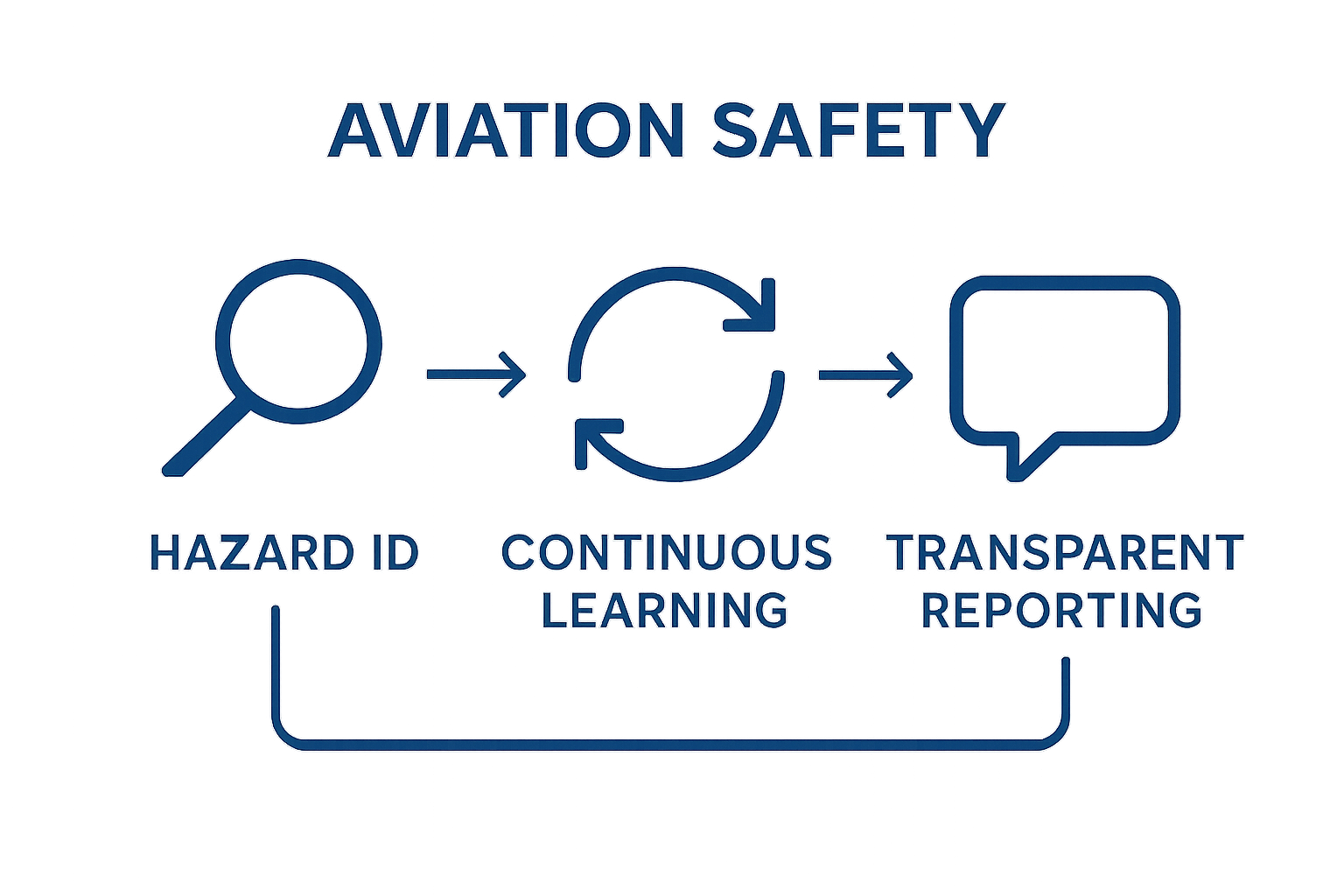
The safety record of 2018 serves as a reminder that aviation safety is not a destination but a continuous process of vigilance. The lessons learned from the failures of 2018—particularly regarding automation, sensor redundancy, and weight management—have been instrumental in shaping the safety protocols used throughout the 2020s.