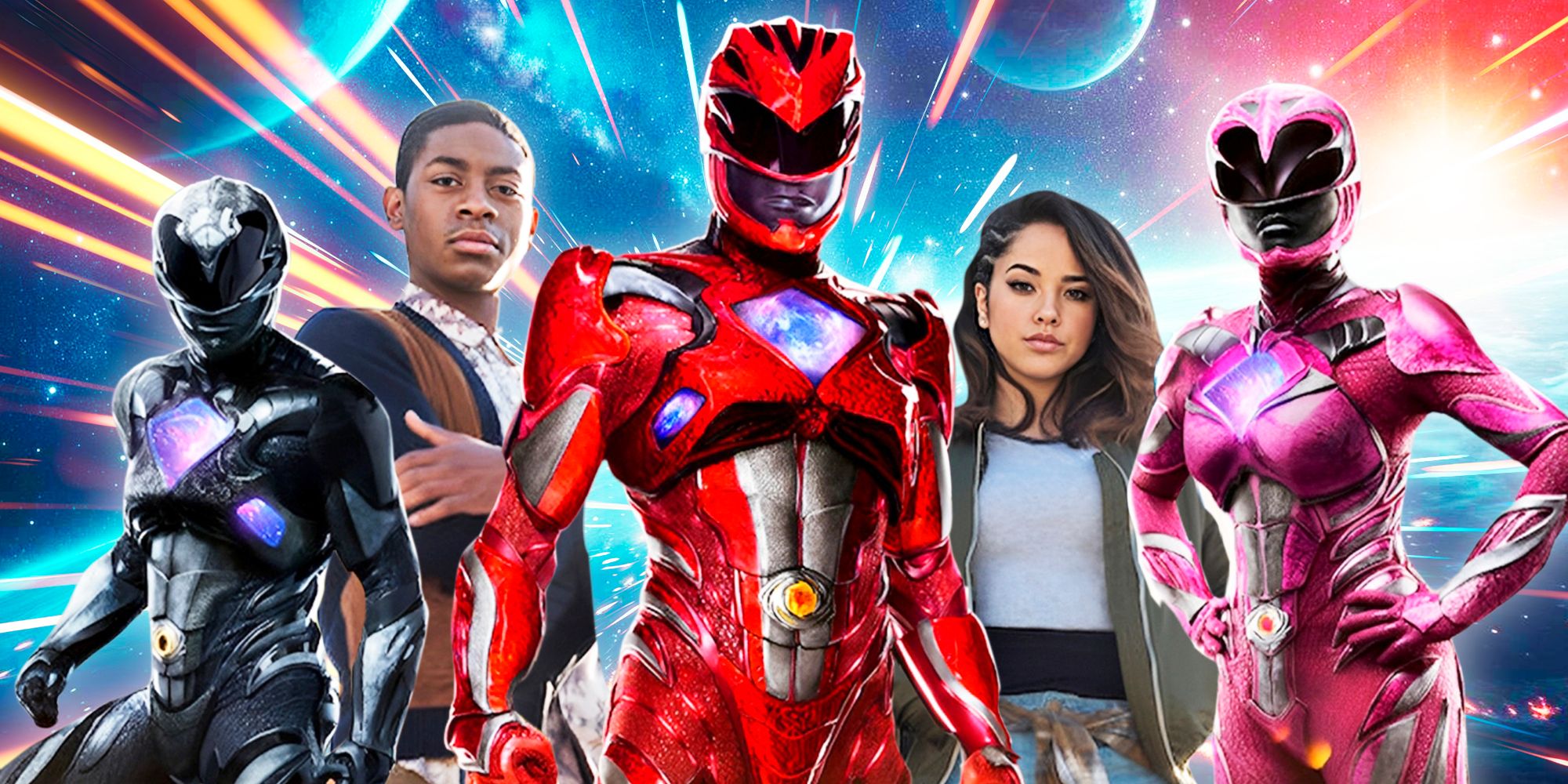
In 2017, the film industry experienced a significant cultural and financial shift, characterized by the dominance of franchise blockbusters and the critical rise of "elevated" horror and diverse storytelling. Major hits included Star Wars: The Last Jedi and Beauty and the Beast, while Guillermo del Toro’s The Shape of Water ultimately secured the Academy Award for Best Picture.
The year 2017 remains a cornerstone in cinematic history. Looking back from the perspective of 2026, we can see how the trends established that year—from the expansion of streaming-exclusive prestige films to the revitalization of the mid-budget horror movie—have fundamentally reshaped how audiences consume media. Whether you are a cinephile looking to revisit the classics or a researcher analyzing industry trends, understanding the 2017 movie landscape requires looking at box office data, critical reception, and the cultural movements that began in the studio backlots.
The Global Box Office Landscape of 2017
The 2017 theatrical year was defined by the massive success of established intellectual properties (IP). The global box office reached record heights, driven largely by international markets, specifically China. Disney dominated the year, holding several spots in the top ten highest-grossing films.
Star Wars: Episode VIII – The Last Jedi was the year's undisputed financial heavyweight, despite sparking significant debate among the fanbase. It grossed over $1.3 billion worldwide. Following closely was the live-action remake of Beauty and the Beast, which proved that Disney’s strategy of reimagining its animated catalog was not just viable but incredibly lucrative.
Other major financial successes included:
- The Fate of the Furious: The eighth installment in the high-octane franchise continued its international dominance, particularly in Asian markets.
- Despicable Me 3: Proving the staying power of the Minions, this film secured its place as the highest-grossing animated feature of the year.
- Jumanji: Welcome to the Jungle: A surprise hit that revitalized a dormant franchise, demonstrating the power of star-driven ensemble casts (Dwayne Johnson, Kevin Hart, Jack Black).
Top 10 Highest-Grossing Movies of 2017
The following table highlights the financial performance and critical reception of the year’s most successful theatrical releases.
| Rank | Movie Title | Global Box Office (USD) | Rotten Tomatoes Score | Primary Genre |
|---|---|---|---|---|
| 1 | Star Wars: The Last Jedi | $1.333 Billion | 91% | Sci-Fi/Fantasy |
| 2 | Beauty and the Beast | $1.264 Billion | 71% | Musical/Fantasy |
| 3 | The Fate of the Furious | $1.236 Billion | 67% | Action |
| 4 | Despicable Me 3 | $1.035 Billion | 59% | Animation |
| 5 | Jumanji: Welcome to the Jungle | $962 Million | 76% | Adventure/Comedy |
| 6 | Spider-Man: Homecoming | $880 Million | 92% | Superhero |
| 7 | Wolf Warrior 2 | $870 Million | 67% | Action |
| 8 | Guardians of the Galaxy Vol. 2 | $863 Million | 85% | Superhero |
| 9 | Thor: Ragnarok | $854 Million | 93% | Superhero |
| 10 | IT | $700 Million | 86% | Horror |
The 90th Academy Awards: A Year of Artistic Achievement
While the blockbusters filled the seats, the 2017 award season focused on genre-bending narratives and historical dramas. The 90th Academy Awards (held in early 2018 to honor 2017 films) was a celebration of visionary directing and powerful performances.
The Shape of Water, directed by Guillermo del Toro, was the night's big winner. A dark fantasy romance between a mute custodian and an amphibian creature, the film was praised for its production design and its message of empathy. It won four Oscars, including Best Picture and Best Director.
The acting categories were dominated by veterans delivering career-defining work:
- Best Actor: Gary Oldman won for his transformative portrayal of Winston Churchill in Darkest Hour.
- Best Actress: Frances McDormand won for her role as a grieving, defiant mother in Three Billboards Outside Ebbing, Missouri.
- Best Supporting Actor: Sam Rockwell also won for Three Billboards Outside Ebbing, Missouri.
- Best Supporting Actress: Allison Janney was recognized for her role in the dark comedy biopic I, Tonya.
One of the most culturally significant films of the year was Get Out, directed by Jordan Peele. While it only won Best Original Screenplay, its nomination for Best Picture signaled a shift in how the Academy perceived the horror genre, acknowledging its potential for deep social commentary.
The Evolution of the Superhero Genre
By 2017, the "superhero fatigue" that critics had predicted for years had yet to materialize. Instead, the genre evolved by embracing distinct directorial voices and varied tones.
Wonder Woman, directed by Patty Jenkins, was a watershed moment. It was the first female-led superhero film of the modern era to achieve both massive critical acclaim and box office success, proving that audiences were hungry for diverse perspectives in the DC Extended Universe (DCEU).
Meanwhile, the Marvel Cinematic Universe (MCU) took risks with tone. Thor: Ragnarok, directed by Taika Waititi, leaned heavily into 80s-inspired aesthetics and improvisational comedy, fundamentally changing the character of Thor. Logan, directed by James Mangold, took the opposite approach, offering a gritty, R-rated, neo-western conclusion to Hugh Jackman’s tenure as Wolverine. Its Academy Award nomination for Best Adapted Screenplay was a rare feat for a comic book movie at the time.
The Renaissance of Horror
If 2017 belonged to any single genre in terms of ROI (Return on Investment) and cultural impact, it was horror. Two films, in particular, redefined the genre's ceiling.
Jordan Peele’s Get Out became a global phenomenon. Produced by Blumhouse on a modest budget, it blended suspense with a scathing critique of "polite" racism. It was a rare horror film that remained in the public discourse for the entire year, eventually becoming a staple in film school curricula.
On the more traditional side of horror, Andy Muschietti’s IT (based on the Stephen King novel) shattered box office records. It became the highest-grossing R-rated horror film of all time (at that point), proving that high-production-value horror could compete with traditional summer blockbusters. The success of IT sparked a new wave of Stephen King adaptations that continued well into the 2020s.
The Rise of Streaming Originals
In 2017, the tension between traditional cinema and streaming services began to reach a boiling point. Netflix, in particular, started spending aggressively on original content to compete with major studios.
Mudbound, directed by Dee Rees, was a significant milestone for Netflix. After a successful run at Sundance, Netflix acquired the film, and it eventually earned four Academy Award nominations. This proved that streaming platforms could be a home for "prestige" adult dramas that traditional studios were increasingly hesitant to produce.
Amazon Studios also made waves with The Big Sick, a romantic comedy based on the real-life relationship of Kumail Nanjiani and Emily V. Gordon. These successes began the long-standing debate regarding theatrical windows and whether "movies" required a cinema release to be considered for major awards—a debate that has largely been settled in favor of streamers by 2026.
Cultural Shifts and the Industry Landscape
Beyond the screen, 2017 was a year of seismic shifts within the Hollywood infrastructure. In October 2017, investigative reporting by The New York Times and The New Yorker exposed decades of sexual misconduct by producer Harvey Weinstein. This sparked the #MeToo and Time's Up movements, which led to a massive reckoning across the industry regarding power dynamics, safety, and representation.
This cultural movement began to influence the types of stories being greenlit. There was a renewed focus on ensuring that sets were safe and that diverse voices were represented both in front of and behind the camera. The impact of 2017's activism is still clearly visible in the production standards of 2026.
Additionally, the business of Hollywood saw a major consolidation. In December 2017, The Walt Disney Company announced its intent to acquire 21st Century Fox. This deal, which took years to finalize, fundamentally changed the competitive landscape, bringing franchises like X-Men and Avatar under the Disney umbrella and setting the stage for the "streaming wars" of the early 2020s.
Notable Indie and Arthouse Films
While blockbusters took the headlines, 2017 was a banner year for independent cinema. Many of the films released this year are now considered modern classics.
- Lady Bird: Greta Gerwig’s solo directorial debut was a poignant coming-of-age story that resonated with audiences for its authenticity and sharp wit.
- Call Me by Your Name: Luca Guadagnino’s lush, romantic drama became a touchstone for LGBTQ+ cinema, praised for its performances by Timothée Chalamet and Armie Hammer.
- Florida Project: Sean Baker’s look at poverty on the fringes of Disney World used non-professional actors and vibrant cinematography to tell a heartbreakingly human story.
- A Ghost Story: David Lowery’s experimental film about grief and time showed the creative possibilities of low-budget, high-concept filmmaking.
Where to Watch 2017 Movies Today
As of 2026, the vast majority of 2017's output is available through various digital channels. Because 2017 was the year Disney began planning its own service (Disney+), many of its titles from that year are now exclusively found there.
- Disney+: Home to Star Wars: The Last Jedi, Beauty and the Beast, Thor: Ragnarok, and Guardians of the Galaxy Vol. 2.
- Max (formerly HBO Max): Often hosts Warner Bros. titles from 2017, such as Wonder Woman and Dunkirk.
- Netflix: Houses its own originals like Mudbound and Okja, along with various licensed titles that rotate monthly.
- Physical Media: 2017 was a peak year for 4K Ultra HD Blu-ray releases. Collectors often seek out the 2017 editions of Blade Runner 2049 and Dunkirk for their superior audio and visual fidelity, which streaming often compresses.
FAQ: Frequently Asked Questions About 2017 Movies
What was the highest-grossing movie of 2017?
Star Wars: Episode VIII – The Last Jedi was the highest-grossing movie of 2017, earning approximately $1.333 billion at the global box office. It was followed closely by Disney's live-action Beauty and the Beast.
Which movie won the Oscar for Best Picture for 2017?
The Shape of Water, directed by Guillermo del Toro, won the Academy Award for Best Picture at the 90th Oscars. The film is a romantic fantasy drama set during the Cold War.
Was 2017 a good year for horror movies?
Yes, 2017 is widely considered one of the best years for horror in the 21st century. It saw the release of Get Out, which became a cultural phenomenon, and IT, which became one of the highest-grossing horror films in history. Other notable horror entries included Split, Annabelle: Creation, and It Comes at Night.
Who were the top-grossing actors of 2017?
Actors like Dwayne "The Rock" Johnson (due to Jumanji and Fate of the Furious), Gal Gadot (Wonder Woman and Justice League), and Daisy Ridley (The Last Jedi) were among the most commercially successful stars of the year.
What was the most controversial movie of 2017?
Star Wars: The Last Jedi is frequently cited as the most controversial film of the year. While it was a critical darling, it polarized the fan base over its treatment of legacy characters like Luke Skywalker and its subversion of traditional Star Wars tropes.
Summary and Recommendations
The movies of 2017 offered a unique blend of high-concept artistry and massive commercial spectacles. From the social relevance of Get Out to the visual splendor of Blade Runner 2049, the year provided something for every type of viewer.
If you are looking to catch up on the best of 2017, start with the "Big Three" that defined the year's range:
- The Shape of Water for a masterclass in visual storytelling and emotion.
- Get Out for a genre-defining thriller that remains relevant in 2026.
- Logan to see the pinnacle of what a character-driven superhero movie can achieve.
To further explore this era, visit authoritative databases like the IMDb 2017 Archive or Box Office Mojo for detailed financial breakdowns.