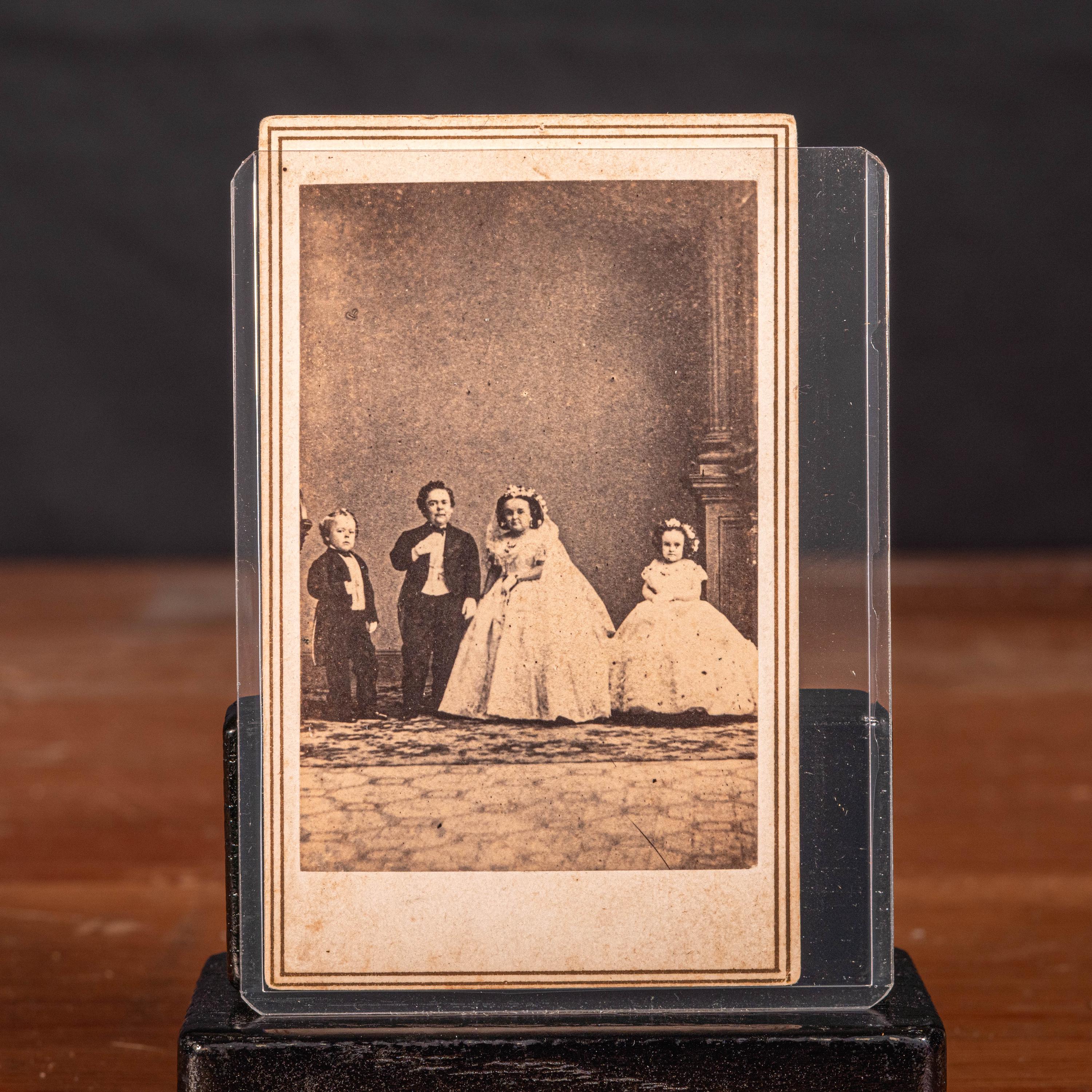
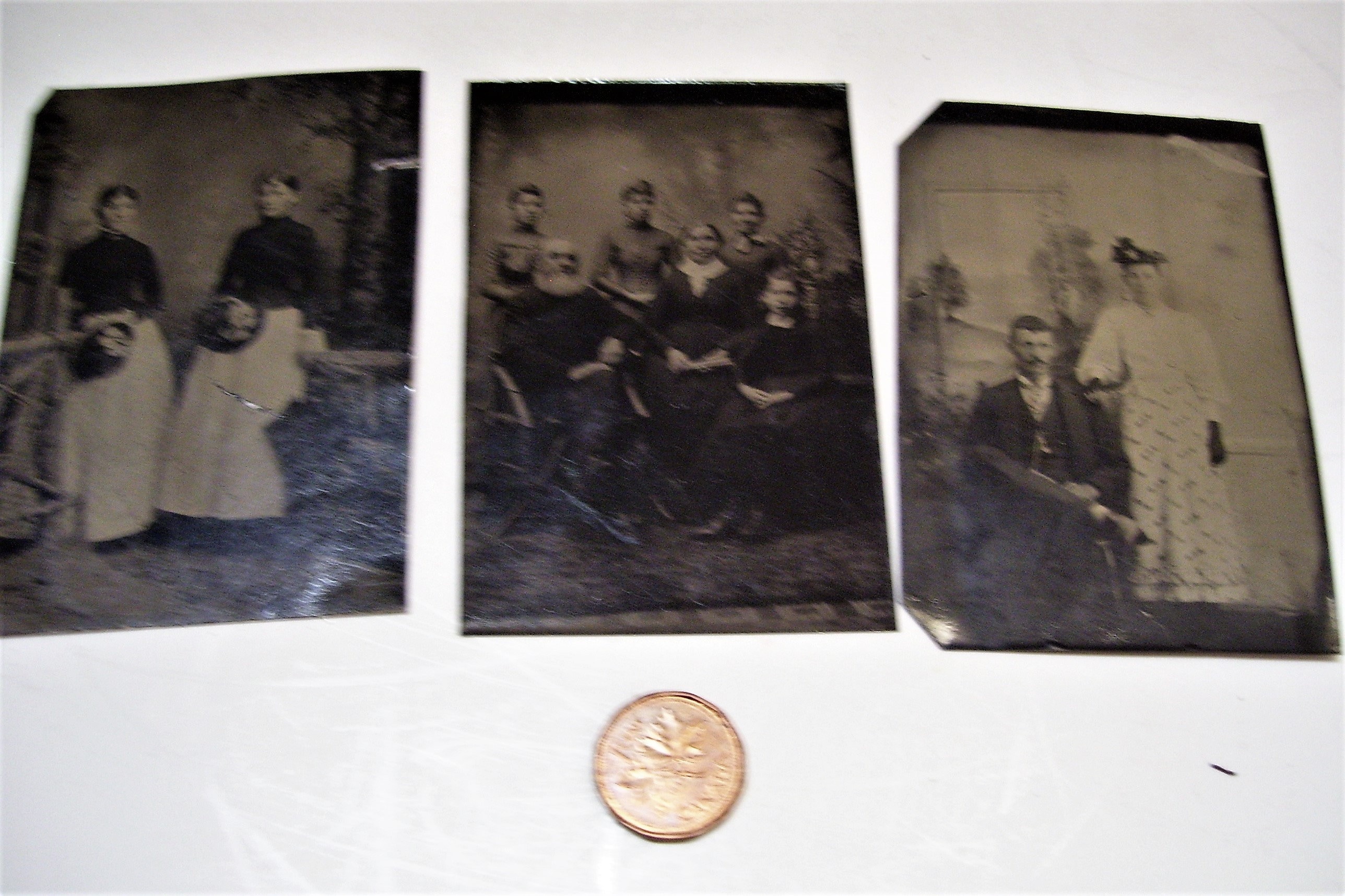
1800s photography encompasses the foundational century of chemical imaging, defined by a rapid progression from unique, light-sensitive metal plates to flexible film rolls. Understanding this era requires distinguishing between non-reproducible positive processes like the daguerreotype and negative-positive systems like the calotype, which ultimately enabled the mass distribution of photographic imagery.
The Dawn of Chemical Imaging: The 1830s and 1840s
The history of photography in the 1800s began officially in 1839 with the simultaneous public announcement of two distinct technologies. Louis-Jacques-Mandé Daguerre introduced the daguerreotype in France, while William Henry Fox Talbot introduced the calotype (or talbotype) in England.
The daguerreotype produced a highly detailed, mirror-like image on a silver-plated copper sheet. Because the image was formed directly on the plate, it was a unique positive; to create a copy, one had to re-photograph the original. This created significant interest among the elite, as it provided unprecedented realism. However, the process was dangerous due to the use of heated mercury fumes used to develop the plate.
Conversely, the calotype utilized a paper negative treated with silver iodide. This allowed for the production of multiple positive prints from a single negative. While the resulting images were softer and less sharp than daguerreotypes, the ability to replicate images laid the technical groundwork for the future of photography as a medium for mass communication.
Mid-Century Innovation: The Wet Plate Era
By the early 1850s, photography shifted toward the collodion process, popularized by Frederick Scott Archer. This "wet plate" method offered the sharpness of the daguerreotype with the reproducibility of the calotype.
The process was technically demanding: a glass plate was coated with collodion, sensitized in a silver nitrate bath, exposed in the camera, and developed immediately while still wet. This required traveling photographers to carry portable darkrooms, often in wagons, to ensure they could prepare and process plates before the collodion dried.
Within this era, two major variants emerged:
- Ambrotypes: A glass negative that appeared as a positive when backed with a dark material, such as black velvet or varnish.
- Tintypes (Ferrotypes): A variation of the wet plate process where the image was exposed directly onto a thin sheet of lacquered iron. These were durable, relatively inexpensive, and became the standard for "street" photography during the American Civil War.
The Rise of Dry Plates and Snapshot Photography
As the 1870s approached, the industry sought to move away from the cumbersome "wet" process. Richard Leach Maddox introduced the gelatin dry plate in 1871. These plates were pre-manufactured, shelf-stable, and could be developed long after exposure. This removed the need for portable darkrooms and significantly shortened exposure times.
This innovation culminated in the late 1880s with the introduction of flexible celluloid film. In 1888, George Eastman launched the Kodak camera, which came pre-loaded with enough film for 100 exposures. When the film was spent, the customer sent the entire camera back to the factory, where the film was processed and prints were returned. This moment marked the transition of photography from a specialized, chemistry-heavy trade into a accessible consumer hobby.
Comparative Overview of 19th-Century Photographic Processes
| Process | Date Range | Medium | Reproducible | Characteristic Look |
|---|---|---|---|---|
| Daguerreotype | 1839–1860s | Silvered Copper | No | Sharp, mirror-like, expensive |
| Calotype | 1841–1850s | Paper | Yes | Soft, textural, fiber-based |
| Ambrotype | 1854–1860s | Glass | No (usually) | Detailed, encased in glass |
| Tintype | 1856–1900s | Iron | No | Durable, high contrast, cheap |
| Gelatin Dry Plate | 1871–1900+ | Glass | Yes | Uniform, sharp, high speed |
Handling and Preservation of Historical Photographs
Collectors and archivists managing items from the 1800s must account for the specific material sensitivities of these early media. Because 19th-century images often utilize silver or iron as their primary image-forming agent, they are prone to oxidation and environmental degradation.
Environmental Controls:
- Temperature: Maintain a cool, stable environment (below 68°F or 20°C). Fluctuations in temperature can cause layers to separate or binders to crack.
- Humidity: Keep relative humidity between 30% and 40%. High humidity encourages mold growth, especially on albumen prints (the standard paper print from the 1860s to 1890s), while low humidity can make paper brittle.
- Light Exposure: Limit exposure to UV radiation. Early photographs are susceptible to fading, particularly cyanotypes and salted paper prints. Use acid-free, buffered archival storage sleeves and folders.
Material Hazards: Many 1800s photographs are encased in decorative thermoplastic or leather "union cases." Be aware that these cases often contain hidden hardware or copper frames that can corrode. Avoid cleaning the surface of a daguerreotype or ambrotype with any liquid; the image layer is extremely fragile and can be wiped away with a light touch. If you suspect an item has active mold or silver mirroring (a metallic sheen at the edges of a print), consult a professional photographic conservator before attempting any stabilization.
Common Questions Regarding 1800s Photography
1. How can I tell if a photograph is an original from the 1800s or a later reproduction? Originals often show physical evidence of their creation, such as plate marks (indents from the camera plate holder) on daguerreotypes or the distinctive "sandwich" construction of an ambrotype. Reproductions are often photomechanical prints (halftone dots) visible under a magnifying glass.
2. Are 1800s photographs dangerous to handle due to chemicals? While some processes involved mercury or cyanide, these materials were largely stabilized in the final product. However, always wash your hands after handling, and avoid touching the surface of the photograph. If a tintype is flaking, wear gloves to prevent ingestion of small paint or metal particles.
3. What is an albumen print? The albumen print was the most common paper photograph of the late 19th century. It utilized egg whites to bind light-sensitive chemicals to paper. They are characterized by a slightly glossy finish and a tendency to yellow or fade over time.
4. Why are so many 1800s portraits of people looking so serious? The long exposure times required by early cameras made it physically difficult to hold a smile for several seconds. Furthermore, photography was an expensive, formal occasion, and historical cultural standards favored solemn, stoic expressions.
5. Can I use modern scanners to digitize 1800s photos? Yes, but avoid high-heat scanners or those with intense, non-UV-filtered bulbs. Use a flatbed scanner with a cold LED light source. If the photograph is framed, remove it from the frame carefully, but never attempt to pry open a sealed antique case.
Next Steps for Collectors and Researchers
If you are researching a specific family photograph from the 19th century, start by identifying the housing. Is it a metal plate, a piece of glass, or a paper print? Utilize the table provided in this guide to narrow down the decade of origin. If you plan to archive these items, prioritize housing them in ISO-standard passing enclosures—specifically those made from polyester (Mylar), polypropylene, or archival-grade paper. For historical identification, cross-reference the photographer’s imprint (often found on the back of paper prints known as cartes de visite) with city directories from the era to pinpoint the location and approximate date of the studio’s operation.