A 15-pound infant is typically navigating a dynamic developmental stage—often between 3 and 7 months of age—where rapid physical growth intersects with emerging motor skills, distinct sleep pattern shifts, and changing nutritional needs. Monitoring weight distribution, tracking developmental milestones, and adapting daily care strategies support this active window of early childhood development.
The Context of a 15-Pound Baby on Growth Charts
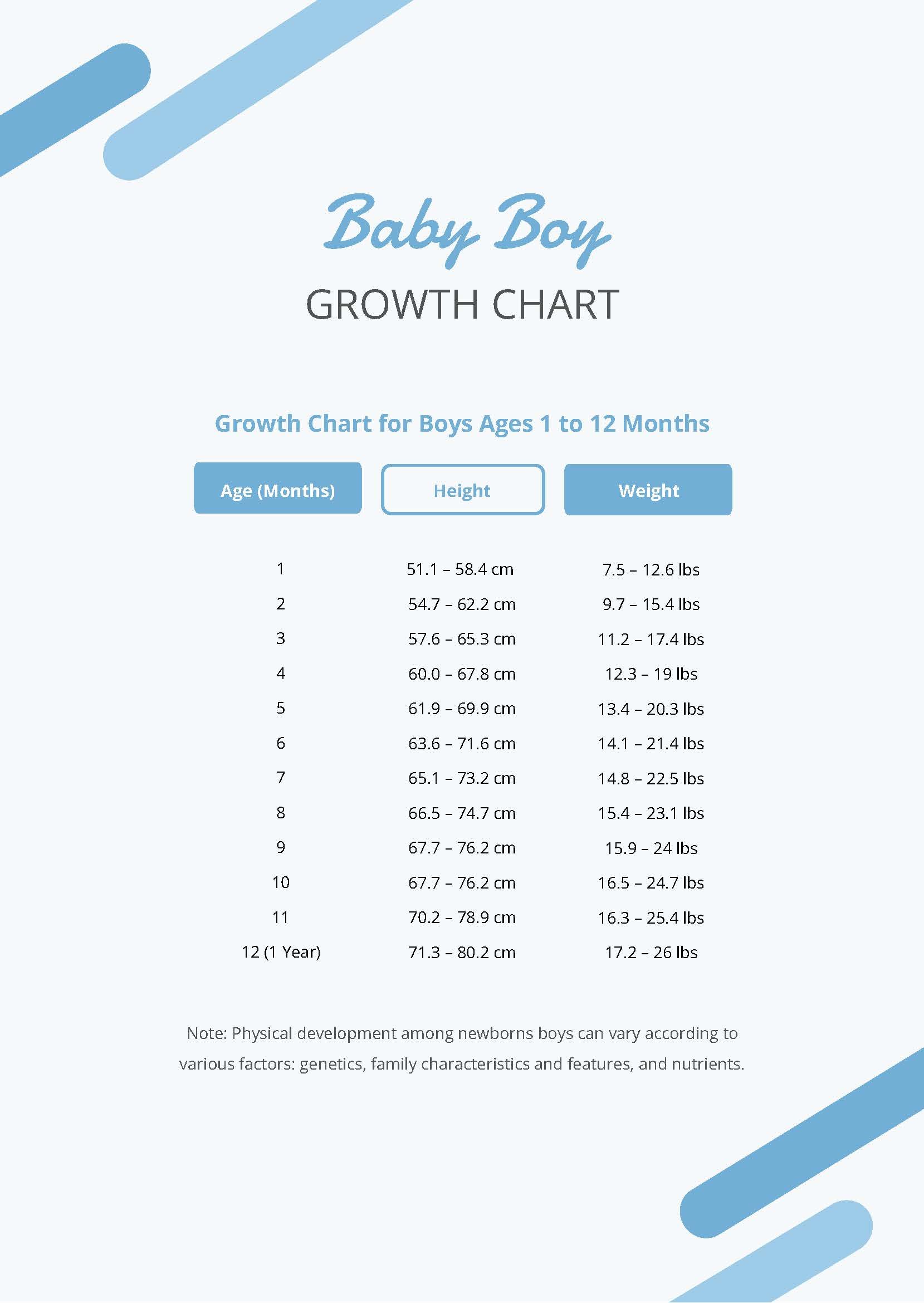
Understanding where a 15-pound infant sits on standard World Health Organization (WHO) growth charts requires looking at the interplay between weight, length, and age. Because growth charts reflect percentages rather than strict grading criteria, a 15-pound measurement tells a different story depending on whether the baby is three months old or six months old.
Interpreting WHO Percentiles for Weight and Length
Standard growth charts used by pediatricians plot weight-for-age, length-for-age, and weight-for-length. When a baby reaches the 15-pound mark, they may fall into different percentiles based on their exact age and sex.
- At 3 Months Old: A 15-pound baby is typically tracking along the higher percentiles (often above the 85th to 90th percentile), indicating a robust, fast-growing infant.
- At 5 to 6 Months Old: A 15-pound weight often places an infant much closer to the median (50th percentile), reflecting a steady, average growth trajectory.
Pediatric professionals emphasize that single data points matter less than the overall curve. Consistent upward movement along a steady growth trajectory is the primary indicator of healthy development. If a baby rapidly jumps across multiple major percentile lines or suddenly flattens out, pediatricians evaluate nutritional intake, underlying health conditions, and overall wellness.
Tracking Proportional Growth
Weight alone does not provide a complete picture of infant health. Head circumference and recumbent length must be measured alongside weight to evaluate proportional development.
- Weight-for-Length Ratio: This metric helps determine if an infant's weight is appropriate for their linear growth.
- Velocity of Growth: Infants grow in spurts. While weight gain may slow down slightly after the first four months, length increases steadily, altering the baby's physical build from a newborn roundness to a more proportional infant physique.
Regular well-child visits—typically scheduled at 2, 4, 6, and 9 months of age—provide structured opportunities for clinicians to record these metrics using calibrated scales and infant length boards. Parents can maintain their own records using standardized tracking tools provided by organizations like the American Academy of Pediatrics (AAP).
| Age Range (Approximate) | Typical Weight Range | Typical Length Range | Key Developmental Focus |
|---|---|---|---|
| 2 to 3 Months | 11 – 15 lbs | 22 – 24 inches | Head control, social smiles, tracking objects |
| 4 to 5 Months | 13 – 17 lbs | 24 – 26 inches | Rolling, reaching, beginning solid food readiness |
| 6 to 7 Months | 15 – 19 lbs | 25 – 28 inches | Sitting with support, babbling, solid food introduction |
Key Developmental Milestones for a 15 lb Infant
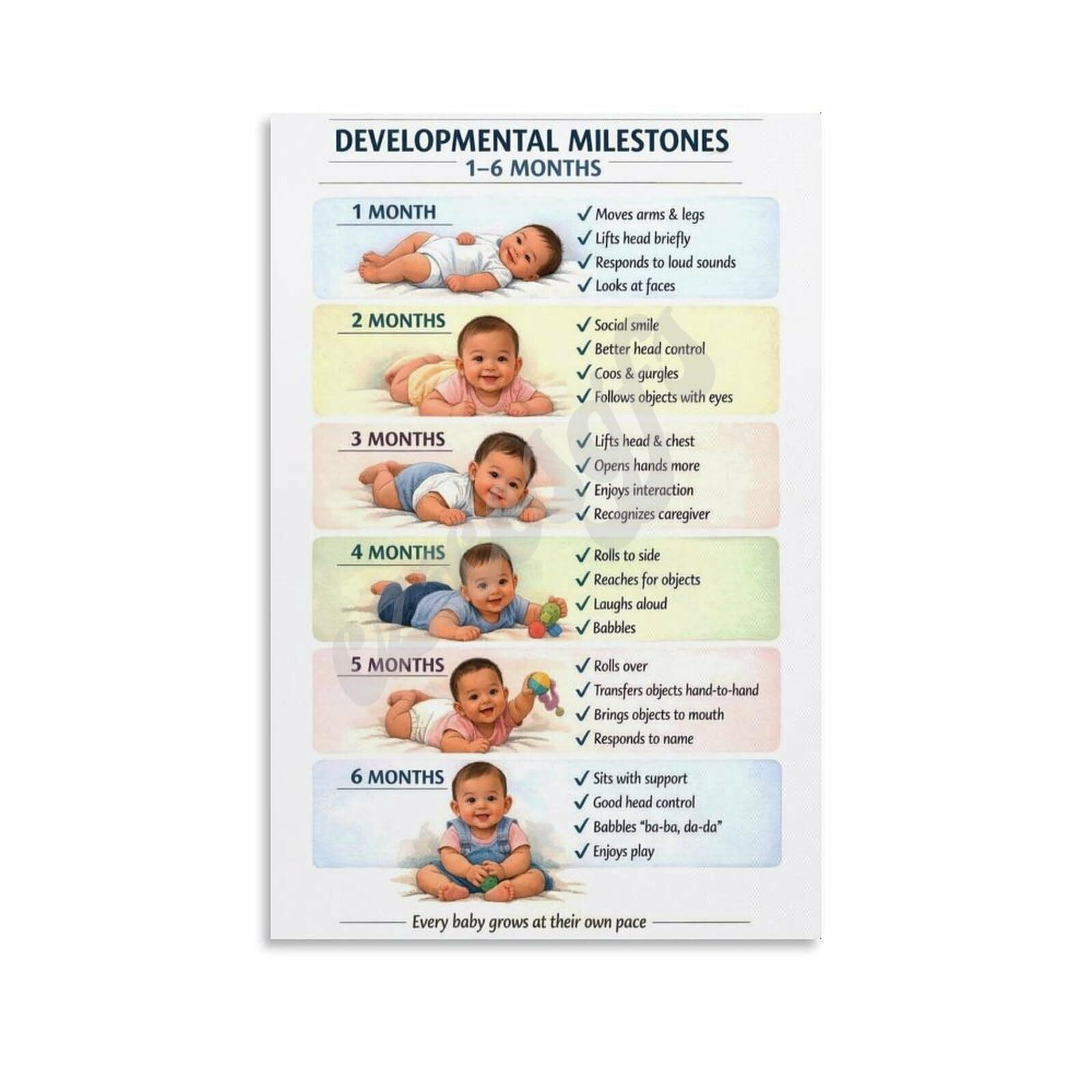
As babies reach the 15-pound milestone, their neurological and musculoskeletal systems undergo rapid maturation. Depending on their exact age, a baby of this weight is typically mastering or approaching several critical motor, sensory, and cognitive milestones.
Gross and Fine Motor Skill Progression
At this developmental stage, physical strength and coordination expand significantly.
- Head and Neck Control: A younger baby (around 3 to 4 months) at 15 pounds will hold their steady head unsupported while upright and push up on their forearms during tummy time. An older baby (around 6 months) will have complete head control and begin pivoting or rocking on hands and knees.
- Rolling Over: Many 15-pound babies learn to roll from front to back, and shortly thereafter, from back to front. This transition requires caregivers to remain vigilant about safe sleep environments and changing table security.
- Sitting Support: As core muscles strengthen, babies transition from requiring full support to sitting tripod-style (leaning forward on their hands) and eventually sitting independently without support.
- Reaching and Grasping: Fine motor skills evolve from reflex-driven grasping to intentional reaching, transferring objects from one hand to the other, and exploring items using mouth-based sensory investigation.
Sensory, Communication, and Social Engagement
Cognitive development runs parallel to physical growth. A 15-pound infant typically displays vibrant social engagement and expanding communication capabilities.
- Vocalizations: Beyond standard crying, babies begin cooing, making vowel sounds, and eventually producing consonant sounds like "ba-ba" or "da-da" through exploratory babbling.
- Recognizing Familiar Faces: Vision sharpens to nearly adult clarity, allowing the infant to recognize parents and primary caregivers across a room, track moving objects smoothly, and respond to familiar voices with eager smiles or excited body movements.
- Emotional Responsiveness: Babies at this stage laugh out loud, express displeasure when favorite toys are taken away, and show stranger wariness or separation awareness as object permanence begins to develop.
Daily Care Strategies and Nutritional Needs
Caring for a 15-pound infant requires balancing adequate nutrition, safe sleep practices, and age-appropriate physical engagement. Whether the baby is exclusively breastfed, formula-fed, or beginning the transition to solid foods, nutritional management supports ongoing growth.
Nutritional Requirements: Milk and Solid Foods
For a younger infant hovering around 15 pounds (such as at 3 or 4 months), nutritional intake consists exclusively of breast milk or iron-fortified infant formula. On average, infants require approximately 2.5 ounces of formula or breast milk per pound of body weight daily, translating to roughly 35 to 38 ounces total per 24-hour period, though individual appetites vary.
For older infants approaching 15 pounds at 6 months of age, the nutritional landscape shifts:
- Introduction of Solids: The AAP recommends introducing single-grain, iron-fortified cereals or pureed vegetables and fruits around 6 months of age, provided the infant shows signs of developmental readiness (good head control, ability to sit with minimal support, and loss of the tongue-thrust reflex).
- Milk as Primary Nutrition: Solid foods at this stage complement, rather than replace, breast milk or formula. Responsive feeding—feeding on cue rather than strict schedules—ensures the baby receives adequate calories for continued growth.
Safe Sleep and Physical Safety
As a 15-pound baby becomes more physically active, home safety and sleep environments require proactive adjustments.
- Safe Sleep Adjustments: Because a 15-pound baby may begin rolling over independently, swaddling must be discontinued immediately at the first sign of attempted rolling. Transitioning to wearable blankets or sleep sacks keeps the baby warm while allowing free arm movement.
- Fall Prevention: Never leave a rolling infant unattended on elevated surfaces such as beds, couches, or changing tables. Floor mats and secured play spaces provide safe environments for practicing motor skills.
- Babyproofing Basics: As babies begin to reach, grasp, and potentially scoot or crawl, lower electrical outlets, secure heavy furniture to walls, and remove small objects from floor level to prevent choking hazards.
Common Challenges and Troubleshooting
Navigating infant development involves addressing common hurdles such as growth spurts, sleep regressions, and feeding adjustments. Recognizing the signs of these transitions helps reduce parental anxiety.
Managing Growth Spurts and Sleep Disruptions
Around the time an infant reaches 15 pounds, they frequently experience predictable growth spurts. These periods involve:
- Increased Appetite: The baby may demand more frequent feedings, cluster feeding during the evening hours, or waking more often at night. This temporary surge in feeding signals the body to increase milk production or caloric intake to support rapid tissue growth.
- Sleep Regressions: Physical milestones like rolling, sitting, or teething often coincide with temporary disruptions in established sleep patterns. Maintaining consistent bedtime routines, ensuring adequate daytime wake windows, and responding calmly to nighttime waking helps the infant settle back into stable sleep habits over the course of one to two weeks.
When to Consult a Pediatrician
While standard variance in growth and development is broad, certain signs warrant professional medical evaluation:
- Failure to gain weight consistently or an actual drop across multiple percentile curves on the growth chart.
- Persistent lethargy, poor responsiveness, or extreme irritability that does not resolve with soothing.
- Signs of dehydration, such as significantly fewer wet diapers (fewer than 4 to 6 wet diapers per 24 hours in an older infant), dry mucous membranes, or crying without tears.
- Loss of previously acquired milestones, such as a sudden inability to hold the head steady or make eye contact.
Summary and Practical Next Actions
A 15-pound baby is experiencing a transformative phase characterized by active growth, emerging motor skills, and expanding social awareness. By tracking growth curves at scheduled pediatric appointments, supporting physical milestones through supervised tummy time and safe play, and adjusting nutritional strategies as the baby matures, caregivers lay a strong foundation for lifelong health and development.
Next Actions:
- Review your baby's most recent pediatrician visit notes to identify their current weight-for-age and length percentiles.
- Audit your home environment for safe sleep compliance (stopping swaddling if rolling has begun) and basic floor-level babyproofing.
- Prepare a list of questions regarding solid food readiness or upcoming developmental milestones for your next scheduled well-child visit.