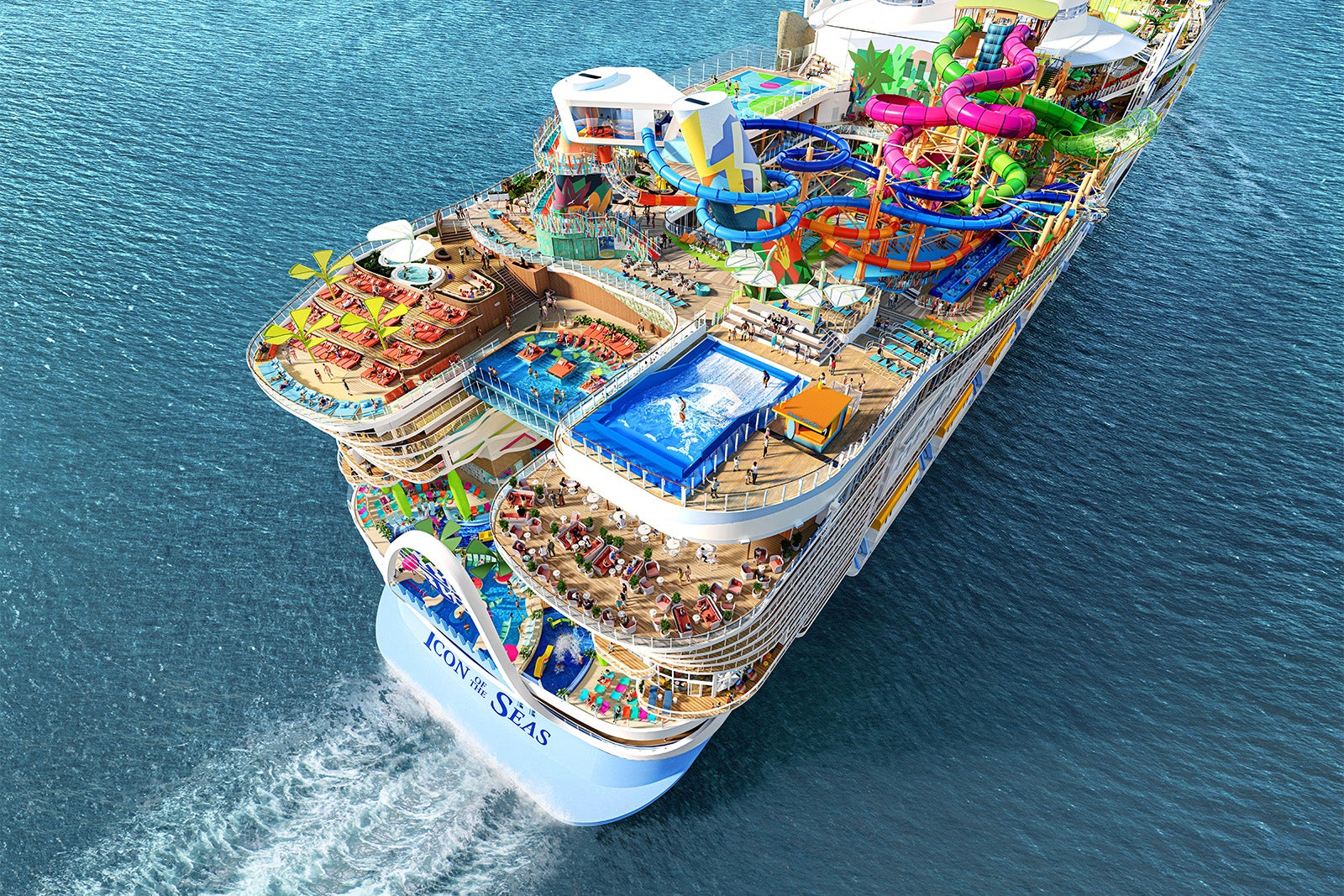
A 12-month cruise is a long-term maritime residence or a sequence of back-to-back voyages that allow travelers to live at sea for a full year. This lifestyle is facilitated either through dedicated residential cruise ships or by booking consecutive "Grand Voyages" and global segments on commercial lines, covering hundreds of ports across multiple continents.
As of 2026, the concept of living at sea has transitioned from a niche retirement dream into a structured lifestyle choice for digital nomads, retirees, and sabbatical-takers. The infrastructure of the cruise industry has adapted to accommodate this trend, offering enhanced connectivity, long-stay discounts, and specialized services for those who call the ocean their home. Whether you are looking at a single continuous itinerary or a custom-built year of travel, understanding the logistical, financial, and personal realities of 365 days on the water is essential before committing to such an undertaking.
What is a 12-Month Cruise?
The term "12-month cruise" generally refers to one of two primary models: a Residential Cruise Ship or Back-to-Back (B2B) Commercial Voyaging. In the residential model, passengers often own or lease a cabin (villa) for years at a time, effectively treating the ship as a floating condominium. These ships are designed specifically for long-term habitation, featuring larger living spaces, kitchenettes, and community-focused amenities that differ from standard vacation vessels.
The alternative, and more common approach in 2026, is the "Continuous Voyage" method. This involves stitching together a series of long-duration cruises—such as World Cruises (typically 110 to 140 days), Grand Voyages (60 to 90 days), and regional repositioning cruises. By carefully aligning the end of one voyage with the start of another, travelers can maintain a continuous presence at sea. This requires significant planning but offers the flexibility to change cruise lines, ship sizes, and service levels throughout the year.
While traditional cruises focus on high-energy entertainment and rapid-fire sightseeing, the 12-month experience is defined by immersion and pace. It is less about "vacationing" and more about "relocating." The 2026 cruising landscape has seen a rise in ships specifically outfitted with high-speed satellite internet (like Starlink) and co-working spaces, acknowledging that a significant portion of long-term cruisers are still professionally active.
How a Year at Sea Works: Logistics and Planning
Planning a year at sea is a monumental task that involves more than just picking a destination. It requires a deep dive into international maritime law, visa requirements, and personal logistics that most vacationers never have to consider.
The Booking Strategy: Segments vs. Full Years
Most major cruise lines—such as Princess, Holland America, Viking, and Cunard—release their World Cruise itineraries 18 to 24 months in advance. To achieve a 12-month stint, travelers often book a "Full World Voyage" and then supplement the remaining eight months with regional "Grand Voyages" (e.g., a Grand South America or a Grand Africa voyage).
The benefit of booking segments is the ability to avoid "ship fatigue." Moving from a 3,000-passenger mega-ship to a 700-passenger boutique vessel mid-year can provide a necessary change of scenery and social atmosphere. However, the "Residential" ships, such as those operated by Villa Vie Residences or Storylines, offer a more stable experience where you don’t have to pack and unpack your belongings every few months.
Visa Management and the "Schengen Shuffle"
One of the most complex aspects of a 12-month cruise is staying compliant with international visa regulations. Even though you are on a ship, you are subject to the entry requirements of every country the ship visits. For U.S., UK, and Australian citizens, the Schengen Area in Europe presents a particular challenge; travelers can only spend 90 out of every 180 days in the zone.
Expert long-term cruisers use the ship’s itinerary to manage these windows, often choosing "repositioning cruises" that cross the Atlantic or Pacific to reset their stay clocks in various jurisdictions. In 2026, most specialized long-term cruise desks provide visa-tracking services to ensure passengers don't inadvertently overstay their legal welcome in a specific region.
Healthcare and Insurance
Standard travel insurance is insufficient for a 12-month cruise. Travelers must secure Global Medical Insurance that includes emergency maritime evacuation. While ships have onboard medical centers staffed with doctors and nurses, these are designed for stabilization and minor ailments, not long-term chronic care. Furthermore, onboard medical services are billed at private rates and can be exceptionally expensive if not covered by a specific international policy.
Financial Requirements and Cost Analysis
The cost of a 12-month cruise varies wildly based on the level of luxury and the type of cabin selected. For 2026, we categorize these costs into three tiers: Budget/Mid-Range, Premium, and Ultra-Luxury/Residential.
| Category | Estimated Annual Cost (Per Person) | Typical Inclusion | Primary Target Audience |
|---|---|---|---|
| Mid-Range B2B | $45,000 – $75,000 | Meals, basic Wi-Fi, standard cabin | Retirees & Sabbatical Takers |
| Premium / Luxury | $100,000 – $180,000 | Drinks, excursions, specialty dining | Affluent Seniors |
| Residential Lease | $80,000 – $250,000+ | All-inclusive, HOA-style fees | Permanent Sea-Dwellers |
The "Hidden" Costs of Living at Sea
The "lead-in" price advertised by cruise lines rarely covers the total cost of living. For a full year, you must account for:
- Port Fees and Taxes: These can add $3,000 to $7,000 annually.
- Gratuities: Even on long-term voyages, daily service charges (ranging from $16 to $25 per day) apply unless you are on an ultra-luxury line.
- Laundry: Unless your cabin has a dedicated washer/dryer (rare) or you have a high-tier loyalty status, laundry fees can become a significant monthly expense.
- Connectivity: While 2026 ships are largely Starlink-equipped, "premium" bandwidth for video calls or streaming often incurs an extra monthly fee.
Tax Implications
For many, a 12-month cruise is a tax-strategy move. In certain jurisdictions, staying out of your home country for more than 330 days can qualify you for the Foreign Earned Income Exclusion (in the U.S.) or similar tax-resident-status changes elsewhere. However, you must consult a tax professional, as "living at sea" does not automatically grant you tax-free status; you are technically "resident nowhere," which many tax authorities view with scrutiny.
What to Expect: Life on Board for 365 Days
Living on a ship for a year is fundamentally different from a one-week vacation. The initial "honeymoon phase" of unlimited buffets and nightly shows usually fades within the first 45 days, replaced by a need for routine and personal space.
The Social Dynamic
On a 12-month voyage, the crew and fellow long-term passengers become your surrogate family. You will see the same faces every day in the dining room and at the gym. This creates a tight-knit "village" atmosphere. However, it also means that "ship politics" and gossip can become prevalent. Maintaining a social circle while also carving out "alone time" is the key to psychological longevity at sea.
Managing "Cruise Fatigue"
"Port fatigue" is a real phenomenon where, after the 50th cathedral or 30th tropical beach, the desire to go ashore diminishes. Long-term cruisers often treat port days as "errand days"—using the time to find a local pharmacy, buy specific toiletries not available on the ship, or simply sit in a local café to feel "grounded." You should expect to stay on the ship for about 20-30% of port calls simply to rest and maintain a sense of normalcy.
Diet and Physical Health
One of the greatest challenges of a 12-month cruise is avoiding the health pitfalls of cruise food. Standard ship menus are often high in sodium and fats to appeal to short-term vacationers. Long-term residents must work closely with the Maître d' to arrange for "off-menu" healthier options, such as plain grilled proteins and steamed vegetables, to avoid weight gain and hypertension over a full year.
Practical Considerations for 2026
As we move through 2026, the technology and services surrounding long-term cruising have reached a new level of maturity.
- Mail Forwarding: Specialized services now exist that consolidate your mail at a central hub (often in Florida or Singapore) and air-freight it to the ship's next major port of call every two weeks.
- Digital Nomads: The 2026 fleet features significantly more "Quiet Zones" and improved in-cabin desk ergonomics, reflecting the reality that many people under 60 are now working from the sea.
- Sustainability: Newer ships are powered by Liquefied Natural Gas (LNG) or utilize advanced hull coatings to reduce environmental impact. For the environmentally conscious traveler, choosing a modern ship for a 12-month stint is increasingly important as port regulations in places like Norway and Venice become stricter regarding emissions.
Common Pitfalls to Avoid
- Over-Packing: You do not need 365 outfits. Most ships have excellent laundry services. Aim for a 14-day wardrobe rotation with pieces that can be layered.
- Ignoring the "Fine Print" on Insurance: Ensure your policy doesn't have a "maximum trip duration" clause. Many standard policies cap a single trip at 90 days.
- Neglecting Mental Health: The lack of "roots" can lead to feelings of isolation. Regular video calls with family and maintaining a hobby that isn't ship-related (like writing, digital art, or online learning) are vital.
- Inadequate Prescription Supply: While the ship can sometimes help, you should ideally depart with a 180-day supply of essential medications and a plan for a "mid-year refill" at a major port with a reputable medical infrastructure (e.g., London, Dubai, or Tokyo).
Frequently Asked Questions
Can I bring my pet on a 12-month cruise?
Generally, no. With the exception of the Cunard Queen Mary 2 (which has a kennel for Transatlantic crossings) and a few specific residential startup ships, pets are not allowed on commercial cruises. Service animals are permitted but face extreme bureaucratic hurdles regarding quarantine laws in every port of call, making it practically impossible for a 12-month multi-country itinerary.
How do I handle my taxes while living at sea?
You remain a citizen of your home country and are generally liable for taxes there unless you meet specific residency-abroad requirements. Because you are moving between international waters and various national territories, you do not typically establish "tax residency" in any of the ports you visit. Always consult a maritime tax specialist.
What happens if I get sick and need to leave the ship?
If you have a serious medical emergency, the ship’s medical team will stabilize you and evacuate you to the nearest shore-side hospital. This is where high-quality evacuation insurance is critical. If you are forced to leave the ship permanently, most cruise lines do not offer prorated refunds for the remainder of your voyage unless you have "Cancel for Any Reason" (CFAR) insurance.
Is Wi-Fi fast enough for Zoom calls or remote work in 2026?
Yes, on most modern ships. By 2026, the industry has largely adopted low-earth orbit (LEO) satellite arrays like Starlink. This provides speeds comparable to home broadband in most parts of the world, though "dead zones" can still occur in the extreme North/South latitudes or during heavy storms.
Can I receive packages from Amazon or other retailers?
Yes, but it is complicated. You must coordinate with the ship’s port agent in a future destination. You ship the package to the agent, who then delivers it to the ship when it docks. This usually incurs a handling fee from the agent and requires precise timing to ensure the package arrives before the ship departs.
Next Steps for Prospective Year-Long Cruisers
If you are ready to move forward with a 12-month cruise, your first action should be to consult with a Cruise Consultant who specializes in World Voyages. Unlike standard travel agents, these specialists understand the nuances of back-to-back booking, cabin consistency (ensuring you don't have to move rooms every few weeks), and long-stay discount structures.
Simultaneously, begin a "decluttering" phase for your land-based life. Living at sea requires a minimalist mindset. Start by spending a month with only the items you plan to bring on the ship to test your readiness for the lifestyle. Finally, ensure your passport has at least 24 months of validity and plenty of empty pages, as you will be accumulating stamps at a record pace.