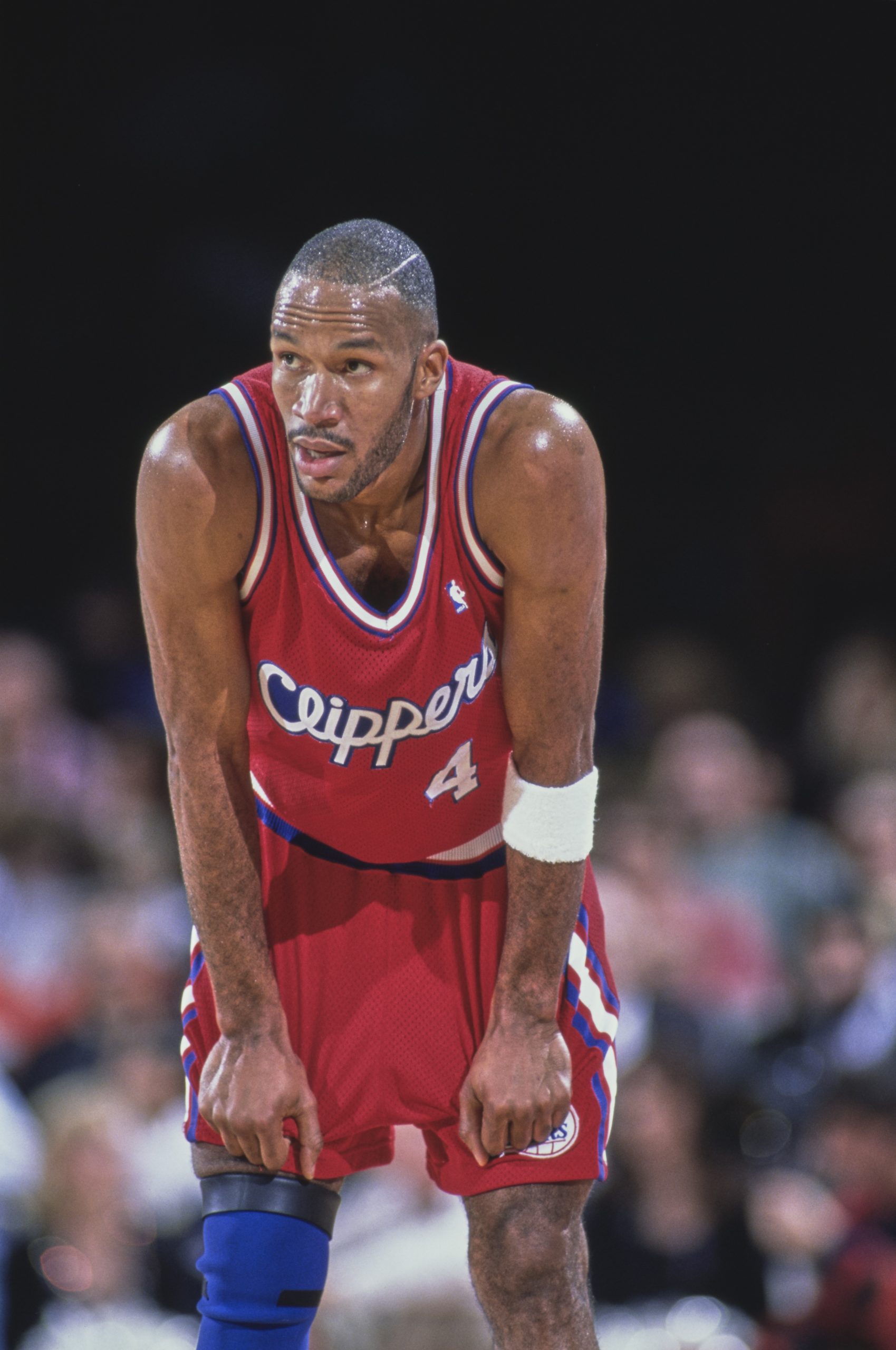
Ron O’Neal was an American actor, director, and screenwriter best known for his iconic portrayal of Youngblood Priest in the 1972 blaxploitation classic Super Fly. His career spanned several decades, moving from stage acting in New York to a prominent presence in cinema and television throughout the 1970s, 1980s, and 1990s. While public records regarding his professional output remain extensively documented through historical film databases, his personal financial status remains a matter of private estate management rather than public record, as net worth figures for actors of his era are generally estimates based on industry standard residuals and historical earnings data.
Early Life and Transition to the Stage
Born on September 1, 1937, in Utica, New York, Ron O’Neal’s journey into the arts began long before his breakout cinematic success. He spent his early years honing his craft in the theater, an environment that would inform his disciplined approach to acting for the rest of his life. After moving to New York City in the late 1960s, he became an active member of the Negro Ensemble Company, a foundational organization in the history of African American theater.
His work on the stage, particularly in plays like No Place to Be Somebody, garnered him critical acclaim, including an Obie Award. This period of his life is documented through theatrical records and reviews from major publications such as The New York Times, which tracked the rise of Black theater during that era. Understanding his background is essential for context, as O’Neal viewed himself primarily as a classically trained actor. This training provided the foundation for his professional longevity, enabling him to secure consistent roles in television and film well after the peak of the blaxploitation genre.
The Cultural Impact of Super Fly
In 1972, O’Neal achieved international stardom with the film Super Fly. The film, directed by Gordon Parks Jr., featured O’Neal as Youngblood Priest, a cocaine dealer attempting to execute one final, lucrative job before retiring from the life. While the film was controversial at the time due to its subject matter, its cultural legacy and the performance delivered by O’Neal have been subjects of academic and cinematic study for over 50 years.
O’Neal’s involvement in Super Fly was not limited to acting; he brought a nuanced, layered portrayal to a character that could have easily remained two-dimensional. His ability to humanize Priest contributed to the film’s massive commercial success. In terms of public record, the financial success of the film resulted in significant box office returns, though the specific compensation structures for actors in independent productions during the early 1970s often resulted in lower upfront pay compared to today’s standards. The film’s enduring popularity led to a sequel, Super Fly T.N.T. (1973), which O’Neal also directed, signaling his transition into creative control and filmmaking.
Career Longevity and Television Work
Following the success of his early film projects, O’Neal maintained a steady career in the industry. Unlike many performers who struggle to sustain a career after a defining hit, O’Neal successfully pivoted to character acting and television guest spots. Throughout the 1980s and 1990s, he appeared in numerous popular series, including The Equalizer, Matlock, and Red Scorpion.
This phase of his career is well-documented in the Internet Movie Database (IMDb) and various archive resources. His transition into television allowed him to utilize his experience in a way that provided consistent, long-term professional stability. His work during this period indicates a professional who remained highly regarded by casting directors and production teams, ensuring he remained a working actor until the latter part of his life.
Analyzing Net Worth and Financial Records
When discussing the "net worth" of performers from the 20th century, it is vital to distinguish between verified public records and speculative media estimations. Financial data for actors such as Ron O’Neal is not a matter of public record. In the United States, individuals are not required to publish their personal balance sheets unless they hold specific government positions or are involved in high-stakes bankruptcy proceedings that reach the public record.
Common misconceptions about celebrity net worth often arise from third-party websites that aggregate data based on algorithms, which are frequently inaccurate. These sites do not have access to private bank records, investment portfolios, or private real estate holdings. For an actor of O’Neal’s generation, the primary sources of wealth would have been:
- Acting Residuals: Earnings generated from the syndication and home video sales of his past films and television episodes.
- Director and Writer Fees: Payments received for his work behind the camera on Super Fly T.N.T. and other projects.
- Stage Earnings: Income accrued during his prolific time in New York theater.
Given the era in which he rose to prominence, residual structures were different from today’s streaming-heavy economy. Therefore, any "net worth" figure circulating online should be treated as conjecture. There is no official or legal public record that provides an accurate audit of his estate or lifetime earnings.
Comparative Industry Standards for Actors of the Era
| Category | Typical 1970s/80s Actor Financial Structure |
|---|---|
| Primary Income | Upfront episodic or feature film salary |
| Secondary Income | SAG-AFTRA performance residuals |
| Asset Holdings | Real estate, personal property, and savings |
| Documentation | Private tax records; not public record |
| Verification | Inaccessible to public entities/media |
Public Records and Personal Documentation
"Public record" in the context of an actor’s life typically refers to birth certificates, death records, marriage licenses, and film/television credits. Ron O’Neal passed away on January 14, 2004, in Los Angeles, California. His death certificate and the associated administrative documents are part of the public record, confirming the timeline of his life.
There are no public records indicating legal disputes, major bankruptcies, or tax liens associated with his name that would suggest a state of financial distress. Conversely, the absence of such records generally implies that his private affairs were managed through standard estate planning, which keeps assets out of the public eye. For those researching his life, official sources such as the Library of Congress (for film archives) and the Screen Actors Guild (SAG-AFTRA) remain the most reliable repositories for his professional legacy.
Frequently Asked Questions
1. What is the verified net worth of Ron O’Neal? There is no verified net worth for Ron O’Neal. As an actor, his financial status was a private matter. Any figures found online are estimates provided by third-party aggregators and are not based on official financial records or public filings.
2. Where can I find official records of his career? The most reliable information regarding his career can be found in the Internet Movie Database (IMDb), the American Film Institute (AFI) catalog, and the archives of the Screen Actors Guild. These sources provide a comprehensive list of his performances, direction, and writing credits.
3. Did Ron O’Neal own the rights to his films? The rights to films like Super Fly are generally owned by the production companies or the distributors that financed them. In the 1970s, it was standard practice for actors to receive a flat fee or a limited profit participation, rather than long-term ownership of the intellectual property.
4. Why is there conflicting information regarding his earnings? Conflicting information exists because many websites prioritize traffic over factual accuracy. Without access to private tax returns or estate documents, it is impossible for a third party to state his financial worth with any degree of accuracy.
5. How did he balance acting and directing? O’Neal utilized his formal theatrical training to manage the technical aspects of filmmaking. His background in the Negro Ensemble Company provided him with a structural understanding of narrative, which allowed him to pivot successfully from a performer to a director.
Next Steps for Researchers
For those seeking to verify details regarding Ron O’Neal’s professional life, it is recommended to focus on his verified contributions to American cinema rather than financial conjecture. If you are conducting academic research, the following avenues are most productive:
- Consult the Academy of Motion Picture Arts and Sciences (AMPAS) library: They house extensive documentation on actors, including production notes and press clippings that offer a more accurate view of his industry standing.
- Review trade publications: Archived issues of Variety or The Hollywood Reporter from the 1970s and 1980s provide contemporary accounts of his salary, contract signings, and industry perception at the time, which is much more reliable than modern "net worth" calculators.
- Examine SAG-AFTRA historical archives: These resources provide insight into the professional life of union actors and the standard working conditions during his most active years.
By focusing on these official channels, researchers can paint an accurate picture of a prolific actor whose legacy is defined by his artistic contributions rather than the elusive and private metrics of his personal finance.