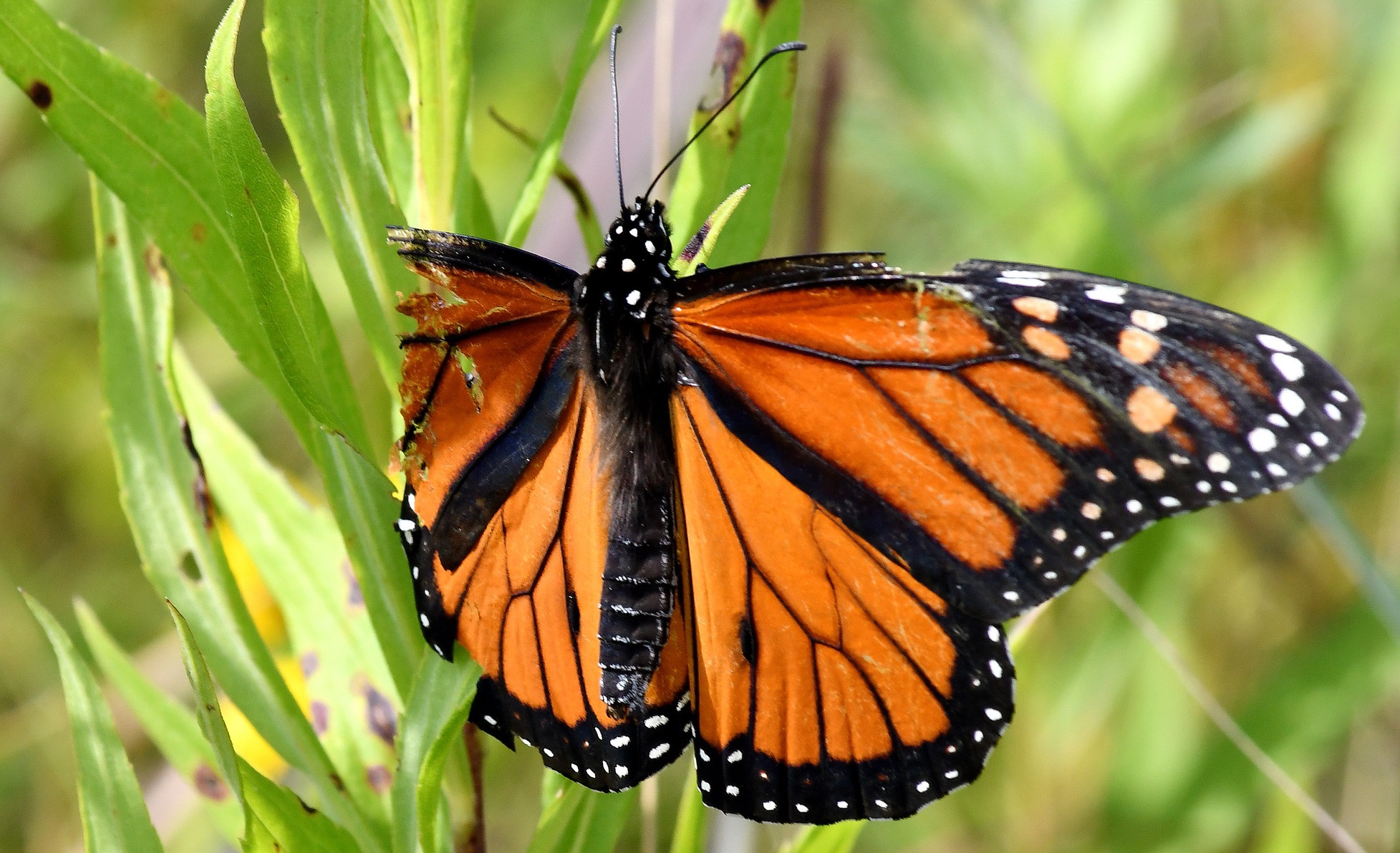
Butterfly wings cannot grow back after they have been damaged, torn, or broken because adult butterflies do not possess the biological ability to undergo cellular regeneration or molt once they emerge from their chrysalis. While a caterpillar can regenerate certain simple structures like prolegs during its larval stages, adult Lepidoptera are entirely fixed in their physical form, meaning any injury sustained during the butterfly stage is permanent for the remainder of the insect's life.
The Biological Reality of Adult Butterfly Metamorphosis
To understand why a damaged butterfly wing cannot regenerate, it is necessary to examine the biological stage of the insect. When a caterpillar completes its final larval instar, it enters the pupal stage, or chrysalis. Inside this protective casing, the larval tissues undergo histolysis—a process where enzymes break down most of the caterpillar's body into a nutrient-rich "soup" of cells—and histogenesis, where these cells are reorganized according to the genetic blueprint of an adult butterfly.
Once the adult butterfly ecloses (emerges) from the chrysalis, its development is complete. Unlike crustaceans or reptiles that continue to grow and shed their outer coverings or regenerate lost limbs through subsequent molts, adult insects do not molt. Their exoskeleton is fully hardened, and their cellular division machinery in the wings effectively shuts down. The wings are composed of a double membrane of living tissue during development, but by the time the butterfly takes its first flight, this tissue dries, and the wings become a complex matrix of chitinous veins, cross-veins, and microscopic scales nourished only by hemolymph (insect blood) during the initial expansion phase.
Because there are no active stem cells or regenerative pathways left in the adult wing tissue, any physical tear, puncture, or missing section is a permanent structural deficit. The insect cannot knit torn veins back together or regrow missing surface area.
Anatomy of a Butterfly Wing and Why It Cannot Heal
A butterfly wing is a marvel of biological engineering, combining extreme lightness with structural rigidity, but its specialized architecture leaves it vulnerable to permanent injury. Examining the components of the wing clarifies why healing is impossible:
- Chitinous Veins: These hollow tubes provide structural support and pump hemolymph through the wing when it first emerges. Once the wing dries and hardens, these veins are no longer dynamic circulatory vessels capable of repairing fractures.
- Wing Membrane: The thin, translucent membrane stretched between the veins is non-living cuticular material. It possesses no pain receptors, nerves, or blood supply once fully formed.
- Scales: The vibrant colors and patterns that protect the butterfly and aid in thermoregulation come from thousands of overlapping microscopic scales. These scales easily brush off when touched by predators, vegetation, or humans. While a missing scale will not structurally compromise the wing, it will never grow back.
When a predator bites a chunk out of a wing or a sharp twig tears a membrane, the wound does not bleed extensively because the mature wing lacks a heavy blood supply. However, the lack of bleeding also means there is no clotting mechanism to regenerate lost tissue. The edges of the tear may dry out, leaving a ragged border that persists for the rest of the butterfly's life.
Common Causes of Wing Damage in Nature
Butterflies encounter numerous environmental hazards throughout their adult lives. Recognizing these causes helps contextualize why certain injuries are survivable while others prove fatal:
- Predator Attacks: Birds, lizards, spiders, and praying mantises frequently target butterflies. A narrow escape often leaves distinctive triangular tears or missing wingtips where a predator grabbed the insect and lost its grip.
- Abrasive Vegetation: Navigating dense thickets, thorns, and stiff grasses can scrape away scales and fray the delicate edges of the wings, particularly as the butterfly ages.
- Weather Events: Heavy rainstorms, high winds, and hail can batter fragile butterflies, forcing them into hard surfaces or tearing their wings mid-flight.
- Human Handling: Improper capture or handling by well-meaning humans can rub off vital scales or tear the delicate membrane, which is why scientists and conservationists emphasize using soft nets and holding butterflies by the thorax or closed wings if handling is absolutely necessary.
Assessing the Impact of Wing Damage on Flight
Not all wing damage is immediately fatal. The aerodynamic capabilities of butterflies possess a surprising degree of redundancy, allowing many individuals to survive and reproduce despite significant physical impairments.
| Extent of Damage | Physical Appearance | Impact on Flight Ability | Survival Outlook |
|---|---|---|---|
| Minor Scale Loss | Patchy or faded coloration, bald spots on the membrane. | Negligible; flight speed and lift remain largely unaffected. | High; normal lifespan. |
| Frayed Edges | Jagged outer margins, slight reduction in total wing surface area. | Minor reduction in maneuverability; requires slightly more energy to fly. | Moderate to High; able to forage and evade slow predators. |
| Torn Membrane (Partial) | Splits running from the outer edge toward the body, large holes. | Moderate to severe; asymmetric lift makes erratic flight patterns common. | Moderate; vulnerable to fast predators and exhaustion. |
| Missing Wingtip or Half-Wing | Substantial portion of the forewing or hindwing sheared off. | Severe; significant loss of lift and stability. Flight may become impossible. | Low; unable to reach nectar sources or escape predators effectively. |
When a butterfly loses a substantial portion of its wing, the primary challenge is not pain—since the wing has no pain receptors—but rather aerodynamics. Butterflies rely on complex vortex generators and flexible wing motions to stay aloft. Asymmetry caused by a missing chunk forces the insect to expend significantly more metabolic energy to maintain stability, leaving it vulnerable to starvation or predation.
Can Humans Fix or Repair Damaged Butterfly Wings?
A persistent myth in backyard conservation suggests that humans can "repair" broken butterfly wings using superglue, nail polish, or donor wings from deceased insects. While skilled lepidopterists and specialized butterfly houses occasionally perform delicate wing grafts on rare specimens for educational or display purposes, this practice is fraught with challenges and ethical considerations for wild insects.
- Stress and Shock: Capturing a wild butterfly and holding it tightly enough to apply adhesives causes immense physical stress, often damaging its legs, antennae, or remaining wing scales further.
- Weight and Balance: Applying foreign substances like glue or tape adds unwanted weight to the wing. Even a fraction of a gram can disrupt the delicate balance required for flight, rendering the repair counterproductive.
- Lack of Integration: Glues and patches do not restore nervous or circulatory connections. They merely stabilize a loose flap, and if applied incorrectly, they can gum up the thorax or prevent the wing from flexing properly.
For these reasons, wildlife rehabilitators and entomologists generally advise leaving wild butterflies alone. If a butterfly has damaged wings but can still crawl and feed, it is best to place it on a nectar-rich flower in a safe, sheltered garden where it can live out its remaining days naturally.
Frequently Asked Questions
Do caterpillars grow back damaged parts?
Yes, caterpillars (the larval stage) have the ability to regenerate certain simple body parts, such as prolegs or antennae, during their molting process. However, this regenerative capacity is lost completely during the pupal transformation into an adult butterfly.
Does a butterfly feel pain when its wing is torn?
No, butterfly wings do not contain pain receptors (nociceptors) or nerve endings in the membrane and scale structures once fully developed. While a predator attack is stressful and dangerous, the physical tearing of the wing itself does not cause pain in the way mammals experience it.
Can a butterfly fly with only one wing?
Generally, no. Most butterflies require both forewings and hindwings working in tandem to generate lift and control direction. A butterfly missing an entire wing typically cannot achieve sustained flight and will crawl on the ground until it succumbs to exhaustion or a predator.
How long do butterflies live with damaged wings?
The lifespan of a damaged butterfly depends entirely on how much of its wing is missing and whether it can still access food sources. A butterfly with minor fraying may live for several weeks (its natural remaining lifespan), whereas one with severe structural damage may only survive a few hours.
What should I do if I find a butterfly with a broken wing?
If you find a grounded butterfly with damaged wings, you can offer it a shallow dish of sugar water or place it on a blooming flower out of direct sunlight and away from ground predators like ants and spiders. If it cannot fly and its wings are severely mangled, its quality of life will be very low, and nature will take its course.
Summary and Practical Next Steps
Butterfly wings cannot grow back once damaged because adult Lepidoptera lack cellular regeneration and do not molt. If you encounter a butterfly with tattered or missing wing sections, the best approach is to observe it without intervention. Ensure your garden provides safe, pesticide-free flowering plants and sheltered spots where fragile pollinators can rest and feed peacefully for the remainder of their natural life cycle.