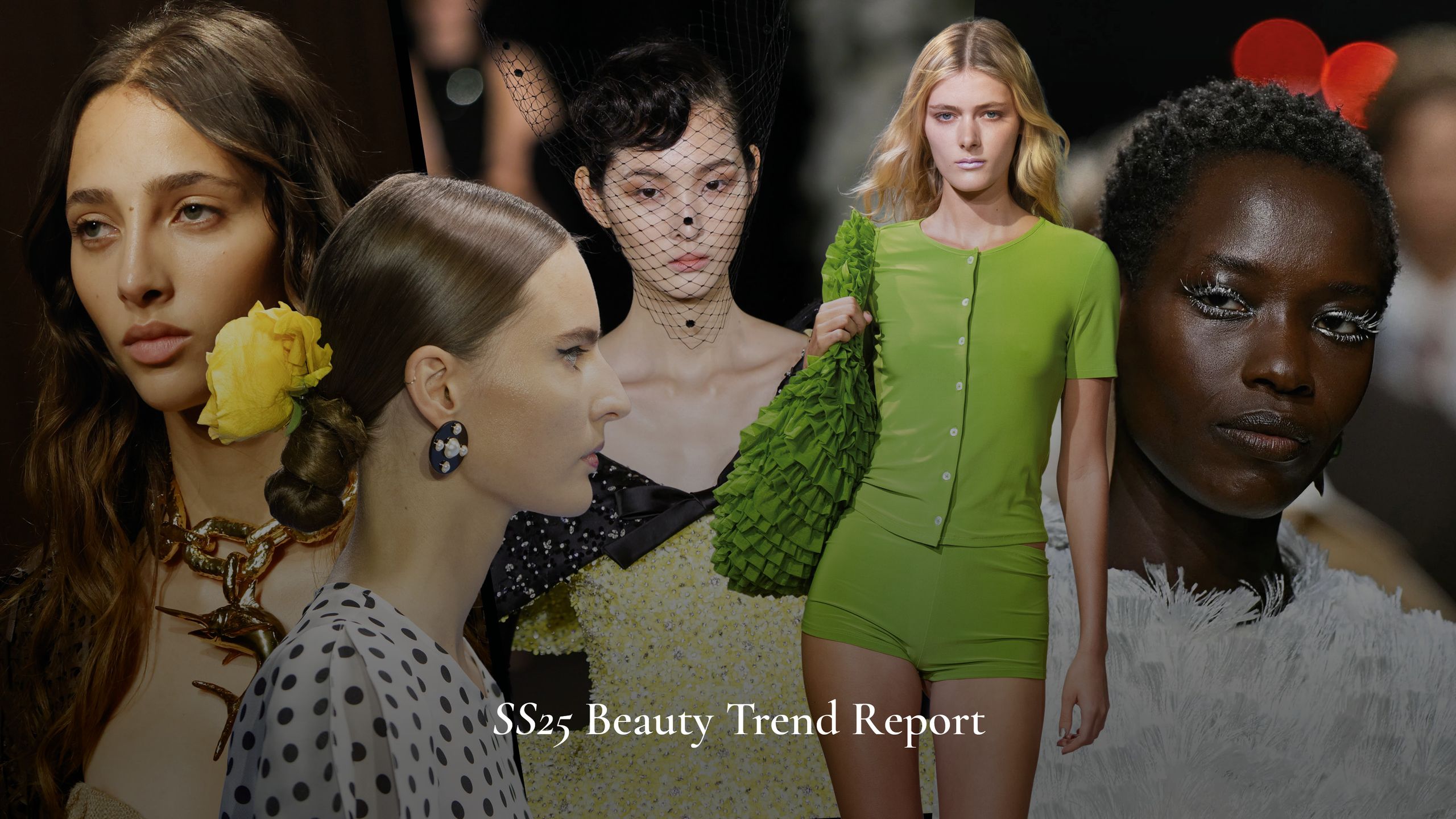
The beauty landscape in 2025 was defined by a strategic pivot toward "hyper-functionalism," where aesthetic choices were driven by long-term skin health, ingredient transparency, and the integration of biotechnology. This shift moved consumers away from rapid-cycle micro-trends toward high-performance, science-backed routines that prioritize skin barrier integrity and sustainable formulation practices.
The Shift Toward Hyper-Functional Beauty
In 2025, the consumer approach to beauty underwent a fundamental change. The previous years of rapid-fire trends—often categorized by high-consumption, short-lived "aesthetic" movements—gave way to a more analytical perspective. Beauty enthusiasts began treating their vanity shelves like a laboratory, prioritizing active ingredients with proven efficacy over viral marketing appeal.
This "hyper-functionalism" is rooted in the increased accessibility of dermatological research. Consumers in 2025 were no longer satisfied with vague "glow-inducing" marketing; they required evidence of specific chemical actions, such as peptide signaling for collagen production or the use of encapsulated retinoids to minimize irritation. The primary objective for this demographic was to optimize the skin barrier, understanding that a compromised barrier leads to chronic inflammation and premature aging.
Biotechnology and Lab-Grown Ingredients
A standout technical development in 2025 was the mainstream adoption of lab-grown or "bio-identical" ingredients. As concerns over agricultural land use and ingredient purity mounted, beauty brands looked to fermentation and synthetic biology to replicate rare or high-impact components.
This shift addressed three primary consumer requirements:
- Purity and Potency: By synthesizing molecules like squalane or specific ceramides in a controlled environment, manufacturers eliminated the variability found in naturally harvested counterparts.
- Sustainability: Bio-manufacturing significantly reduced the water footprint and land clearing traditionally associated with plant-based ingredient sourcing.
- Consistency: Because these ingredients were produced through cellular processes, the risk of batch-to-batch contamination or potency fluctuations was substantially reduced.
The Evolution of Skincare-Infused Cosmetics
By 2025, the boundary between skincare and color cosmetics had effectively vanished. The "no-makeup makeup" look reached a point of high technical complexity, where products functioned simultaneously as makeup and active treatment. Foundation was replaced by "skin-tints" that contained significant percentages of niacinamide or hyaluronic acid, while blushes were formulated with barrier-supporting lipids.
This convergence was driven by the desire for efficiency. For the working professional, a three-step routine that combined coverage with preventative care provided a solution to the "time-poverty" problem. The technical hurdle here was balancing pigment dispersion with the bioavailability of active ingredients—a challenge that led to the development of sophisticated oil-in-water emulsions that allowed both categories to coexist without compromising the stability of the formula.
Comparative Overview: Skincare-Cosmetic Integration
| Feature | Traditional Foundation | 2025 Skin-Tint Emulsion |
|---|---|---|
| Primary Goal | Uniform coverage | Barrier enhancement |
| Active Load | Minimal (filler-heavy) | High (clinically dosed) |
| Wear Time | 8–12 hours | 12+ hours with skin benefit |
| Absorption | Surface-level | Transdermal delivery systems |
| Finish | Matte or Dewy | "Skin-like" bio-mimetic |
Hair Health: The Scalp-First Approach
In 2025, the hair care industry mirrored the "skinification" trend by focusing almost entirely on the scalp as an extension of the facial skin. The industry moved past the simplistic "cleanse and condition" model to prioritize scalp microbiome health.
Technical solutions emerged to address common issues such as follicular inflammation and product buildup. Treatments including chemical exfoliants (like lactic or salicylic acid) specifically designed for the scalp became staples. The rationale was simple: a healthy follicle is the prerequisite for hair density and resilience. Professionals increasingly emphasized the necessity of analyzing the scalp pH before recommending specific treatment modalities, as a disrupted pH was identified as the primary contributor to both dryness and excess sebum production.
Sustainability as a Performance Metric
Sustainability in 2025 moved beyond marketing taglines. Regulatory scrutiny in various global markets forced brands to substantiate their claims regarding recyclable packaging and refillable systems. Consumers became more adept at identifying "greenwashing," often checking Environmental Working Group (EWG) databases or looking for third-party certifications like B Corp or ISO standards for environmental management.
Refillable beauty was the most significant logistical trend of the year. While initially viewed as a premium convenience, by 2025, it had become a core expectation for luxury and mid-market brands alike. The technical challenge shifted from merely creating a refillable vessel to ensuring that the internal primary packaging—the part holding the product—was compatible with existing recycling streams, preventing the "refill" from actually creating more plastic waste than a standard container.
Navigating the 2025 Beauty Market: Practical Guidance
For those looking to optimize their routine based on these trends, the following steps are recommended:
- Audit Your Ingredients: Before adding a new product, cross-reference the ingredient list against the active ingredients you are already using. Over-layering actives (e.g., combining high-strength AHAs with multiple retinoids) is a common mistake that leads to barrier damage.
- Consult Scientific Databases: When evaluating the efficacy of a product, look for clinical studies referenced by the brand. If a brand claims "anti-aging" or "pore-reducing" effects, they should ideally be able to point to specific ingredient research.
- Prioritize Patch Testing: As formulations become more potent, the risk of contact dermatitis increases. Always perform a patch test on the inner forearm for at least 24 hours before applying new active-heavy products to the face.
- Consider pH Balance: If you are experiencing unexplained skin sensitivity or hair breakage, consider that your current products may be disrupting your natural pH levels.
Frequently Asked Questions
Why did 2025 beauty trends focus so heavily on the skin barrier?
The focus on the skin barrier was a reaction to the over-exfoliation and "over-trending" of previous years. Experts and consumers realized that chronic use of harsh acids and mechanical scrubs caused long-term damage, necessitating a return to foundational skin health—hydration, lipid restoration, and protection of the acid mantle.
How do I know if a product is truly "biotech-based"?
Look for "bio-identical" or "fermentation-derived" on the labeling. Authentic biotech brands will often provide transparency reports on their sourcing and manufacturing, avoiding the environmental impact of animal or intensive agricultural extraction.
Is it safe to use makeup that contains active skincare ingredients?
Yes, provided the concentrations are balanced and you are not sensitive to the specific actives. However, ensure that the active ingredients (such as Vitamin C or Retinol) are stable within the product formulation; if they are not, their efficacy may be degraded by the pigments used in the makeup.
What should I look for in a "scalp-first" hair care product?
Seek products that balance the scalp microbiome. Ingredients like prebiotic sugars, soothing aloe vera, or mild chemical exfoliants (AHAs/BHAs) are generally superior to heavy waxes or silicones that can clog follicles and create a breeding ground for yeast or bacteria.
How does the 2026 climate affect these 2025-born trends?
While these trends originated in 2025, they remain current in 2026 because the underlying demand for safety, evidence-based results, and sustainability has become a permanent expectation among beauty consumers. Current purchasing behaviors continue to penalize brands that lack ingredient transparency.
Next Actions
To refine your personal routine, start by identifying the primary physiological need of your skin or hair rather than the desired aesthetic outcome. If your skin is inflamed, prioritize barrier-repairing ceramides over aggressive resurfacing treatments. If your hair lacks density, look for scalp-focused tonics rather than volumizing styling products. Research the ingredient deck of your current favorites, compare them against the principles of 2025’s science-first approach, and slowly replace products that function as "fillers" with those that provide clinical value.