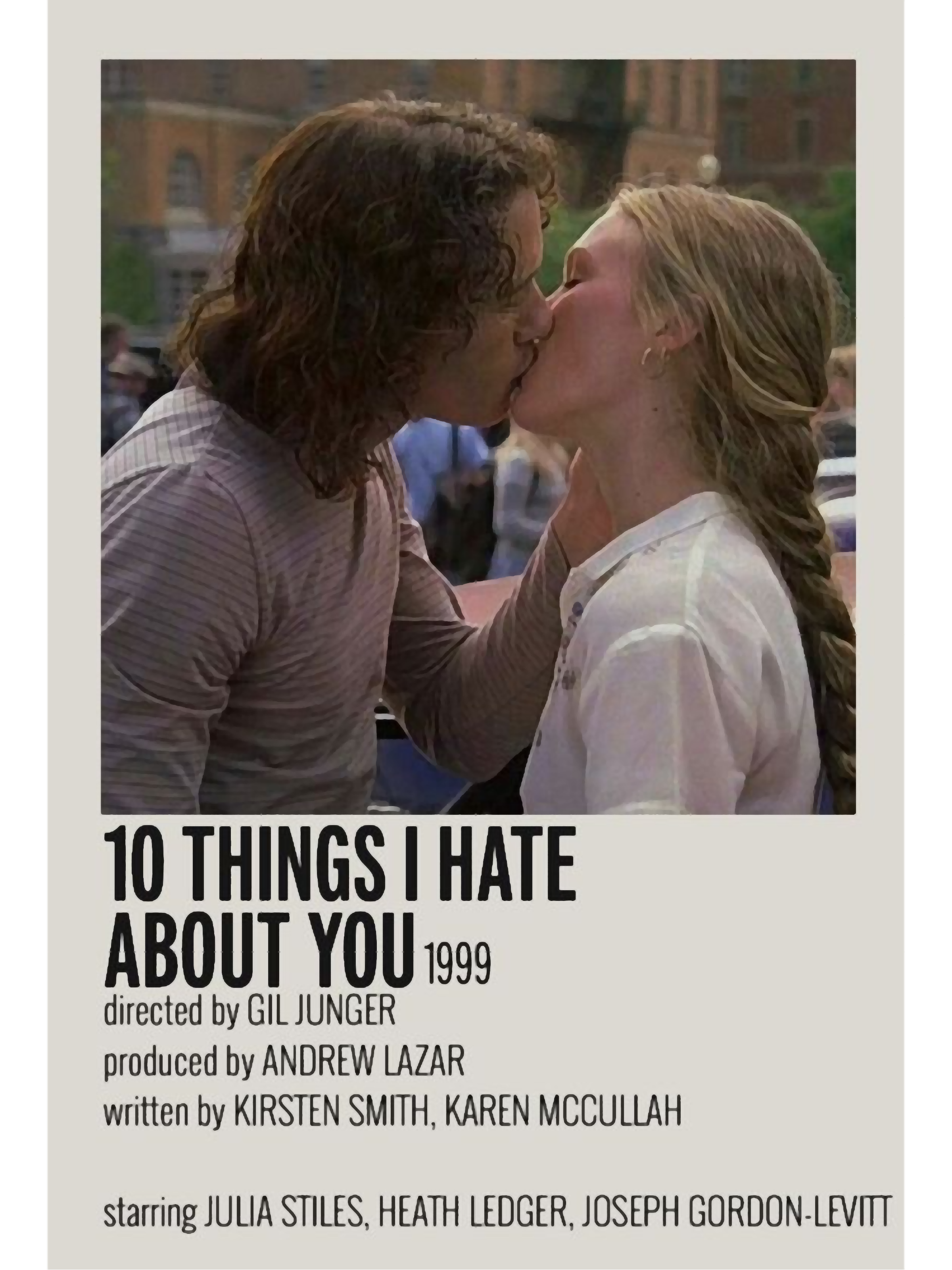
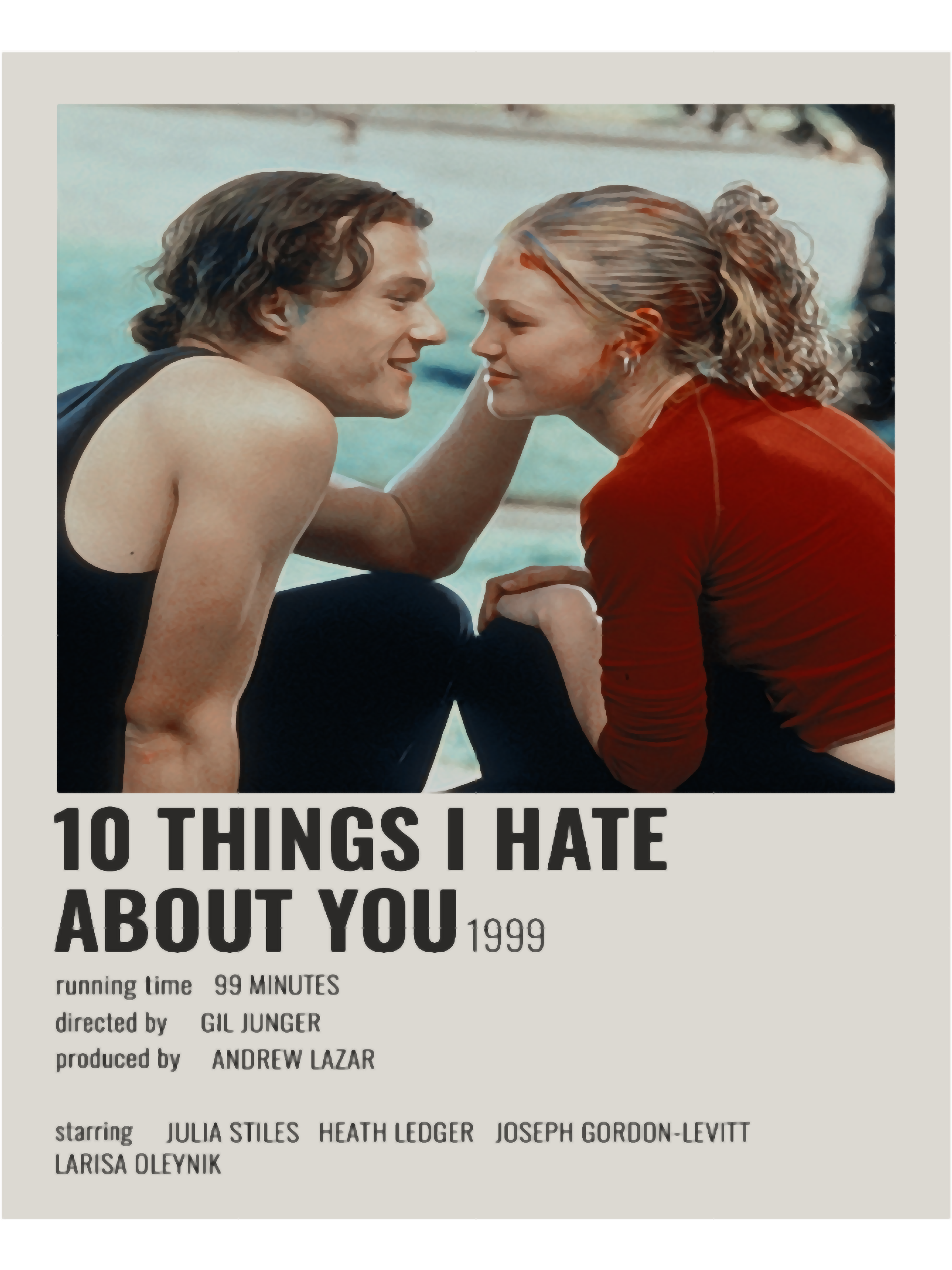
Released in 1999, 10 Things I Hate About You remains a landmark piece of late-20th-century cinema that expertly adapted William Shakespeare’s The Taming of the Shrew into a high-school setting. Whether you are analyzing its cultural impact, its unique place in the modernization of classic literature, or its enduring popularity in 2026, understanding the film requires looking past the surface-level tropes of the genre to see the intricate construction of its narrative, its casting choices, and its lasting influence on teen comedy.
The Literary Foundation: From Padua to Seattle
The primary intrigue of 10 Things I Hate About You lies in its creative adaptation of Shakespearean source material. While many teen films of the 1990s and early 2000s borrowed thematic elements from classic literature, this film stands as one of the most successful direct adaptations of a Shakespearean play into a contemporary American high-school environment.
The film relocates the setting from the Renaissance-era city of Padua, Italy, to the fictional Padua High School in Seattle, Washington. By maintaining the name "Padua," the screenwriters, Karen McCullah and Kirsten Smith, provided a subtle nod to the source material that established the film's tone—smart, self-aware, and slightly irreverent. The plot mirrors the structural arc of The Taming of the Shrew, specifically the relationship between the cynical Kat Stratford (the Katherina equivalent) and the mysterious Patrick Verona (the Petruchio equivalent).
For viewers approaching the film today, recognizing these parallels adds a layer of depth. The writers successfully translated the original play's concerns regarding marriage contracts and dowries into the high-school dynamics of dating rules and social hierarchy. By doing so, they created a narrative that honors its predecessor while remaining firmly grounded in the 1999 aesthetic.
Character Dynamics and Cultural Significance
At the heart of 10 Things I Hate About You is a deliberate subversion of the "popular girl" archetype that dominated the era. Kat Stratford, portrayed by Julia Stiles, is presented as an abrasive, literature-loving, Riot Grrrl-inspired outcast. This was a departure from typical teen tropes, which often relegated the "intellectual" character to the background or portrayed them as a makeover project waiting to happen.
Key Character Parallels
| Character Name | Shakespearean Counterpart | Key Trait |
|---|---|---|
| Kat Stratford | Katherina Minola | Independent, sharp-tongued, defiant |
| Patrick Verona | Petruchio | Charismatic, mysterious, profit-driven |
| Bianca Stratford | Bianca Minola | Traditional, popular, naive |
| Cameron James | Lucentio | Romantic, earnest, persistent |
| Walter Stratford | Baptista Minola | Protective, overbearing, traditional |
The chemistry between Heath Ledger and Julia Stiles is widely cited as the film’s anchor. Ledger’s portrayal of Patrick Verona was a breakout role that displayed the charisma and depth that would define his later career. His performance is characterized by an effortless, bad-boy charm that masks a genuine interest in Kat, effectively evolving the Shakespearean concept of a "taming" story into one of mutual respect and discovery.
The Production Context of 1999
The late 1990s represented a golden age for teen cinema, characterized by a specific blend of alternative rock soundtracks, suburban aesthetics, and a focus on the anxieties of the adolescent experience. 10 Things I Hate About You utilized this environment to its advantage.
The film’s soundtrack, featuring artists like Letters to Cleo, The Cardigans, and Save Ferris, serves as a time capsule for the era. By integrating the music directly into the scene work—most notably the final performance atop the school building—the film solidified its identity as a product of its time. Unlike many other films of the period that aged poorly due to overly specific technology or slang, the film’s reliance on universal human archetypes and classic literature ensures that the story remains accessible to audiences in 2026.
Analyzing the "Ten Things" Poem
The film’s climax hinges on a poem read by Kat in an English literature class, which gives the movie its title. This scene is often analyzed by literary critics and film students as a masterclass in character revelation.
The "I hate the way you talk to me, and the way you cut your hair" structure serves as a cathartic release for Kat. It allows her to drop the "shrew" persona she has carefully constructed to protect herself from societal expectations. Crucially, the list is not just a expression of frustration; it is a confession of vulnerability. By articulating the specific things she "hates," she is actually cataloging the ways Patrick has managed to penetrate her emotional defenses. This narrative device perfectly mimics the Shakespearean monologue but utilizes the colloquial language of the 1990s.
Impact on Subsequent Teen Rom-Coms
The success of 10 Things I Hate About You changed the trajectory of the teen comedy genre. It proved that adaptations of classic works could be commercially viable and critically respected. Following its release, Hollywood saw a surge in high-school adaptations of classic literature, such as O (an adaptation of Othello) and She's the Man (an adaptation of Twelfth Night).
The film’s influence extends to its casting legacy. By providing a platform for rising stars like Heath Ledger, Joseph Gordon-Levitt, and Julia Stiles, the project became a benchmark for talent scouts and casting directors. In 2026, the film is frequently revisited as an example of how "chemistry-first" casting can elevate a standard genre script into a long-lasting cult classic.
Practical Considerations for Modern Viewers
If you are watching 10 Things I Hate About You in 2026, there are a few aspects to keep in mind regarding the viewing experience.
- Availability: The film is currently available on various digital platforms, including major streaming services, and remains a staple of physical media libraries.
- Parental Guidance: Despite the PG-13 rating, the film remains relatively mild compared to modern teen dramas. It deals with themes of high-school dating, parental over-protectiveness, and peer pressure, making it a common choice for family-friendly retrospective nights.
- Cultural Sensitivity: As with many films from 1999, some of the jokes regarding social dynamics may feel dated. However, the film is largely praised for its focus on female agency, specifically regarding Kat’s autonomy and decision to challenge the patriarchal standards of her school.
Common Questions About the Film
How did the film change the source material?
The film modernized the setting and the stakes. While the play focused on forced marriage and dowries, the film focuses on high-school dating hierarchies and the social pressure to conform. The core dynamic of the "shrewish" woman being "tamed" is subverted; in the film, Kat is never truly tamed, but rather finds a partner who respects her intelligence.
Is the poem from the movie an actual Shakespearean sonnet?
No, the poem was written specifically for the film. It is an original piece of writing that functions as a contemporary nod to the sonnet form, mirroring the emotional intensity that Shakespeare’s characters often expressed through poetry, but using the vocabulary of a teenager in the late 1990s.
Why is the movie considered a cult classic in 2026?
It holds up due to its sharp dialogue, the strength of the ensemble cast, and its ability to balance comedy with genuine emotional stakes. Unlike many high-school movies that rely on gimmicks, the character-driven narrative allows it to maintain relevance for new generations of viewers.
Are there any sequels or remakes?
There was a short-lived television series adaptation that aired in 2009, but it did not feature the original cast and failed to capture the same critical success as the 1999 film. The 1999 production stands alone as a singular, cohesive narrative.
What is the significance of the "Letters to Cleo" performance?
The rooftop performance is a quintessential example of the 1999 "teen movie" finale trope. It served to integrate the film’s soundtrack into the plot, reinforcing the setting of Seattle’s music scene and providing a grand, public romantic gesture that defined the romantic comedy genre at the turn of the millennium.
Next Steps for Fans and Critics
For those looking to gain a deeper appreciation of the film, consider comparing it directly to the 1967 Franco Zeffirelli film The Taming of the Shrew, which starred Elizabeth Taylor and Richard Burton. Seeing how two different directors and time periods approached the same Shakespearean text provides invaluable insight into the evolution of cinematic storytelling.
If you are writing about or researching the film, focus on the subversion of the "damsel in distress" narrative. By analyzing the way Kat Stratford controls her own image—and ultimately her own romantic life—you can see why this film continues to serve as a model for strong character development in teen cinema. Whether you are a long-time fan or a first-time viewer, the legacy of the film lies in its ability to take a centuries-old story and make it feel as vital as a first love.