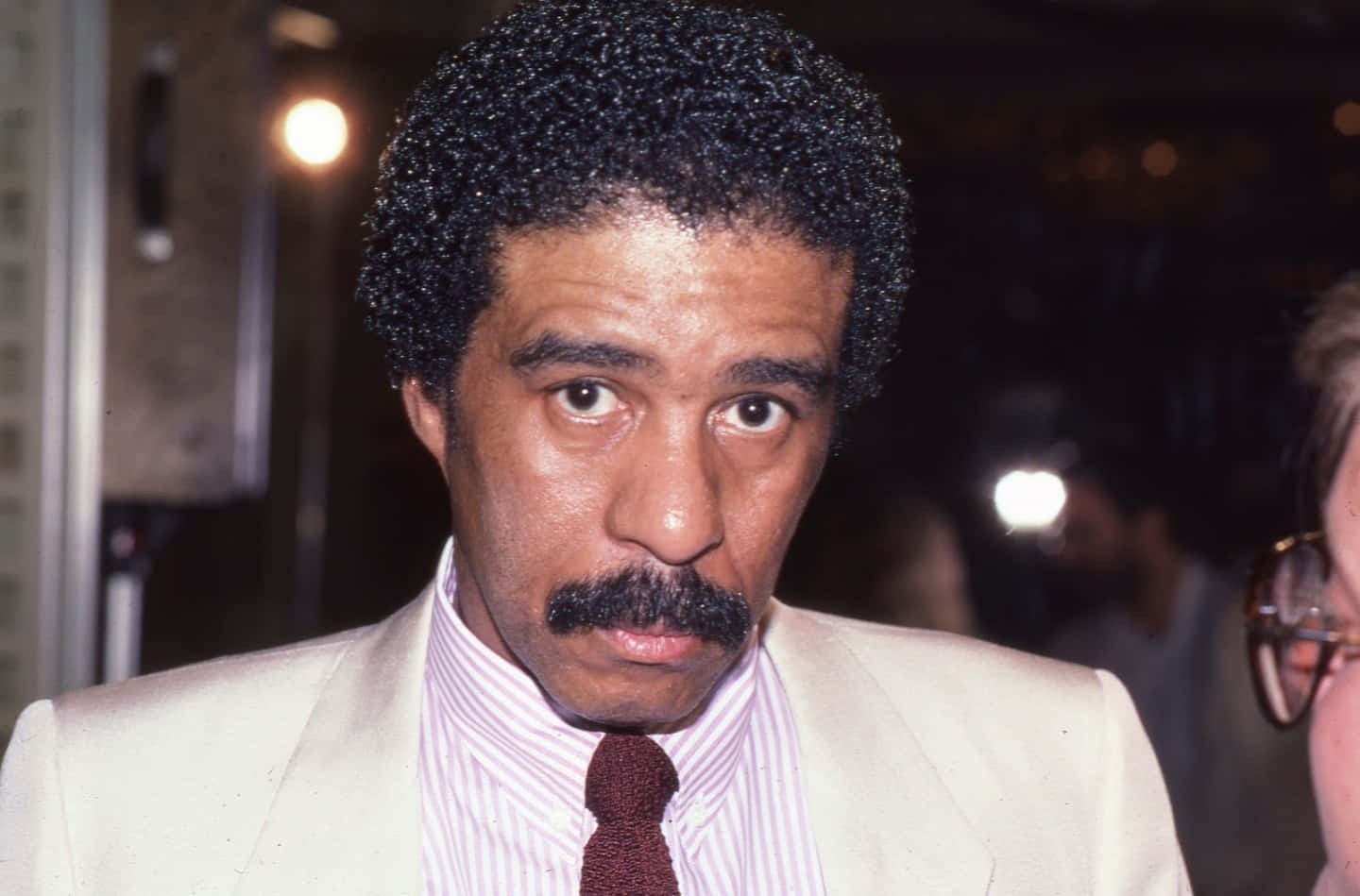
Richard Pryor remains the most influential figure in the history of American stand-up comedy, a man whose ability to transform personal tragedy, racial tension, and raw vulnerability into high art redefined the medium. His passing on December 10, 2005, prompted a profound retrospective on a career that spanned four decades, encompassing groundbreaking concert films, a massive influence on the trajectory of modern comedy, and a complex financial legacy shaped by both unprecedented success and the personal challenges that defined his public image.
The Evolution of a Comedy Icon: Career Overview
Richard Pryor’s career was not a singular arc but a series of reinventions that paralleled the changing cultural landscape of the United States. Emerging in the early 1960s, he initially performed as a polished, observational comic in the vein of Bill Cosby. However, a creative epiphany in the late 1960s led him to strip away the artifice, moving toward a style that was unflinchingly honest, profanity-laced, and deeply rooted in the African American experience.
From Television to the Concert Stage
Pryor’s transition from television variety shows—where he was often stifled by network standards—to the concert stage marked the true beginning of his legacy. His concert films, most notably Richard Pryor: Live in Concert (1979), are widely considered the gold standard of the stand-up genre. These films captured a performer who could switch effortlessly between disparate characters, social commentary, and searing autobiographical accounts. By documenting his struggles with addiction and the systemic racism he encountered in Peoria, Illinois, he gave a voice to the voiceless while maintaining a level of comedic timing that remains unmatched.
A Force in Hollywood
While stand-up was his soul, film was his vehicle for mass-market financial success. His partnerships with Gene Wilder in films like Silver Streak (1976) and Stir Crazy (1980) demonstrated an uncanny ability to balance broad, slapstick appeal with his sharp, subversive edge. At the height of his Hollywood career, Pryor was one of the highest-paid entertainers in the world, proving that a Black performer could headline massive blockbuster comedies and deliver consistent box-office returns.
Financial Impact: The Cost of Success and Turbulence
Analyzing Richard Pryor’s financial legacy requires a nuanced look at the dichotomy between his earning power and the costs associated with his lifestyle and health. In the early 1980s, Pryor signed a landmark five-year deal with Columbia Pictures—then one of the most lucrative contracts in Hollywood history for a performer—which reportedly paid him $40 million.
Wealth Management and Professional Challenges
Despite these massive inflows of capital, Pryor’s financial life was often subject to the instability of his personal life. His battle with freebasing cocaine, which culminated in a near-fatal incident in 1980, halted his production schedule and led to significant legal and medical expenses. However, he maintained a relentless work ethic, returning to the screen and the stage repeatedly throughout the 1980s and 1990s.
It is important to recognize that for entertainers of Pryor’s era, the financial infrastructure for intellectual property rights was vastly different from today’s digital age. While his films continue to generate residual value, a significant portion of his wealth was tied to upfront salary and performance fees rather than long-term equity in the productions themselves.
Cultural and Artistic Legacy
The impact of Richard Pryor on the arts is arguably more significant than his monetary assets. He did not merely entertain; he changed the way society perceived the boundaries of comedy.
- The Validation of Vulnerability: Pryor was among the first performers to treat his own trauma as primary source material. This opened the door for generations of comedians, including Eddie Murphy, Chris Rock, Dave Chappelle, and Wanda Sykes, to explore painful truths on stage.
- Deconstructing Racial Tropes: Through characters like "Mudbone," Pryor utilized street-level archetypes to highlight the absurdities of systemic inequality. He brought the realities of Black American life into the living rooms of white suburban households, forcing a confrontation with uncomfortable truths.
- The Modern Stand-Up Standard: Every modern stand-up special owes a structural debt to Pryor. He pioneered the "concert film" format, moving comedy out of smoky, intimate clubs and into stadiums and cinemas, thereby standardizing the high-production-value comedic event.
Comparative Overview: Pryor’s Career Milestones
| Milestone | Context | Cultural/Financial Significance |
|---|---|---|
| Live in Concert (1979) | Filmed in Long Beach | Redefined stand-up as a cinematic art form. |
| Columbia Pictures Deal | Early 1980s | Established a new benchmark for Black actor salaries. |
| Stir Crazy (1980) | Directed by Sidney Poitier | Demonstrated massive, mainstream global appeal. |
| Lifetime Achievement | 1998 (First Mark Twain Prize) | Recognized as an essential American literary figure. |
Addressing the "Obituary" Perspective
When obituary reports surfaced in late 2005, they did not merely mark the end of a life; they triggered a widespread re-evaluation of his contribution to American culture. Obituaries written at that time noted that while Pryor’s final years were defined by his struggle with Multiple Sclerosis—which eventually led to his death from a heart attack at 65—his physical decline did nothing to diminish the stature of his body of work.
The legacy he left behind remains a testament to the "Pryor Method": the belief that the audience will follow a performer into the darkest corners of their own psyche, provided the truth is served with enough wit and humanity. His family and estate have worked to preserve this archive, ensuring that his filmography and recorded sets remain accessible for study by future generations of artists and social historians.
Frequently Asked Questions
How did Richard Pryor’s personal struggles influence his financial earnings?
Pryor’s struggles with addiction and health issues, particularly in the early 1980s, caused significant interruptions in his career. However, his immense talent allowed him to negotiate high-paying contracts upon his returns to the spotlight, balancing his commercial volatility with an undeniable demand for his work.
What is the current status of the Richard Pryor film catalog?
Most of his major films and concert specials are currently owned by major studios like Sony/Columbia. These works are licensed for streaming and broadcast, continuing to generate revenue for the studios and his estate, though the original payout structure was primarily based on upfront fees rather than ownership stakes.
How did Pryor change the perception of African American comedians?
Before Pryor, many Black performers were constrained by "crossover" requirements that required them to sanitize their content for mainstream white audiences. Pryor broke this mold by refusing to alter his dialect, his subject matter, or his perspective, eventually forcing white audiences to meet him on his own terms.
Was Pryor truly the highest-paid entertainer in his prime?
At the peak of his career in the early 1980s, Pryor was consistently listed among the highest-paid actors in Hollywood. His 1983 multi-film contract was a historic outlier, marking one of the first times an African American entertainer commanded such a significant financial guarantee from a major studio.
What should fans look for when studying his legacy in 2026?
Observers should look at the "raw" performance style, focusing on how he used pauses and physical comedy to build tension. His influence is currently studied in theater departments as a form of autobiography, emphasizing that comedy can serve as a primary vehicle for historical documentation.
Recommendation for Further Exploration
For those seeking to understand the full scope of Richard Pryor’s financial and artistic impact, the most practical next step is to examine his 1995 autobiography, Pryor Convictions, alongside his 1979 concert film. Understanding the gap between the man who lived the trauma and the performer who mastered the retelling of it provides the clearest view of his genius. Researchers and fans alike should prioritize viewing his work in its chronological context, as his style evolved from a traditional persona to a raw, singular voice that ultimately changed the American cultural landscape forever.