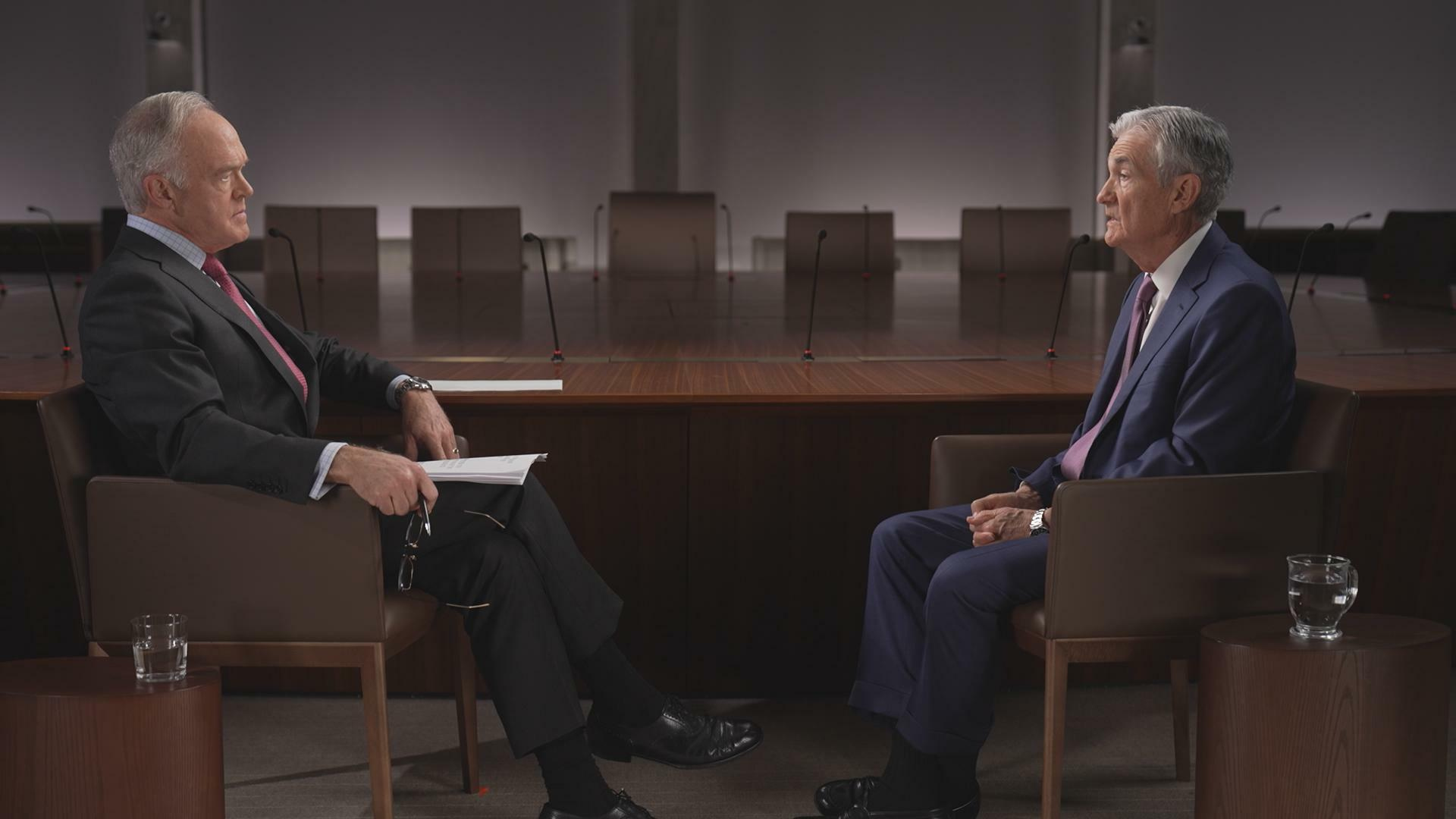
A 60 Minutes interview is a deeply researched, high-stakes journalistic encounter produced by the long-running CBS newsmagazine program 60 Minutes, known for its rigorous investigative reporting, authoritative correspondents, and signature ticking-clock motif. Landing or conducting a segment on the broadcast requires navigating strict editorial standards, intensive preliminary vetting, and a rigorous production process that sets it apart from standard daily news broadcasts or casual podcast formats.
The Origins and Editorial Identity of the Broadcast
To understand the mechanics of a 60 Minutes interview, one must first examine the institutional framework of the program itself. Launched in 1968 by Don Hewitt, the broadcast revolutionized investigative journalism by blending hard-hitting reporting with a narrative-driven magazine style. Unlike a standard nightly news desk report, which focuses on breaking headlines of the day, a 60 Minutes segment is an immersive, long-form feature that often takes weeks, months, or even years to investigate.
The program's format relies heavily on the distinct voices of its veteran correspondents—such as Steve Kroft, Lesley Stahl, Anderson Cooper, Bill Whitaker, Sharyn Alfonsi, and Jon Wertheim. When a subject agrees to sit down for a 60 Minutes interview, they are stepping into an arena where the interviewer has typically spent significant time reviewing public records, court documents, internal corporate memos, and conducting background interviews with adversaries, allies, and whistleblowers. This asymmetry of preparation requires subjects to approach the interview with a high degree of media training, legal counsel, and strategic awareness.
The Anatomy of the Interview Process
The path from an initial pitch to a final broadcasted interview involves multiple distinct phases. Producers, associate producers, and researchers vet stories carefully before a correspondent ever enters the room with a camera crew.
1. Pre-Interview Vetting and Research
Before any recording equipment is unpacked, the production team conducts extensive pre-interviews (often off-the-record or on background). These preliminary sessions help producers gauge the subject's demeanor, identify potential factual discrepancies, and determine whether the story has enough visual and narrative momentum to sustain a 12-to-15-minute broadcast segment.
2. Setting the Stage and Logistics
The physical environment of a 60 Minutes interview is intentionally controlled. Shoots usually take place in a neutral, quiet location—such as a rented office space, a hotel conference room, or the subject's own headquarters—designed to minimize distractions. The camera setup typically features two high-definition cameras capturing the correspondent and the subject from slightly off-axis angles, creating a cinematic, documentary-style look.
3. The Encounter
Unlike live television, where time constraints force rapid-fire exchanges, a 60 Minutes interview is often long and exhaustive, frequently lasting two to four hours. Correspondents ask direct, unyielding questions, but they also utilize strategic silence. By allowing a pause after a difficult question, the interviewer often prompts the subject to fill the void, sometimes leading to unscripted, revealing admissions.
Key Differences Between 60 Minutes and Standard Media Formats
Navigating a major investigative platform requires recognizing how it diverges from other media outlets. The following comparison highlights the structural differences between a 60 Minutes interview, a standard cable news hit, and a long-form podcast.
| Feature | 60 Minutes Interview | Cable News Appearance | Long-Form Podcast |
|---|---|---|---|
| Duration of Recording | 2 to 4 hours (edited down to ~12–15 minutes) | 3 to 7 minutes (often live) | 60 to 180 minutes (frequently unedited) |
| Research Depth | Weeks to months of independent investigative verification | Hours of daily news aggregation and talking points | Variable; often dependent on host prep or guest promotion |
| Editorial Control | Complete editorial control retained by CBS News | Minimal control; dictated by live broadcast windows | High control for independent creators; network-dependent otherwise |
| Visual Style | Cinematic three-point lighting, multi-camera setup | Standard single-camera studio desk or remote video link | Casual studio or virtual video recording |
| Primary Focus | Deep accountability, investigative exposure, or major profile | Immediate reaction to breaking news or promotional tours | Conversational exploration, personal branding, or deep-dive discussion |
Preparing for High-Stakes Investigative Journalism
For public figures, corporate executives, politicians, or whistleblowers facing a 60 Minutes interview, preparation is a specialized discipline. Legal counsel is almost always involved to ensure that statements do not inadvertently violate non-disclosure agreements, compromise ongoing litigation, or expose the organization to regulatory liability.
- Mastering the Facts: Subjects cannot rely on general talking points. Correspondents frequently interrupt evasive answers with specific documentation, past quotes, or contradictory evidence.
- Managing Non-Verbal Cues: Because the final edit condenses hours of footage into a tight narrative, nervous ticks, defensive posture, or evasive body language can be highlighted in post-production to shape viewer perception.
- The "Gotcha" Reality Check: Media trainers often caution subjects that the program is not a public relations vehicle. The primary objective of the investigative team is to uncover truth or accountability, which means tough, uncomfortable questions are a standard operational feature.
Frequently Asked Questions About 60 Minutes Interviews
How long does a typical 60 Minutes interview take to film?
An interview session typically lasts between two and four hours. The production team records extensive footage to ensure they capture nuanced responses, follow-up clarifications, and adequate cutaways before editing the conversation down into a concise segment for broadcast.
Can interview subjects review the final segment before it airs?
No. Standard journalistic ethics and CBS News policy prohibit subjects from reviewing, approving, or editing a story prior to its broadcast. While subjects may request copies of transcripts or exact quotes for accuracy under specific newsroom guidelines, final editorial control rests entirely with the executive producer and the network.
What happens if a key figure declines to be interviewed?
When a primary subject or organization declines to participate, the broadcast typically proceeds with the reporting anyway. The segment will often feature a graphic or an on-screen statement noting that "XYZ Corporation declined our repeated requests for an interview," which can draw heightened scrutiny to the subject's stance.
How are segments edited for television?
Once the field reporting and interviews are completed, the producer and film editor assemble a rough cut. This cut undergoes rigorous legal and factual review by standards attorneys and senior editors to ensure absolute accuracy before the final audio mixing, scoring, and narration by the correspondent are applied.
Are these interviews always conducted in person?
While remote interviews via satellite or secure video link have been utilized during exceptional circumstances (such as global travel restrictions or immediate breaking developments), the vast majority of flagship segments are conducted face-to-face to maintain the intimacy and visual standard of the broadcast.
Strategic Next Steps for Researchers and Media Analysts
If you are analyzing 60 Minutes interviews for academic research, media training, or documentary studies, your next steps should involve examining the program's archived transcripts available through CBS News or historical databases. Pay close attention to how correspondents frame difficult questions, how subjects manage pivots under pressure, and how the narrative arc is constructed through the juxtaposition of archival footage, voiceover narration, and interview soundbites.