The 2018 March Madness tournament remains a watershed moment in college basketball history, defined primarily by UMBC becoming the first 16-seed to ever defeat a 1-seed. Alongside this historic feat, the tournament featured a legendary Final Four run by 11-seed Loyola Chicago and several high-profile exits of top-tier programs like Arizona, North Carolina, and Xavier.
In the landscape of collegiate athletics, few events capture the collective imagination quite like the NCAA Division I Men's Basketball Tournament. While every year promises "madness," the 2018 edition fundamentally altered our understanding of the tournament’s possibilities. Even as we look back from the perspective of 2026, the 2018 tournament stands as the definitive case study in why the "seed" next to a team’s name is often a poor predictor of heart, strategy, and execution on a neutral court.
The Night the Impossible Happened: UMBC vs. Virginia
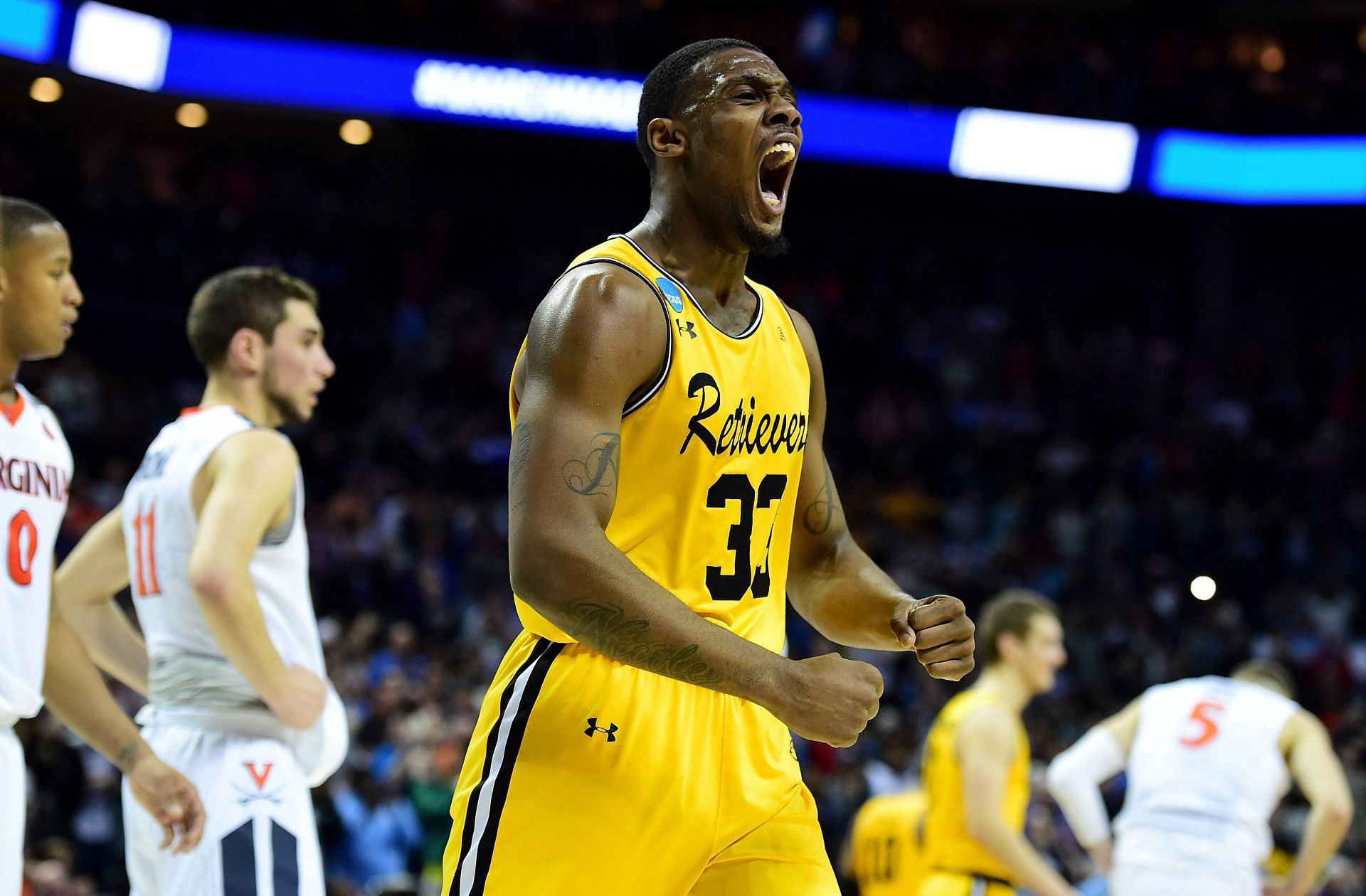
On March 16, 2018, at the Spectrum Center in Charlotte, North Carolina, the sports world witnessed an event that many analysts believed would never occur in our lifetime. The University of Maryland, Baltimore County (UMBC) Retrievers, champions of the America East Conference, faced off against the University of Virginia (UVA) Cavaliers, the tournament's overall number-one seed.
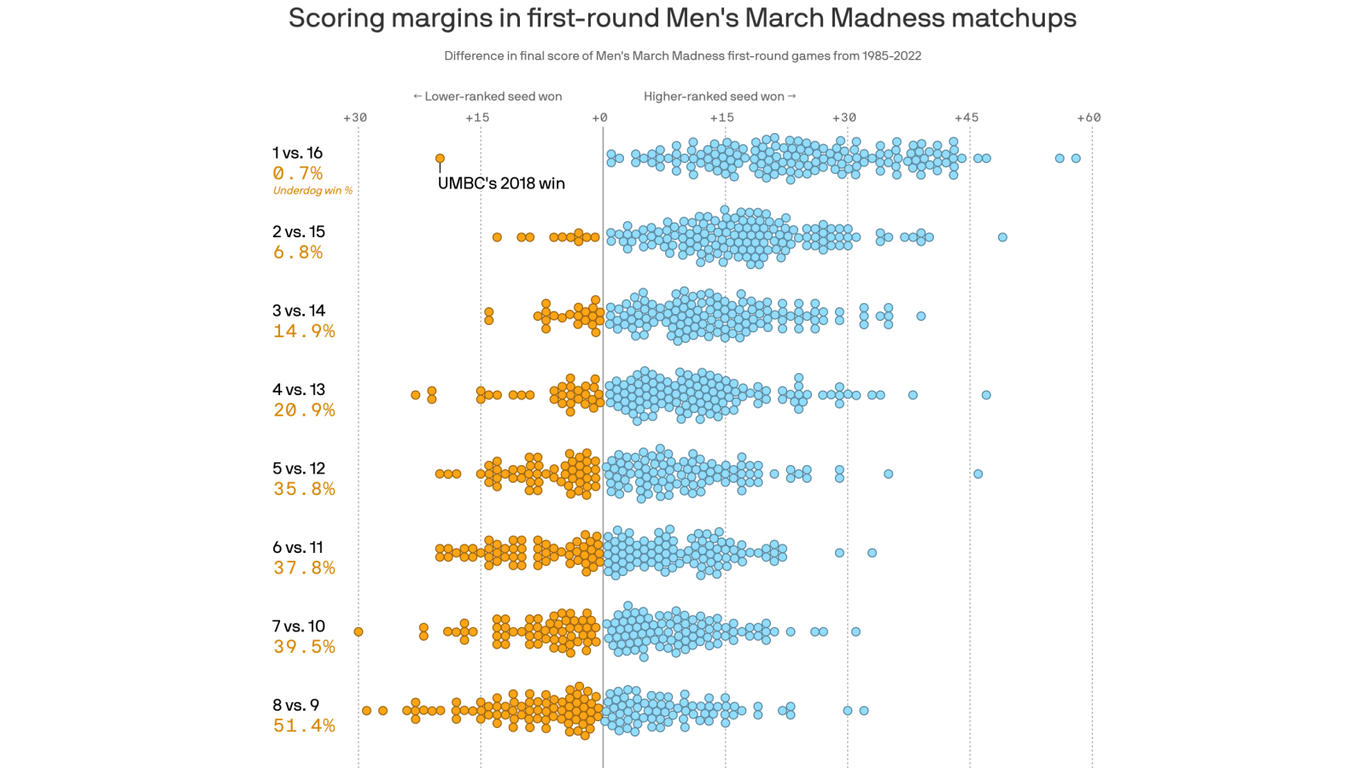
Prior to this game, 1-seeds were 135-0 against 16-seeds since the tournament expanded in 1985. The statistical probability of a 16-seed winning was considered negligible. Virginia entered the game with the nation’s top-ranked defense and a disciplined, "Pack-Line" system that thrived on suffocating opponents and controlling the tempo.
How the Retrievers Broke the Pack-Line
The first half ended in a 21-21 tie, a scoreline that suggested Virginia's slow-burn strategy was working, even if their shots weren't falling. However, the second half saw an unprecedented offensive explosion from UMBC. Led by guard Jairus Lyles, who finished with 28 points, the Retrievers didn't just win; they dominated.
UMBC utilized a high-ball screen offense that forced Virginia’s defenders into uncomfortable rotations. By spreading the floor and hitting transition threes, they disrupted the rhythm of a UVA team that was unaccustomed to playing from behind. The final score, 74-54, represented a 20-point margin that silenced any notion that the upset was a fluke.
The Fallout of the 16-over-1 Upset
The impact on brackets worldwide was catastrophic. Virginia was the most picked team to win the national championship in 2018. More importantly, this game removed the psychological barrier for low-seeded teams. It proved that a disciplined mid-major program with elite guard play could dismantle the most efficient defense in the Power Five. Tony Bennett and the Cavaliers eventually found redemption by winning the title in 2019, but the 2018 loss remains the most significant statistical anomaly in tournament history.
The Cinderella Run: Loyola Chicago’s Path to the Final Four
While UMBC provided the single biggest shock, the 11-seed Loyola Chicago Ramblers provided the tournament's most enduring narrative. Competing out of the Missouri Valley Conference, the Ramblers became only the fourth 11-seed in history to reach the Final Four, joining LSU (1986), George Mason (2006), and VCU (2011).
Strategic Discipline and Clutch Shooting
Under coach Porter Moser, Loyola Chicago played a brand of basketball characterized by high basketball IQ, unselfish passing, and remarkable composure in "clutch" situations. Their path to the Final Four was a gauntlet of narrow escapes:
- Round of 64: Donte Ingram hit a deep three-pointer at the buzzer to beat 6-seed Miami (64-62).
- Round of 32: Clayton Custer hit a go-ahead jumper with 3.6 seconds left to defeat 3-seed Tennessee (63-62).
- Sweet 16: Marques Townes iced the game with a late three-pointer to beat 7-seed Nevada (69-68).
- Elite Eight: The Ramblers finally found breathing room, dismantling 9-seed Kansas State (78-62).
The Cultural Impact of Sister Jean
No retrospective of the 2018 upsets is complete without mentioning Sister Jean Dolores Schmidt, the team’s then-98-year-old chaplain. Her presence on the sidelines and her scouting reports for the players became a national sensation. Beyond the media frenzy, however, was a team that ranked in the top 10 nationally for defensive efficiency and field goal percentage, proving that their run was built on technical sound basketball rather than mere luck.
First Round Chaos: The 13-Seed Strike
The 2018 tournament was particularly brutal for 4-seeds. Two prominent programs fell in the opening round to 13-seeds, highlighting the narrowing gap between mid-tier Power Five schools and high-end mid-majors.
Buffalo Dismantles Arizona
The Buffalo Bulls’ 89-68 victory over the 4-seed Arizona Wildcats was perhaps the most surprising outcome of the first round after the UMBC game. Arizona featured Deandre Ayton, the eventual #1 overall pick in the NBA Draft, but Buffalo’s aggressive perimeter defense and transition speed neutralized the Wildcats’ size advantage. Buffalo forced Arizona into 15 turnovers and shot 54.8% from the field, signaling the rise of the MAC (Mid-American Conference) as a formidable basketball league.
Marshall Out-Duels Wichita State
In the East Region, the 13-seed Marshall Thundering Herd took down 4-seed Wichita State (81-75). Dan D’Antoni’s "up-tempo" system allowed Marshall to play at a pace that the Shockers couldn't sustain. Jon Elmore, one of the most prolific scorers in C-USA history, dropped 27 points, showcasing how an elite scoring guard can take over a single-elimination game against a superior-seeded opponent.
Major Programs Falling: North Carolina and Xavier
The upsets didn't stop in the first round. The first weekend of 2018 saw the elimination of several "blue bloods" and top seeds that were favored to reach San Antonio for the Final Four.
Texas A&M Stuns North Carolina
The defending champion North Carolina Tar Heels (2-seed) were systematically dismantled by 7-seed Texas A&M in the Round of 32. The Aggies used their massive frontcourt to dominate the boards, finishing with a 86-65 victory. It was a rare instance where Roy Williams’ squad was beaten at its own game—rebounding and second-chance points.
Florida State Over Xavier
The 1-seed Xavier Musketeers fell to 9-seed Florida State in a 75-70 thriller. Florida State’s "deep bench" philosophy, where Leonard Hamilton regularly played 10 or 11 players, wore down Xavier’s starters. This loss ensured that for the first time in tournament history, two 1-seeds (Virginia and Xavier) failed to make the Sweet 16.
Summary of Major 2018 Tournament Upsets
The following table highlights the most significant upsets of the 2018 tournament based on seed differential and historical impact.
| Winning Team (Seed) | Losing Team (Seed) | Round | Margin of Victory | Significance |
|---|---|---|---|---|
| UMBC (16) | Virginia (1) | Round of 64 | 20 Points | First 16-over-1 in history |
| Buffalo (13) | Arizona (4) | Round of 64 | 21 Points | Largest 13-over-4 margin |
| Marshall (13) | Wichita State (4) | Round of 64 | 6 Points | Marshall's first-ever tourney win |
| Loyola Chicago (11) | Tennessee (3) | Round of 32 | 1 Point | Propelled the run to Final Four |
| Florida State (9) | Xavier (1) | Round of 32 | 5 Points | Second 1-seed to fall in first weekend |
| Texas A&M (7) | North Carolina (2) | Round of 32 | 21 Points | Defending champions eliminated |
| Syracuse (11) | Michigan State (3) | Round of 32 | 2 Points | Boeheim’s zone stifles title favorite |
The "Syracuse Effect" and the 11-Seed Success
Syracuse’s entry into the 2018 tournament was controversial. They were one of the last teams in, playing in the First Four against Arizona State. However, Jim Boeheim’s 2-3 zone defense proved once again to be a nightmare for opponents with limited preparation time.
Their 55-53 victory over 3-seed Michigan State in the Round of 32 was a masterclass in defensive frustration. Michigan State, a team many picked to win the entire tournament, shot just 25.8% from the field. This game highlighted a recurring theme of the 2018 upsets: Defensive specialization and unconventional schemes often trump raw athletic talent in a tournament setting.
Why 2018 Was the "Year of the Upset"
Several factors converged to make 2018 a uniquely volatile year for college basketball:
- The Three-Point Revolution: Mid-major teams like UMBC and Marshall fully embraced a high-volume three-point strategy. This "math advantage" allowed them to overcome the size and depth of Power Five schools.
- Roster Experience: Many of the upset-prone top seeds relied on "one-and-done" freshmen. In contrast, teams like Loyola Chicago and UMBC featured 4-year and 5-year seniors who possessed the mental toughness to handle late-game pressure.
- Transfer Portal Beginnings: Although not as prevalent as in 2026, the early stages of the transfer portal allowed mid-majors to acquire high-major talent looking for more playing time, leveling the talent floor across the bracket.
- The "Virginia Blueprint" Vulnerability: Virginia's historic loss showed that extreme styles of play (like the ultra-slow Pack-Line) have a higher variance. When the shots aren't falling, a slow-paced team has a harder time mounting a comeback than a team comfortable in transition.
Frequently Asked Questions
Which 16-seed beat a 1-seed in 2018?
The UMBC (University of Maryland, Baltimore County) Retrievers defeated the Virginia Cavaliers 74-54. It was the first time in the history of the NCAA Men's Division I Basketball Tournament that a 16-seed defeated a 1-seed, ending a 135-game losing streak for 16-seeds.
How far did Loyola Chicago go in the 2018 tournament?
Loyola Chicago reached the Final Four. They defeated Miami (FL), Tennessee, Nevada, and Kansas State before eventually losing to 3-seed Michigan in the National Semifinal. They were the fourth 11-seed to ever reach the Final Four.
What happened to the 1-seeds in 2018?
The 2018 tournament was historically bad for 1-seeds. Virginia (1) lost in the first round to UMBC (16). Xavier (1) lost in the second round to Florida State (9). Kansas (1) and Villanova (1) reached the Final Four, with Villanova eventually winning the National Championship.
Was 2018 the first time multiple 13-seeds won in the first round?
No, multiple 13-seeds have won in the same tournament before, but 2018 was unique because both Buffalo and Marshall won by significant margins or against highly-ranked programs like Arizona and Wichita State, who were seen as potential deep-run candidates.
Why did Virginia lose to UMBC?
Several factors contributed to the loss, including an injury to Virginia’s ACC Sixth Man of the Year, De'Andre Hunter. Additionally, UMBC’s Jairus Lyles had a career-defining performance, and Virginia’s offensive struggles in the second half prevented them from keeping pace with UMBC’s hot shooting from beyond the arc.
Recommendations for Tournament Analysis
For those researching historical upsets or looking to understand tournament volatility for future bracket building, the 2018 tournament offers several key takeaways:
- Analyze Adjusted Tempo: Teams that play at extremely slow paces are statistically more susceptible to upsets if an underdog starts hot from the three-point line.
- Value Guard Experience: Look for mid-majors with senior-heavy backcourts. In 2018, guards like Jairus Lyles (UMBC) and Jon Elmore (Marshall) were the primary catalysts for chaos.
- Don't Overvalue "Name Brands": As shown by Arizona and North Carolina in 2018, historical pedigree does not protect a team from a bad shooting night or a superior tactical matchup.
The 2018 NCAA tournament proved that "never" is a dangerous word in sports. By shattering the 16-over-1 ceiling and ushering an 11-seed into the Final Four, it cemented its place as the most unpredictable three-week stretch in the history of the college game.