The 2018 Winter Olympics, officially known as the XXIII Olympic Winter Games, took place from February 9 to 25, 2018, in PyeongChang, South Korea. Featuring 102 events across 15 disciplines, the Games were celebrated for their technological innovation, the historic participation of a unified Korean team, and record-breaking performances by global winter sports icons.
Historical Context and the South Korean Bid
The journey to the 2018 Olympics was a decade-long endeavor for South Korea. PyeongChang had previously bid for the 2010 and 2014 Winter Games, losing narrowly to Vancouver and Sochi, respectively. The persistence of the Korean Organizing Committee reflected a national ambition to establish the Gangwon province as a premier winter sports hub in Asia.
When the International Olympic Committee (IOC) met in Durban, South Africa, in 2011, PyeongChang won the bid in the first round of voting, overwhelmingly defeating Munich (Germany) and Annecy (France). This victory signaled a shift in the winter sports landscape, bringing the Winter Games back to mainland Asia for the first time since the 1998 Nagano Games. The vision for 2018 was encapsulated in the slogan "New Horizons," aiming to expand the reach of winter sports to a younger generation and a wider geographical audience.
The "Peace Games": Diplomatic Impact and the Unified Korean Team
One of the most defining aspects of the 2018 Olympics was its role as a catalyst for diplomatic dialogue. In the months leading up to the Games, geopolitical tensions on the Korean Peninsula were high. However, a sudden thaw in relations led to North Korea’s participation, which transformed the event into the "Peace Games."
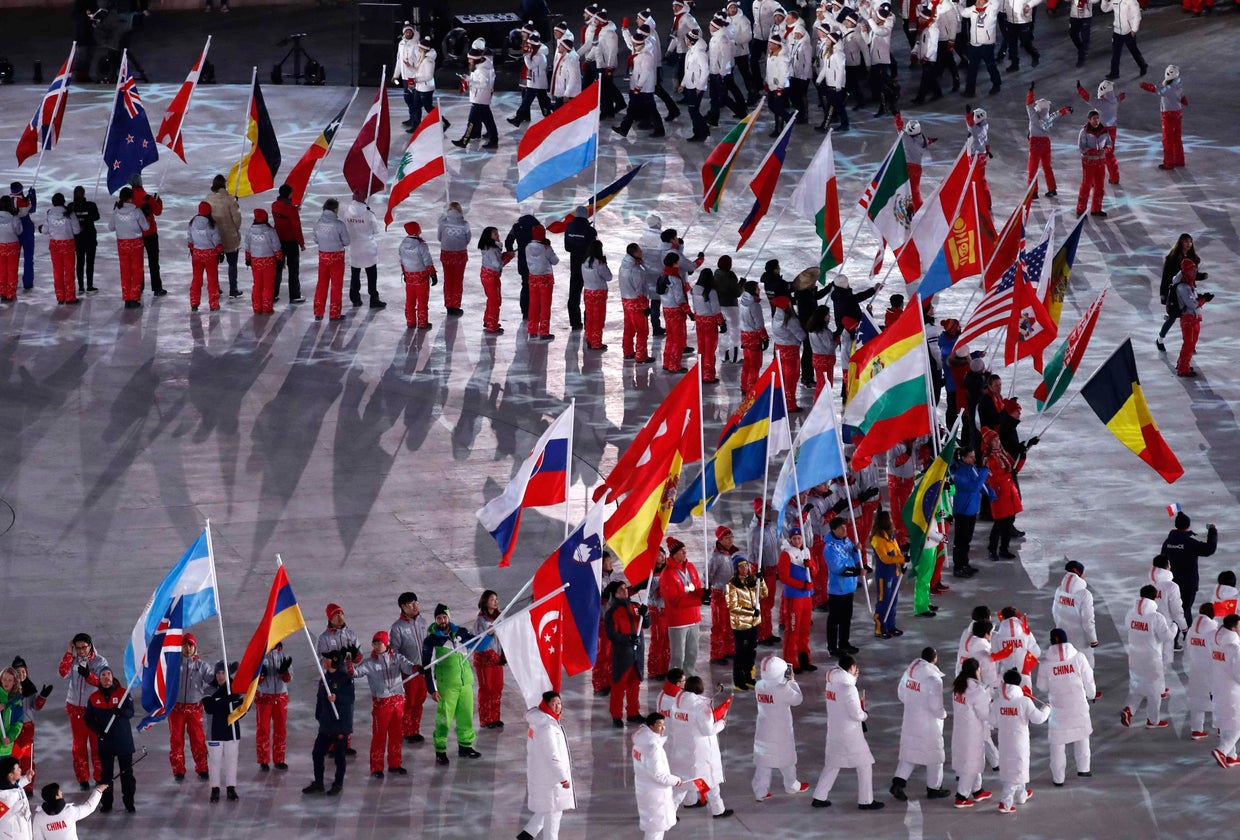
The opening ceremony provided a powerful image as athletes from North and South Korea marched together under a single Unification Flag. More significantly, the two nations fielded a unified women's ice hockey team. While the team did not find success on the scoreboard, their presence on the ice served as a major symbolic gesture of reconciliation. This diplomatic breakthrough in early 2018 paved the way for subsequent high-level summits between the leaders of North and South Korea and the United States, cementing PyeongChang’s place in history as a venue where sports transcended politics.
Key Sporting Highlights and Record-Breaking Performances
The athletic competition in PyeongChang was marked by both the emergence of new stars and the dominance of established veterans. The 2018 program saw the addition of several new events designed to appeal to younger audiences, including big air snowboarding, mass start speed skating, mixed doubles curling, and mixed team alpine skiing.
The Phenomenon of Ester Ledecká
The most remarkable individual story of the 2018 Games was that of Czech athlete Ester Ledecká. She achieved a feat previously thought impossible in the modern era: winning gold medals in two completely different sports during the same Winter Olympics. Ledecká first stunned the world by winning the Super-G in alpine skiing on borrowed skis, then followed up by winning the parallel giant slalom in snowboarding. Her versatility remains a benchmark for multi-disciplinary excellence.
Snowboarding Dominance: White and Kim
Snowboarding saw high drama, particularly in the halfpipe. American veteran Shaun White secured his third Olympic gold medal with a dramatic final run, solidifying his status as the greatest snowboarder in history. On the women's side, 17-year-old Chloe Kim dominated the halfpipe competition, becoming the youngest woman to win an Olympic snowboarding gold medal. Her performance was so commanding that she secured the gold before her final run was even completed.
Figure Skating Artistry: Hanyu and Zagitova
In figure skating, Japan's Yuzuru Hanyu became the first man since Dick Button in 1952 to win back-to-back Olympic titles. His performance in PyeongChang, despite coming off a significant ankle injury, is often cited as one of the greatest displays of technical skill and artistic expression in the history of the sport. In the women’s event, 15-year-old Alina Zagitova, representing the Olympic Athletes from Russia (OAR), won gold in a closely contested battle with teammate Evgenia Medvedeva, showcasing the rigorous technical depth of the Russian skating program.
Official Medal Standings and Statistical Overview
Norway dominated the 2018 Games, setting a new record for the most medals won at a single Winter Olympics. Their success was rooted in their traditional strengths in cross-country skiing and biathlon. Germany followed closely, largely due to their absolute dominance in the sliding sports (luge, bobsleigh, and skeleton).
| Rank | Country | Gold | Silver | Bronze | Total |
|---|---|---|---|---|---|
| 1 | Norway | 14 | 14 | 11 | 39 |
| 2 | Germany | 14 | 10 | 7 | 31 |
| 3 | Canada | 11 | 8 | 10 | 29 |
| 4 | United States | 9 | 8 | 6 | 23 |
| 5 | Netherlands | 8 | 6 | 6 | 20 |
| 6 | Sweden | 7 | 6 | 1 | 14 |
| 7 | South Korea | 5 | 8 | 4 | 17 |
| 8 | Switzerland | 5 | 6 | 4 | 15 |
| 9 | France | 5 | 4 | 6 | 15 |
| 10 | Austria | 5 | 3 | 6 | 14 |
Infrastructure and Venue Clusters
The 2018 Olympics were organized into two main clusters: the PyeongChang Mountain Cluster and the Gangneung Coastal Cluster. This geographic separation allowed for efficient management of snow-based versus ice-based events.
- PyeongChang Mountain Cluster: This area hosted the outdoor events. The Alpensia Resort served as the hub for ski jumping, biathlon, and cross-country skiing. The Olympic Sliding Centre was the venue for bobsleigh, luge, and skeleton. Alpine skiing was split between Yongpyong (technical events) and Jeongseon (speed events).
- Gangneung Coastal Cluster: Located on the coast of the East Sea, this cluster housed all the ice events. The Gangneung Ice Arena (figure skating and short track), the Gangneung Speed Skating Oval, and the Gangneung Hockey Centre were all constructed specifically for the Games, showcasing sleek, modern architecture.
The transportation infrastructure was significantly upgraded to support the Games. The most notable addition was the Gyeonggang Line, a high-speed railway connecting Seoul to PyeongChang and Gangneung in under two hours. This link was vital not only for spectators but also for the long-term accessibility of the Gangwon region.
Technological Innovations: The First 5G Olympics
The 2018 Games were a landmark for sports technology. South Korea used the Olympics as a global stage to debut 5G wireless technology. This allowed for innovative broadcasting techniques, such as "Sync View," where cameras mounted on bobsleighs provided real-time, first-person perspectives to viewers.
Other technological advancements included:
- Virtual Reality (VR): Broadcasters offered VR coverage of the opening ceremonies and several key events, allowing fans worldwide to feel as though they were in the stadium.
- Robotics: Over 80 robots were deployed across the venues to assist with translations, provide directions, and even clean the facilities.
- Drone Technology: The opening ceremony featured a world-record-breaking light show involving 1,218 drones, creating a stunning visual display of the Olympic rings over the stadium.
Post-Games Legacy: Where Are the Venues in 2026?
As of 2026, the legacy of PyeongChang 2018 is viewed with a mix of success and ongoing maintenance challenges. Unlike some previous Olympic hosts, South Korea has made a concerted effort to keep the venues in use.
The Gangneung Coastal Cluster has been the most successful in its post-Olympic life. The speed skating oval and ice arenas have hosted numerous international competitions and served as training centers. In 2024, these venues were central to the Winter Youth Olympics, proving the sustainability of the original 2018 investment.
The PyeongChang Mountain Cluster continues to operate as a tourism hub. The Alpensia facilities remain popular for winter sports enthusiasts, though the Jeongseon Alpine Centre faced controversy regarding the environmental restoration of Mount Gariwang. Efforts to balance ecological preservation with the desire to keep a world-class downhill course active have been a point of debate in Korean provincial politics for several years.
Common Challenges and Controversies
No Olympic Games are without hurdles, and PyeongChang faced several significant issues.
The Russian Doping Scandal
The 2018 Games were heavily impacted by the fallout from the Russian state-sponsored doping scandal. The IOC officially banned the Russian Olympic Committee. As a result, clean Russian athletes were allowed to compete only under the designation of "Olympic Athletes from Russia" (OAR), wearing neutral uniforms and competing under the Olympic flag rather than their national colors.
Extreme Weather
Despite being the Winter Games, the cold in PyeongChang was intense. During the first week, temperatures frequently dropped below -15°C (5°F), with wind chills making it feel much colder. High winds also forced the postponement of several alpine skiing events, compressing the schedule and testing the endurance of both athletes and organizers.
The Norovirus Outbreak
Just before the opening ceremony, an outbreak of norovirus affected hundreds of security staff and volunteers. The Organizing Committee had to move quickly to quarantine those affected and bring in military personnel to fill the security roles, ensuring the Games could proceed safely.
FAQs about the 2018 Olympics
Which country won the most medals in the 2018 Olympics?
Norway won the most medals overall, with a total of 39. They also tied with Germany for the most gold medals, each earning 14. This performance solidified Norway's position as the most successful nation in the history of the Winter Olympics.
What was the mascot of the PyeongChang 2018 Games?
The official mascot was Soohorang, a white tiger. In Korean culture, the white tiger is considered a sacred guardian animal. The name "Soohorang" is derived from the Korean words for "protection" (Sooho) and "tiger" (Horangi).
How did the unified Korean team perform?
The unified women's ice hockey team, consisting of 23 South Koreans and 12 North Koreans, lost all five of their matches. However, their participation was considered a major diplomatic success. They scored two goals during the tournament, which were celebrated as historic moments for Korean unity.
Is PyeongChang still a popular tourist destination in 2026?
Yes, PyeongChang remains a primary destination for winter tourism in South Korea. The high-speed rail link from Seoul continues to bring thousands of visitors each year to the Alpensia and Yongpyong resorts. The region's infrastructure, built for the 2018 Games, has made it the leading center for winter sports in Southeast and East Asia.
Who was the most decorated athlete of the 2018 Games?
Norwegian cross-country skier Marit Bjørgen was the most decorated athlete in PyeongChang. She won five medals (two gold, one silver, and two bronze). With these additions, she became the most decorated Winter Olympian of all time, with a career total of 15 medals.
Practical Recommendation for Researchers and Fans
For those looking to explore the technical data or official reports of the 2018 Games, the International Olympic Committee (IOC) official website remains the most authoritative source for results, athlete biographies, and historical footage. If you are planning a visit to the venues in 2026, the Gangwon Province Tourism Bureau provides updated schedules for public access to the Olympic Sliding Centre and the various ice rinks in Gangneung. Exploring these sites offers a unique look at how Olympic infrastructure can be successfully integrated into regional development and youth sports programming.