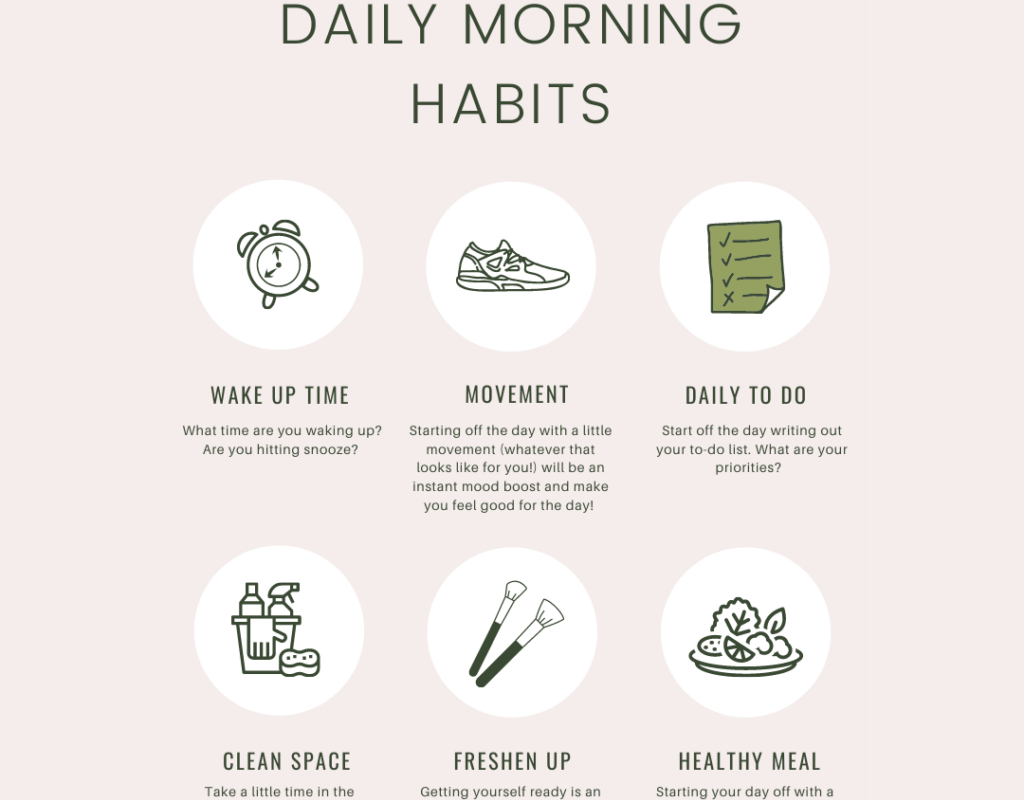
Crafting a purposeful morning routine anchors your day, enhances cognitive clarity, and optimizes physical energy levels by aligning your biological clock with intentional habits. By replacing chaotic wake-up patterns with structured, health-promoting behaviors, you can stabilize your mood, improve metabolic function, and sustain peak productivity well into the afternoon.
Understanding the Science of Mornings
Your body’s internal clock, or circadian rhythm, governs numerous physiological processes, including hormone release, body temperature fluctuations, and sleep-wake cycles. When you wake up, your body experiences the cortisol awakening response (CAR), a natural spike in cortisol levels that helps transition you from sleep to alertness. Managing this transition effectively sets the metabolic and neurological tone for the subsequent 24 hours.
Adopting a healthy morning routine is not about executing a rigid, military-style schedule that triggers stress. Instead, it involves curating a sequence of low-friction, high-impact habits that support your physiological needs. Whether you are aiming to increase focus at work, improve physical fitness, or simply reduce daily anxiety, establishing predictable morning anchors provides the psychological stability necessary to navigate complex daily demands.
1. Hydrate Immediately Upon Waking
After seven to nine hours of continuous sleep, your body enters a mild state of dehydration. Rehydrating immediately upon waking is one of the simplest yet most effective physiological interventions you can perform.
- Replenish Fluid Deficits: Drinking a glass of water kick-starts your metabolism and helps re-establish optimal blood volume.
- Support Cognitive Function: Even slight dehydration can impair attention, memory, and mood. Water intake clears the sleep-induced cognitive fog.
- Activate Digestion: Warm or room-temperature water stimulates the gastrointestinal tract, encouraging natural motility.
Keep a reusable glass or bottle of water on your nightstand so it is the first thing you reach for. For enhanced flavor or mild electrolyte balance, you can add a squeeze of fresh lemon or a tiny pinch of unrefined sea salt, though plain water is entirely sufficient.
2. Expose Yourself to Natural Sunlight
Light is the primary environmental cue—or zeitgeber—that synchronizes your master biological clock located in the suprachiasmatic nucleus of the brain.
- Suppress Melatonin: Natural daylight signals the brain to halt the production of melatonin, the sleep hormone, promoting alertness.
- Regulate Circadian Rhythm: Morning light exposure helps anchor your circadian rhythm, making it easier to fall asleep naturally at night.
- Boost Serotonin: Sunlight stimulates the synthesis of serotonin, a neurotransmitter that elevates mood and emotional resilience.
Step outside onto a balcony, take a brief walk, or sit by a wide-open window for 10 to 15 minutes within an hour of waking. Avoid wearing sunglasses during this brief window to allow photons to properly stimulate retinal ganglion cells.
3. Engage in Mindful Movement or Light Stretching
You do not need to launch into an exhausting high-intensity interval training session at 6:00 AM to reap the benefits of morning movement. In fact, aggressive exercise immediately upon waking can sometimes spike cortisol to counterproductive levels.
- Mobilize Joints: Gentle mobility work lubricates synovial joints that have remained static during sleep.
- Enhance Blood Flow: Light calisthenics, yoga, or dynamic stretching increases circulation, delivering oxygen-rich blood to muscle tissues and the brain.
- Release Tension: Intentional movement helps identify and release physical tension accumulated overnight.
Dedicate 5 to 10 minutes to a fluid movement routine. Focus on spinal articulation, hip openers, and deep diaphragmatic breathing to signal to your nervous system that you are awake, capable, and grounded.
4. Delay Gratification: Keep Away from Screens
Reaching for your smartphone the moment your alarm sounds is a habit that hijacks your attention span and floods your brain with external demands before you have established your own internal baseline.
- Prevent Reactive Stress: Opening email, social media, or news apps immediately exposes you to urgent stimuli, spiking cortisol and inducing a reactive state.
- Protect Attention Span: Fragmented digital consumption early in the morning degrades your capacity for deep, sustained focus later in the day.
- Foster Autonomy: Spending the first 20 to 30 minutes of your day free from digital interference allows you to dictate your priorities rather than letting algorithms dictate them for you.
Designate your phone charger outside the bedroom or use an old-fashioned analog alarm clock. Allow your mind to wake up organically before inviting the noise of the digital world into your space.
5. Fuel Your Body with a Balanced Breakfast
The old adage that breakfast is the most important meal of the day warrants nuance, but for most individuals, breaking the overnight fast with nutrient-dense food provides vital energy stability.
- Stabilize Blood Sugar: A breakfast rich in quality protein, healthy fats, and fiber prevents the sharp glucose spikes and subsequent crashes associated with refined carbohydrate-heavy meals.
- Support Muscle Synthesis: Consuming adequate protein in the morning initiates muscle protein synthesis and promotes sustained satiety.
- Provide Micronutrients: Whole foods supply essential vitamins and minerals that support cellular energy production.
| Breakfast Component | Recommended Sources | Primary Benefit |
|---|---|---|
| Protein | Eggs, Greek yogurt, tofu, wild-caught salmon | Satiety and muscle maintenance |
| Healthy Fats | Avocado, chia seeds, walnuts, olive oil | Hormonal health and sustained energy |
| Fiber & Antioxidants | Berries, leafy greens, oats, flaxseeds | Digestive health and blood sugar regulation |
6. Practice Mindfulness or Meditation
Mental hygiene is just as important as physical hygiene. Dedicating a few minutes to quiet contemplation or breathwork trains your brain to manage stress proactively.
- Down-Regulate the Nervous System: Mindfulness practices shift activity from the sympathetic nervous system (fight-or-flight) to the parasympathetic nervous system (rest-and-digest).
- Improve Emotional Regulation: Regular meditation strengthens prefrontal cortex connectivity, enhancing your ability to respond thoughtfully rather than react impulsively.
- Enhance Clarity: Clearing mental clutter creates psychological space for creative problem-solving and strategic planning.
You can utilize guided meditation applications, practice box breathing, or simply sit in silence observing your breath for 5 to 10 minutes. Consistency matters far more than duration.
7. Plan Your Day with Intentional Prioritization
Waking up without a plan often leads to decision fatigue and reactive scrambling. Taking five minutes to organize your objectives transforms vague intentions into actionable execution.
- Identify the Resistance: Determine your "Resistance Point"—the single most important or challenging task you are tempted to procrastinate on—and schedule it during your peak cognitive window.
- Limit the Rule of Three: Select no more than three major priorities for the day to avoid overwhelm and ensure high completion rates.
- Align with Energy Cycles: Match analytical tasks with peak mental alertness and administrative tasks with lower-energy afternoon periods.
Use a physical notebook or a dedicated productivity tool to map out your day. Crossing off clearly defined milestones provides a psychological dopamine reward that drives momentum.
8. Maintain Consistency in Your Wake-Up Time
Biological systems thrive on predictability. Varying your wake-up time drastically between weekdays and weekends disrupts your circadian rhythm, inducing a phenomenon known as social jetlag.
- Strengthen Sleep Homeostasis: Waking up at the same time every day reinforces your body's natural sleep-wake drive, making it easier to fall asleep at night.
- Optimize Hormone Regulation: Consistent waking times stabilize the timing of cortisol release and metabolic enzyme activation.
- Eliminate Morning Decision Fatigue: Removing the debate over whether to hit the snooze button preserves valuable mental energy.
Aim to keep your wake-up time within a 30-to-60-minute window, seven days a week. If you need to catch up on rest, prioritize an earlier bedtime rather than sleeping significantly later.
9. Engage in Personal Growth or Learning
The morning hours often represent the quietest part of the day, making them an ideal window for intellectual nourishment before professional distractions take over.
- Capitalize on Neuroplasticity: The brain is often exceptionally receptive to learning new concepts after a restorative sleep cycle.
- Cultivate Curiosity: Reading non-fiction, listening to an educational podcast, or studying a new language expands your perspective.
- Build Compounding Knowledge: Dedicating just 15 minutes every morning to reading results in finishing roughly 12 to 15 books per year.
Pair your morning beverage or post-workout wind-down with a chapter of a book or an insightful article. Keep your reading material aligned with personal enrichment rather than stressful news or work tasks.
10. Avoid Haste: Cultivate a Calm Transition
The manner in which you leave your home or transition into your workspace profoundly influences your stress hormones for the hours that follow. Hushed rushing breeds chronic, low-grade anxiety.
- Buffer Your Schedule: Build a 10-to-15-minute buffer into your morning timeline to account for unexpected delays.
- Practice Gratitude: Mentally acknowledge three things you appreciate before stepping out the door to foster a positive emotional baseline.
- Secure Your Environment: Ensure your home is tidy, appliances are safely turned off, and necessary items (keys, wallet, work materials) are gathered.
A calm exit closes the morning chapter smoothly, allowing you to enter your professional or personal environments with poise and centered attention.
Common Morning Routine Pitfalls to Avoid
Even with the best intentions, individuals often fall into traps that undermine their morning efforts. Being aware of these pitfalls allows you to course-correct effectively.
- The Overhaul Trap: Attempting to implement all ten tips simultaneously often leads to burnout within a week. Introduce habits incrementally, adding one new element every week or two.
- Snooze Button Reliance: Pressing snooze fragments your sleep architecture, inducing sleep inertia—a state of grogginess that can persist for hours.
- Rigid Perfectionism: Missing a workout or checking your phone too early does not ruin your day. Approach your routine with flexibility and self-compassion.
Conclusion
Optimizing your morning routine does not require an aggressive lifestyle overhaul or waking up at 4:00 AM. It requires conscious, intentional design tailored to your biological rhythms and personal responsibilities. By hydrating, seeking natural light, moving mindfully, and delaying digital distractions, you can transform your mornings from a source of daily friction into a powerful catalyst for sustained health and productivity. Start by selecting one or two tips from this guide, master them, and gradually build a morning architecture that serves your long-term well-being.