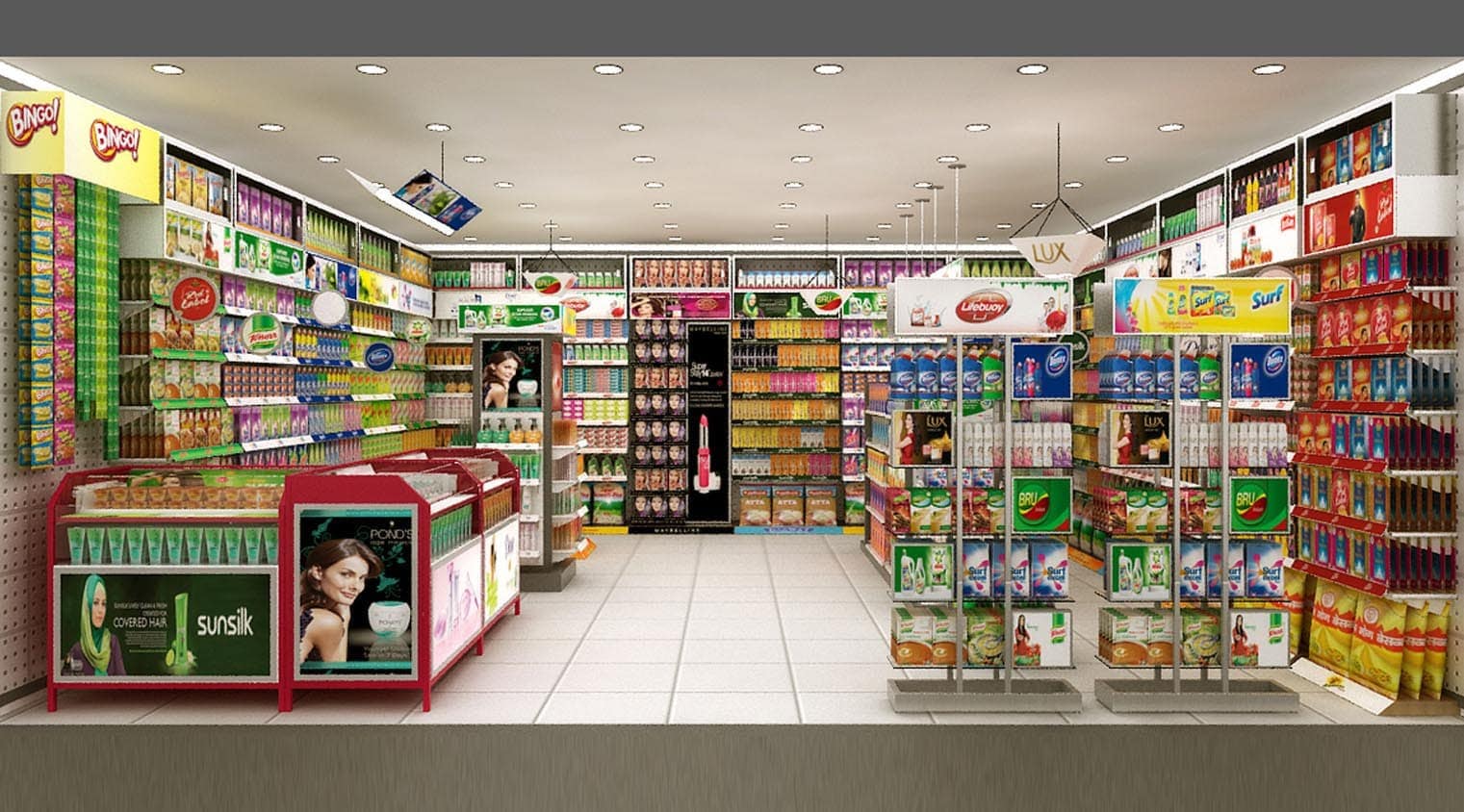
Retail shopping in 2026 involves navigating a complex ecosystem where digital convenience intersects with physical experiences. To shop effectively, consumers must master multi-channel research, understand dynamic pricing, and leverage loyalty programs while remaining vigilant about data privacy and return policies. Success requires integrating digital tools with traditional evaluation methods to optimize both time and expenditure.
The Evolution of the Retail Landscape
The retail environment has undergone a fundamental shift, moving away from simple storefront transactions toward an interconnected omnichannel model. In 2026, the distinction between "online" and "in-store" shopping has blurred significantly. Retailers now employ unified inventory systems that allow for sophisticated fulfillment methods such as Buy Online, Pick Up In-Store (BOPIS) and Ship-to-Store, which provide customers with greater flexibility.
Understanding this landscape requires recognizing the primary categories of retailers:
- Big-Box Retailers: Large physical footprints offering a high volume of general merchandise with aggressive price matching.
- Direct-to-Consumer (DTC) Brands: Manufacturers who bypass traditional wholesalers to sell directly to the end user, often through proprietary e-commerce platforms.
- Marketplaces: Massive digital platforms that host third-party sellers, requiring consumers to verify individual vendor reputations.
- Specialty Boutiques: Focused retailers providing curated inventory, often with high-touch customer service and niche product expertise.
Strategic Preparation for High-Value Purchases
Before committing to a significant purchase, adopting a structured research phase is essential to ensure value and avoid buyer’s remorse. The most effective approach utilizes a "Triangulation Method," where information is gathered from three distinct types of sources before making a decision.
1. Technical Specification Verification
Check official manufacturer documentation for dimensions, power requirements, and material composition. Do not rely solely on retail product descriptions, which may contain errors or marketing-driven simplifications. For electronics or home appliances, cross-reference the model number with the manufacturer's official support site to confirm the exact feature set for the 2026 production year.
2. Independent Peer Review and Testing
Search for reviews that focus on long-term usage rather than "unboxing" content. Look for evidence of product degradation over time. Reputable consumer advocacy publications often provide standardized testing data that accounts for durability, safety, and operational efficiency.
3. Price History and Competitive Analysis
Prices in 2026 are highly dynamic, fluctuating based on supply chain variables and demand-side algorithms. Use price-tracking tools to observe trends over a 90-day period. This allows you to identify if a "sale price" represents a genuine discount or a temporary reduction from a artificially inflated baseline.
Comparing Shopping Channels: A Decision Framework
To determine the most appropriate channel for a specific purchase, evaluate your priorities regarding immediacy, verification, and support.
| Shopping Channel | Primary Strength | Best For | Potential Drawback |
|---|---|---|---|
| In-Store | Physical inspection | Apparel, furniture, fragile goods | Limited inventory depth |
| Direct-to-Consumer | Brand communication | High-end electronics, niche goods | Higher shipping costs |
| Online Marketplace | Competitive pricing | Commodities, mass-market items | Counterfeit/vendor risk |
| Omnichannel | Fulfillment flexibility | Last-minute needs, heavy items | Dependency on store logistics |
Navigating Retail Policies and Consumer Rights
Understanding the fine print is a critical component of the retail experience. In 2026, return policies have become more restrictive due to rising logistics costs. Always verify the "Restocking Fee" policy before making high-value purchases. Some retailers now charge a percentage of the purchase price for returns if the item is opened, regardless of whether the product is defective.
Additionally, pay attention to the "Warranty Period" vs. "Return Window." A 30-day return policy is often confused with a 12-month manufacturer warranty. Returns are handled by the retailer, while warranty claims are managed by the manufacturer. Keep all digital receipts and physical packaging for the duration of the return window, as some retailers require the original box for a full refund.
Essential Tips for Smart Shoppers
- Utilize Browser Extensions: Employ price-comparison extensions to automatically surface coupon codes or price drops during the checkout phase.
- Audit Your Subscriptions: If shopping through sites that offer "Subscribe and Save" discounts, set a calendar reminder to review these automated shipments every quarter to avoid unnecessary spending.
- Check Regulatory Compliance: For health or safety-related products, ensure the items comply with current government safety standards. Avoid third-party sellers that do not provide clear product origin information.
- Prioritize Secure Payment Methods: Use credit cards or digital payment services that offer robust fraud protection and purchase dispute resolution. Avoid direct bank transfers or peer-to-peer payment apps for commercial retail transactions.
Managing Common Retail Challenges
Even the most prepared shopper may encounter issues. If you receive a damaged product, immediately document the exterior packaging and the item itself with high-resolution photos. Contact the retailer’s support team within 24–48 hours; many organizations have strict "reporting windows" for shipping damage.
If a price drops shortly after your purchase, check the retailer’s "Price Adjustment" policy. Many major retailers will honor a refund of the difference if the item goes on sale within 7 to 14 days of your purchase, provided you present a valid receipt.
Frequently Asked Questions
What is the best time of year to purchase major appliances? Major appliances often see price reductions during holiday weekends and periods when manufacturers release new model lines. In 2026, monitor seasonal clearance events typically held in late winter and early autumn, as retailers aim to cycle out existing inventory for new stock.
How can I avoid counterfeit goods on online marketplaces? Verify the seller’s rating and longevity on the platform. Look for "Sold by" and "Fulfilled by" designations. When possible, purchase products that are "Shipped and Sold by" the marketplace itself or by an authorized retailer to minimize the risk of third-party counterfeiting.
Are digital receipts as valid as paper receipts? Yes, in 2026, digital receipts are generally considered legally equivalent to paper records for tax and warranty purposes. Ensure they are saved in a secure, searchable format—such as a dedicated email folder or cloud storage—to maintain easy access for future claims.
Is "Dynamic Pricing" harmful to the consumer? Dynamic pricing uses algorithms to adjust prices based on real-time market factors. While it can lead to higher prices during peak demand, it also allows for significant discounts during off-peak periods. Being aware of this allows consumers to "time" their purchases for lower-demand windows.
What should I do if a store refuses a return? First, consult the written return policy provided at the time of purchase. If the store is in violation of their own stated policy, escalate the issue to a manager. If the product is defective, contact the manufacturer directly to initiate a warranty claim, which is often a separate process from a store return.
Next Steps for the Discerning Consumer
To improve your retail outcomes, begin by creating a digital "Purchase Tracker" document. Record items you intend to buy, their current prices, and the dates of major sales events. By delaying non-essential purchases and waiting for identified price dips, you can consistently achieve better value. For your next major acquisition, perform the three-step research process—spec verification, peer review, and price tracking—before the transaction occurs to ensure you are making an informed financial decision.