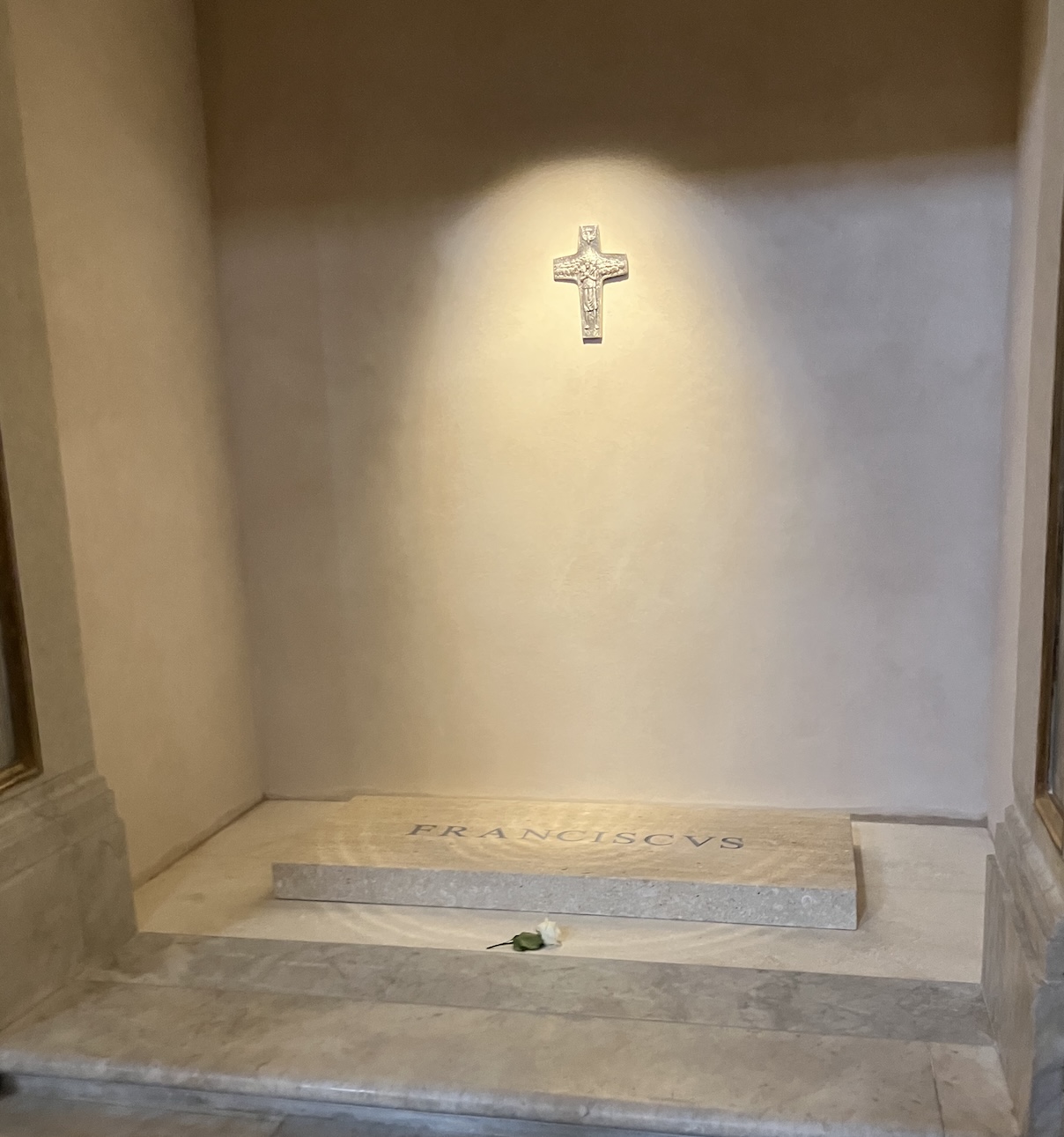
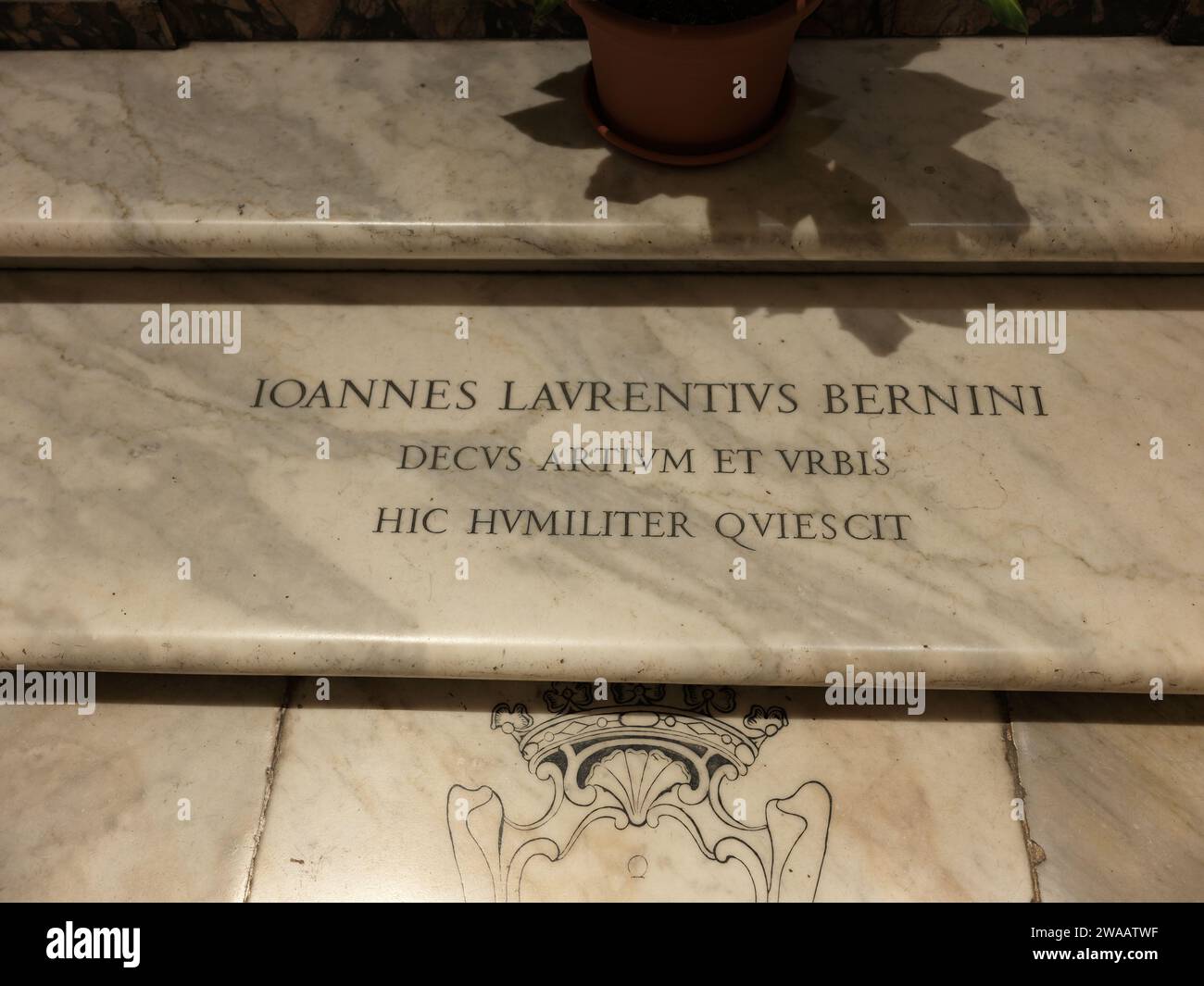
A papal burial site refers to the designated location where a deceased bishop of Rome, commonly known as the Pope, is interred. Historically, these sites have shifted from hidden Christian catacombs and ancient basilicas to monumental tombs within St. Peter’s Basilica and, in modern times, locations chosen for personal or historical significance outside the Vatican.
Introduction to Papal Interment Traditions
The location and design of a papal burial site carry profound theological, historical, and architectural significance. For centuries, the final resting place of a pontiff reflected the political landscape of Europe, the architectural evolution of Rome, and the personal theological leanings of the individual pope.
Understanding where and how popes are buried requires an examination of the Vatican's layout, the history of Roman basilicas, and the evolving canonical practices surrounding papal death and succession. While many modern observers envision an ornate marble monument within St. Peter's Basilica, the reality encompasses a diverse array of crypts, underground grottos, and even exterior churches across Italy.
Historical Evolution of Papal Burial Sites
The tradition of papal burial sites spans nearly two millennia, evolving alongside the legal status and global influence of the Catholic Church.
From Catacombs to Basilicas
During the first three centuries of Christianity, popes—often martyred during periods of Roman persecution—were typically buried in subterranean catacombs. The Catacomb of St. Callixtus on the Appian Way and the Vatican Necropolis adjacent to the Circus of Nero are among the earliest and most notable sites.
Following the Edict of Milan in 313 AD, which legalized Christianity, papal burials shifted above ground. Emperor Constantine the Great funded the construction of the original St. Peter’s Basilica over the traditional site of St. Peter the Apostle’s martyrdom and burial. Subsequent popes were frequently interred within or near this ancient basilica, anchoring the tradition of burying successors close to the Prince of the Apostles.
The Middle Ages and Renaissance Splendor
During the medieval and Renaissance periods, papal tombs transformed from simple stone sarcophagi into elaborate artistic monuments. Sculptors and architects such as Michelangelo, Gian Lorenzo Bernini, and Arnolfo di Cambio were commissioned to design towering sepulchres. These monuments often served political and dynastic purposes, highlighting the temporal power of the papacy alongside its spiritual authority.
Many Renaissance and Baroque popes chose to be buried in major Roman basilicas other than St. Peter's, such as the Basilica of St. John Lateran (the official cathedral of the Bishop of Rome), the Basilica of St. Mary Major, and the Basilica of Saint Paul Outside the Walls.
The Vatican Grottoes and St. Peter's Basilica
Today, the vast majority of recent popes rest within Vatican City, primarily inside the Vatican Grottoes or the main floor of St. Peter’s Basilica.
The Vatican Grottoes (Crypts)
Situated beneath the floor of the current St. Peter’s Basilica, the Vatican Grottoes form a subterranean level containing the tombs of numerous popes, royals, and church dignitaries. The layout is structured as a crypt church surrounding the Confession of St. Peter.
- Accessibility: Parts of the Vatican Grottoes are open to the general public, allowing pilgrims and tourists to view select papal tombs.
- Architecture: The space features a mix of ancient structural elements from the original 4th-century Constantinian basilica and Renaissance renovations.
- Notable Interments: Popes such as Pius XII, Paul VI, John Paul I, and Benedict XVI have been laid to rest within the Grottoes.
Main Floor Interments
Some popes are interred on the main floor of St. Peter’s Basilica rather than the subterranean grottoes. These sites are often marked by elaborate marble monuments or floor-level mosaic and stone markers. For example, the tomb of St. John Paul II was moved from the Grottoes to a prominent chapel on the main floor of the basilica following his beatification.
Modern Shifts in Papal Burial Preferences
In recent decades, papal preferences regarding burial sites have experienced a notable shift toward simplicity and personal humility.
Traditionally, popes were placed in a triple coffin made of cypress, lead, and oak. However, updates to liturgical norms and individual papal choices have simplified these practices. Furthermore, contemporary pontiffs have increasingly chosen to move away from extravagant free-standing monuments on the main basilica floor, opting instead for simpler floor tombs within the Vatican Grottoes or outside Rome entirely.
Comparison of Traditional vs. Modern Papal Interments
| Feature | Traditional Approach (Medieval/Renaissance) | Modern Approach (20th–21st Century) |
|---|---|---|
| Primary Location | Various major Roman basilicas and St. Peter's | Primarily Vatican Grottoes and St. Peter's |
| Monument Style | Elaborate, multi-tiered sculptural monuments | Simple floor slabs, stone sarcophagi, or wall plaques |
| Coffin Construction | Traditional triple-layered wooden and metal caskets | Simplified single or double wooden/zinc construction |
| Design Focus | Temporal majesty, dynastic legacy, and theological symbolism | Humility, pastoral connection, and proximity to St. Peter |
Visiting Papal Burial Sites: Access and Protocol
For travelers, historians, and pilgrims interested in viewing papal burial sites, specific regulations and access protocols apply.
Accessing the Vatican Grottoes
- Tickets: Access to the Vatican Grottoes is generally included with visits to St. Peter’s Basilica or when exploring the Scavi (Vatican Necropolis), though the Scavi requires a separate, advance reservation.
- Security: Visitors must pass through security screenings at St. Peter's Square, which include metal detectors and bag checks.
- Dress Code: Because St. Peter's Basilica is a sacred Catholic church, strict dress codes are enforced. Shoulders and knees must be covered for all visitors, regardless of gender.
- Behavior: Silence and respectful demeanor are strictly required within the crypts and basilica. Photography without flash is permitted in certain areas of the Grottoes, but restricted near specific altars and tombs.
Other Roman Basilicas
To view tombs located outside Vatican City—such as Leo XIII’s tomb at the Basilica of St. John Lateran or Pius IX’s tomb at the Basilica of Saint Paul Outside the Walls—visitors must consult the specific opening hours of each patriarchal basilica. These sites generally do not charge admission for entry into the main church areas, though treasuries or cloistered museums may require a ticket.
Frequently Asked Questions
Where is the burial site of St. Peter located?
According to ancient tradition and modern archaeological excavations, St. Peter is buried directly beneath the main altar (the Papal Altar) of St. Peter’s Basilica in Vatican City. The exact spot, known as the Confession, sits deep within the Vatican Necropolis, where ancient Roman burial grounds intersect with early Christian monuments.
Can a pope choose to be buried outside of Vatican City?
Yes. Canon law does not mandate that a pope must be buried within St. Peter’s Basilica or Vatican City. While the vast majority choose Rome due to their role as Bishop of Rome, several pontiffs throughout history have requested burial in their home dioceses, local cathedrals, or specific Italian churches out of personal devotion.
Are all papal tombs open to the public?
While the vast majority of papal tombs located within the Vatican Grottoes and major Roman basilicas are accessible to visitors during regular opening hours, certain private crypts or restricted areas may require special ecclesiastical permission or guided group arrangements to view.
What happens immediately after a pope passes away regarding his burial?
Following the confirmation of a pope's death, the Vatican oversees a defined transition period known as the Novemdiales (nine days of official mourning and Masses). During this window, liturgical preparations are made for the funeral Mass, and the body lies in state so that the faithful can pay their respects before the final interment takes place.
Practical Recommendations for Visitors
When planning a visit to papal burial sites in Rome and Vatican City, travelers should secure tickets well in advance if attempting specialized tours like the Scavi tour. Arrive early in the morning to avoid peak tourist congestion, ensure adherence to conservative dress standards, and verify basilica opening hours ahead of time, as liturgical services can occasionally alter public access schedules.