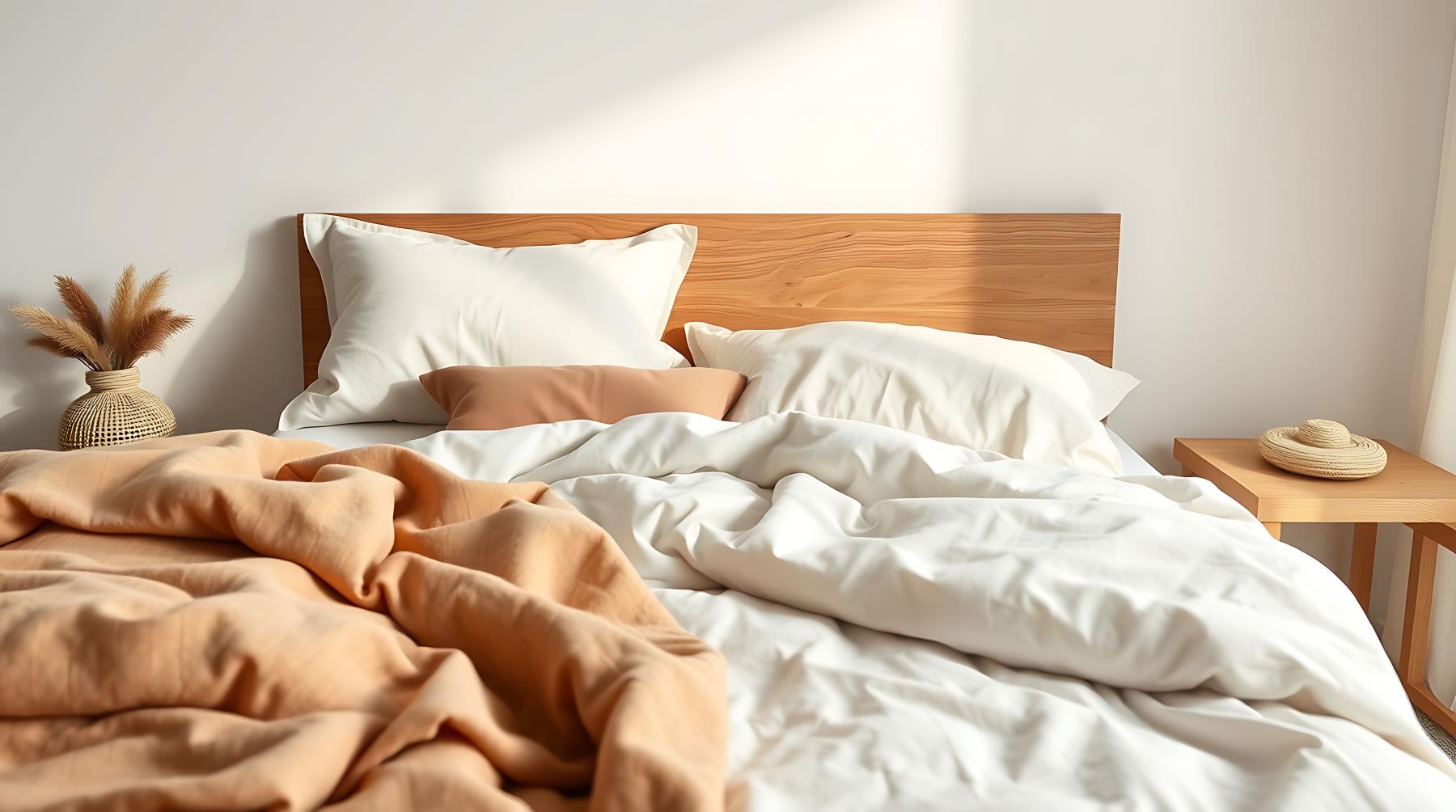
Choosing the right bedding materials involves balancing tactile comfort, thermal regulation, durability, and maintenance requirements across various natural and synthetic fibers. Understanding how options like cotton, linen, silk, and polyester perform enables you to curate a sleep environment that aligns with your personal preferences and climate needs.
The market for bedding materials encompasses a wide array of options, each defined by unique botanical or synthetic origins, weaving techniques, and performance characteristics. Whether you are shopping for sheets, duvet covers, pillowcases, or blankets, the choice of material dictates breathability, moisture management, longevity, and overall tactile feel. As consumers navigate options ranging from traditional cotton percales to sustainable bamboo-derived rayons, understanding the foundational properties of these materials is essential for making informed purchasing decisions that impact sleep quality and daily comfort.
Understanding Natural Bedding Materials
Natural bedding materials derive from plant or animal fibers and are widely praised for their inherent breathability, moisture-wicking capabilities, and eco-friendly attributes. These materials interact naturally with body temperature and humidity, making them popular choices for year-round comfort.
Cotton: Varieties, Weaves, and Performance
Cotton remains the most ubiquitous bedding material due to its versatility, softness, and ease of care. However, not all cotton is created equal. The staple length—the length of the individual cotton fibers—determines the ultimate quality, strength, and softness of the fabric.
- Extra-Long Staple (ELS) Cotton: Varieties such as Egyptian, Pima, and Supima feature longer fibers that create smoother, stronger, and more lustrous yarns. ELS cotton resists pilling and softens noticeably with each wash.
- Upland Cotton: Standard short-to-medium staple cotton used in mass-market bedding. It is durable and affordable, though generally less soft and durable than ELS variants.
Beyond the fiber source, the weave significantly influences the feel and performance of cotton bedding:
- Percale: A plain weave characterized by a crisp, matte finish and cool-to-the-touch feel. Percale offers exceptional breathability, making it ideal for hot sleepers and warm climates.
- Sateen: A one-under, three-over weave structure that exposes more thread surface on top, resulting in a silky-smooth hand feel, subtle sheen, and slightly heavier drape. Sateen retains more warmth than percale.
Linen: The Flax Fiber Advantage
Linen is crafted from the fibers of the flax plant (Linum usitatissimum), a resilient crop that requires fewer pesticides and less water than conventional cotton. Linen bedding is celebrated for its distinctive slub texture, relaxed aesthetic, and superior thermoregulating properties.
Linen fibers are hollow, allowing air to circulate freely and moisture to evaporate rapidly from the skin. While new linen can feel crisp or stiff, the fabric softens progressively with washing and friction. Its high durability means quality linen bedding can last for decades, developing a relaxed drape that resists static and repels dirt.
Silk: Protein-Based Luxury
Silk is a natural protein fiber produced primarily by the cocoons of the mulberry silkworm (Bombyx mori). Valued for its smooth texture and hypoallergenic properties, silk bedding—particularly silk-filled duvets and mulberry silk pillowcases—is often recommended for individuals with sensitive skin or hair concerns.
Because silk proteins closely mirror human amino acids, the fabric creates a friction-free surface that minimizes hair breakage and facial creasing. Silk is also naturally resistant to dust mites, mold, and mildew. However, it requires delicate care, typically necessitating hand washing or specialized dry cleaning.
Wool and Down: Thermal Insulation Layers
While cotton, linen, and silk dominate sheets and pillowcases, wool and down serve as premier insulating materials for duvets, comforters, and blankets.
- Down: The fluffy under-plumage of ducks or geese, down traps air efficiently to provide lightweight warmth. Fill power—the measure of the loft and trapping capacity of one ounce of down—indicates the insulation quality, with higher numbers (650 and above) representing superior warmth-to-weight ratios.
- Wool: Harvested from sheep and other animals, wool excels at active temperature regulation and moisture management. It absorbs moisture vapor while repelling liquid water, keeping sleepers warm in winter and cool in summer without overheating.
| Material | Primary Source | Breathability | Warmth Level | Care Requirements | Typical Lifespan |
|---|---|---|---|---|---|
| Cotton (Percale) | Cotton plant | Excellent | Cool to Moderate | Machine wash, tumble dry low | 3–5 years |
| Cotton (Sateen) | Cotton plant | Good | Moderate to Warm | Machine wash, tumble dry low | 3–5 years |
| Linen | Flax plant | Superior | Cool to Moderate | Gentle wash, line or tumble dry low | 10+ years |
| Silk | Silkworm cocoons | Moderate | Moderate | Hand wash or dry clean | 5–10 years |
| Wool | Sheep fleece | High | High | Special wool cycle or dry clean | 10+ years |
Synthetic and Semi-Synthetic Bedding Materials
Synthetic and semi-synthetic (regenerated cellulose) materials offer alternative performance profiles, often focusing on wrinkle resistance, moisture-wicking technology, budget-friendliness, or specific cooling properties.
Polyester and Microfiber
Polyester is a petroleum-based synthetic polymer woven into various bedding textiles, most notably microfiber. Microfiber consists of ultra-fine synthetic fibers, typically polyester or a blend of polyester and nylon, woven tightly together.
- Advantages: Microfiber is exceptionally affordable, lightweight, highly resistant to wrinkles and shrinking, and quick-drying. The tight weave also creates a barrier against dust mites and pet dander.
- Disadvantages: Synthetic fibers lack the natural breathability of cotton or linen. They tend to trap body heat and static electricity, making them less suitable for hot sleepers or humid environments.
Rayon, Lyocell, and Modal (Plant-Based Synthetics)
Semi-synthetic fibers begin with natural cellulose sources—such as bamboo, eucalyptus, or beech trees—which are then broken down and reconstructed using chemical solvent processes.
- Bamboo Rayon vs. Bamboo Lyocell: Rayon uses a traditional viscose process involving chemical solvents, whereas Lyocell utilizes a closed-loop system that recycles non-toxic solvents (such as N-Methylmorpholine N-oxide). Lyocell processes are generally considered more environmentally sustainable.
- Tencel Lyocell and Modal: Tencel is a branded version of Lyocell derived from sustainably managed eucalyptus forests. Modal, derived from beech trees, offers high flexibility and softness.
Fabrics made from Lyocell and Modal feature microscopic channels that enhance moisture absorption and evaporation, outperforming standard cotton in moisture management. They offer a silky drape, cooling sensation, and resistance to bacterial growth.
Key Performance Factors in Bedding Selection
Evaluating bedding materials requires an understanding of technical metrics and physical properties that dictate everyday comfort and utility.
Breathability and Thermoregulation
Thermal comfort depends on how effectively a fabric manages heat and humidity. Breathability refers to the fabric's permeability to air, while moisture management measures its ability to wick sweat away from the body.
- Hot Sleepers: Linen, bamboo lyocell, and cotton percale provide maximum airflow and prevent heat buildup.
- Cold Sleepers: Flannel (brushed cotton), wool-filled duvets, and cotton sateen trap warm air close to the body, providing cozy insulation.
Durability and Thread Count Realities
Thread count—the number of horizontal and vertical threads packed into one square inch of fabric—is frequently marketed as the primary indicator of sheet quality. However, industry standards and consumer perceptions often diverge.
- The Inflation Myth: Manufacturers sometimes inflate thread counts by twisting multiple thin lower-quality yarns together (multi-ply yarns) to artificially boost numbers into the 800–1000+ range. This practice results in heavier, less breathable, and less durable fabrics.
- Quality Range: High-quality single-ply cotton percale or sateen typically ranges from 300 to 500 threads per inch, offering an optimal balance of softness, strength, and breathability.
- Fiber Integrity: Staple length, weave structure, and fiber weight are far more reliable indicators of longevity than thread count alone.
Maintenance and Care Requirements
Proper maintenance preserves the tactile integrity and extends the operational lifespan of bedding materials. Different fibers demand tailored laundering approaches:
- Cotton and Linen: Most cottons and linens tolerate regular machine washing in warm water. Using mild, enzyme-free detergents prevents fiber degradation. Linen benefits from line drying or low-heat tumble drying to maintain fiber elasticity.
- Silk and Wool: These protein fibers require gentle handling. Alkaline detergents strip natural oils from wool and damage silk proteins; therefore, pH-neutral or specialized wool and silk detergents are mandatory. Avoid high heat during washing and drying to prevent shrinkage and fiber embrittlement.
- Synthetics: Polyester and microfiber resist most washing conditions but can trap body oils and odors if washed in cold water exclusively. Washing synthetics in warm water with vinegar rinses helps neutralize trapped oils.
Frequently Asked Questions
What is the best bedding material for hot sleepers?
Cotton percale, linen, and bamboo lyocell are the best choices for hot sleepers. These materials offer superior breathability and moisture-wicking properties, allowing air to circulate freely and preventing heat entrapment throughout the night.
Does a higher thread count always mean better quality sheets?
No. Thread count measures the number of threads per square inch, but high numbers are often achieved using multi-ply yarns that reduce breathability and durability. A single-ply sheet with a thread count between 300 and 500, made from extra-long staple cotton, generally offers superior quality.
How often should bedding be washed?
Bed sheets and pillowcases should be washed weekly in warm water to remove body oils, dead skin cells, dust mites, and sweat. Duvet covers, comforters, and blankets can be washed every two to four weeks, depending on whether top sheets are used.
Are bamboo sheets eco-friendly?
The eco-friendliness of bamboo sheets depends heavily on the manufacturing process. Bamboo rayon utilizes chemical solvents in an open-loop system, whereas bamboo lyocell uses a closed-loop system that recovers and recycles over 99% of non-toxic solvents, making lyocell the more sustainable choice.
Can individuals with allergies use any bedding material?
Allergy sufferers should prioritize tightly woven synthetic microfibers, silk, or certified organic natural fibers treated without harsh chemicals. Silk naturally repels dust mites, mold, and mildew, while tightly woven barriers prevent allergen penetration. Frequent washing in hot water remains essential regardless of material.
Conclusion and Recommendations
Selecting the ideal bedding materials requires weighing personal sleeping temperature preferences, tactile desires, maintenance commitments, and environmental values. For hot sleepers seeking crisp durability, extra-long staple cotton percale or natural linen provide optimal airflow. Those desiring silky drape and advanced moisture management benefit from bamboo lyocell or mulberry silk. Assess your climate, maintenance tolerance, and skin sensitivity before investing in high-quality textiles to ensure restful, comfortable sleep for years to come.