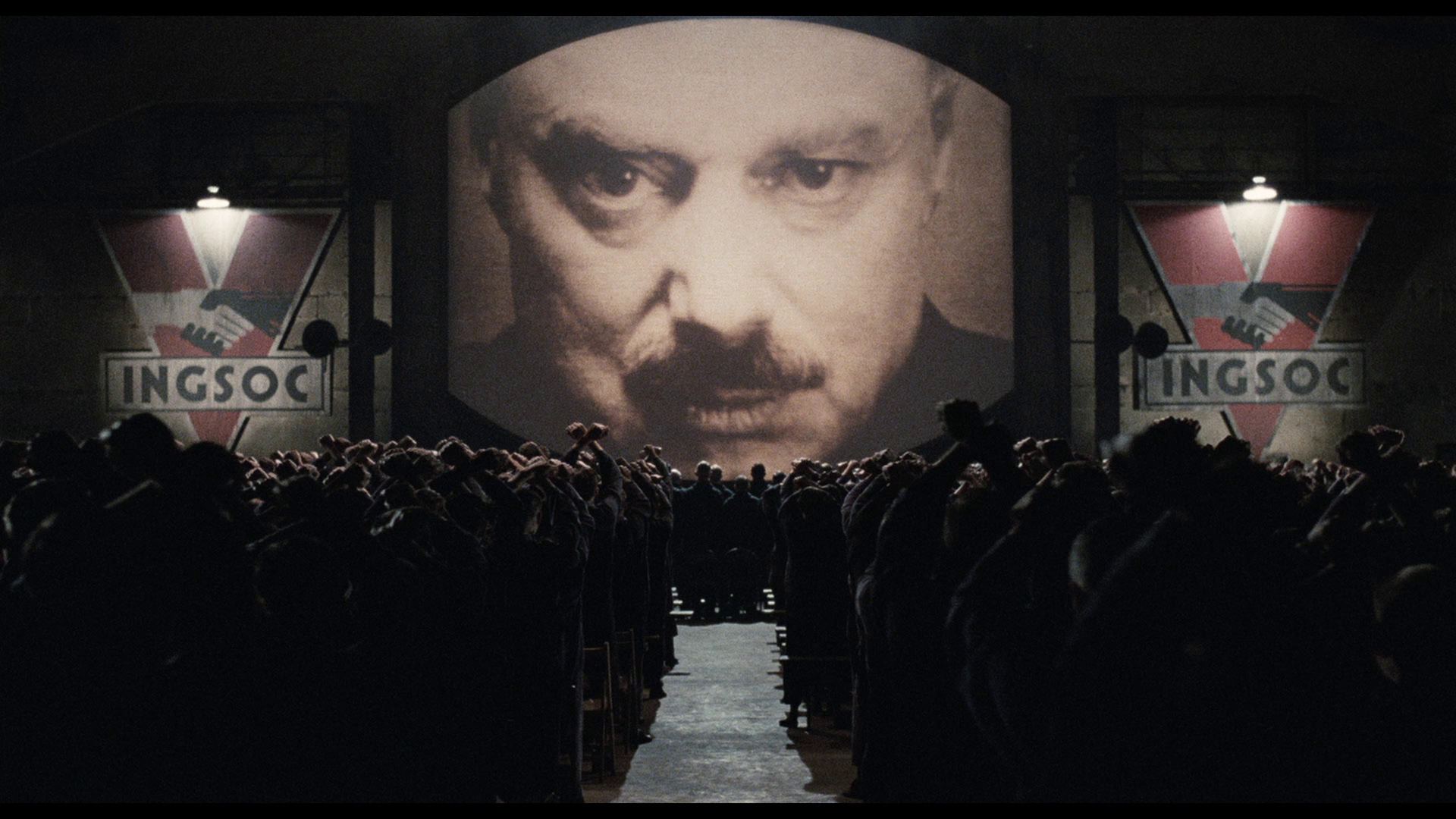
The 1984 film adaptation of George Orwell's classic dystopian novel Nineteen Eighty-Four features a notable cast led by John Hurt as Winston Smith, Richard Burton in his final film role as O'Brien, and Suzanna Hamilton as Julia. Directed by Michael Radford, the production is celebrated for its commitment to visual austerity and the powerful, haunting performances of its principal and supporting actors.
Introduction to Michael Radford’s 1984 Adaptation
Released in late 1984—the exact calendar year in which George Orwell’s dystopian nightmare was famously set—the film adaptation directed by Michael Radford stands as one of the most faithful and atmospheric translations of literature to the screen. Rather than opting for futuristic gloss or stylized science fiction tropes, Radford and his creative team chose a drab, oppressive aesthetic. They shot the film in London during the actual months specified in the book, utilizing muted tones, natural lighting, and stark industrial backdrops to mirror the bleak landscape of Oceania.
At the center of this grim cinematic world is a meticulously chosen cast. Bringing literary archetypes like Winston Smith, O'Brien, and Julia to life required actors who could convey deep psychological weariness, ideological fanaticism, and quiet rebellion without relying on bombastic dialogue. Examining the 1984 film cast reveals a masterclass in casting, blending legendary stage and screen veterans with precise character actors who anchored Orwell's vision in harrowing realism.
Principal Cast Members and Their Iconic Roles
The dramatic weight of Nineteen Eighty-Four rests almost entirely on its three primary characters: Winston Smith, the disillusioned clerk who dares to question the Party; Julia, his rebellious and passionate lover; and O'Brien, the enigmatic Inner Party member who serves as both mentor and torturer. The actors chosen for these roles delivered career-defining performances that continue to define how modern audiences visualize Orwell’s universe.
John Hurt as Winston Smith
John Hurt portrayed Winston Smith, a fragile, middle-aged records clerk trapped in the machinery of a totalitarian state. Hurt was renowned for his ability to portray vulnerable, suffering, and morally complex individuals (having famously starred in The Elephant Man and Alien). In this film, Hurt captured Winston's quiet desperation, intellectual curiosity, and eventual psychological breaking point with heartbreaking precision. His emaciated frame and haunted eyes provided a physical embodiment of a citizen ground down by perpetual surveillance and psychological abuse.
Richard Burton as O'Brien
In his final screen appearance before his death, legendary Welsh actor Richard Burton delivered a chilling, tour-de-force performance as O'Brien. Eschewing caricature, Burton played the Inner Party torturer with calm, intellectual authority and chilling warmth. His portrayal of O'Brien’s interrogation scenes in Room 101—where torture is framed as a form of psychiatric therapy and ideological re-education—remains one of the most unsettling villainous performances in cinematic history. Burton brought profound gravitas to the role, making O'Brien's philosophical arguments for absolute power terrifyingly plausible.
Suzanna Hamilton as Julia
Suzanna Hamilton played Julia, Winston's young, pragmatic, and rebellious partner in the Anti-Sex League who secretly enjoys illicit physical love and black-market luxuries. Hamilton imbued Julia with a stubborn, youthful defiance that contrasted sharply with Winston's more cerebral and melancholic despair. Her performance highlighted the human cost of a society where natural affection and independent thought are categorized as capital offenses.
Supporting Cast and Ensemble Performances
While the central trio drives the narrative, the supporting cast establishes the oppressive social fabric of Oceania. Every background face, minor bureaucrat, and fleeting neighbor contributes to an atmosphere of pervasive paranoia and state-mandated hysteria.
- Cyril Cusack as Mr. Charrington: Cusack played the seemingly benign antique shop owner and secret Thought Police agent. His performance is a masterclass in gradual deceit, shifting seamlessly from a charming, nostalgic purveyor of the past to a cold instrument of state repression.
- Gregor Fisher as Parsons: Fisher portrayed Winston’s aggressively mediocre, hyper-compliant neighbor. Parsons encapsulates the tragedy of the indoctrinated proletariat—a man who proudly reports his own children to the authorities for ideological deviance.
- James Walker as Syme: Walker played Winston's colleague at the Ministry of Truth who is compiling the new Newspeak dictionary. His brief, enthusiastic speeches about the systematic destruction of language capture the totalitarian strategy of narrowing human thought by eliminating forbidden words.
- Phyllida Law as the-woman-in-the-washing-area / Katharine (Winston’s estranged wife): While Katharine appears briefly, her cold, robotic recitation of Party slogans during marital duties highlights the eradication of intimacy.
Cast Comparison and Character Overview
To understand how the principal actors fit into the narrative structure of the film, the following table outlines their character assignments, political affiliations within the story, and narrative significance.
| Actor | Character | Faction / Allegiance | Narrative Significance |
|---|---|---|---|
| John Hurt | Winston Smith | Outer Party (Secret Dissident) | The protagonist; records clerk whose diary and affair spark his downfall. |
| Richard Burton | O'Brien | Inner Party (Thought Police Interrogator) | The antagonist; intellectual mentor who orchestrates Winston’s ideological breaking. |
| Suzanna Hamilton | Julia | Outer Party / Anti-Sex League (Secret Rebel) | Winston's lover; introduces him to tactile rebellion and natural affection. |
| Cyril Cusack | Mr. Charrington | Thought Police (Undercover Agent) | Poses as an ally to entrap Winston and Julia in their sanctuary room. |
| Gregor Fisher | Parsons | Outer Party (Orthodox Zealot) | Represents the brainwashed citizen who embodies unquestioning loyalty to Big Brother. |
Production Background and Casting Challenges
Securing the cast for Nineteen Eighty-Four was an intricate process driven by director Michael Radford's desire for absolute authenticity. The production faced significant logistical and financial hurdles, operating on a modest independent budget. Despite these constraints, the reputation of the source material and the creative team attracted top-tier British acting talent.
Richard Burton’s involvement was particularly monumental. Suffering from failing health during production, Burton brought a haunting, personal intensity to O'Brien. His scenes with John Hurt crackle with psychological tension, made all the more poignant by the knowledge that Burton passed away shortly after filming concluded. The film is officially dedicated to his memory.
Furthermore, the physical transformation demanded of the actors was rigorous. John Hurt underwent significant physical preparation to look malnourished and exhausted, aligning with Orwell's descriptions of life in post-war London under constant rationing and psychological stress.
Frequently Asked Questions
Who played Winston Smith in the 1984 film?
John Hurt played the protagonist Winston Smith. His performance is widely praised for capturing the vulnerability, intellectual dissent, and physical deterioration of a man fighting against an absolute totalitarian regime.
Was Nineteen Eighty-Four Richard Burton’s final film?
Yes. Richard Burton died in August 1984, shortly after principal photography wrapped. His performance as O'Brien is universally recognized as a fittingly powerful capstone to a legendary cinematic career.
How closely does the 1984 film cast match the descriptions in George Orwell’s novel?
The cast aligns remarkably well with the spirit of the book. While Winston Smith is described in the novel as being 39 years old (whereas John Hurt was in his mid-40s during filming), Hurt's gaunt appearance and weary demeanor perfectly captured the character's internal state. Similarly, Richard Burton portrayed O'Brien with an intellectual weight that superseded physical descriptions from the text.
Where was the 1984 film shot?
The film was shot on location in London between April and June 1984. Director Michael Radford insisted on using actual London streets and industrial sites during the exact months specified by Orwell to maintain historical and atmospheric authenticity.
Did the film win any awards for its performances or production?
While the film did not sweep major mainstream Academy Awards (partly due to its bleak subject matter and independent distribution), it received critical acclaim and won awards at the Evening Standard British Film Awards, including Best Film, Best Actor for John Hurt, and Best Technical/Artistic Achievement for cinematographer Roger Deakins.
Conclusion and Legacy
The cast of the 1984 film adaptation of Nineteen Eighty-Four successfully brought one of literature's most enduring warnings to life. Anchored by John Hurt’s fragile defiance, Suzanna Hamilton’s spirited resistance, and Richard Burton’s chilling intellectual dominance, the ensemble created a harrowing portrait of state control. For viewers revisiting the film today, the performances remain a stark, powerful reminder of the fragility of human freedom and the dangers of historical erasure.