The cinema of 1978 marked a pivotal turning point in film history, bridging the gritty, auteur-driven New Hollywood movement of the 1970s with the high-concept blockbuster era that dominated the 1980s. Highlighted by massive pop-culture milestones like Grease and Superman, critical masterpieces such as The Deer Hunter, and low-budget genre revolutions like Halloween, 1978 established foundational templates for modern movie franchises, horror tropes, and studio marketing strategies.
Historical Context: The Cinematic Shift of 1978
By 1978, the American film industry was undergoing a rapid structural and creative evolution. The early to mid-1970s had been dominated by the "New Hollywood" director-driven era—characterized by moral ambiguity, stylistic experimentation, and grounded social realism seen in works by Francis Ford Coppola, Martin Scorsese, and Robert Altman. However, following the monumental commercial successes of Jaws (1975) and Star Wars (1977), major studios began shifting capital toward wide-release, event-driven cinema.
Film production in 1978 reflected this ideological tug-of-war. On one end, studios invested heavily in grand, uplifting, or highly marketable spectacles that appealed to multi-generational audiences. On the other end, filmmakers continued to push emotional and artistic boundaries, tackling the lingering societal trauma of the Vietnam War and urban anxieties.
Furthermore, 1978 served as a proving ground for independent filmmakers. As major studios prioritized large-scale productions, low-budget independent directors demonstrated that micro-budget features could achieve legendary theatrical profitability through targeted distribution and innovative visual storytelling.
Box Office Giants and Pop Culture Phenomena
The top-grossing releases of 1978 demonstrated the immense commercial potential of genre-focused entertainment, soundtrack cross-promotion, and ground-breaking visual effects.
Grease: The Musical Blockbuster Reimagined
Directed by Randal Kleiser and starring John Travolta and Olivia Newton-John, Grease became the highest-grossing film released in 1978 and set a new standard for soundtrack-driven movie promotions. Adapted from the 1971 Broadway musical, the film captured nostalgia for 1950s youth culture while delivering vibrant choreography and chart-topping original pop songs written specifically for the screen.
The marketing of Grease established a blueprint for media synergy. Radio singles were released months ahead of the film's theatrical debut, driving millions of moviegoers to theaters. The soundtrack album spent weeks atop international music charts, proving that film music could function simultaneously as a promotional engine and a primary revenue stream.
Superman: The Movie: Crafting the Modern Superhero Archetype
Richard Donner’s Superman: The Movie, starring Christopher Reeve as the titular hero alongside Marlon Brando and Gene Hackman, established the cinematic formula for comic book adaptations. Operating under the famous tagline "You'll believe a man can fly," the production relied on pioneering front-projection optical techniques and practical mechanical effects to create convincing aerial sequences.
Beyond technical achievements, Superman demonstrated how comic book material could be treated with narrative seriousness, emotional warmth, and epic scale. Christopher Reeve’s dual performance as Clark Kent and Superman set an enduring gold standard for hero characterization, laying the structural foundations for the multi-billion-dollar superhero film genre that followed decades later.
National Lampoon’s Animal House: Redefining Ensembles and R-Rated Comedy
Directed by John Landis and featuring a star-making performance by John Belushi, National Lampoon’s Animal House transformed theatrical comedy. Produced on a modest budget, the film introduced a chaotic, irreverent style of ensemble comedy that resonated powerfully with younger audiences. Its massive box office performance proved that R-rated, sub-culture comedies could compete directly with mainstream studio blockbusters.
Jaws 2: The Era of the High-Stakes Studio Sequel
Following the culture-shifting impact of Steven Spielberg’s 1975 original, Jaws 2 (directed by Jeannot Szwarc) represented an early test case for major studio franchise expansion. While it lacked Spielberg at the helm, the film delivered substantial box office returns and popularized one of the most famous taglines in marketing history: "Just when you thought it was safe to go back in the water..." Its success signaled to Hollywood executives that audiences were eager to revisit intellectual property on a recurring basis.
Critical Masterpieces and Vietnam War Cinema
While blockbusters captured headlines, 1978 was also a landmark year for dramatic filmmaking. Most notably, it marked the first time Hollywood directly confronted the psychological trauma and home-front reality of the Vietnam War on a broad, prestigious scale.
- 1978 Cinematic Landscape
- Pop Spectacles & Blockbusters (Grease, Superman)
- Vietnam War Dramas (The Deer Hunter, Coming Home)
- Low-Budget Genre Innovators (Halloween, Dawn of the Dead)
The Deer Hunter: Psychological Realism and Oscar Dominance
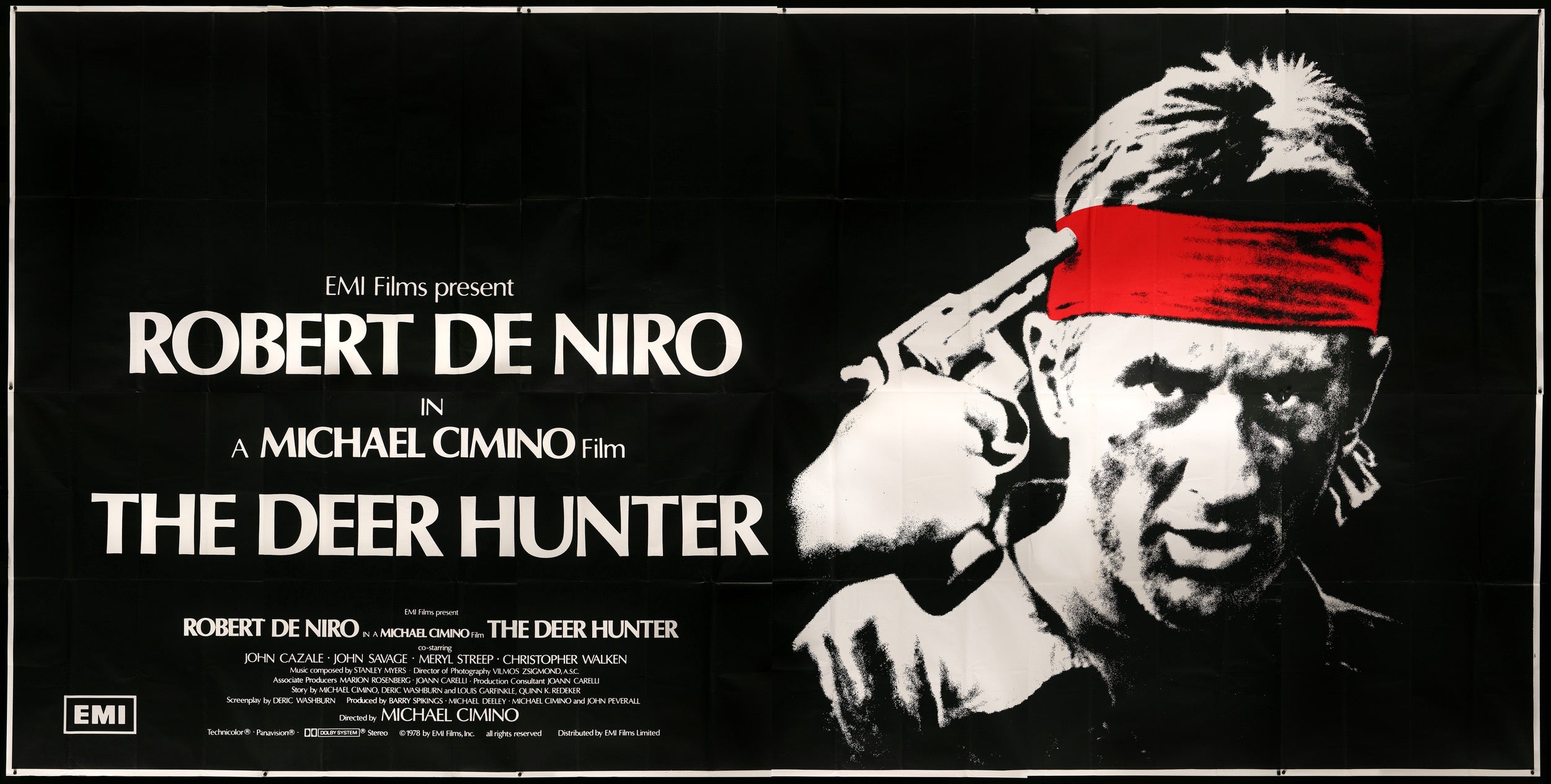
Michael Cimino’s The Deer Hunter delivered a harrowing, three-act exploration of working-class steelworkers from Pennsylvania before, during, and after their service in the Vietnam War. Featuring legendary performances from Robert De Niro, Christopher Walken, and Meryl Streep, the film used raw emotional intensity and symbolic set-pieces to convey the devastating impact of war on individual psyches and small-town communities.
At the 51st Academy Awards, The Deer Hunter achieved critical validation by winning five Oscars, including Best Picture, Best Director for Cimino, and Best Supporting Actor for Walken. Its success demonstrated that mature, uncompromising political and psychological dramas could attain both critical prestige and commercial profitability.
Coming Home: The Domestic Trauma of Conflict
Hal Ashby’s Coming Home offered a complementary narrative to The Deer Hunter, focusing entirely on the domestic front and the rehabilitation of wounded veterans. Starring Jane Fonda and Jon Voight, the film tackled complex themes of disability, anti-war activism, and romantic rekindling during wartime. Both Fonda and Voight earned Academy Awards for their lead performances, reinforcing 1978 as a cathartic moment of artistic processing for post-Vietnam America.
Midnight Express and Heaven Can Wait
Other major critical contenders in 1978 highlighted the stylistic diversity of dramatic studio features:
- Midnight Express: Directed by Alan Parker with an Oscar-winning screenplay by Oliver Stone and an iconic electronic score by Giorgio Moroder, this visceral prison-break drama captivated audiences with its intense pacing and stylistic grit.
- Heaven Can Wait: Co-directed by Warren Beatty and Buck Henry, this fantasy-romantic comedy received nine Academy Award nominations, proving that classic Hollywood studio charm could still thrive alongside darker modern themes.
Genre Revolutions: Horror and Independent Cinema
Perhaps no area of 1978 cinema had a longer-lasting mechanical influence on filmmaking than the horror and suspense genres. Low-budget directors leveraged tight framing, practical special effects, and inventive synth scores to create enduring pop-culture mythology.
Halloween: The Slasher Blueprint
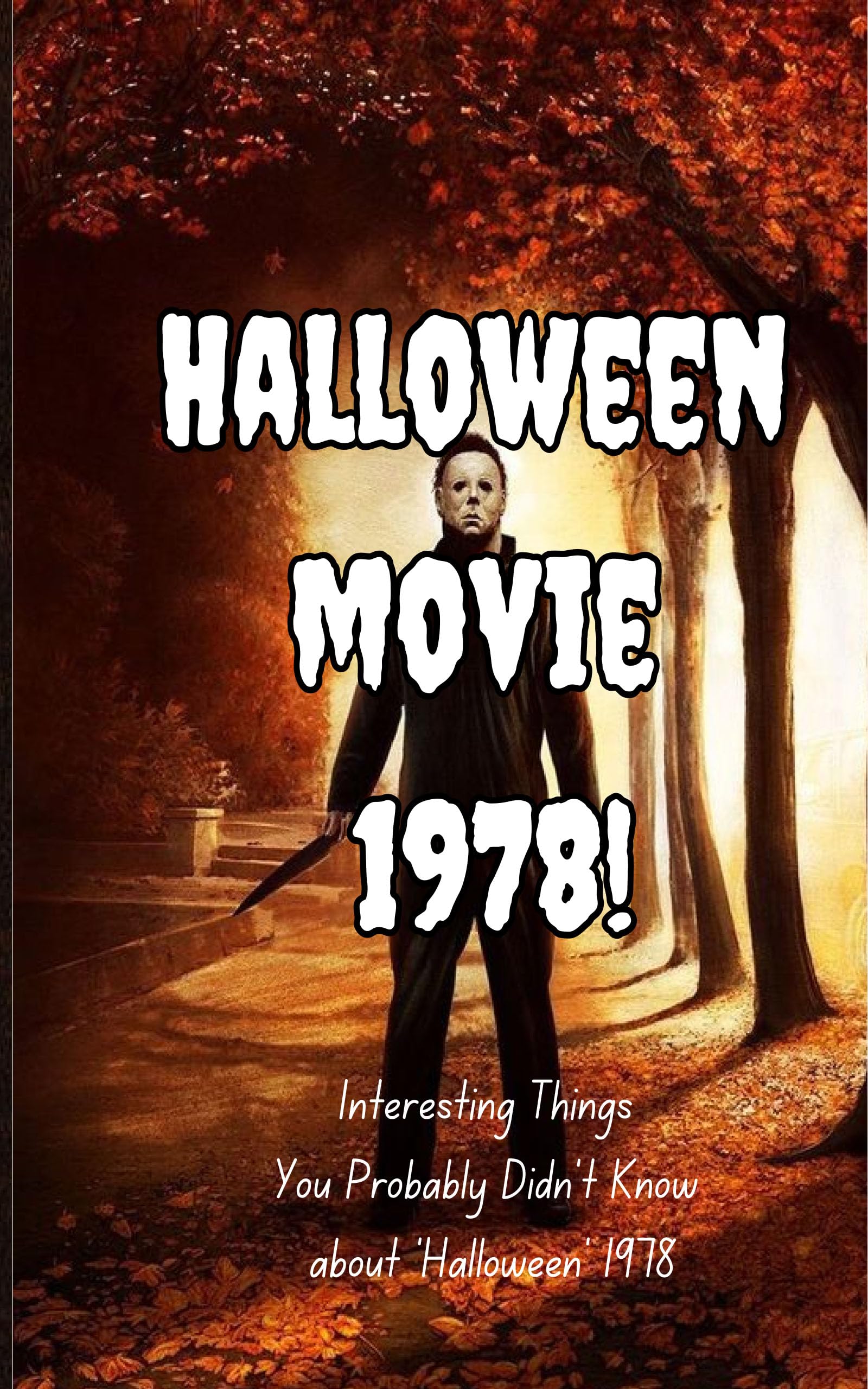
John Carpenter’s Halloween, produced for approximately $300,000, became one of the most profitable independent films ever made, grossing over $70 million worldwide. Starring Jamie Lee Curtis in her feature film debut, the movie introduced audience-perspective steadicam shots, a minimalist synthesizer score, and the implacable killer character Michael Myers (The Shape).
Halloween established the structural rules of the modern slasher subgenre:
- A localized, suburban setting disrupted by an enigmatic, evil force.
- The "Final Girl" archetype—a resourceful, resilient protagonist who survives the night.
- Pacing built on tension and atmospheric dread rather than explicit graphic gore.
Dawn of the Dead: Zombie Horror as Consumer Critique
George A. Romero’s Dawn of the Dead expanded upon the claustrophobic horror of his 1968 classic Night of the Living Dead. Set primarily inside an enclosed shopping mall overrun by zombies, the film combined groundbreaking practical gore effects by Tom Savini with sharp social satire targeting American consumer culture. It remains a foundational text in apocalyptic horror cinema.
Sci-Fi Horror and Paranoia: Invasion of the Body Snatchers
Philip Kaufman’s remake of Invasion of the Body Snatchers proved that modern visual direction and psychological sound design could elevate classic science fiction concepts. Starring Donald Sutherland, Brooke Adams, and Jeff Goldblum, the film captured late-1970s paranoia through unsettling urban cinematography and one of the most memorable final scenes in horror history.
Comprehensive Film Comparison: Key Releases of 1978
The following table summarizes the defining releases of 1978 across box office performance, critical recognition, and primary artistic contributions to film history:
| Film Title | Primary Director | Key Cast | Primary Genre | Cultural & Industry Impact |
|---|---|---|---|---|
| Grease | Randal Kleiser | John Travolta, Olivia Newton-John | Musical / Romance | Top-grossing 1978 film; established modern cross-promotional soundtrack marketing. |
| Superman: The Movie | Richard Donner | Christopher Reeve, Marlon Brando | Superhero / Sci-Fi | Set the visual and structural standard for high-budget comic book adaptations. |
| The Deer Hunter | Michael Cimino | Robert De Niro, Christopher Walken | War Drama | Won 5 Academy Awards including Best Picture; defined post-Vietnam dramatic cinema. |
| Halloween | John Carpenter | Jamie Lee Curtis, Donald Pleasence | Horror / Slasher | Pioneered independent horror production, steadicam use, and slasher tropes. |
| National Lampoon's Animal House | John Landis | John Belushi, Tim Matheson | Comedy | Launched the modern R-rated college comedy genre and ensemble character model. |
| Coming Home | Hal Ashby | Jane Fonda, Jon Voight | Drama / Romance | Earned Lead Actor/Actress Oscars; explored veteran rehabilitation and domestic protest. |
| Dawn of the Dead | George A. Romero | David Emge, Ken Foree | Horror / Satire | Merged explicit practical horror effects with biting critique of modern consumerism. |
| Midnight Express | Alan Parker | Brad Davis, John Hurt | Crime / Drama | Won Oscars for Adapted Screenplay and Original Score; iconic electronic soundtrack. |
| Invasion of the Body Snatchers | Philip Kaufman | Donald Sutherland, Brooke Adams | Sci-Fi Horror | Masterclass in sound design, paranoia cinematography, and high-quality horror remakes. |
Technical Innovation and Cinematic Aesthetics in 1978
Beyond narrative trends, 1978 brought key technological advances to cinema that altered how films were shot, scored, and exhibited:
Camera Stabilization and Visual Framing
The widespread adoption of camera stabilization systems (such as the Panaglide and Steadicam) allowed filmmakers in 1978 to move fluidly through complex sets without heavy dolly tracks. In Halloween, Carpenter utilized long, uninterrupted point-of-view tracking shots to build suspense. Similarly, in Superman, smooth camera movements were coordinated with front-projection rigs to give actors the appearance of weightless flight.
Synthesizer Scores and Sound Design
Music composition underwent a structural shift in 1978. While traditional orchestral scoring remained vital—evident in John Williams' iconic fanfares for Superman—electronic synthesizers gained mainstream acceptance. John Carpenter’s self-composed score for Halloween and Giorgio Moroder’s electronic composition for Midnight Express (which won the Academy Award for Best Original Score) demonstrated that synthesized musical themes could evoke intense visceral reactions at a fraction of traditional orchestral production costs.
Optical Effects and Composite Photography
Before digital visual effects existed, 1978 represented a high point in analog optical effects. Productions relied heavily on matte paintings, miniature models, rotoscoping, and multi-pass optical printing. Superman: The Movie pushed composite photography to its limits, employing customized zoom lenses linked to optical printers so that live actors could seamlessly blend with background plates.
How to Experience and Study 1978 Films Today
For film historians, students, and cinephiles looking to explore 1978 cinema, modern archival restorations provide unprecedented access to original optical photography and theatrical audio mixes.
Preservation and 4K Digital Transfers
Many key releases from 1978 have undergone comprehensive frame-by-frame restorations from original camera negatives (OCN):
- Criterion Collection & Boutique Labels: Releases like Days of Heaven (directed by Terrence Malick in 1978, celebrated for its natural-light cinematography by Néstor Almendros) and Dawn of the Dead are available in high-bitrate 4K UHD transfers that preserve natural film grain and color dynamics.
- Audio Preservation: Modern home releases frequently include both remastered Dolby Atmos sound mixes and preserved original mono or stereo theatrical tracks, allowing viewers to experience films as they originally sounded in 1978 auditoriums.
Recommended Viewing Sequences by Theme
To analyze the narrative range of 1978 cinema, consider structuring viewings by stylistic sub-categories:
- The Blockbuster Evolution: Pair Grease with Superman: The Movie to study how late-70s studios crafted multi-generational appeal and cross-media marketing.
- Post-Vietnam Social Dramas: Watch The Deer Hunter alongside Coming Home to contrast active-combat psychological trauma with home-front re-adaptation.
- Low-Budget Horror Mastery: Compare Halloween and Dawn of the Dead to evaluate how independent directors maximized limited physical resources through framing, editing, and thematic subtext.
Frequently Asked Questions About 1978 Films
Which film won Best Picture at the Academy Awards for 1978 releases?
The Deer Hunter, directed by Michael Cimino, won the Academy Award for Best Picture at the 51st Academy Awards ceremony held in April 1979. The film also won four additional Oscars: Best Director (Michael Cimino), Best Supporting Actor (Christopher Walken), Best Sound, and Best Film Editing.
What was the highest-grossing film released in 1978?
Grease, directed by Randal Kleiser and starring John Travolta and Olivia Newton-John, was the highest-grossing film released in 1978. It earned over $180 million domestically during its original run and produced a multi-platinum soundtrack that topped international music charts.
Why is 1978 considered an important year for the horror genre?
1978 transformed horror through the release of John Carpenter’s Halloween and George A. Romero’s Dawn of the Dead. Halloween established the commercial model and stylistic tropes of the slasher subgenre, while Dawn of the Dead proved that horror could combine graphic special effects with biting social satire. Both films demonstrated that micro-budget independent horror could achieve blockbuster-level profitability.
What special effects innovations were introduced by Superman: The Movie (1978)?
Superman: The Movie pioneered specialized front-projection systems and customized optical zoom equipment. By synchronizing camera zooms on live-action performers with background projection plates, optical technicians created realistic flying effects without visible matte lines, coining the iconic tagline "You'll believe a man can fly."
How did film soundtracks change in 1978?
1978 solidified the film soundtrack as a major commercial asset. The success of Grease proved that pop and rock singles could be marketed months prior to a film's release to drive box office sales. Simultaneously, electronic synthesizer scores won critical respect, highlighted by Giorgio Moroder earning an Academy Award for his electronic score for Midnight Express.
Final Takeaway: The Lasting Legacy of 1978 Cinema
The cinema of 1978 remains a cornerstone of film history because it brought together artistic risk and commercial reinvention. By establishing templates for superhero origin stories, slasher horror franchises, soundtrack-driven marketing, and serious cinematic reflections on national trauma, 1978 provided the structural foundation upon which modern movie culture built its contemporary blockbusters and independent distribution networks.
To explore 1978 films effectively today, seek out uncompressed 4K restorations that preserve original cinematic grain and native theatrical sound mixes, providing an authentic window into a foundational year of global film history.