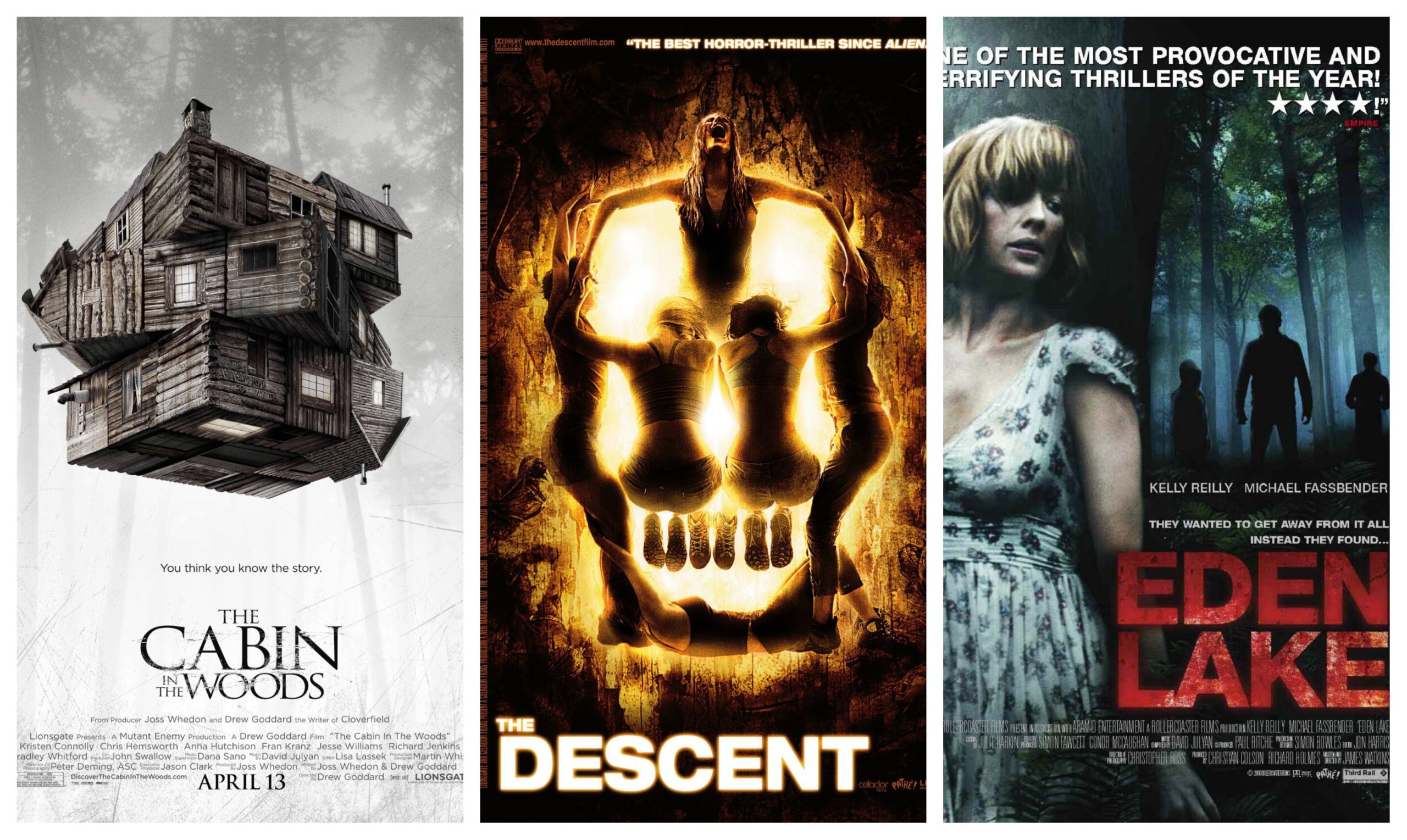
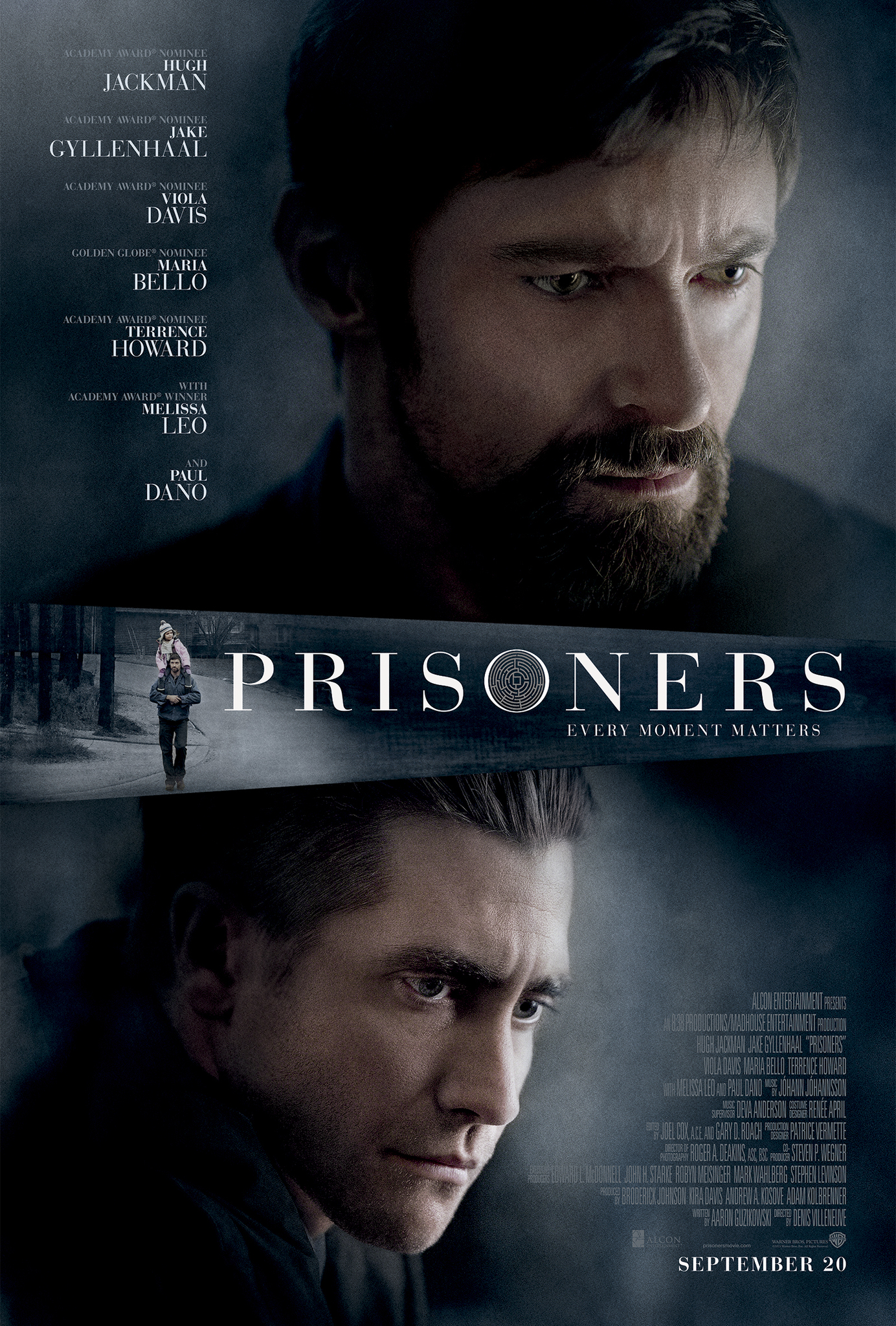
Thriller movies are a broad cinematic category designed to evoke intense excitement, suspense, and high-level anticipation in the viewer. Unlike other genres that focus on laughter or tears, the thriller leverages a "ticking clock" narrative structure and high stakes to keep audiences in a state of constant tension, often revolving around a protagonist’s efforts to thwart a dangerous antagonist or uncover a life-altering truth.
As we navigate the cinematic landscape of 2026, the thriller genre continues to be a cornerstone of both theatrical releases and streaming platforms. While the medium has evolved from the silent suspense of the early 20th century to the high-tech psychological deep-dives of today, the core mechanics of the thriller remain rooted in the psychological manipulation of the audience. To truly understand thriller movies, one must look beyond the surface-level scares and examine the intricate craftsmanship of pacing, character vulnerability, and the ever-present shadow of the unknown.
The Core Anatomy of a Thriller
What separates a thriller from a standard drama or an action film is the presence of sustained suspense. In the mid-20th century, Alfred Hitchcock, often cited as the "Master of Suspense," famously distinguished between "surprise" and "suspense." Surprise is a bomb going off under a table that the audience didn't know was there. Suspense is the audience seeing the bomb, knowing it is set to explode in five minutes, and watching the characters talk obliviously.
The Element of the Ticking Clock
In the 2026 film environment, the "ticking clock" remains the most effective tool in a director’s arsenal. This device imposes a temporal limit on the protagonist. Whether it is a literal countdown on a nuclear device or a metaphorical deadline—such as a hostage situation or the rapid onset of a virus—the ticking clock forces characters into high-pressure decisions, which in turn drives the audience's heart rate higher.
High Stakes and Personal Vulnerability
For a thriller to be effective, the stakes must be tangible. These stakes are often categorized into two types:
- Global/Macroscopic Stakes: Saving a city, preventing a war, or stopping a technological collapse.
- Personal/Microscopic Stakes: Protecting a family member, proving one's own sanity, or escaping a stalker.
The most successful thrillers, such as those analyzed by the American Film Institute, often blend these two. When the protagonist has something personal to lose while also facing a larger external threat, the audience's emotional investment doubles.
Distinguishing Thrillers from Neighboring Genres
A common point of confusion for casual viewers is the overlap between thrillers, horror movies, and mysteries. While they often share DNA, their primary objectives differ significantly.
- Thriller vs. Mystery: A mystery is typically "retrospective." It asks "Who did it?" and focuses on piecing together past events. A thriller is "prospective." It asks "What will happen next?" and focuses on the immediate danger facing the hero.
- Thriller vs. Horror: Horror aims to elicit fear, disgust, or dread, often through supernatural or grotesque means. Thrillers aim to elicit anxiety and excitement. While a "slasher" film is horror, a "psychological cat-and-mouse" game between a killer and a detective is a thriller.
- Thriller vs. Action: Action movies prioritize spectacle, choreography, and physical prowess. Thrillers prioritize the psychological state of the characters and the mounting tension of the plot. An action movie might have a car chase for the sake of the stunt; a thriller has a car chase because the protagonist is being hunted.
The Evolution of Thriller Subgenres
By 2026, the thriller genre has fractured into several highly specialized subgenres, each catering to different psychological fears and interests.
Psychological Thrillers
These films focus on the mental and emotional states of the characters. They often feature unreliable narrators, gaslighting, and mind games. The tension comes not from physical threats, but from the question of what is real. Masterpieces in this category, such as Memento or Shutter Island, challenge the viewer’s perception as much as the protagonist’s.
Crime and Neo-Noir Thrillers
Crime thrillers focus on the mechanics of illegal acts—heists, assassinations, or police procedurals. Neo-noir adds a layer of moral ambiguity, typically featuring cynical protagonists and dark, atmospheric visual styles. Directors like David Fincher have defined this space with films that emphasize the meticulous, often grueling nature of criminal investigation.
Techno-Thrillers and Cyber-Suspense
Reflecting the anxieties of 2026, the techno-thriller has seen a massive resurgence. These stories revolve around the dangers of artificial intelligence, data privacy, and global connectivity. The "monster" in these films is often an algorithm or a faceless hacker, making the threat feel pervasive and inescapable in our modern world.
Political and Legal Thrillers
These films explore the corruption within systems of power. Whether it is a lawyer discovering a corporate cover-up or a whistleblower running from government agents, the tension is derived from the "David vs. Goliath" dynamic. The British Film Institute provides extensive archives on how this subgenre evolved from the Cold War era into the modern day.
Technical Elements: How Thrillers Manipulate the Viewer
The effectiveness of a thriller is often determined in the editing room and the sound booth. Technical precision is required to maintain tension for two hours without exhausting the audience.
The Role of Sound Design
Sound is perhaps the most critical component of a thriller. Low-frequency "drone" sounds (infrasound) can induce physical feelings of anxiety in an audience even if they aren't consciously aware of the noise. Conversely, the sudden absence of sound—total silence—can be equally jarring, signaling that something is about to happen.
Cinematography and Perspective
Thrillers frequently use "tight" framing (close-ups) to create a sense of claustrophobia. By limiting the viewer's field of vision, the director keeps the threat "off-screen," forcing the audience to imagine what might be lurking just outside the frame. The use of "point-of-view" (POV) shots is also common, placing the audience directly in the shoes of either the victim or the predator.
Comparative Analysis of Thriller Subgenres
To help viewers choose the right experience, the following table compares the primary characteristics of the most popular thriller subgenres available in 2026.
| Subgenre | Primary Source of Tension | Protagonist Type | Iconic Example |
|---|---|---|---|
| Psychological | Mental Instability / Deception | Unreliable or Traumatized | Gone Girl |
| Crime | The "Big Score" or Capture | Detective or Criminal | Heat |
| Political | Institutional Conspiracy | Whistleblower or Journalist | All the President's Men |
| Techno-Thriller | Technological Misuse / AI | Expert or Everyman | The Conversation |
| Spy (Espionage) | Global Sabotage / Identity | Secret Agent | The Bourne Identity |
| Supernatural | Paranormal Influence | Skeptic or Victim | The Sixth Sense |
Global Influence: Beyond Hollywood
In 2026, the most innovative thrillers are often found in international cinema. South Korea, in particular, has become a powerhouse for "revenge thrillers" and social-commentary suspense, characterized by films like Oldboy and Parasite. These movies often blend genres, moving seamlessly from dark comedy to gut-wrenching tension, a style that has heavily influenced contemporary Western directors.
Nordic Noir is another significant contributor, offering bleak, atmospheric thrillers that utilize the harsh Scandinavian landscape to mirror the internal coldness of their characters. These international perspectives have forced the genre to move away from predictable tropes and toward more complex, culturally specific narratives.
How to Analyze a Thriller: A Viewer’s Checklist
For those who want to move from passive viewing to active analysis, consider these four questions during your next thriller:
- Who has the information? Suspense is created by information disparity. Does the audience know something the character doesn't? Or is the character hiding something from us?
- What is the "MacGuffin"? This term, popularized by Hitchcock, refers to the object or goal that the characters are chasing (e.g., a briefcase, a secret formula). Often, the MacGuffin itself is less important than the chase it inspires.
- How is the environment used? Is the setting a "locked room" (enclosed space) or an "open-air nightmare" (being hunted in the vast wilderness)?
- Is the resolution earned? A great thriller provides clues throughout the film so that the ending, while surprising, feels inevitable in hindsight.
Common Mistakes in Modern Thriller Filmmaking
Not all thrillers succeed. Many fall into traps that break the immersion of the audience. The most common error is the over-reliance on "jump scares." While effective in horror, a jump scare in a thriller can feel cheap if it doesn't serve the plot. Another issue is the "Deus Ex Machina," where a protagonist is saved by an improbable outside force or a sudden stroke of luck rather than their own agency. Finally, over-explaining the plot (too much exposition) can kill the mystery and tension that the first two acts worked so hard to build.
FAQs About Thriller Movies
What is the difference between a thriller and a slasher movie?
A slasher movie is a subgenre of horror that focuses on a group of people being killed off one by one, usually by a masked assailant, emphasizing gore and shock. A thriller focuses on the psychological tension and the protagonist’s attempts to outsmart the threat. While a slasher can have thriller elements, its primary goal is to scare and disgust, whereas a thriller seeks to tensely engage the mind.
Why do people enjoy the stress of watching thrillers?
Psychologically, thrillers provide a "safe" way to experience high-stress situations. The "excitation transfer" theory suggests that the physiological arousal (increased heart rate, adrenaline) created during the movie is converted into a sense of intense relief and pleasure once the tension is resolved during the climax.
Can a movie be both a thriller and a comedy?
Yes, this is known as a "Comedy-Thriller." These films, such as Knives Out or Game Night, use humor to break the tension, making the subsequent moments of danger even more unexpected. The challenge for these films is balancing the tone so that the stakes still feel real despite the comedic elements.
Are there "family-friendly" thrillers?
While most thrillers deal with mature themes, there are "adventure-thrillers" or "survival-thrillers" rated for younger audiences. These typically focus on environmental hazards or high-stakes competitions without the graphic violence or extreme psychological trauma found in R-rated entries. Examples include films centered on escaping a wilderness or solving a high-stakes puzzle.
What is an "Unreliable Narrator" in a thriller?
An unreliable narrator is a character whose telling of the story is not accurate due to their mental state, personal bias, or intentional deception. This is a staple of psychological thrillers. It forces the audience to question everything they see on screen, turning the act of watching the movie into a puzzle itself.
How has streaming changed the thriller genre in 2026?
Streaming has allowed for the rise of the "limited series thriller," which provides 6-8 hours of content. This format allows for much deeper character development and more complex, sprawling plots than a traditional two-hour movie. However, feature-length thrillers remain popular for their ability to provide a concentrated, high-intensity experience that is best consumed in a single sitting.
Final Recommendations for Enthusiasts
To master the thriller genre, one should start with the foundational classics of the 1940s and 50s to understand the mechanics of suspense, then move into the gritty, experimental thrillers of the 1970s. By the time you reach the sophisticated, tech-driven thrillers of 2026, you will have a deep appreciation for the craft involved.
If you are looking for your next watch, determine whether you want to be intellectually challenged (Psychological), morally conflicted (Neo-Noir), or simply kept on the edge of your seat (Action-Thriller). The beauty of the genre lies in its versatility—there is a thriller for every type of fear and every level of curiosity.