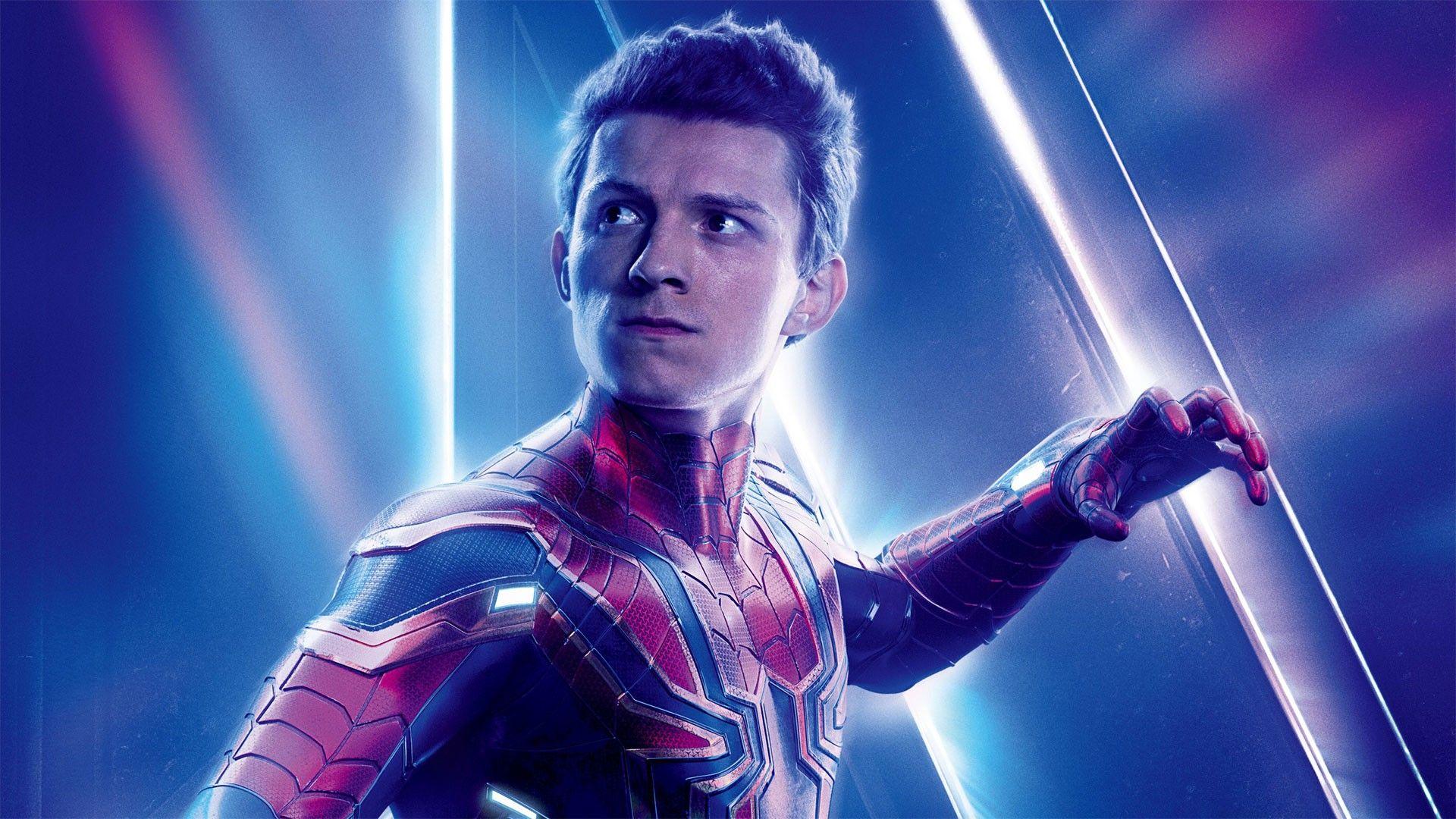
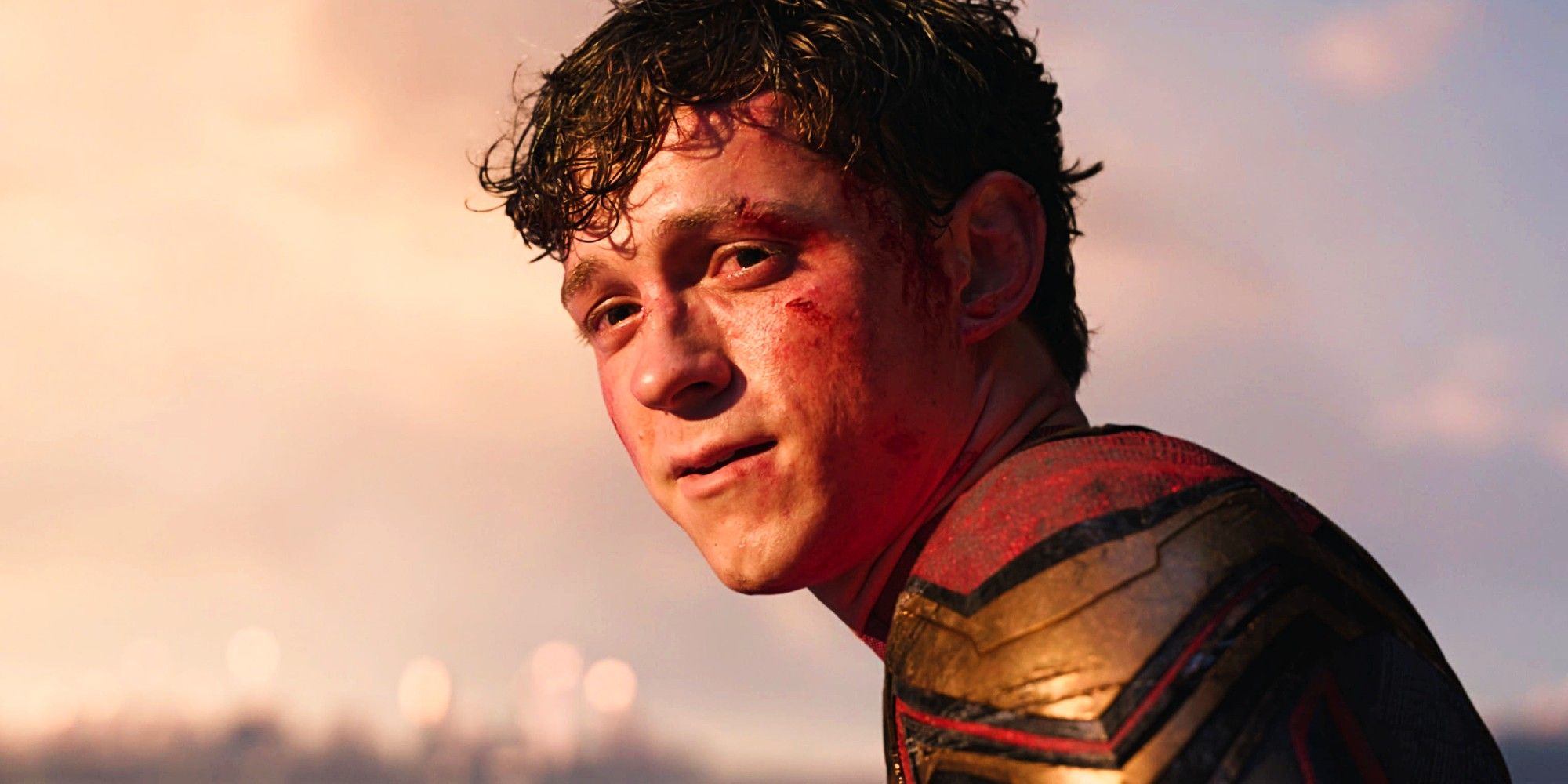
Tom Holland’s portrayal of Peter Parker has redefined Spider-Man for a new generation, successfully integrating the character into the Marvel Cinematic Universe (MCU) while maintaining the emotional core of the "friendly neighborhood" hero. As of 2026, Holland remains a central figure in superhero cinema, bridging the gap between Sony Pictures’ Spider-Verse and Marvel Studios’ sprawling narrative.
The Casting of a Modern Icon: Finding the MCU’s Peter Parker
The journey of Tom Holland as Spider-Man began with a unique challenge: how to reboot a character who had already seen two major cinematic iterations within a decade. Following the conclusion of Andrew Garfield’s tenure in The Amazing Spider-Man 2, Sony Pictures and Marvel Studios reached a historic agreement in 2015 to allow Spider-Man to appear in the MCU. This required a lead who could portray a genuine teenager, contrasting with the older versions played by Tobey Maguire and Garfield.
Tom Holland, then a rising star known for his work in the stage production of Billy Elliot and the film The Impossible, stood out during the audition process. His background in gymnastics and dance allowed him to perform backflips during screen tests, demonstrating a physical capability that matched the character's agility. Holland’s chemistry with Robert Downey Jr. (Tony Stark) during auditions was the deciding factor, establishing a mentor-mentee relationship that would become the emotional backbone of his first few appearances.
Holland made his debut in Captain America: Civil War (2016). Despite limited screen time, his version of Peter Parker was immediately distinguished by his youthful exuberance, nervous energy, and the fact that he was visibly outmatched yet undeterred by seasoned heroes. This appearance set the stage for a trilogy that would focus on the "coming-of-age" aspect of the character more deeply than previous films.
The "Home" Trilogy: A Cinematic Arc of Growth
The core of Tom Holland’s Spider-Man legacy is the "Home" trilogy, directed by Jon Watts. Each film represents a distinct stage in Peter Parker’s journey from a star-struck student to a battle-hardened hero who understands the weight of his responsibilities.
Spider-Man: Homecoming (2017)
In his first solo outing, Peter Parker deals with the mundane frustrations of high school life while trying to prove himself to Tony Stark. The film intentionally avoided the well-trodden origin story of the spider bite and the death of Uncle Ben. Instead, it focused on Peter’s desire to join the Avengers and his realization that being a hero isn't about the suit or the prestige. The conflict with Adrian Toomes (The Vulture), played by Michael Keaton, grounded the stakes, making the threat personal rather than world-ending.
Spider-Man: Far From Home (2019)
Set in the immediate aftermath of Avengers: Endgame, this film explored Peter’s grief following the death of Tony Stark. On a school trip to Europe, Peter is thrust into a global conflict by Quentin Beck (Mysterio). The film’s narrative focuses on Peter’s struggle to step out of Iron Man’s shadow and the dangers of technology falling into the wrong hands. The ending, featuring the public reveal of Peter’s identity by J. Jonah Jameson, served as a massive cliffhanger that pivoted the franchise toward its most ambitious entry.
Spider-Man: No Way Home (2021)
No Way Home was a cultural phenomenon that utilized the concept of the Multiverse to bring back villains and heroes from previous Spider-Man franchises. Peter’s attempt to restore his anonymity through a spell cast by Doctor Strange goes awry, drawing in characters like Green Goblin (Willem Dafoe) and Doc Ock (Alfred Molina). The film served as a "soft reboot" for the character; by the end, the world has forgotten Peter Parker exists, his mentors are gone, and he is left with a homemade suit and a small apartment, finally becoming the traditional, isolated version of Spider-Man known from the comics.
Comparing the Holland Era: Key Stats and Milestones
To understand the scale of Tom Holland's impact, it is helpful to look at the progression of his solo films and his role within the broader MCU.
| Feature | Spider-Man: Homecoming | Spider-Man: Far From Home | Spider-Man: No Way Home |
|---|---|---|---|
| Release Year | 2017 | 2019 | 2021 |
| Primary Antagonist | The Vulture | Mysterio | The Sinister Five (Green Goblin et al.) |
| Box Office (Global) | ~$880 Million | ~$1.13 Billion | ~$1.92 Billion |
| Core Theme | Earnestness and Identity | Grief and Responsibility | Sacrifice and Consequences |
| Mentorship Figure | Tony Stark | Nick Fury (Talos) / Happy Hogan | Doctor Strange / Previous Spider-Men |
| Rotten Tomatoes Score | 92% | 90% | 93% |
Technical Depth: Physicality and Suit Evolution
One of the defining technical aspects of Tom Holland’s Spider-Man is the integration of practical stunts with cutting-edge CGI. Holland’s background as a gymnast meant that he could perform a significant portion of the character’s movement himself, providing a sense of weight and realism to the action sequences. This was particularly evident in the "Washington Monument" sequence in Homecoming, where the frantic, amateur nature of Peter’s climbing was conveyed through Holland's physical performance.
The evolution of the Spider-Man suits in the Holland era also reflects his character arc. He began with the "Stark Suit," a high-tech garment equipped with an AI (Karen) and hundreds of web-shooter combinations. This was followed by the "Iron Spider" armor used in Infinity War and Endgame, and the "Upgraded Suit" he designed himself using Stark tech in Far From Home. However, the final scene of No Way Home features Peter sewing his own suit—a classic red-and-blue spandex design—symbolizing his return to basics and his independence from billionaire-funded technology.
The Sony-Marvel Partnership and the Future in 2026
The existence of Tom Holland’s Spider-Man is a testament to complex corporate diplomacy. In 2019, the partnership between Sony Pictures and Disney briefly collapsed, threatening to remove Spider-Man from the MCU entirely. Fans and even Holland himself campaigned for a resolution, which eventually led to a new deal that allowed for No Way Home and future appearances.
As of 2026, the landscape of Spider-Man has shifted. Following the massive success of the "Home" trilogy, discussions regarding a fourth solo film have been a mainstay of industry reporting. The current focus for the character involves navigating a world where he has no social safety net. Rumors and official hints suggest a more "street-level" approach for the next chapter, potentially involving collaborations with other New York-based heroes like Daredevil.
Furthermore, the expansion of the Sony Spider-Man Universe (SSU)—including characters like Venom and Kraven the Hunter—continues to raise questions about when Holland’s Peter Parker will cross paths with these anti-heroes. The 2026 status quo suggests that while Holland is still the definitive Spider-Man, the franchise is preparing to introduce or elevate Miles Morales, a move Holland has publicly supported as a way to ensure the character's longevity.
Key Themes: Responsibility Beyond the Superpowers
The enduring appeal of Tom Holland’s Spider-Man lies in his relatability. Unlike the god-like Thor or the billionaire Tony Stark, Peter Parker struggles with problems that resonate with the audience: homework, unrequited love, paying rent, and the guilt of letting people down.
Holland’s performance captures the "Parker Luck"—the idea that even when he wins as Spider-Man, he often loses as Peter Parker. This is most poignantly illustrated in No Way Home, where he chooses to let the world forget him to save the Multiverse, effectively erasing his relationships with MJ (Zendaya) and Ned (Jacob Batalon). This sacrifice completes his transformation into the hero Peter Parker was always meant to be: one who understands that "with great power, there must also come great responsibility."
Common Pitfalls in Understanding the Holland Spider-Man
When analyzing this iteration of the character, fans and critics often encounter a few misconceptions:
- The "Iron Boy Jr." Critique: Early on, some critics felt Holland’s Peter was too dependent on Tony Stark. However, looking at the full arc through 2021, it is clear that this was a deliberate narrative choice to show him eventually rejecting that crutch.
- The Age Factor: Because Holland looks youthful, there is a tendency to forget that by 2026, the character has survived a "blip" (five-year disappearance), fought in space, and saved the Multiverse. He is technically one of the most experienced heroes in the MCU.
- Multiversal Confusion: While Holland appeared alongside Maguire and Garfield, he is a distinct entity. His Peter Parker exists in Earth-199999 (the MCU), while the others belong to their respective universes.
Frequently Asked Questions
Is Tom Holland still playing Spider-Man in 2026?
Yes, as of 2026, Tom Holland remains the actor officially cast as Peter Parker/Spider-Man for the MCU and Sony collaborations. While he has taken breaks from acting to focus on personal projects, he has consistently expressed interest in returning to the role provided the script maintains the character's integrity.
How many movies has Tom Holland appeared in as Spider-Man?
Tom Holland has appeared as Spider-Man in six major MCU films: three solo outings (Homecoming, Far From Home, No Way Home) and three ensemble films (Captain America: Civil War, Avengers: Infinity War, and Avengers: Endgame). He also appeared in a mid-credits scene for Venom: Let There Be Carnage.
Did Tom Holland do his own stunts in the Spider-Man movies?
Holland performed a significant portion of his own stunts, particularly those involving gymnastics, parkour, and wirework. However, for highly dangerous sequences or complex aerial maneuvers, professional stunt doubles were utilized to ensure safety and specialized performance.
What is the relationship between Tom Holland's Spider-Man and Miles Morales?
Within the current film continuity as of 2026, Miles Morales has been hinted at (most notably via his uncle, Aaron Davis, in Homecoming), but the two have not yet shared a live-action screen. Tom Holland has been vocal about his desire to mentor a live-action Miles Morales in future installments.
Will there be a Spider-Man 4 with Tom Holland?
Development for a fourth Spider-Man film has been confirmed by both Marvel Studios and Sony executives. While specific plot details remain under wraps in 2026, the film is expected to explore Peter Parker’s new life as an anonymous, independent hero in New York City.
Practical Next Steps for Fans
For those looking to catch up or dive deeper into the world of Tom Holland’s Spider-Man, the following steps are recommended:
- Watch the MCU Chronology: To understand the full weight of Peter’s journey, view the films in order of release, starting with Captain America: Civil War. This provides the necessary context for his relationship with the Avengers.
- Explore the "Homecoming" Comics: Marvel has published various tie-in comics and "prelude" issues that flesh out the time between the movies, offering more insight into Peter's daily life.
- Follow Official Channels: For updates on the upcoming fourth film, monitor Marvel.com and Sony Pictures for official casting calls and release date announcements.
- Analyze the Ending of No Way Home: Pay close attention to the final five minutes of the film; it sets the tone for the future of the character, emphasizing a more grounded and isolated existence that will likely define the next era of Holland's portrayal.