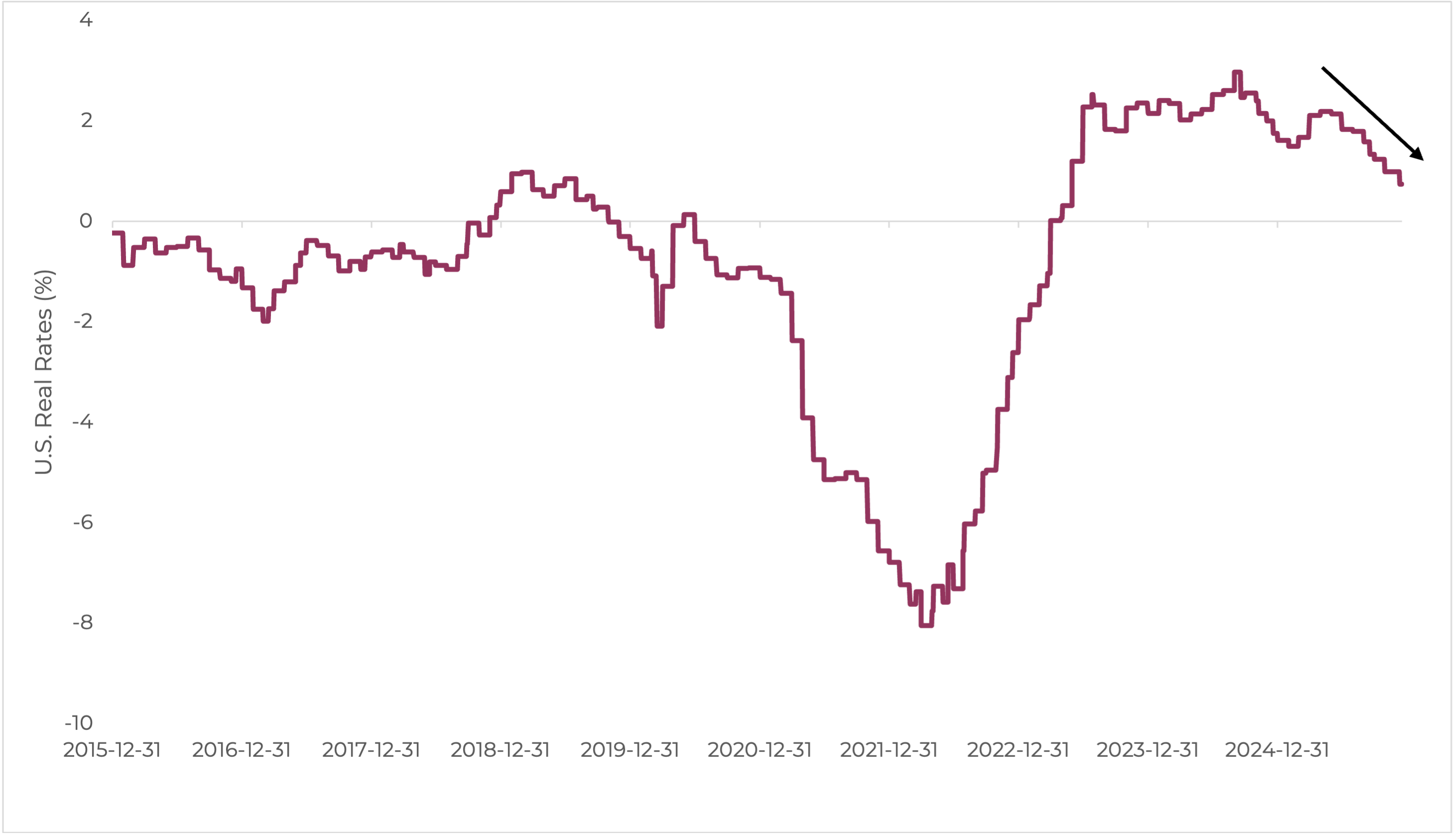
The 2026 outlook reveals a period of economic stabilization, accelerated artificial intelligence deployment, and evolving regulatory frameworks across global markets. Stakeholders must navigate shifting interest rate environments, labor market adjustments, and emerging compliance standards to maintain competitive advantage and long-term operational resilience.
Macroeconomic Landscape and Financial Conditions
Understanding the broader economic environment is essential for strategic planning in 2026. Global financial markets are adjusting to a new normal characterized by moderate inflation rates and stabilized central bank policies. Following years of aggressive monetary tightening to combat post-pandemic price surges, central banks in major economies have shifted toward a more neutral stance. However, borrowing costs remain structurally higher than the near-zero levels seen in the preceding decade, forcing businesses and consumers alike to reevaluate capital allocation, debt management, and liquidity reserves.
Labor markets have also undergone structural transformations. The rapid integration of automation and artificial intelligence tools has altered hiring demands, placing a premium on specialized technical skills while putting downward pressure on routine administrative roles. Organizations face distinct challenges in talent retention and workforce reskilling. Wage growth has cooled compared to the immediate post-pandemic spikes, yet competition for elite engineering, data science, and cyber security talent remains fierce. Consequently, executive leaders are focusing heavily on productivity gains derived from technology rather than sheer headcount expansion.
Inflation Dynamics and Supply Chain Resilience
Inflation has largely returned to targeted central bank bands, hovering between two and three percent in most developed economies. Nevertheless, supply chains remain vulnerable to geopolitical friction, regional conflicts, and climate-related disruptions. Organizations have largely abandoned the hyper-efficient "just-in-time" inventory models of the past, replacing them with "just-in-case" strategies that emphasize redundancy, nearshoring, and diversification of supplier networks. This shift protects against sudden logistical bottlenecks but introduces permanent cost floors that companies must manage through operational efficiencies.
Technological Integration and Artificial Intelligence Maturity
The conversation surrounding artificial intelligence has shifted dramatically from speculative potential to measurable return on investment. By 2026, organizations are no longer experimenting with standalone generative models; instead, they are embedding machine learning algorithms deeply into enterprise resource planning, customer relationship management, and automated decision-making pipelines. This maturity brings intense scrutiny regarding data privacy, intellectual property rights, and algorithmic bias.
Concurrently, cybersecurity has emerged as a top-tier boardroom priority. The proliferation of sophisticated, AI-driven cyber threats means traditional perimeter defense strategies are obsolete. Organizations are adopting zero-trust architectures, where every user and device must be continuously verified before accessing network resources. Regulatory bodies worldwide are enacting stringent compliance mandates, heavily penalizing firms that fail to protect consumer data against increasingly sophisticated ransomware and data exfiltration campaigns.
| Technology Domain | 2024-2025 Focus | 2026 Status & Strategic Focus |
|---|---|---|
| Artificial Intelligence | Pilot projects, content generation, experimentation | Deep enterprise integration, ROI measurement, workflow automation |
| Cybersecurity | Perimeter defense, reactive patching | Zero-trust architecture, automated threat detection, continuous verification |
| Supply Chain | Regional diversification, bottleneck recovery | Multi-sourcing, predictive inventory management, nearshoring |
| Workforce Strategy | Remote work transition, wage adjustments | Skills-based hiring, AI-augmented productivity, structured reskilling |
Regulatory Compliance and Governance Shifts
Regulatory scrutiny has intensified across multiple jurisdictions, creating a complex compliance landscape for multinational enterprises. Environmental, social, and governance (ESG) reporting requirements, once voluntary or loosely monitored, have evolved into mandatory legal frameworks in regions such as the European Union and various North American markets. Corporations must now provide audited disclosures regarding their carbon footprints, supply chain labor practices, and board diversity.
Furthermore, artificial intelligence governance has moved to the forefront of legislative agendas. Frameworks like the European Union Artificial Intelligence Act set strict compliance tiers based on risk levels, requiring rigorous transparency, human oversight, and safety testing for high-risk applications. Organizations operating internationally must build agile compliance programs capable of adapting to fragmented, and sometimes conflicting, regional mandates without stifling innovation.
Strategic Recommendations for Stakeholders
Navigating the complexities of 2026 requires a disciplined approach to risk management, resource allocation, and technological adoption. Decision-makers should prioritize the following actions:
- Audit Technological Infrastructure: Evaluate existing software and data pipelines to ensure compatibility with advanced AI systems and rigorous cybersecurity standards.
- Strengthen Balance Sheets: Maintain adequate liquidity buffers to insulate operations against potential macroeconomic volatility and higher sustained borrowing costs.
- Invest in Continuous Reskilling: Implement internal training programs that bridge the gap between human expertise and automated workflows, fostering a culture of adaptability.
- Proactive Compliance Mapping: Establish cross-functional governance teams to monitor evolving regulatory requirements in data privacy, environmental reporting, and algorithmic accountability.
Frequently Asked Questions
What are the primary economic drivers shaping the 2026 outlook?
The primary drivers include stabilized central bank interest rates, moderate inflation levels, shifting labor market demands driven by automation, and ongoing supply chain restructuring aimed at enhancing resilience against geopolitical and climate risks.
How are businesses approaching artificial intelligence investments in 2026?
Businesses have moved past initial experimentation phases and are now focusing on deep enterprise integration, measuring concrete return on investment, and deploying AI to automate complex operational workflows while managing strict data governance policies.
What cybersecurity measures are essential for organizations in 2026?
Organizations must implement zero-trust architectures, ensuring continuous verification of all users and devices, alongside automated threat detection systems designed to counter AI-driven cyber attacks and comply with rigorous data protection regulations.
How has supply chain management changed compared to previous years?
Companies have largely replaced "just-in-time" inventory models with diversified, nearshored, and redundant supplier networks to protect against sudden logistical disruptions, accepting higher baseline costs in exchange for long-term operational security.
What are the key regulatory challenges facing multinational corporations?
Multinational firms face stringent, mandatory environmental and governance reporting standards, alongside complex regional frameworks governing artificial intelligence deployment, data privacy, and cross-border data transfers.