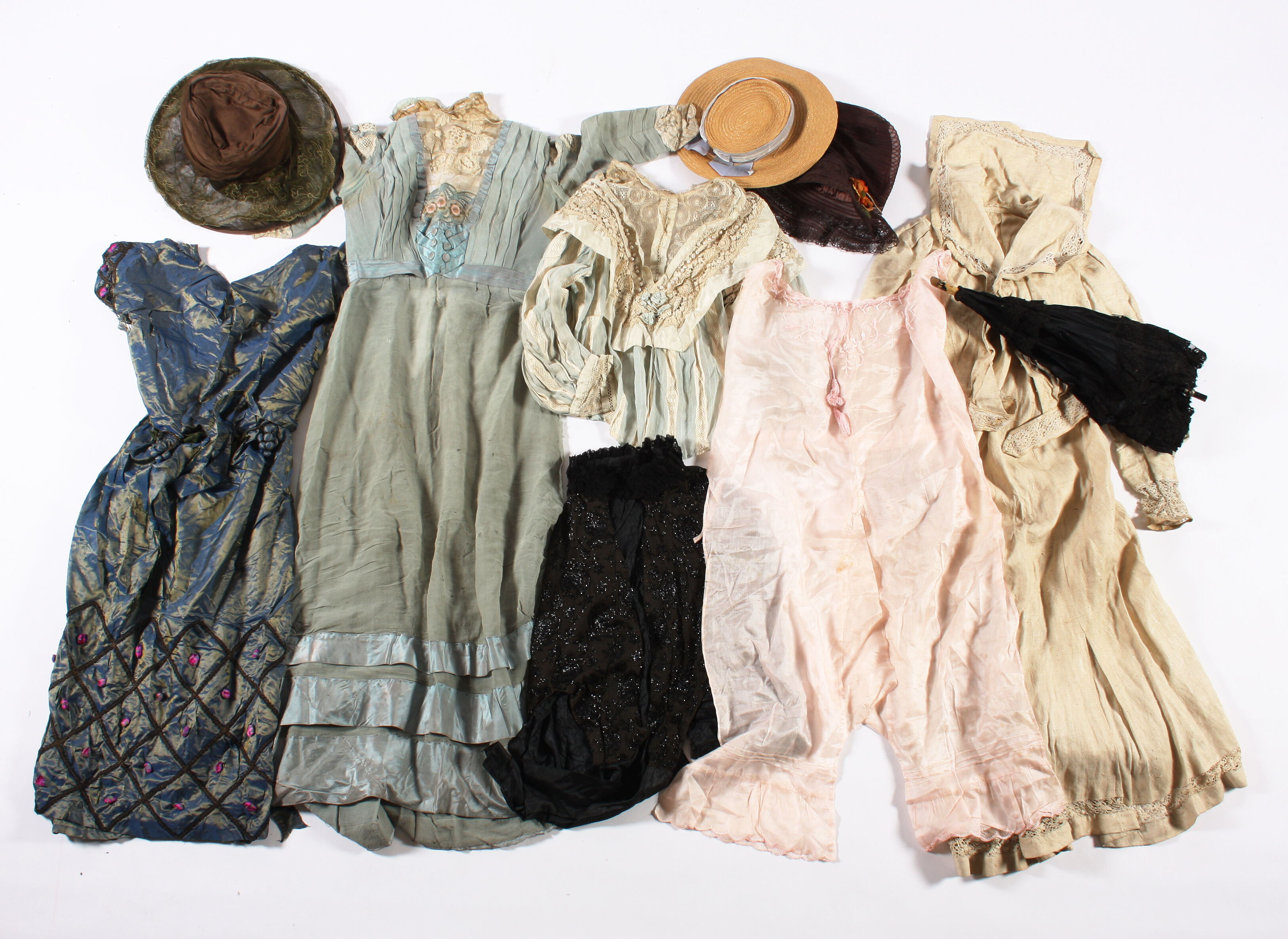
The fashion of the 20th century represents a radical departure from the rigid sartorial structures of the Victorian and Edwardian eras, defined by a rapid cycle of innovation, technological advancement, and socio-political shifts. Throughout these ten decades, clothing transformed from a mark of static class identity into a primary vehicle for individual expression, youth culture, and political activism, culminating in the diverse, globalized aesthetic landscape recognized in 2026.
The Foundation: Transitioning from the Edwardian Era (1900–1919)
At the dawn of the century, fashion was tethered to the "S-bend" silhouette, characterized by high collars, corsetry that forced the chest forward and hips back, and voluminous skirts. However, the influence of designers like Paul Poiret signaled the end of this constraint. Poiret famously abandoned the corset in favor of high-waisted "Empire" silhouettes inspired by Neoclassical design and Orientalism.
The onset of World War I necessitated practical change. As women entered the workforce in unprecedented numbers, hemlines began to rise, and heavy, impractical layers were discarded. By the late 1910s, the "war crinoline"—a shorter, wider skirt—offered a glimpse into the functional future of women’s apparel.
The Roaring Twenties: Liberation and the Flapper
The 1920s introduced the "Garçonne" or flapper look, arguably the most iconic stylistic shift of the century. Following the trauma of the Great War, there was a widespread rejection of traditional modesty. Women bobbed their hair, flattened their chests with brassieres, and adopted tubular, drop-waist dresses that allowed for movement during jazz age dances. Coco Chanel emerged as the defining force of this era, popularizing the "Little Black Dress" and the use of jersey fabric—a material previously reserved for men’s underwear—thereby proving that elegance could be synonymous with comfort and simplicity.
The Great Depression and the Return to Elegance (1930s)
The stock market crash of 1929 introduced a somber note to fashion, yet Hollywood provided an escapist influence. The 1930s favored a more feminine, form-fitting silhouette. Bias-cut gowns, pioneered by Madeleine Vionnet, clung to the body’s natural curves. Men’s fashion remained largely conservative, though the introduction of the "Hollywood drape" suit added a touch of flair to masculine attire. Despite economic hardship, the era emphasized a sleek, elongated look that relied on fluid movement rather than intricate embellishment.
The Forties: Utility and Rationing
World War II brought about the most significant government intervention in fashion history. In the United Kingdom and the United States, rationing of fabric led to the Utility Clothing Scheme and L-85 regulations, which dictated the length of skirts, the width of cuffs, and the removal of excess pleats and buttons. Women’s fashion became utilitarian; trousers became acceptable for factory work, and the silhouette narrowed significantly. Fashion became a matter of patriotism, leading to the popularization of shoulder pads, which lent a boxy, military-inspired profile to women’s jackets.
The New Look and Post-War Prosperity (1950s)
In 1947, Christian Dior introduced his "New Look," characterized by cinched waists and voluminous, full-circle skirts that required significant yardage—a direct, rebellious response to the austerity of the war years. The 1950s solidified the role of the consumerist housewife, with fashion icons like Audrey Hepburn and Grace Kelly promoting elegance, gloves, and structured foundations. Simultaneously, a burgeoning youth culture began to emerge, with the "greaser" look for men, influenced by denim and leather jackets, creating a visible divide between the generations.
The Counterculture Revolution (1960s)
The 1960s marked the most dramatic acceleration of fashion change in the century. The "Youthquake" movement, centered in London’s Carnaby Street, saw the invention of the miniskirt by Mary Quant. Fashion became futuristic and experimental, utilizing new synthetic materials like PVC and polyester. By the late 1960s, the influence of the hippie movement introduced bohemian aesthetics: bell-bottoms, tie-dye, paisley patterns, and an rejection of formal tailoring in favor of natural fabrics and artisanal influences.
Self-Expression and Disparate Trends (1970s and 1980s)
The 1970s and 1980s were defined by diversification. The 1970s saw a blend of disco glamour, characterized by sequins and spandex, and the rise of punk, led by Vivienne Westwood, which used safety pins and distressed leather to signal anti-establishment sentiment.
The 1980s shifted focus to "power dressing." As more women entered executive positions, the silhouette expanded to include massive shoulder pads, sharp tailoring, and high-impact colors. It was the era of the brand; labels like Giorgio Armani and Calvin Klein became status symbols, and the intersection of music video culture (MTV) and high fashion created a globalized desire for specific, highly visible luxury goods.
Minimalism and the Grunge Aesthetic (1990s)
The final decade of the 20th century was marked by a reaction against 1980s excess. Minimalism emerged as the dominant high-fashion trend, championed by designers like Jil Sander and Helmut Lang, focusing on neutral palettes and clean lines. Conversely, the "Grunge" movement—spurred by Seattle-based alternative rock—brought flannel shirts, combat boots, and cardigans into the mainstream. The 1990s also saw the rise of the "Supermodel" and the formal institutionalization of "streetwear," setting the stage for the fast-fashion cycles that would dominate the early 21st century.
| Era | Key Silhouette | Defining Trend | Iconic Item |
|---|---|---|---|
| 1920s | Tubular/Drop-waist | Garçonne Style | Cloche Hat |
| 1940s | Boxy/Narrow | Utility Rationing | Shoulder Pads |
| 1950s | Hourglass/Full Skirt | The New Look | Petticoat |
| 1960s | A-Line/Space Age | Mod/Youthquake | Miniskirt |
| 1980s | Oversized/Sharp | Power Dressing | Power Suit |
Frequently Asked Questions
What influenced the rapid changes in 20th-century fashion? Fashion evolved through a combination of global conflict, technological progress in synthetic textiles, and the democratization of mass media. Wars forced resource conservation, while advancements like polyester and nylon allowed for cheaper, more varied production. Later, television and the internet accelerated the trend cycle, moving fashion from the runway to the public in weeks rather than months.
Why was the 1920s "flapper" look considered revolutionary? The flapper look was a physical manifestation of suffrage and women’s liberation. By abandoning restrictive corsets and long, heavy skirts, women demonstrated a desire for physical autonomy. The adoption of shorter hair and looser, shorter dresses symbolized their entry into public spaces, nightlife, and professional environments previously reserved for men.
How did the Great Depression affect fashion? While the luxury fashion houses of Paris suffered, the 1930s saw the democratization of style through the mass production of ready-to-wear clothing. Magazines and film provided the template for "aspirational dressing," and innovations in bias-cut manufacturing allowed cheaper garments to mimic the drape of expensive, custom-tailored couture.
What is meant by the term "Power Dressing" in the 1980s? Power dressing was a sartorial strategy employed by women entering high-level corporate and political roles. The heavy use of shoulder pads created an assertive, masculine silhouette designed to project authority and occupy physical space in boardrooms, effectively blending professional requirements with the bold aesthetic of the decade.
Is 20th-century fashion still relevant in 2026? Yes, modern fashion remains heavily reliant on "archival" trends and the cyclical nature of 20th-century aesthetics. Most contemporary styles are "remixes" of specific decades—such as the resurgence of 90s minimalism or 70s bohemian patterns—often produced using more sustainable, modern manufacturing processes.
Next Steps for Fashion History Enthusiasts
To deepen your understanding of 20th-century fashion, consider visiting reputable archives such as the Metropolitan Museum of Art’s Costume Institute or the Victoria and Albert Museum’s online collections. These institutions provide detailed catalogs of garments that help verify the material evolution of silhouettes across the century. When studying these items, focus on the construction techniques—such as the change from hand-stitching to industrial sewing—to truly grasp how the physical limitations of production shaped the aesthetics we recognize today.