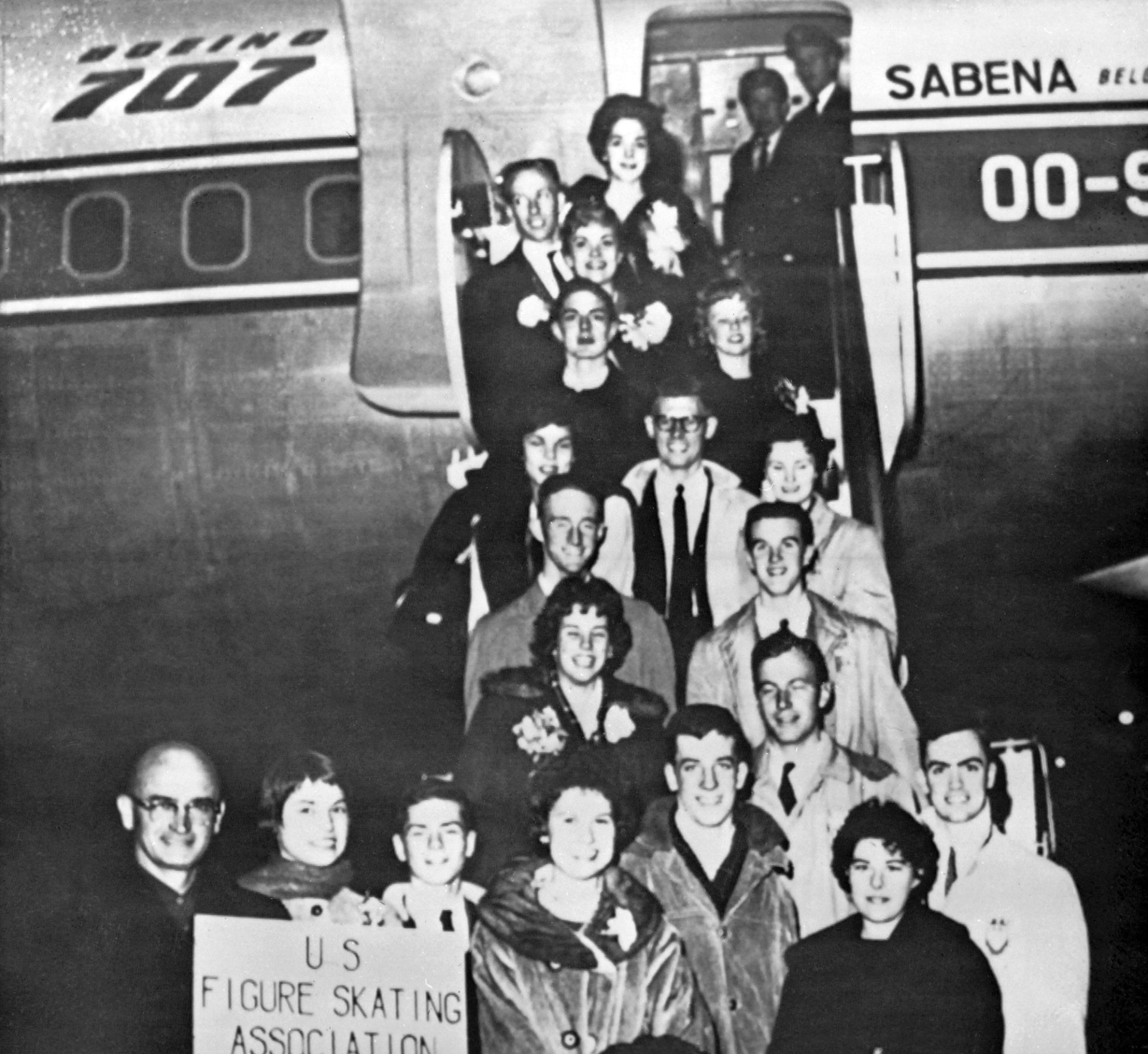
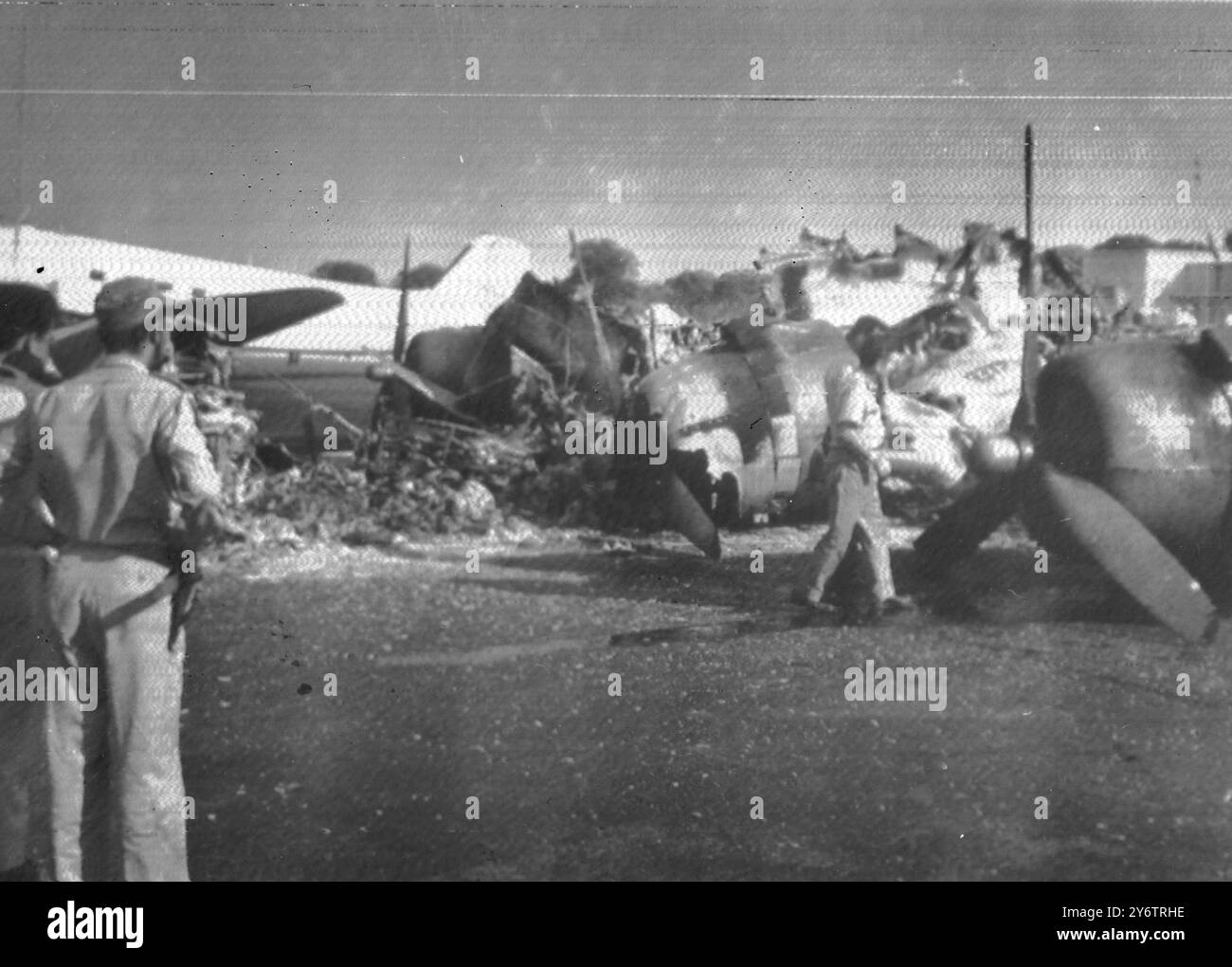
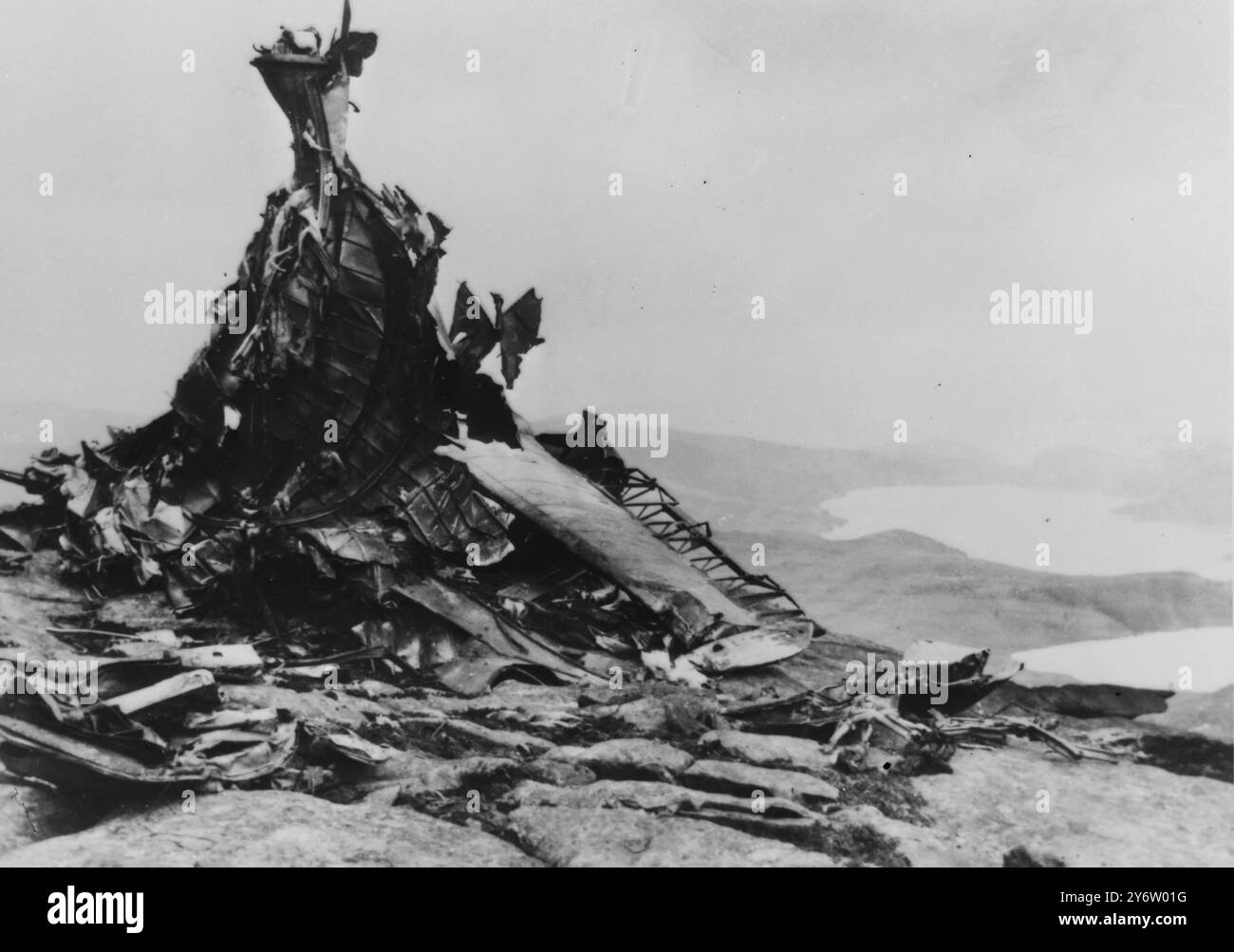
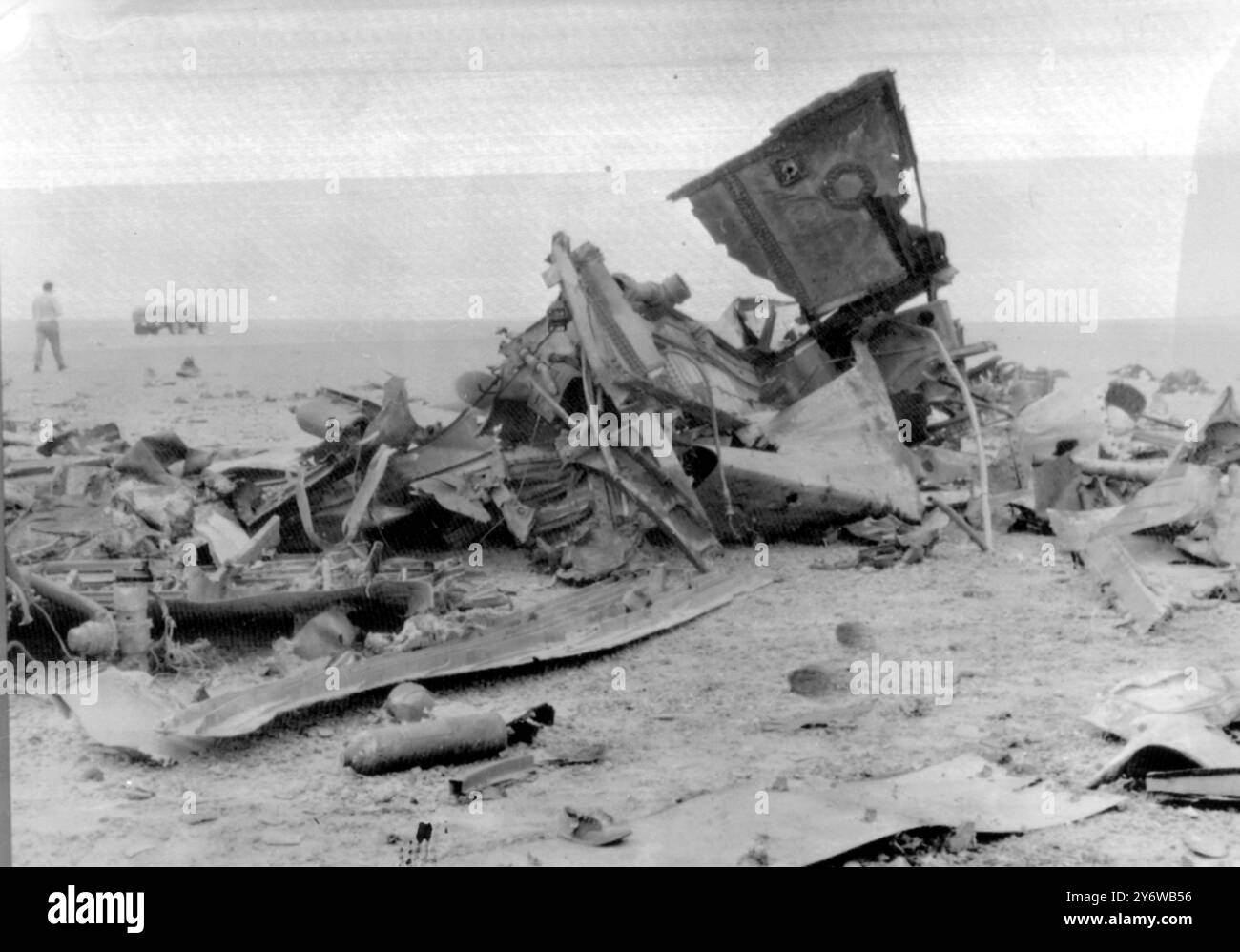
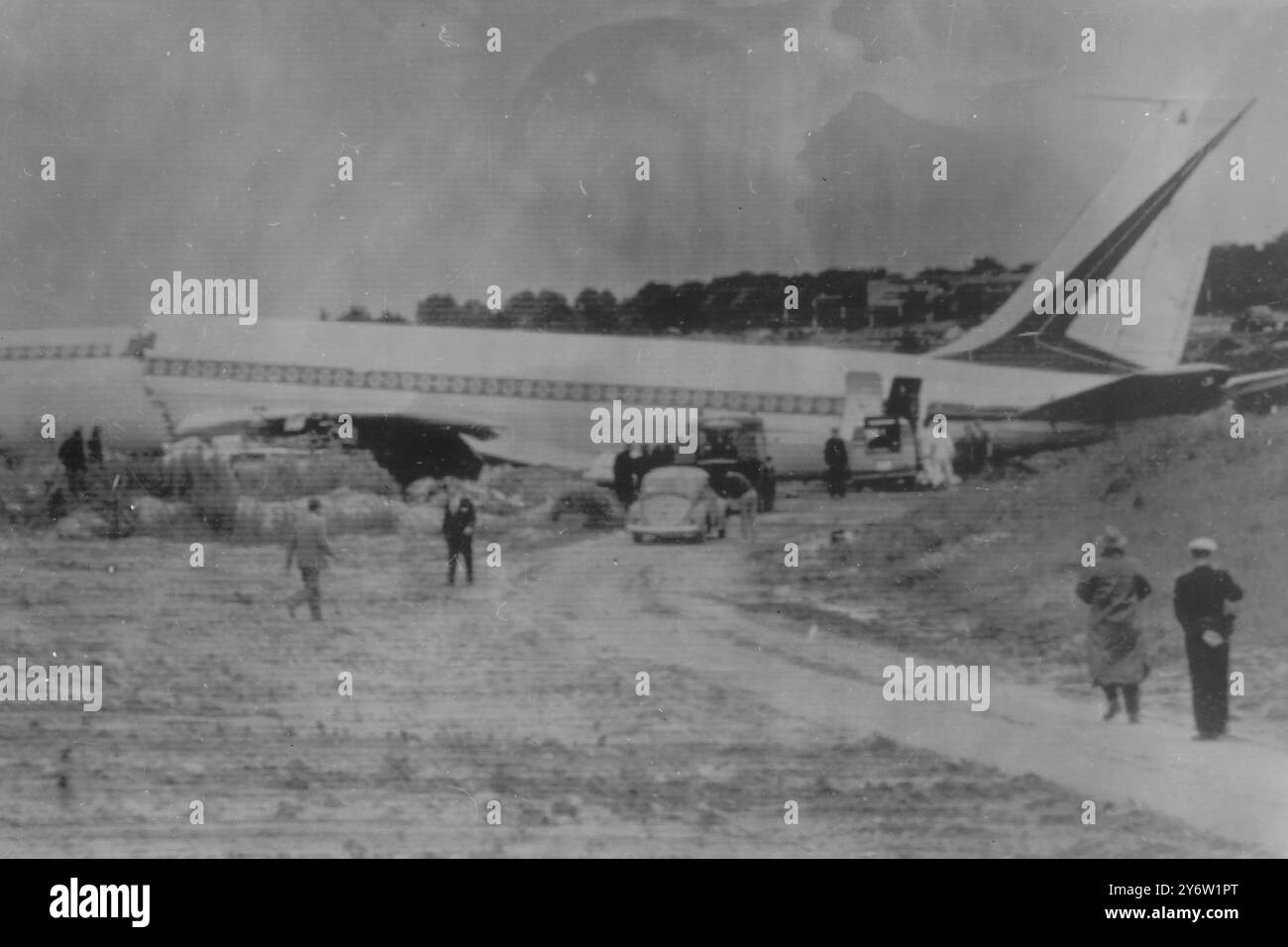
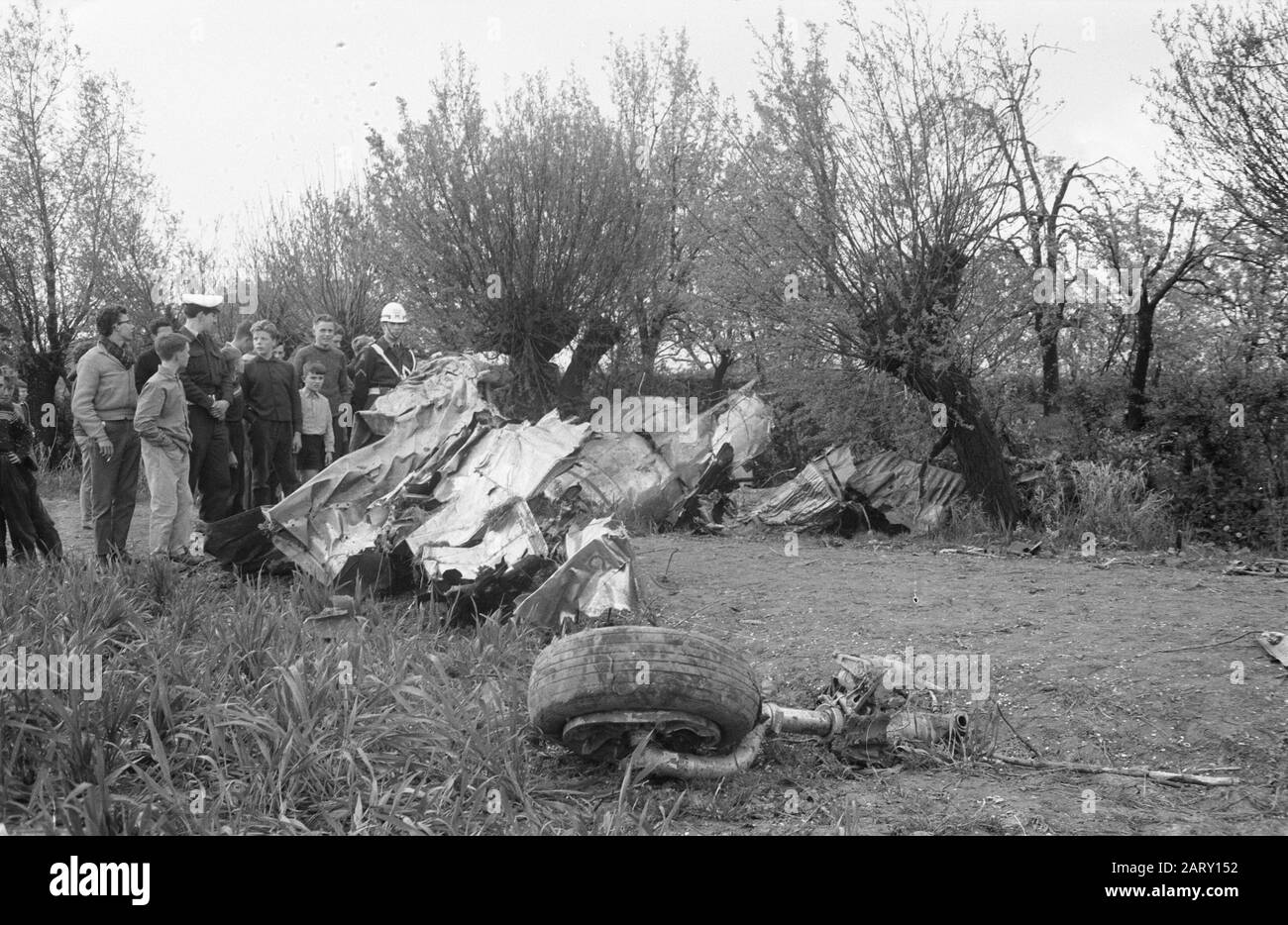
On February 15, 1961, Sabena Flight 548, a Boeing 707-329, crashed during its final approach to Brussels, Belgium, killing all 72 passengers and crew, plus one person on the ground. The disaster remains a pivotal moment in aviation history because it claimed the entire U.S. Figure Skating team, fundamentally altering both the sport and international flight safety protocols.
The year 1961 was a watershed period for aviation, marked by the rapid transition into the "Jet Age" and several high-profile accidents that challenged the safety standards of the era. While the Sabena crash is the most culturally prominent disaster of that year, it was part of a broader series of events—including the mysterious death of UN Secretary-General Dag Hammarskjöld in a separate crash—that forced a global re-evaluation of how aircraft were maintained, piloted, and investigated.
The Tragedy of Sabena Flight 548
Sabena Flight 548 was a regularly scheduled international flight from New York City’s Idlewild Airport (now JFK International) to Brussels. On the morning of February 15, the Boeing 707 was carrying 11 crew members and 61 passengers. Among those on board were 18 members of the U.S. Figure Skating team, along with their coaches, officials, and family members, traveling to the World Figure Skating Championships in Prague.
The Final Moments at Berg-Kampenhout
The flight across the Atlantic was reportedly uneventful. As the aircraft approached Brussels Airport (Zaventem) around 10:00 AM local time, the crew received clearance to land. However, witnesses on the ground in the village of Berg noticed the aircraft performing unusual maneuvers. The plane aborted its initial approach and began circling, eventually climbing and then plunging into a nose-down spiral.
The aircraft struck a marshy field in the hamlet of Berg, near Kampenhout. The impact was so severe that the wreckage was scattered across a wide area, and the subsequent fire made immediate rescue operations impossible. All 72 people on board perished instantly. A farmer working in the field, Theo de Laet, was struck by debris and killed, while another individual nearby suffered a traumatic injury that resulted in the amputation of his leg.
Impact on the Sporting World
The loss of the U.S. Figure Skating team was a catastrophic blow to the sport. The victims included reigning U.S. champion Laurence Owen and her sister Maribel Owen, as well as their mother, legendary coach Maribel Vinson-Owen. The 1961 World Championships in Prague were canceled out of respect for the victims. In the decades following the crash, the U.S. Figure Skating Memorial Fund was established to support young skaters, a legacy that continues to function in 2026 as a primary pillar of the sport’s development in the United States.
Technical Investigation and the Boeing 707 Stabilizer
The investigation into Sabena Flight 548 was complicated by the lack of sophisticated flight data recorders, which were in their infancy in 1961. The Belgian Commission of Inquiry, supported by American experts from the Federal Aviation Administration (FAA) and Boeing, focused on the aircraft's mechanical systems.
The Runaway Stabilizer Theory
The Boeing 707-320 series was a relatively new aircraft at the time. The investigation eventually pointed toward a malfunction in the horizontal stabilizer trim system. The horizontal stabilizer is the small wing-like structure at the tail of the plane that controls the "pitch" (the nose-up or nose-down attitude).
Investigators found evidence suggesting that the stabilizer had moved to an extreme "nose-up" position during the approach, likely due to a mechanical or electrical failure. This condition, known as a runaway stabilizer, would have made the aircraft nearly impossible to control. When the pilots attempted to compensate, the aircraft may have stalled or entered an unrecoverable dive. Although the Belgian authorities never definitively pinpointed a single component failure, the "mechanical malfunction of the stabilizer" became the accepted probable cause.
Early Jet-Age Vulnerabilities
The 1961 crash highlighted the steep learning curve associated with the introduction of commercial jetliners. Compared to the piston-engine aircraft that preceded them, jets like the Boeing 707 operated at higher speeds and altitudes, meaning that mechanical failures occurred more rapidly and required faster pilot reactions. The Sabena disaster led to improved training for pilots on how to handle trim malfunctions and eventually influenced the design of more redundant control systems in later iterations of the 707 and the subsequent 727.
The Ndola Crash: A Diplomatic Disaster
While the Sabena crash is the most recognized "1961 plane crash" in the U.S., another event that year carried massive geopolitical weight: the crash of the United Nations DC-6 carrying Secretary-General Dag Hammarskjöld on September 18, 1961.
Hammarskjöld was en route to Ndola (then in Northern Rhodesia, now Zambia) to negotiate a ceasefire in the Congo Crisis. His aircraft, a Douglas DC-6B, crashed during its approach at night. All 16 people on board were killed. Unlike the Sabena crash, which was viewed as a mechanical tragedy, the Ndola crash has been shrouded in mystery and allegations of assassination for over 60 years.
| Aspect | Sabena Flight 548 | UN Flight (SE-BDY) |
|---|---|---|
| Date | February 15, 1961 | September 18, 1961 |
| Aircraft Model | Boeing 707-329 | Douglas DC-6B |
| Location | Berg, Belgium | Ndola, Northern Rhodesia |
| Fatalities | 73 (including 1 on ground) | 16 |
| Primary Theory | Stabilizer Trim Malfunction | Pilot Error or Aerial Attack |
| Key Victims | U.S. Figure Skating Team | Dag Hammarskjöld |
| Status in 2026 | Settled History | Ongoing UN Investigation |
As of 2026, the United Nations continues to review new evidence regarding the Ndola crash, including reports of other aircraft in the area and potential electronic interference. This contrast highlights 1961 as a year where aviation disasters were not just technical failures, but events that shaped international politics and sports history.
Comparative Overview of Major 1961 Aviation Accidents
The year 1961 saw several significant accidents that drove the aviation industry toward better safety regulations. The following table summarizes the most notable crashes of that year.
| Flight / Event | Date | Casualties | Significant Findings |
|---|---|---|---|
| Sabena 548 | Feb 15 | 73 | Suspected runaway stabilizer; lost U.S. skating team. |
| KLM Flight 823 | May 30 | 61 | Viasa-leased DC-8; crashed off Portugal; likely pilot error. |
| United Flight 859 | July 11 | 17 | DC-8 landing accident in Denver; hydraulic failure/asymmetric thrust. |
| TWA Flight 529 | Sept 1 | 78 | Lockheed Constellation; pitch trim malfunction after takeoff from Chicago. |
| Air France 407 | Sept 12 | 77 | Caravelle crash in Morocco; controlled flight into terrain (CFIT). |
| UN DC-6 (Ndola) | Sept 18 | 16 | Death of Dag Hammarskjöld; cause remains controversial. |
Evolution of Aviation Safety Post-1961
The cluster of high-profile accidents in 1961 served as a catalyst for the modernization of aviation safety. Several key areas saw rapid development in the following years:
- Mandatory Flight Recorders: The difficulty in determining the exact cause of the Sabena 548 crash accelerated the mandate for Flight Data Recorders (FDR) and Cockpit Voice Recorders (CVR) on all commercial aircraft. These "black boxes" have since become the most critical tools in accident investigation.
- Redundant Control Systems: The stabilizer issues found in the Boeing 707 and the Lockheed Constellation (TWA 529) led to more robust engineering requirements. Modern aircraft now feature multiple backup systems to prevent a single mechanical failure from causing a total loss of control.
- Approach and Landing Procedures: Accidents like Air France 407 and the Sabena crash occurred during the approach phase, which remains the most dangerous part of a flight. This led to the development of the Instrument Landing System (ILS) and better "stabilized approach" criteria that pilots must follow today.
- Air Traffic Control (ATC) Modernization: The early 1960s saw the beginning of integrated radar systems that allowed controllers to monitor aircraft positions more accurately, reducing the risk of mid-air collisions and providing better guidance during emergencies.
Commemorating the 1961 Victims
The legacy of the 1961 crashes is preserved through various memorials and foundations. In Berg, Belgium, a monument stands at the site of the Sabena 548 crash, often visited by members of the figure skating community. The 50th anniversary in 2011 saw a major commemoration, and in 2026, the site remains a place of quiet reflection for aviation historians and sports fans alike.
For the figure skating world, the crash is viewed as the "Day the Music Died." However, the subsequent rebuilding of the U.S. program, culminating in Peggy Fleming’s gold medal at the 1968 Winter Olympics, is often cited as a testament to the resilience of the community.
Frequently Asked Questions
What caused the 1961 Sabena plane crash?
While a single definitive cause was never proven due to the lack of a flight data recorder, investigators concluded that the crash was likely caused by a mechanical failure of the horizontal stabilizer trim system. This caused the Boeing 707 to become uncontrollable during its approach to Brussels Airport.
Who were the most notable victims of the Sabena crash?
The crash claimed the lives of all 18 members of the U.S. Figure Skating team, including star skater Laurence Owen and her coach/mother Maribel Vinson-Owen. It also killed several prominent coaches and international judges who were traveling to the World Championships in Prague.
How did the 1961 crash affect aviation safety today?
The disaster was a primary driver for the universal adoption of flight data recorders and improved pilot training for runaway trim scenarios. It also led to stricter maintenance and inspection protocols for the moving parts of aircraft tail sections.
Was the 1961 crash involving Dag Hammarskjöld solved?
The crash of the UN DC-6 remains one of the greatest mysteries of the 20th century. While early inquiries suggested pilot error, a 2019 UN report found that an "external attack or threat" was a plausible cause. As of 2026, the investigation remains open to new forensic evidence.
Why were the 1961 World Figure Skating Championships canceled?
The International Skating Union (ISU) canceled the 1961 championships in Prague out of respect for the U.S. team. It was the first and only time the World Championships were canceled for a reason other than World War I or World War II (until the 2020 pandemic).
Next Actions for Research
If you are researching the 1961 plane crashes for historical or technical purposes, the following steps are recommended:
- Visit Official Repositories: Consult the Aviation Safety Network for detailed technical logs and accident reports for Sabena Flight 548 and the Ndola crash.
- Explore Sporting History: Review the U.S. Figure Skating Memorial Fund archives to understand the social and cultural impact of the loss of the 1961 team.
- Review UN Records: For those interested in the Hammarskjöld crash, the United Nations Archives provide access to the various commission reports released between 1961 and the present.
- Study Jet-Age Engineering: Research the early design history of the Boeing 707 to understand the evolution of flight control systems from the late 1950s to the modern era.